What Is a Bull Market
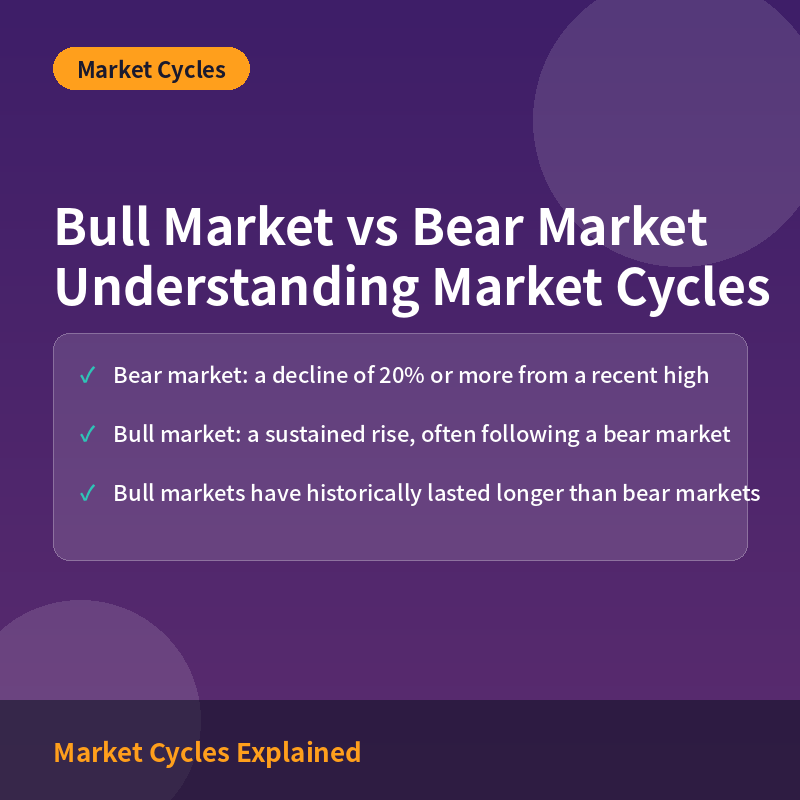
A bull market refers to a period of sustained rising prices in a financial market, typically accompanied by investor optimism and confidence about continued growth. Bull markets can last anywhere from several months to multiple years.
What Is a Bear Market
A bear market is commonly defined as a decline of 20% or more from a recent market high, typically accompanied by widespread pessimism and negative investor sentiment. Bear markets are often, though not always, associated with economic recessions.
Where the 20% Threshold Comes From
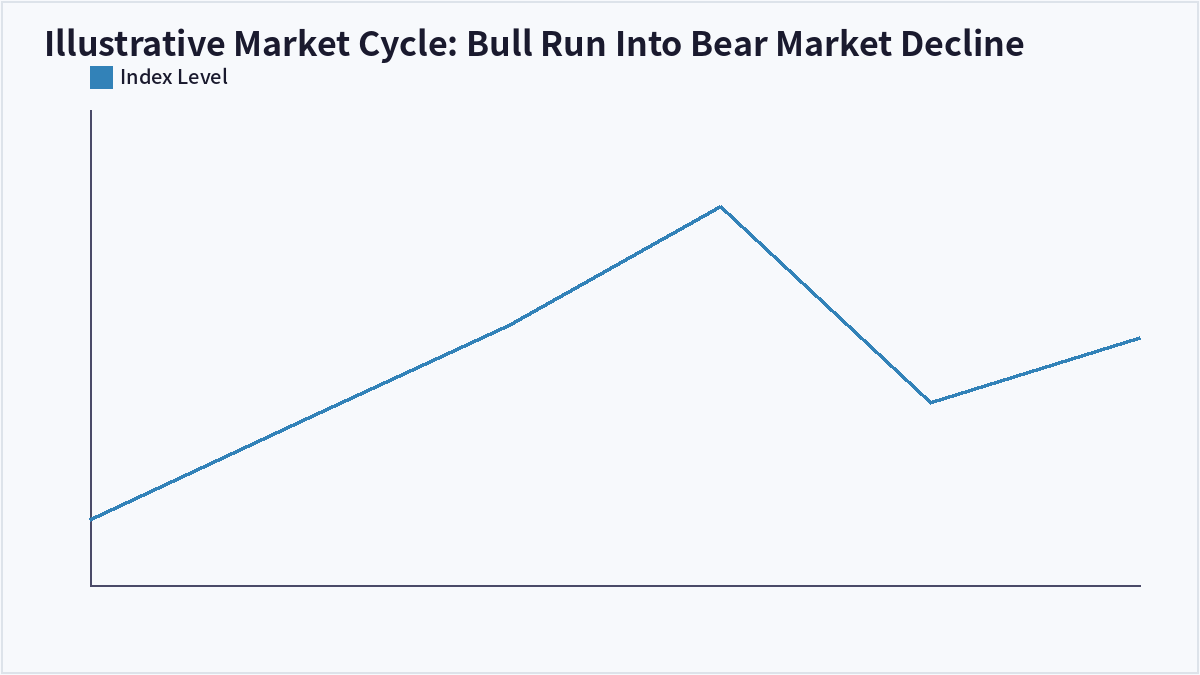
The 20% decline threshold for defining a bear market is a widely used market convention rather than a strict scientific rule, intended to distinguish a more serious, sustained downturn from a normal short-term correction, which is typically defined as a decline of 10% to 20%.
Historical Duration Patterns
Historically, bull markets have tended to last considerably longer on average than bear markets, with bull markets often spanning multiple years while bear markets have frequently been shorter and sharper, though the specific duration and severity of any individual cycle can vary significantly.
How Investors Commonly Respond
During bull markets, many investors lean toward growth-oriented strategies given the prevailing optimism, while during bear markets, some investors shift toward more defensive positioning, though timing these transitions precisely is notoriously difficult, and many long-term investors instead focus on maintaining a consistent strategy through both phases.
| Market Type | Price Trend | Common Threshold | Typical Sentiment |
|---|---|---|---|
| Bull Market | Sustained rise | No fixed threshold; ongoing upward trend | Optimism, confidence |
| Bear Market | Sustained decline | 20% or more decline from a recent high | Pessimism, caution |
| Correction | Short-term decline | 10% to 20% decline from a recent high | Uncertainty, volatility |
| Recovery | Rebound after a decline | No fixed threshold | Cautious optimism |
Frequently Asked Questions
Does a bear market always mean a recession is happening?
Not necessarily — while bear markets are often associated with economic recessions, they can also occur due to other factors like rapid interest rate changes or shifts in investor sentiment without a formal recession occurring.
How is a bear market different from a market correction?
A correction is generally defined as a decline of 10% to 20% from a recent high, while a bear market refers to a more severe and sustained decline of 20% or more — corrections are considerably more frequent than full bear markets.
Can you know you’re in a bull or bear market while it’s happening?
It’s often only possible to confidently label a market cycle in hindsight, since prices can be volatile in the short term, making it genuinely difficult to distinguish a temporary dip within a bull market from the early stage of a new bear market.
Should investors sell everything at the start of a bear market?
Trying to precisely time market entries and exits is very difficult even for professional investors, which is why many long-term investors instead focus on their overall asset allocation and risk tolerance rather than attempting to exit and re-enter around each cycle.
Key Takeaways
Bull and bear markets describe sustained periods of rising and falling prices, and while the 20% decline threshold offers a useful reference point for a bear market, understanding these cycles is generally more useful for managing expectations than for attempting to time the market. This article is for informational purposes only and does not constitute investment advice.

QuantPro: AI Finds the Trade Before You Do
From AI-powered chart analysis to real-time market intelligence — everything a serious investor needs, in one platform.
- Automated AI chart analysis with precision trend timing
- Bull Radar: real-time visualization of geopolitical & economic shifts
- Live market-moving news and insights, curated for you
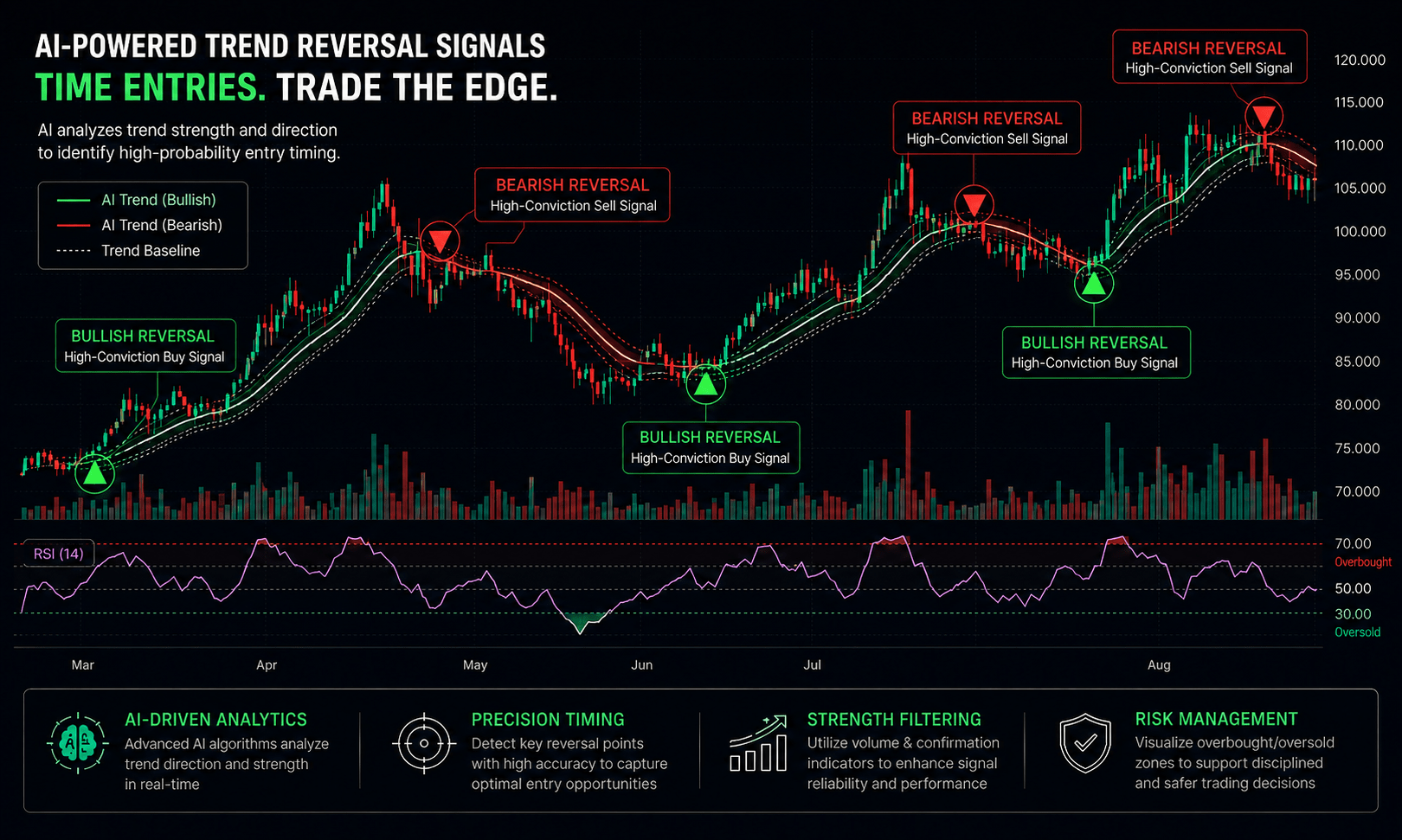
Bull Wave / Bear Wave Forecast Model
Engineered to help you read market direction and momentum faster than the crowd.
- Instantly separate bullish momentum from bearish pressure
- Pinpoint high-probability entry zones with confidence
- Chart signals clear enough for beginners, sharp enough for pros
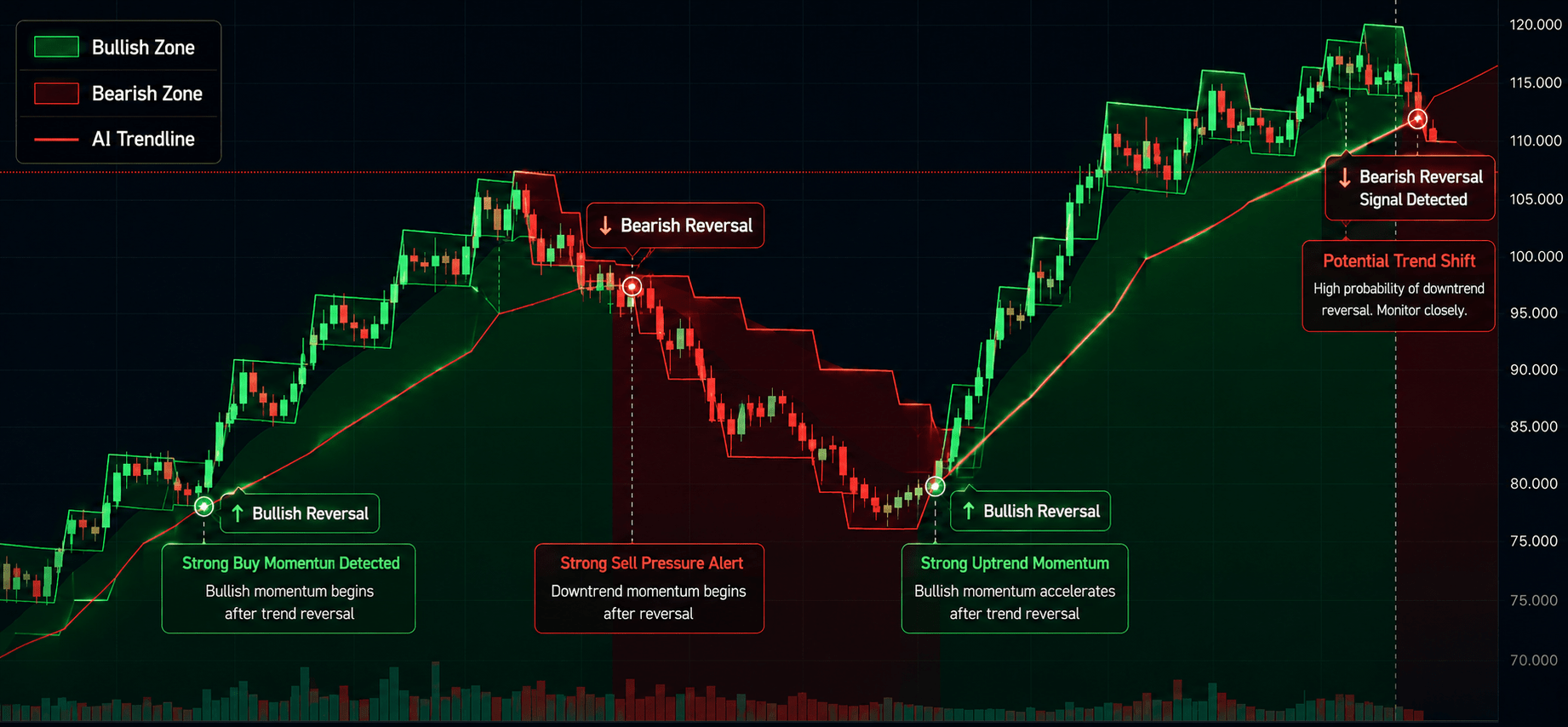
Winning Pattern Detection
Instantly surfaces the high-probability setups that repeat across the charts — a trusted edge for timing your entries and exits.
- Spot momentum building in real time
- Catch trend-reversal points before they break
- Built for active traders who need results, not theory
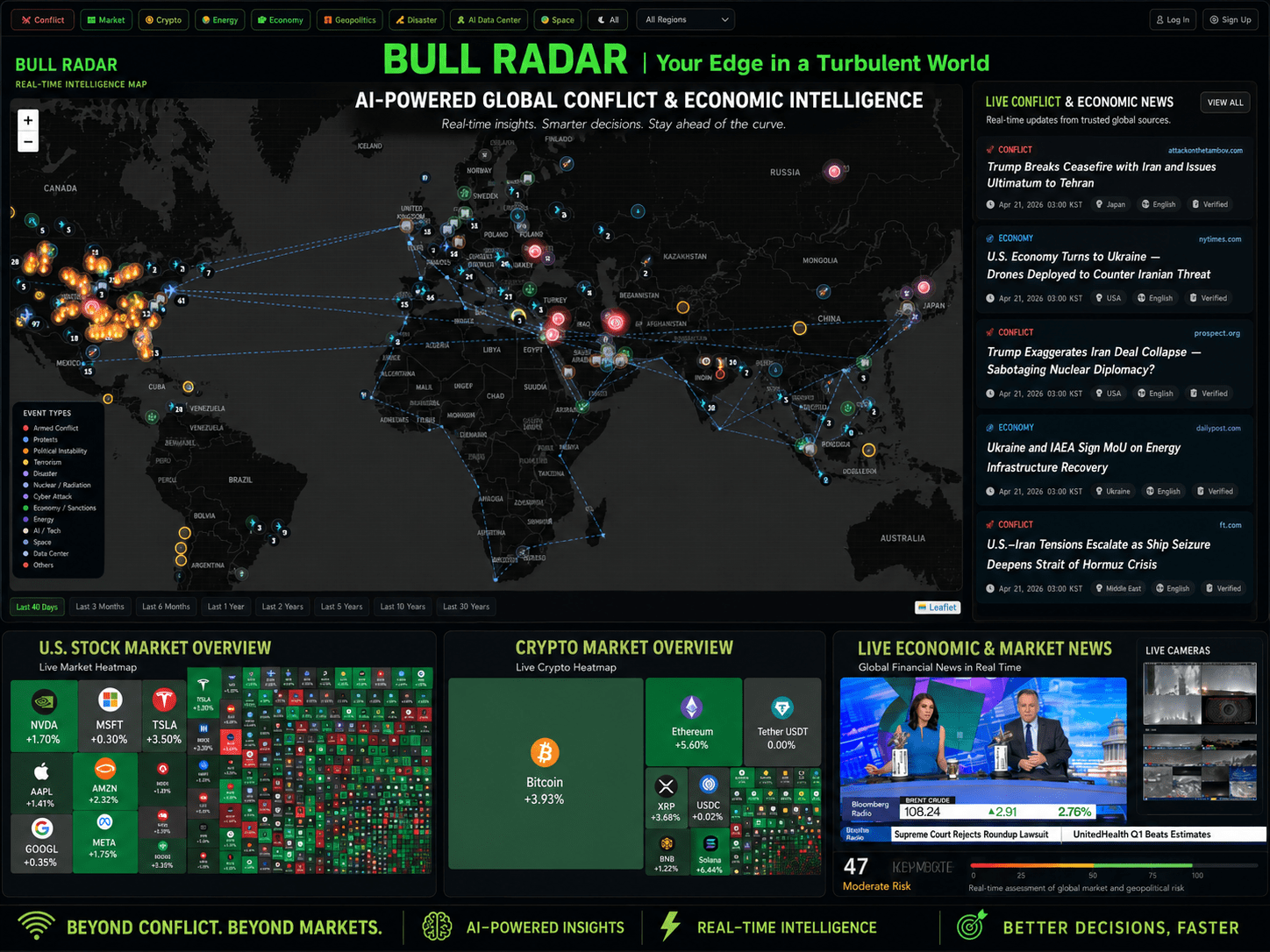
AI Live Economic Dashboard
AI analyzes real-time market data — turning complex, global investment flows into clear insight in seconds.
- Track global stock markets in real time
- See exactly which assets are strong — and which are fading
- Watch how geopolitical events move the markets
About the Author