What Is a Currency Carry Trade
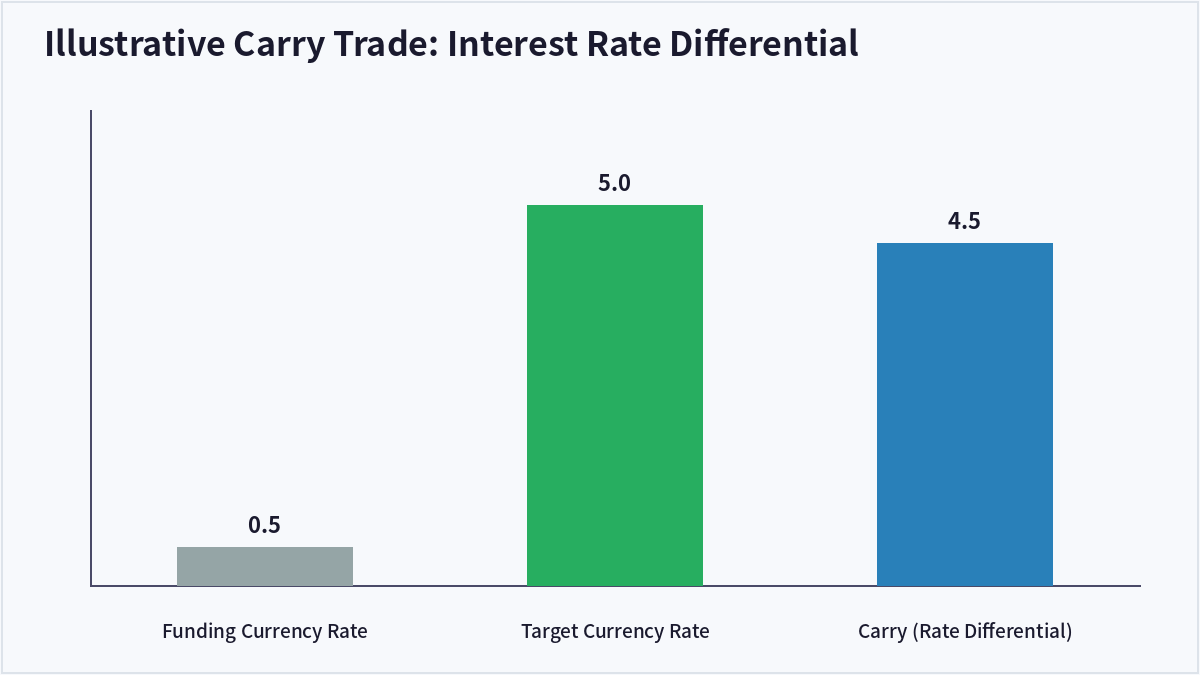
A currency carry trade involves borrowing funds in a currency with a low interest rate (the funding currency) and using the proceeds to invest in assets denominated in a currency with a higher interest rate (the target currency). The investor aims to profit from the interest rate differential between the two currencies, known as the ‘carry.’
This strategy has historically been popular using low-interest-rate currencies like the Japanese yen as the funding currency, invested into higher-yielding currencies or assets in other countries.
Where the Profit — and Risk — Comes From
The interest rate differential
As long as exchange rates remain relatively stable, the trade profits from the gap between what the investor pays to borrow in the low-rate currency and what they earn holding assets in the high-rate currency.
Currency risk can overwhelm the carry
The biggest risk is that the funding currency appreciates sharply against the target currency, which would increase the cost of repaying the borrowed funds in the investor’s base currency terms — potentially wiping out the accumulated interest rate gains or more, particularly during periods of market stress when carry trades are unwound en masse.
Why Carry Trade Unwinds Can Be Sudden
Because many market participants tend to run similar carry trades simultaneously, a shock that triggers one investor to unwind their position (such as a sudden rate hike in the funding currency’s home country or a broader risk-off event) can cascade into a rapid, self-reinforcing appreciation of the funding currency as many trades unwind at once.
Carry Trade Profit Scenario vs. Risk Scenario
| Scenario | Stable/Favorable FX | Sharp Funding-Currency Appreciation |
|---|---|---|
| Interest income | Captured as expected | Still earned, but outweighed by FX loss |
| Currency effect | Minimal drag | Can produce large realized losses |
| Overall outcome | Profitable carry | Net loss despite rate differential |
Frequently Asked Questions
Why is the Japanese yen historically a popular funding currency?
Japan maintained near-zero or negative interest rates for an extended period, making the yen cheap to borrow relative to higher-yielding currencies, which made it a favored funding currency for carry trades.
Is a currency carry trade considered a low-risk strategy?
No. While it can generate steady returns in calm markets, carry trades carry significant tail risk from sudden currency reversals, and historically some of the largest currency market moves have coincided with rapid carry trade unwinds.
Can individual investors execute currency carry trades?
Retail investors can access carry trade-like exposure through certain forex accounts, currency ETFs, or interest-rate-differential-focused funds, though the leverage and risk management involved make it more common among institutional and sophisticated traders.
What triggers a carry trade unwind?
Unwinds are often triggered by unexpected rate hikes in the funding currency’s country, a broader shift toward risk aversion in global markets, or unexpected volatility spikes that make funding costs or margin requirements less favorable.
Key Takeaways
A currency carry trade profits from borrowing in a low-interest-rate currency to invest in a higher-yielding one, capturing the interest rate differential. The strategy’s main danger is a sudden appreciation of the funding currency, which can erase gains quickly, especially when many market participants unwind similar positions at once. This article is for informational purposes only and does not constitute investment advice.

QuantPro: AI Finds the Trade Before You Do
From AI-powered chart analysis to real-time market intelligence — everything a serious investor needs, in one platform.
- Automated AI chart analysis with precision trend timing
- Bull Radar: real-time visualization of geopolitical & economic shifts
- Live market-moving news and insights, curated for you
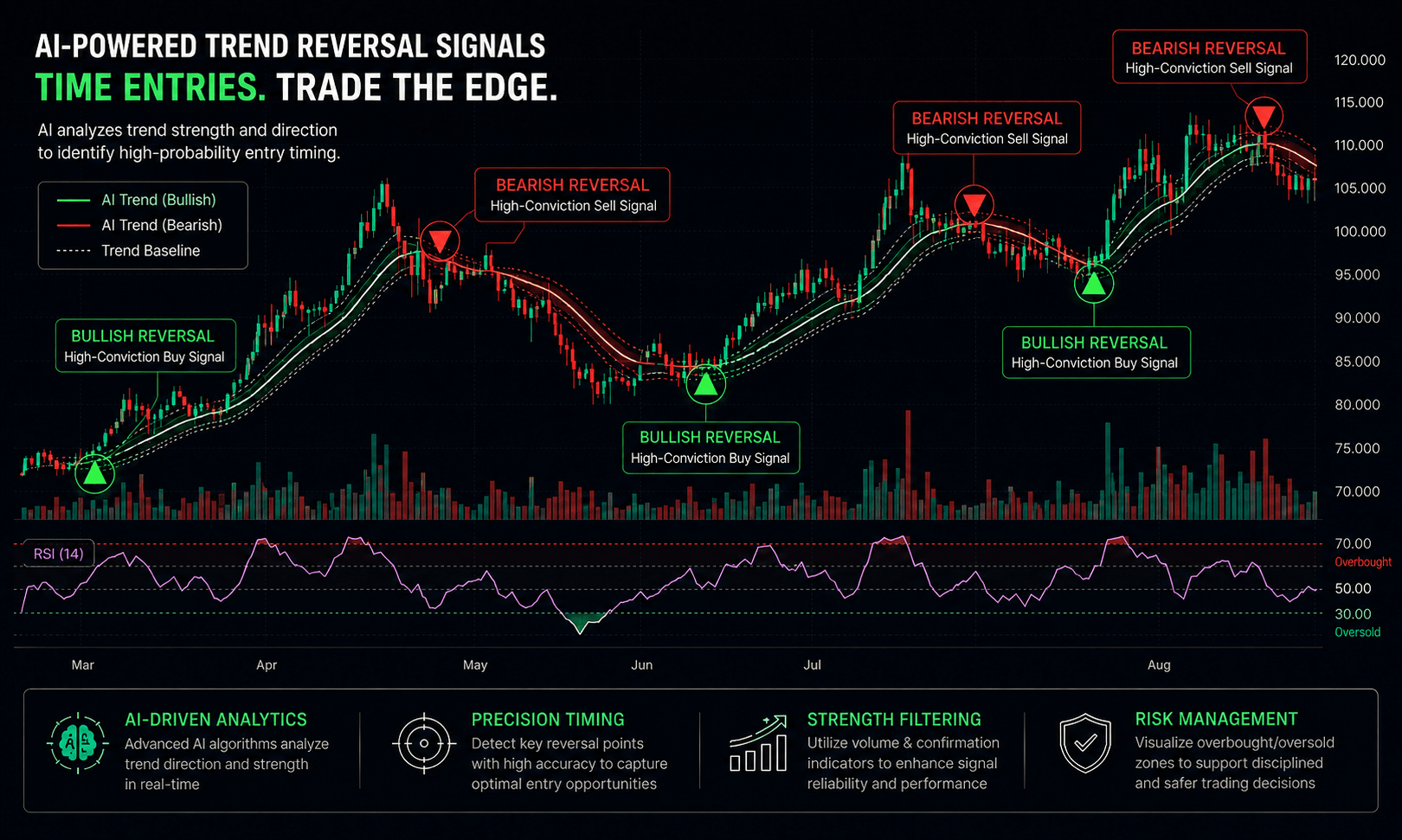
Bull Wave / Bear Wave Forecast Model
Engineered to help you read market direction and momentum faster than the crowd.
- Instantly separate bullish momentum from bearish pressure
- Pinpoint high-probability entry zones with confidence
- Chart signals clear enough for beginners, sharp enough for pros
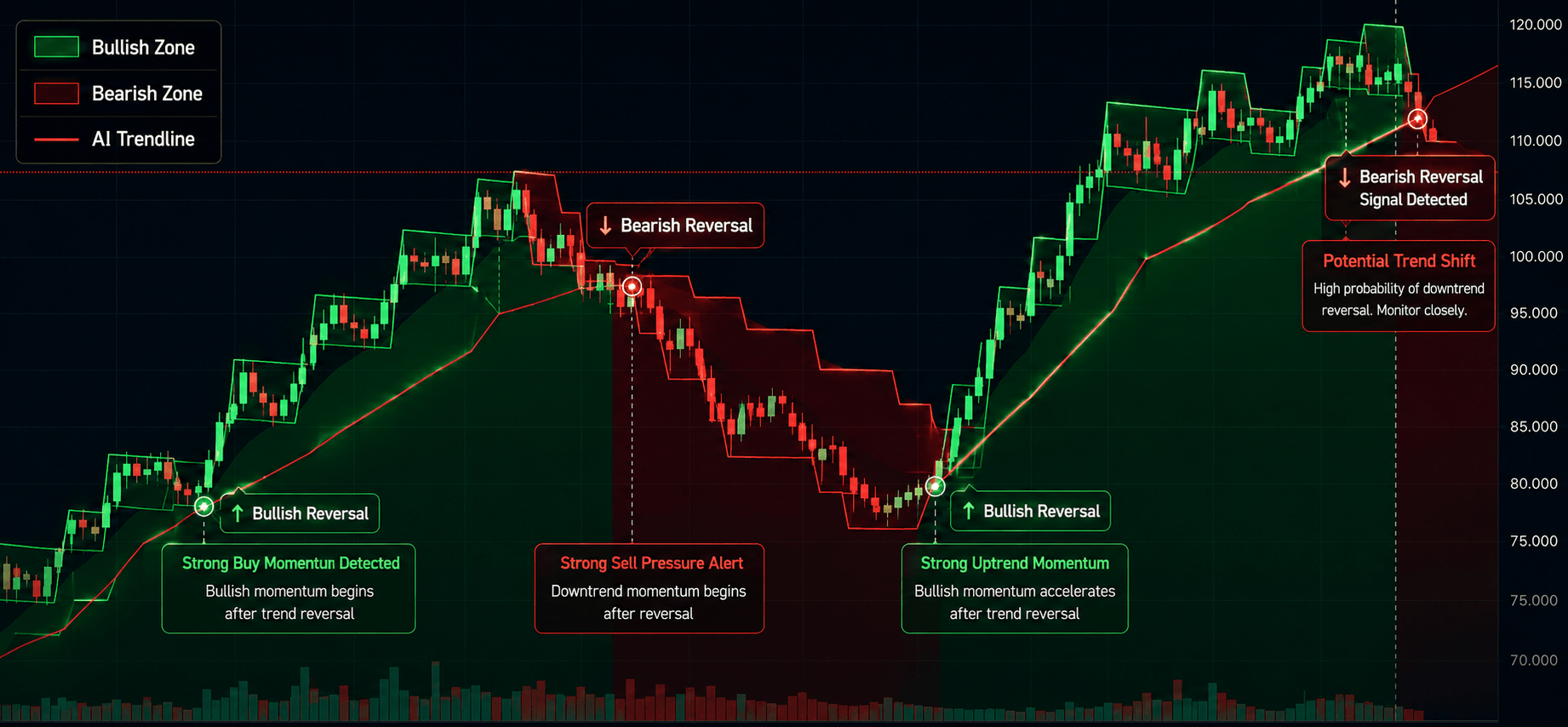
Winning Pattern Detection
Instantly surfaces the high-probability setups that repeat across the charts — a trusted edge for timing your entries and exits.
- Spot momentum building in real time
- Catch trend-reversal points before they break
- Built for active traders who need results, not theory

AI Live Economic Dashboard
AI analyzes real-time market data — turning complex, global investment flows into clear insight in seconds.
- Track global stock markets in real time
- See exactly which assets are strong — and which are fading
- Watch how geopolitical events move the markets
About the Author