What Is Monte Carlo Simulation
Monte Carlo simulation is a computational technique that models the probability of different outcomes by running a large number of randomized trials, each drawing returns from a specified statistical distribution. In investing, it’s used to generate thousands of hypothetical future market paths rather than relying on a single average-return projection.
Named after the famous casino district due to its reliance on randomness, the technique was originally developed for physics and engineering problems before becoming a staple of quantitative finance and financial planning.
How It’s Applied in Investment Planning
Retirement withdrawal analysis
Financial planners commonly use Monte Carlo simulation to estimate the probability that a retiree’s portfolio will last through a specified withdrawal period, by simulating thousands of different sequences of market returns rather than assuming a single constant growth rate.
Risk management and option pricing
Beyond financial planning, Monte Carlo methods are used to price complex derivatives with path-dependent payoffs and to estimate portfolio risk measures like Value at Risk, where closed-form mathematical solutions are difficult or impossible to derive.

Key Limitations to Understand
Monte Carlo results are only as good as the assumptions fed into the model — the expected return, volatility, and correlation assumptions used to generate random scenarios. If these inputs are miscalibrated or fail to capture real-world tail risks and correlation breakdowns during crises, the simulation’s probability estimates can be misleading.
Monte Carlo Simulation vs. Single-Point Projection
| Aspect | Single-Point Projection | Monte Carlo Simulation |
|---|---|---|
| Output | One deterministic outcome | A probability distribution of outcomes |
| Sequence-of-returns risk | Not captured | Explicitly modeled |
| Complexity | Simple to calculate | Requires computational tools |
Frequently Asked Questions
Why is Monte Carlo simulation better than assuming a fixed average return?
Assuming a fixed average return ignores the order in which good and bad years occur (sequence-of-returns risk), which can dramatically affect outcomes, especially for retirees taking regular withdrawals — Monte Carlo captures this variability.
What does a ‘90% success rate’ from a Monte Carlo retirement analysis mean?
It means that in 90% of the thousands of simulated market return sequences, the portfolio did not run out of money before the end of the specified time horizon, based on the assumed spending pattern and asset allocation.
Can Monte Carlo simulation predict a specific future market outcome?
No. It doesn’t predict what will actually happen, but rather shows the range and likelihood of different outcomes based on statistical assumptions, helping investors understand risk rather than forecast certainty.
How many simulation trials are typically run?
Financial planning tools commonly run anywhere from 1,000 to 10,000 or more randomized trials to generate a statistically meaningful distribution of outcomes.
Key Takeaways
Monte Carlo simulation models investment uncertainty by running thousands of randomized return scenarios to generate a probability distribution of outcomes, rather than a single deterministic forecast. It’s widely used in retirement planning and risk management, but its usefulness depends heavily on the quality of the underlying assumptions. This article is for informational purposes only and does not constitute investment advice.

QuantPro: AI Finds the Trade Before You Do
From AI-powered chart analysis to real-time market intelligence — everything a serious investor needs, in one platform.
- Automated AI chart analysis with precision trend timing
- Bull Radar: real-time visualization of geopolitical & economic shifts
- Live market-moving news and insights, curated for you
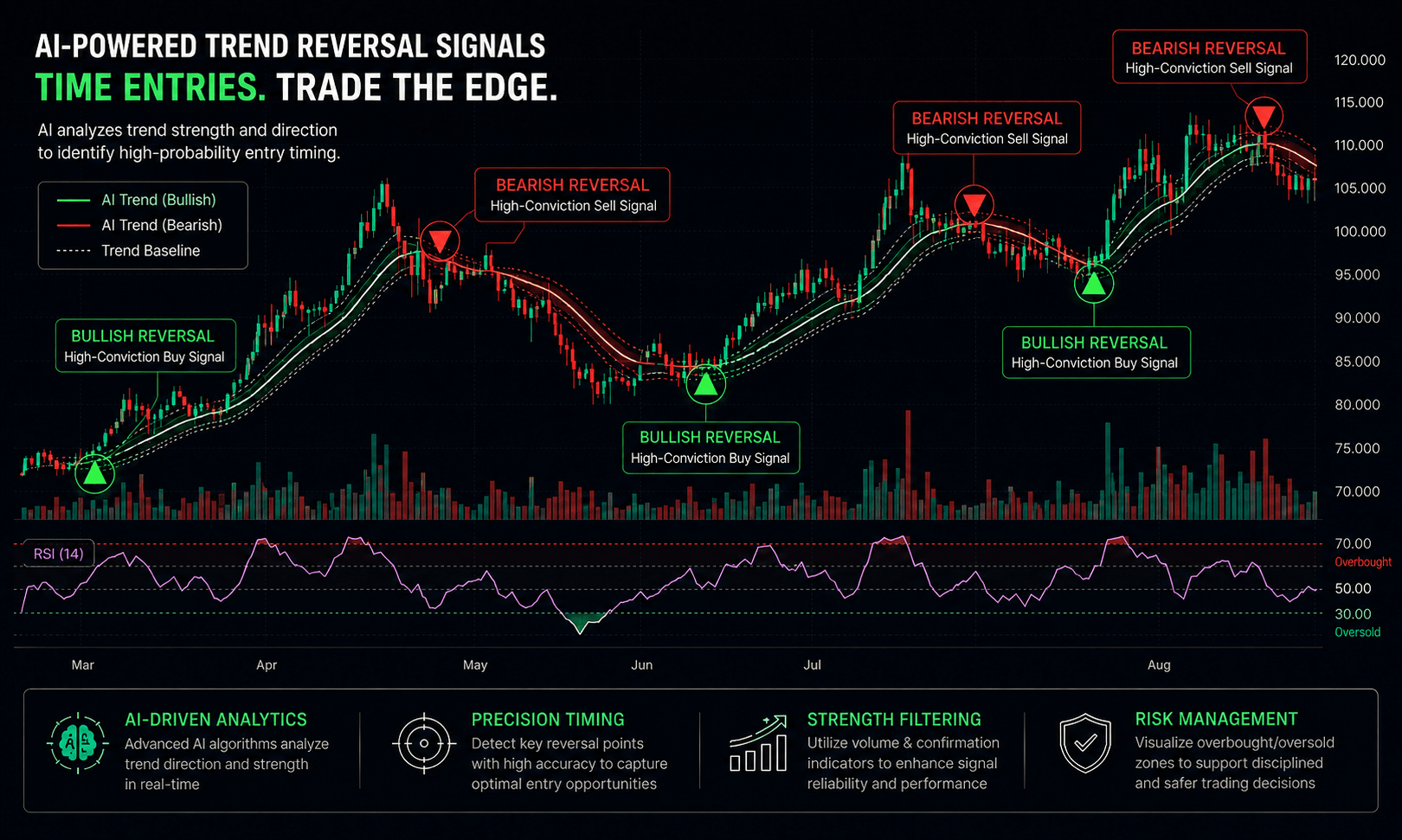
Bull Wave / Bear Wave Forecast Model
Engineered to help you read market direction and momentum faster than the crowd.
- Instantly separate bullish momentum from bearish pressure
- Pinpoint high-probability entry zones with confidence
- Chart signals clear enough for beginners, sharp enough for pros
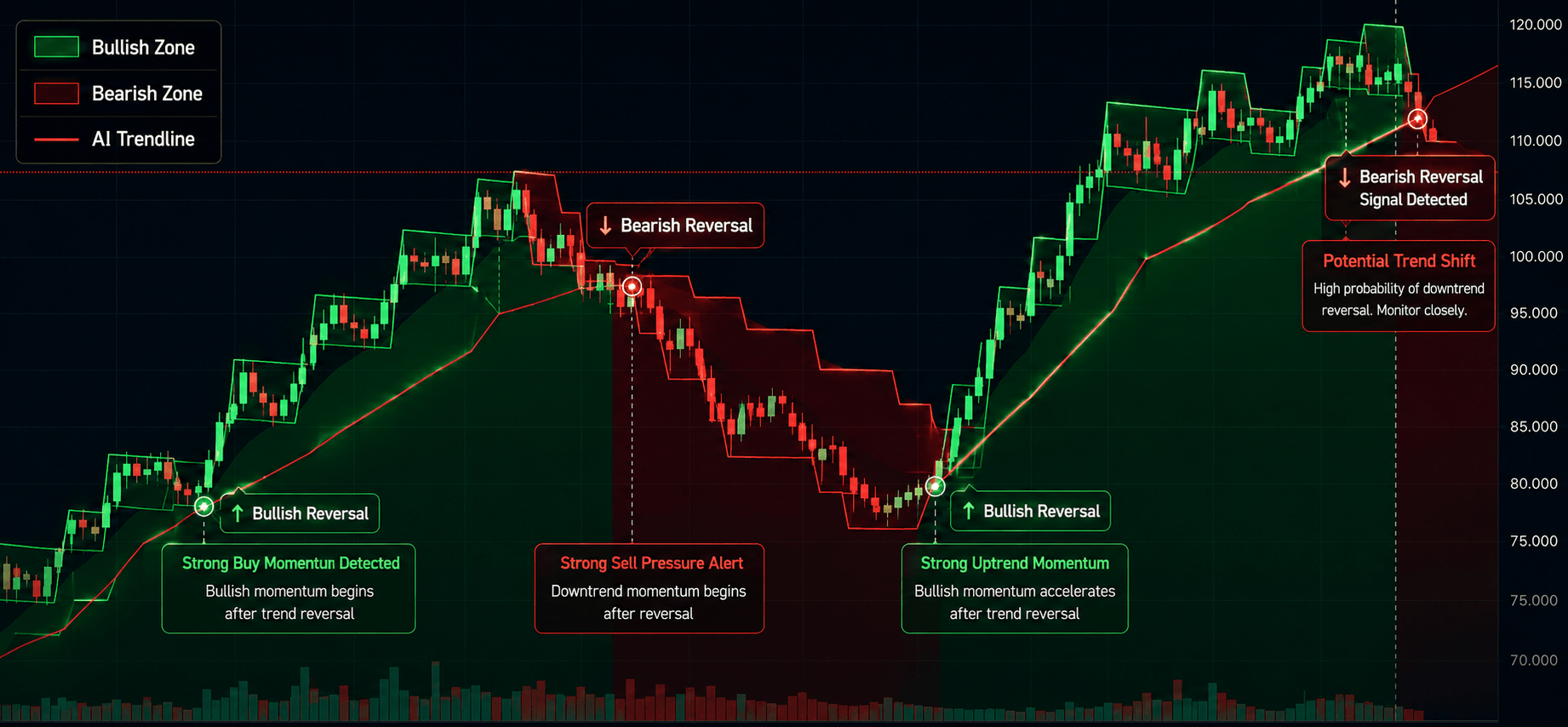
Winning Pattern Detection
Instantly surfaces the high-probability setups that repeat across the charts — a trusted edge for timing your entries and exits.
- Spot momentum building in real time
- Catch trend-reversal points before they break
- Built for active traders who need results, not theory

AI Live Economic Dashboard
AI analyzes real-time market data — turning complex, global investment flows into clear insight in seconds.
- Track global stock markets in real time
- See exactly which assets are strong — and which are fading
- Watch how geopolitical events move the markets
About the Author