What Is a Floating Rate Note?
A Floating Rate Note (FRN) is a bond whose coupon is not fixed for life but instead resets periodically based on a reference rate, such as SOFR or a bank’s prime rate, plus a fixed spread. Coupons typically reset every three or six months, so the interest income moves with prevailing market rates rather than staying locked in at issuance.
How an FRN Differs From a Fixed-Rate Bond
How the Coupon Is Set
A fixed-rate bond locks in its coupon at issuance and pays that same rate until maturity. An FRN’s coupon, by contrast, is recalculated at every reset date using the current reference rate, so holders automatically receive more income when rates rise and less when rates fall.
Duration and Price Sensitivity
Because the coupon resets frequently, an FRN’s effective duration is close to the time remaining until the next reset date, which is usually very short. This means FRN prices barely move even when market interest rates jump, in sharp contrast to long-duration fixed-rate bonds, which can fall sharply in value.
Where FRNs Fit in a Portfolio
FRNs are often used as a defensive holding when investors expect interest rates to keep climbing, since price volatility is minimal. The trade-off is that if rates fall, the income from an FRN declines in step, making it less attractive than a fixed-rate bond in a falling-rate environment.

| Feature | Floating Rate Note | Fixed-Rate Bond |
|---|---|---|
| Coupon | Reference rate + spread, resets periodically | Fixed at issuance, unchanged to maturity |
| Price in rising rates | Relatively stable | Falls significantly |
| Income in falling rates | Declines | Stays the same |
| Duration | Very short (resets frequently) | Rises with maturity |
| Best suited for | Rising-rate environments, capital preservation | Falling-rate expectations, locked-in income |
Frequently Asked Questions
Why does an FRN’s credit spread stay fixed while the base rate resets?
The spread reflects the issuer’s credit risk at the time of issuance and is set as a contractual term for the life of the bond. Only the reference-rate component is recalculated at each reset; the spread itself typically does not change.
Are FRNs ever attractive when rates are falling?
Their income advantage shrinks in a falling-rate environment, since the coupon resets downward along with the reference rate. Investors still sometimes hold them for short-term liquidity management or when the direction of rates is highly uncertain.
How is an FRN different from a rate-linked savings account?
Both track a reference rate, but an FRN is a bond exposed to the issuer’s credit risk, while a savings account may carry deposit insurance or other protections, so the underlying risk profile is different.
How can an individual investor buy FRNs?
FRNs are commonly issued by banks and corporations and can be purchased over the counter through a brokerage, and some bond funds or ETFs hold floating-rate securities as part of a diversified portfolio.
Key Takeaways
A Floating Rate Note resets its coupon with a reference rate, which makes it far more resilient to rising interest rates than a fixed-rate bond, at the cost of lower income when rates fall. Before investing, it is worth weighing the outlook for interest rates alongside the issuer’s credit quality. This article is for informational purposes only and does not constitute investment advice.

QuantPro: AI Finds the Trade Before You Do
From AI-powered chart analysis to real-time market intelligence — everything a serious investor needs, in one platform.
- Automated AI chart analysis with precision trend timing
- Bull Radar: real-time visualization of geopolitical & economic shifts
- Live market-moving news and insights, curated for you
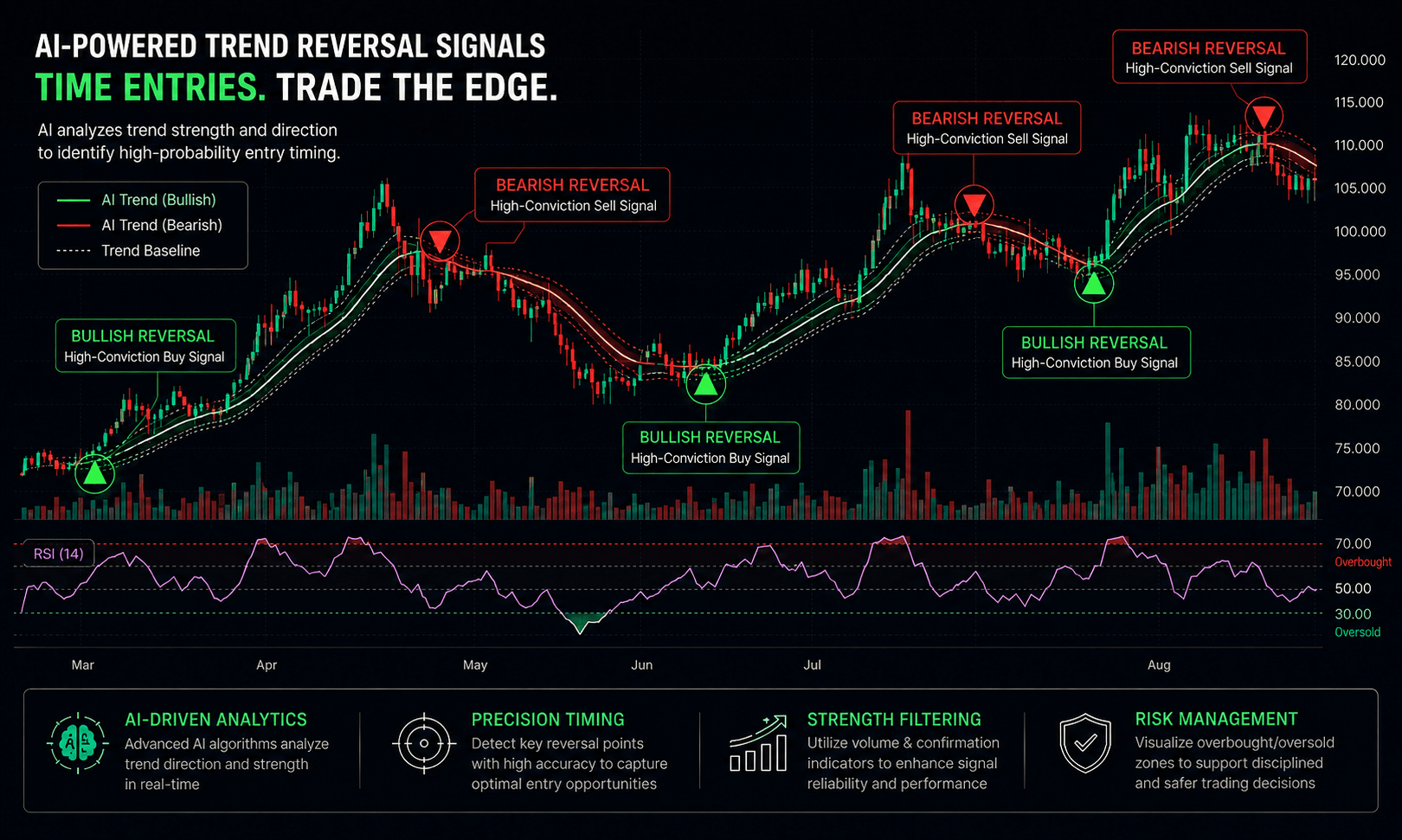
Bull Wave / Bear Wave Forecast Model
Engineered to help you read market direction and momentum faster than the crowd.
- Instantly separate bullish momentum from bearish pressure
- Pinpoint high-probability entry zones with confidence
- Chart signals clear enough for beginners, sharp enough for pros
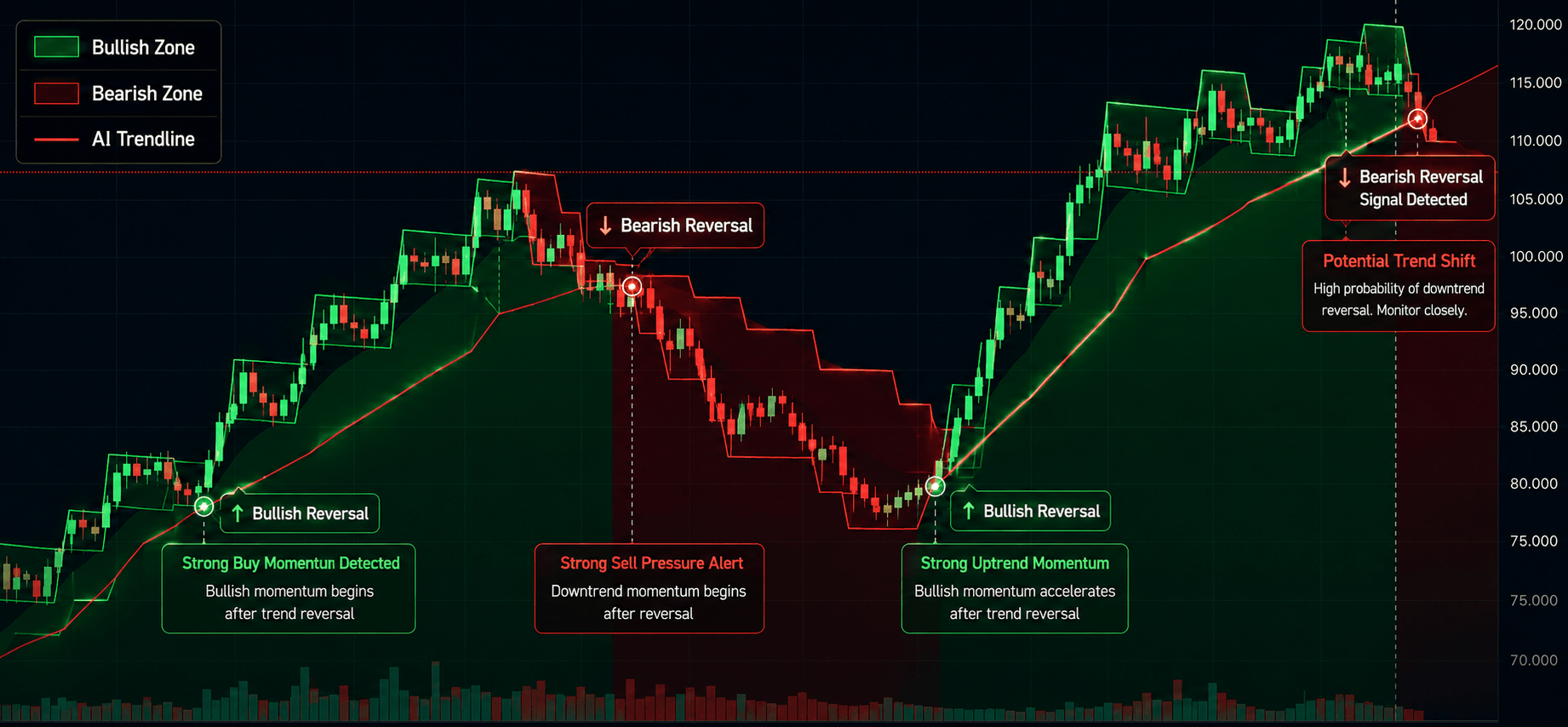
Winning Pattern Detection
Instantly surfaces the high-probability setups that repeat across the charts — a trusted edge for timing your entries and exits.
- Spot momentum building in real time
- Catch trend-reversal points before they break
- Built for active traders who need results, not theory

AI Live Economic Dashboard
AI analyzes real-time market data — turning complex, global investment flows into clear insight in seconds.
- Track global stock markets in real time
- See exactly which assets are strong — and which are fading
- Watch how geopolitical events move the markets
About the Author