What Is a PIPE Deal
A PIPE (Private Investment in Public Equity) deal is a transaction in which a publicly traded company sells shares — or securities convertible into shares, such as convertible preferred stock or convertible notes — directly to a select group of private investors, rather than through a public offering registered with regulators in advance.
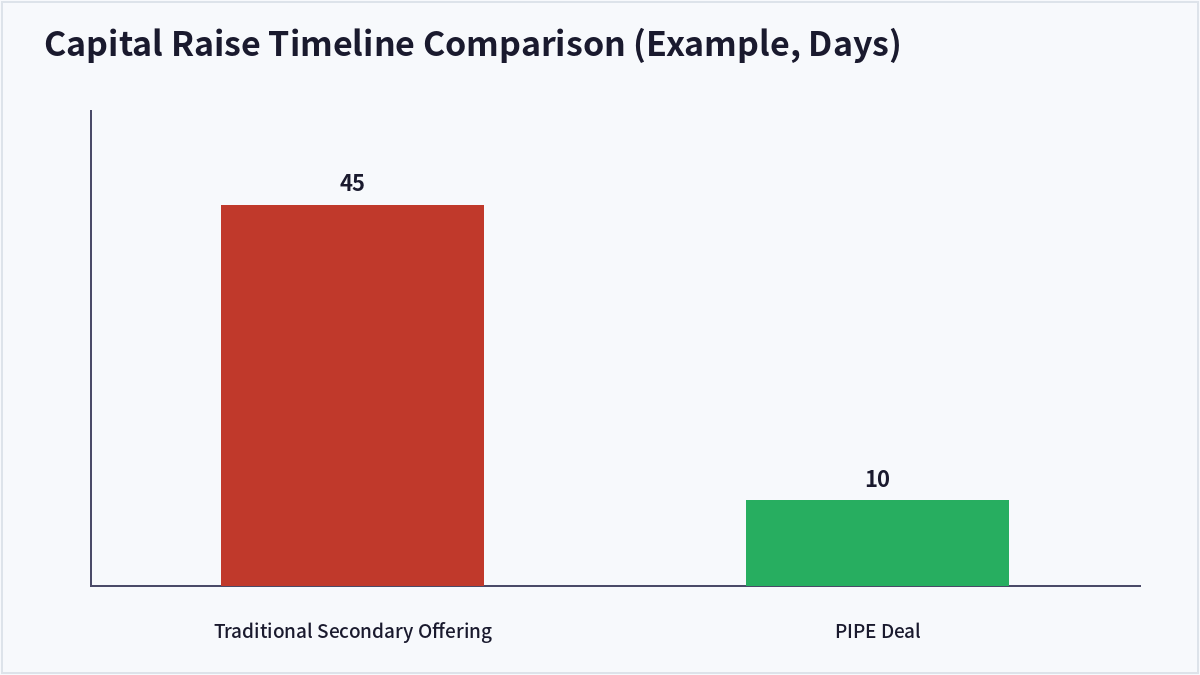
Because the securities are sold in a private placement, PIPE deals can be negotiated and closed much faster than a traditional follow-on public offering, which requires a lengthier SEC registration and review process.
Why Companies Use PIPE Deals
Speed and certainty of execution
Companies facing urgent capital needs — to fund an acquisition, shore up a balance sheet, or bridge a liquidity gap — often turn to PIPE deals because the negotiated, private nature of the transaction allows for much faster closing than a public offering.
Pricing at a discount
In exchange for committing significant capital and accepting resale restrictions, PIPE investors typically negotiate a purchase price at a discount to the stock’s current market price, which can create dilution and downward pressure on the stock once the deal is announced.
What Existing Shareholders Should Watch For
PIPE announcements often trigger a negative stock reaction due to dilution concerns and the signal that the company may have been unable to access more favorable public financing. Investors should examine the discount size, use of proceeds, and whether the new shares come with additional rights (such as board seats or warrants) that could affect existing shareholders.
PIPE Deal vs. Traditional Secondary Offering
| Aspect | PIPE Deal | Secondary Offering |
|---|---|---|
| Buyer base | Select private investors | Broad public market |
| Speed | Days to a couple of weeks | Several weeks or more |
| Pricing | Often at a discount | Typically closer to market price |
Frequently Asked Questions
Who typically invests in PIPE deals?
Institutional investors such as hedge funds, private equity firms, and specialized PIPE investors are the most common participants, given the large capital commitments and negotiated terms involved.
Does a PIPE deal always dilute existing shareholders?
Issuing new shares or convertible securities does dilute existing shareholders’ ownership percentage, though the impact on share price depends on how the capital raised is used and market reaction to the deal terms.
Can PIPE investors resell their shares immediately?
Typically not immediately — PIPE shares are usually restricted securities that require a resale registration statement to be filed and declared effective before the investors can freely trade them.
Is a PIPE deal a sign of financial distress?
Not always. While companies in urgent need of cash do use PIPE deals, healthy companies also use them opportunistically to fund acquisitions or growth quickly without the lead time of a public offering.
Key Takeaways
A PIPE deal allows a public company to raise capital quickly by selling shares or convertible securities directly to private investors, typically at a discount to the market price. While it offers speed and execution certainty, it often comes with dilution concerns that existing shareholders should evaluate carefully. This article is for informational purposes only and does not constitute investment advice.

QuantPro: AI Finds the Trade Before You Do
From AI-powered chart analysis to real-time market intelligence — everything a serious investor needs, in one platform.
- Automated AI chart analysis with precision trend timing
- Bull Radar: real-time visualization of geopolitical & economic shifts
- Live market-moving news and insights, curated for you
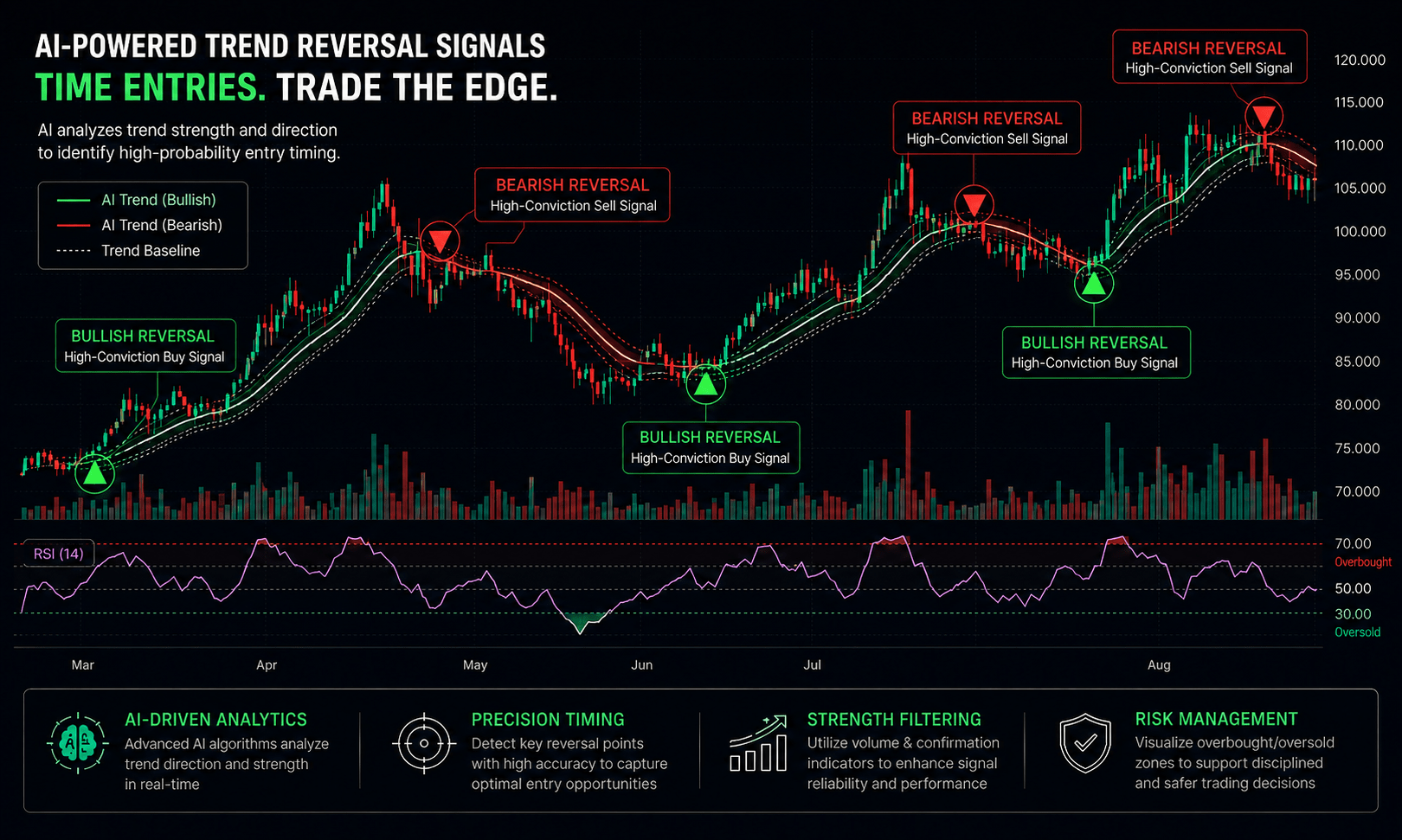
Bull Wave / Bear Wave Forecast Model
Engineered to help you read market direction and momentum faster than the crowd.
- Instantly separate bullish momentum from bearish pressure
- Pinpoint high-probability entry zones with confidence
- Chart signals clear enough for beginners, sharp enough for pros
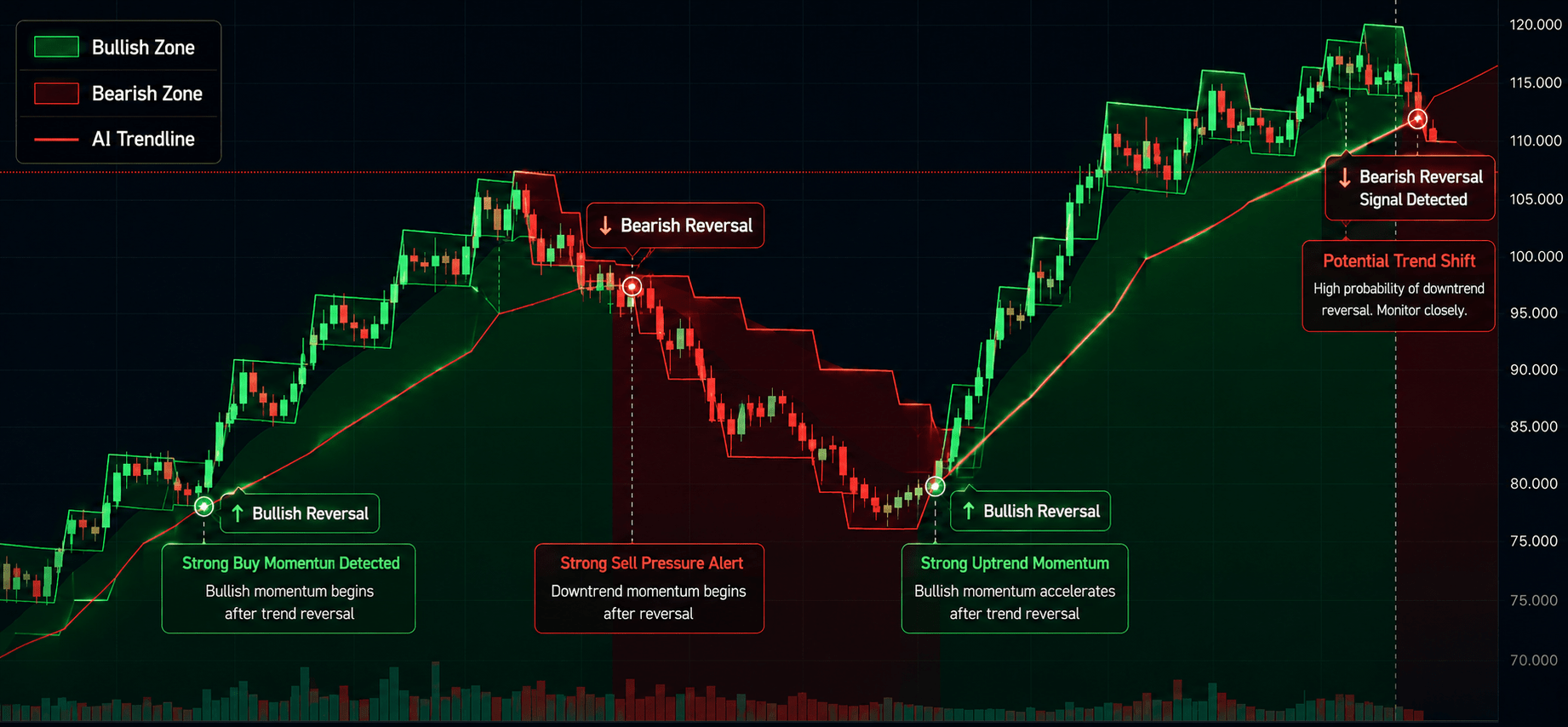
Winning Pattern Detection
Instantly surfaces the high-probability setups that repeat across the charts — a trusted edge for timing your entries and exits.
- Spot momentum building in real time
- Catch trend-reversal points before they break
- Built for active traders who need results, not theory

AI Live Economic Dashboard
AI analyzes real-time market data — turning complex, global investment flows into clear insight in seconds.
- Track global stock markets in real time
- See exactly which assets are strong — and which are fading
- Watch how geopolitical events move the markets
About the Author