What Is SOFR
SOFR (Secured Overnight Financing Rate) is a benchmark interest rate that reflects the cost of borrowing cash overnight, collateralized by U.S. Treasury securities in the repurchase agreement (repo) market. It is published daily by the Federal Reserve Bank of New York.
Unlike its predecessor LIBOR, which was based on estimates submitted by a panel of banks about what rate they believed they could borrow at, SOFR is calculated directly from a large volume of actual, observable transactions in the repo market.
Why SOFR Replaced LIBOR
LIBOR’s manipulation scandal
LIBOR came under intense scrutiny after revelations that panel banks had colluded to manipulate their submissions for profit, undermining trust in a rate that underpinned hundreds of trillions of dollars in financial contracts worldwide.
A transaction-based alternative
Regulators pushed for a replacement anchored in real transaction data rather than subjective estimates, and SOFR — backed by the enormous and liquid Treasury repo market — was selected as the primary U.S. dollar alternative, with the transition largely completed by mid-2023.

Key Structural Differences Investors Should Know
Because SOFR is a secured, overnight rate with no embedded credit risk premium, it typically runs lower than LIBOR did, which historically included a bank credit-risk component. Financial contracts transitioning from LIBOR to SOFR often include a fixed spread adjustment to compensate for this structural difference.
LIBOR vs. SOFR
| Aspect | LIBOR | SOFR |
|---|---|---|
| Basis | Bank-submitted estimates | Actual overnight repo transactions |
| Collateral | Unsecured interbank lending | Secured by U.S. Treasuries |
| Manipulation risk | High (proven scandal) | Low (large transaction volume) |
Frequently Asked Questions
Is SOFR only an overnight rate, or are there term versions?
SOFR is fundamentally an overnight rate, but term SOFR rates (1-month, 3-month, etc.) have since been developed by compounding or averaging overnight SOFR to serve contracts that need a forward-looking term rate.
Why is SOFR generally lower than LIBOR was?
SOFR is a secured rate backed by Treasury collateral and carries no bank credit-risk premium, while LIBOR included an implicit credit spread reflecting interbank lending risk, which tended to push LIBOR higher.
Does SOFR affect adjustable-rate mortgages and loans?
Yes. Many adjustable-rate mortgages, corporate loans, and floating-rate bonds that were once indexed to LIBOR have transitioned to SOFR-based indices, often with a spread adjustment built in.
Who publishes SOFR and how often?
The Federal Reserve Bank of New York publishes SOFR every business day based on the prior day’s Treasury repo transaction data.
Key Takeaways
SOFR is a transaction-based overnight interest rate secured by U.S. Treasuries that replaced LIBOR as the dominant U.S. dollar benchmark after LIBOR’s manipulation scandal exposed the weakness of estimate-based rates. Its structural differences from LIBOR, including the absence of a credit-risk premium, are important for anyone holding SOFR-linked loans or securities. This article is for informational purposes only and does not constitute investment advice.

QuantPro: AI Finds the Trade Before You Do
From AI-powered chart analysis to real-time market intelligence — everything a serious investor needs, in one platform.
- Automated AI chart analysis with precision trend timing
- Bull Radar: real-time visualization of geopolitical & economic shifts
- Live market-moving news and insights, curated for you
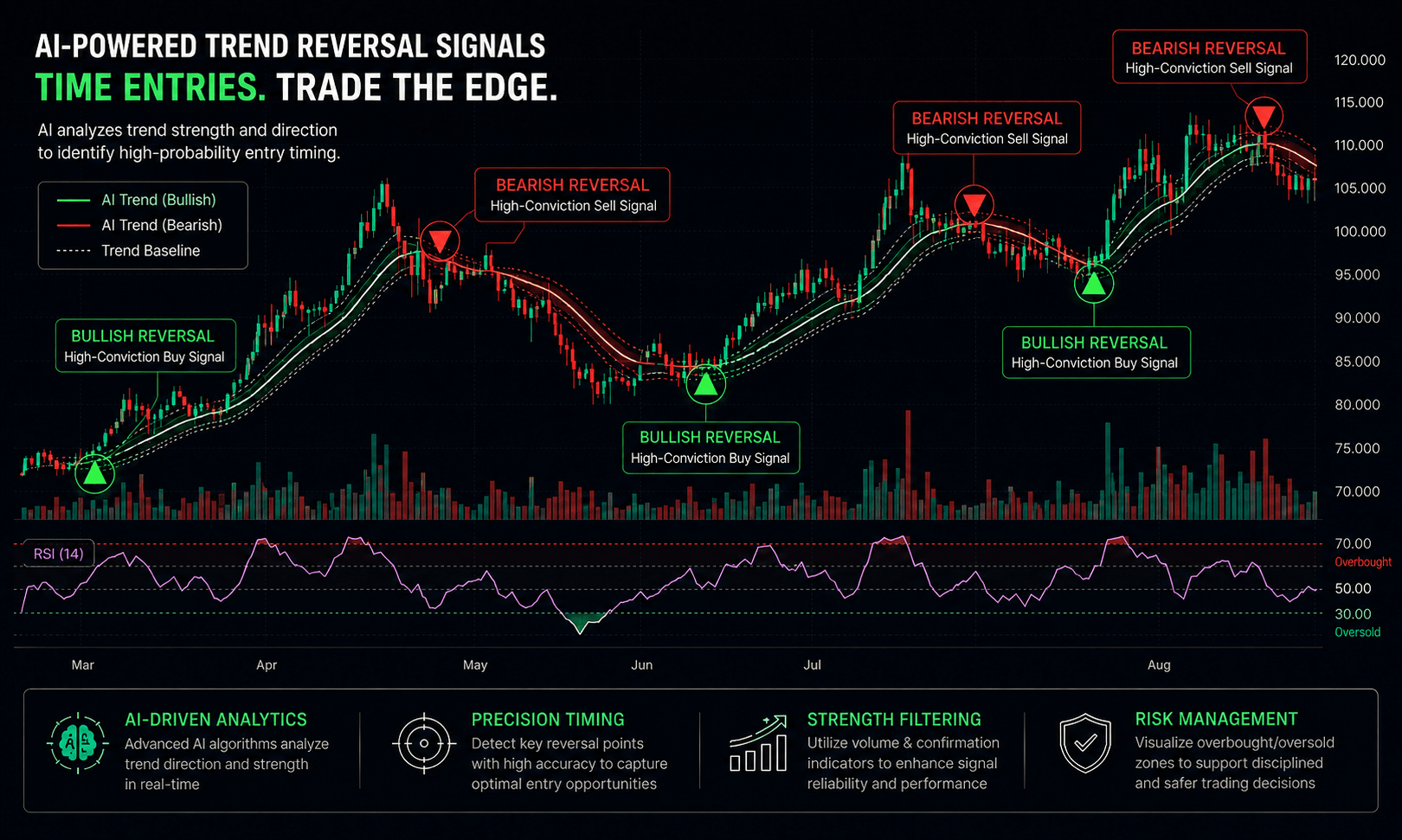
Bull Wave / Bear Wave Forecast Model
Engineered to help you read market direction and momentum faster than the crowd.
- Instantly separate bullish momentum from bearish pressure
- Pinpoint high-probability entry zones with confidence
- Chart signals clear enough for beginners, sharp enough for pros
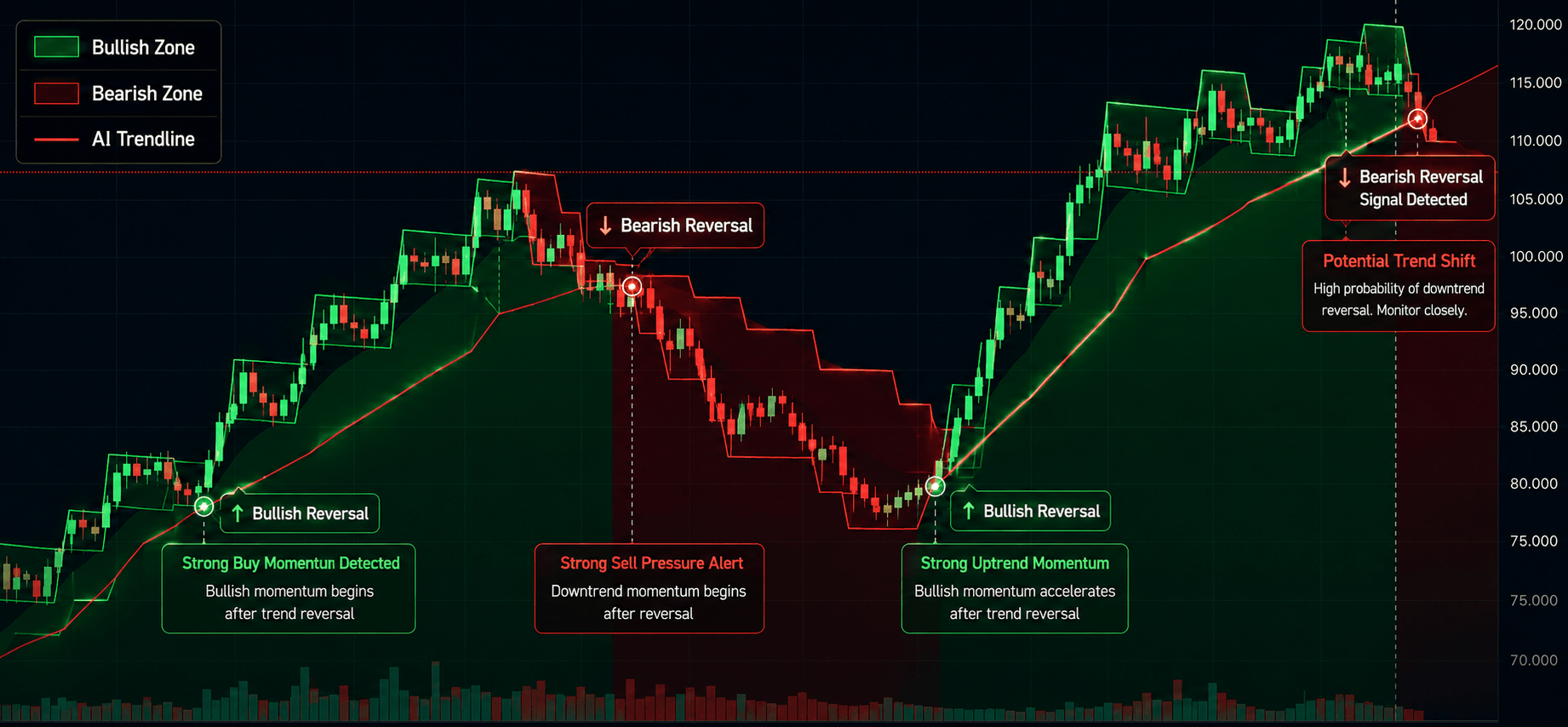
Winning Pattern Detection
Instantly surfaces the high-probability setups that repeat across the charts — a trusted edge for timing your entries and exits.
- Spot momentum building in real time
- Catch trend-reversal points before they break
- Built for active traders who need results, not theory
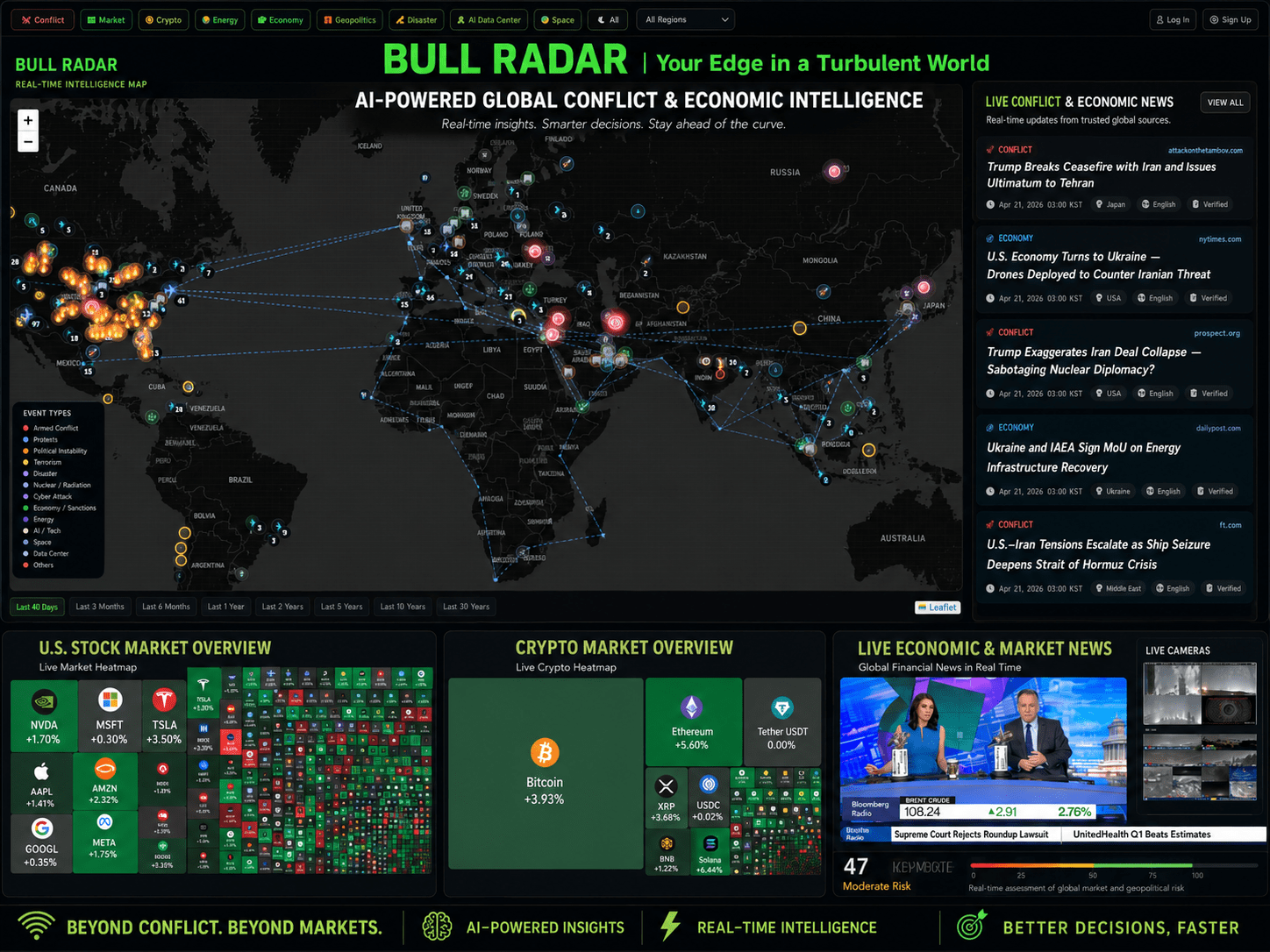
AI Live Economic Dashboard
AI analyzes real-time market data — turning complex, global investment flows into clear insight in seconds.
- Track global stock markets in real time
- See exactly which assets are strong — and which are fading
- Watch how geopolitical events move the markets
About the Author