What a Repo Market Is
A repurchase agreement, or repo, is a transaction in which one institution sells a bond — usually a Treasury security — to another with an agreement to buy it back the next day (or after a short, fixed term) at a slightly higher price. Economically, it functions as a short-term, collateralized loan: the cash borrower hands over bonds as security, and the cash lender earns interest through the small difference between the sale price and the repurchase price.
How Repo Rates Compare to Unsecured Funding
The federal funds market, where banks lend reserves to each other without collateral, is the classic unsecured overnight market. Because repo lenders hold Treasury collateral against their loan, they take on materially less credit risk than an unsecured lender, so repo rates generally trade at or slightly below unsecured overnight rates. The gap widens or narrows depending on how much high-quality collateral is available in the system.

Why the Repo Market Matters for the Whole Financial System
Banks, broker-dealers, and asset managers use the repo market every single day to manage the mismatch between assets they hold and cash they need. Central banks also use repo operations as a primary tool of monetary policy implementation, injecting or draining liquidity to keep short-term rates near their target. Because so much of the financial system depends on this market functioning smoothly, a repo market seizure — as seen in September 2019, when overnight repo rates briefly spiked toward 10% — can ripple quickly through broader funding markets.
What a ‘Haircut’ Means in a Repo Trade
Repo lenders typically lend less cash than the market value of the collateral they receive, a buffer known as a haircut. A 2% haircut on $100 million of Treasury collateral means the cash lender advances only $98 million, protecting against a drop in collateral value before the trade unwinds.
| Feature | Repo Market | Unsecured Overnight Market |
|---|---|---|
| Collateral | Treasuries or other high-grade bonds | None |
| Typical rate level | At or slightly below policy rate | At or slightly above repo rate |
| Key participants | Central banks, banks, dealers, asset managers | Banks (fed funds market) |
| Central bank use | Primary tool for liquidity operations | Reference rate for policy target |
Frequently Asked Questions
What is a reverse repo?
It’s the same transaction described from the other side. The party buying the bond and lending cash calls it a ‘reverse repo,’ while the party selling the bond and borrowing cash calls it a ‘repo’ — the trade itself is identical.
Can individual investors access the repo market?
Not directly in most cases, but many brokerage cash-sweep and CMA-style accounts invest idle cash into repo-backed instruments, effectively passing repo market returns through to retail investors in a packaged form.
What typically causes repo rates to spike?
A sudden shortage of cash relative to the collateral seeking funding — often driven by large Treasury settlements, tax payment dates, or reduced dealer balance sheet capacity — can push repo rates sharply higher, as happened in September 2019.
How is repo different from a regular collateralized loan?
Structurally a repo is a sale-and-repurchase of a security rather than a pledge of collateral against a loan, but economically the two accomplish a very similar result. The repo structure gives the cash lender direct legal ownership of the collateral during the trade, which simplifies enforcement if the borrower defaults.
Key Takeaways
The repo market lets institutions borrow cash overnight against high-quality bond collateral, typically at rates slightly below unsecured funding costs. It functions as the financial system’s plumbing and as a key channel for central bank liquidity operations, and its occasional stress episodes are closely watched as early warning signs of broader funding market strain. This article is for informational purposes only and does not constitute investment advice.

QuantPro: AI Finds the Trade Before You Do
From AI-powered chart analysis to real-time market intelligence — everything a serious investor needs, in one platform.
- Automated AI chart analysis with precision trend timing
- Bull Radar: real-time visualization of geopolitical & economic shifts
- Live market-moving news and insights, curated for you
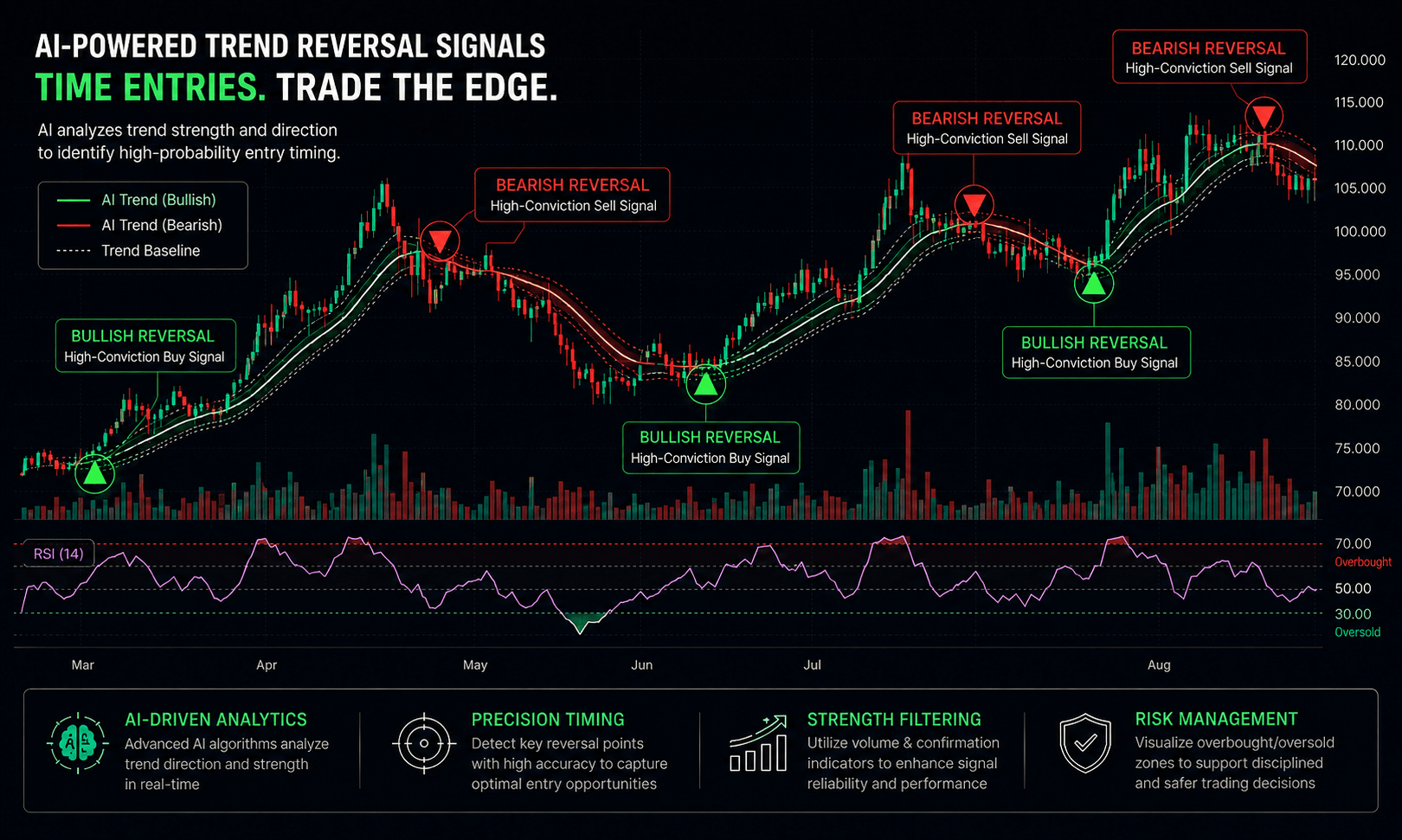
Bull Wave / Bear Wave Forecast Model
Engineered to help you read market direction and momentum faster than the crowd.
- Instantly separate bullish momentum from bearish pressure
- Pinpoint high-probability entry zones with confidence
- Chart signals clear enough for beginners, sharp enough for pros
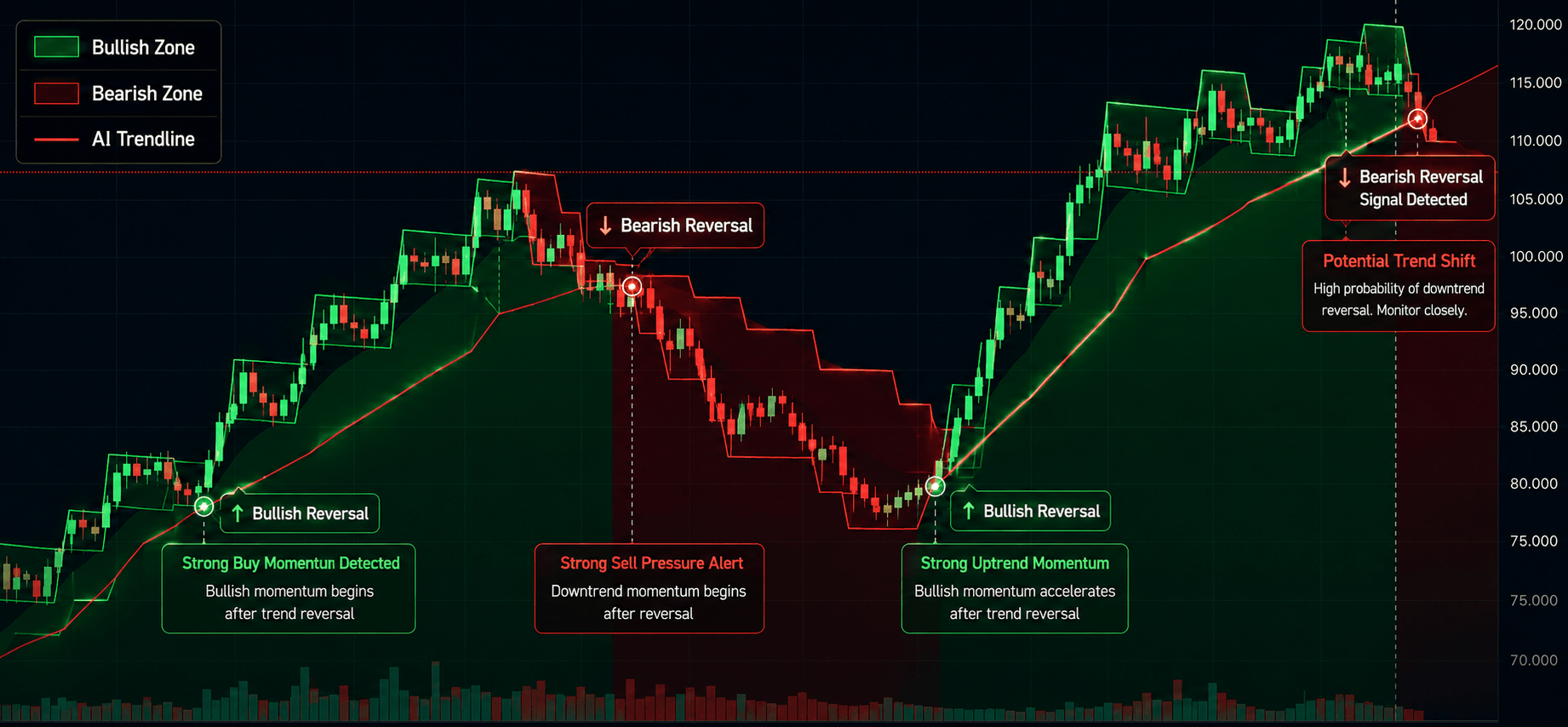
Winning Pattern Detection
Instantly surfaces the high-probability setups that repeat across the charts — a trusted edge for timing your entries and exits.
- Spot momentum building in real time
- Catch trend-reversal points before they break
- Built for active traders who need results, not theory

AI Live Economic Dashboard
AI analyzes real-time market data — turning complex, global investment flows into clear insight in seconds.
- Track global stock markets in real time
- See exactly which assets are strong — and which are fading
- Watch how geopolitical events move the markets
About the Author