What NAV Premium and Discount Mean
An ETF’s net asset value (NAV) is the per-share value of the fund’s actual underlying holdings, calculated once at the end of each trading day (and estimated continuously intraday as ‘indicative NAV’). The ETF’s market price, meanwhile, is whatever price buyers and sellers agree on in the open market. When the market price trades above NAV, the ETF is said to trade at a premium; when it trades below, it’s at a discount.
Why the Gap Usually Stays Small
ETFs have a built-in mechanism that keeps market price and NAV tightly linked: authorized participants (APs) can create new ETF shares by delivering a basket of the underlying securities to the fund, or redeem ETF shares for the underlying basket. If the ETF trades at a premium, APs can profit by buying the cheaper underlying basket, creating new ETF shares, and selling them at the higher market price — and that selling pressure pushes the price back toward NAV. The reverse arbitrage works when the ETF trades at a discount.

When Premiums and Discounts Widen
The arbitrage mechanism depends on APs being able to trade the underlying basket easily and cheaply. For ETFs holding illiquid or hard-to-access assets — international stocks trading in a closed market, thinly traded bonds, or commodities with storage costs — that arbitrage becomes harder or slower to execute, and premiums or discounts can widen and persist for longer than they would in a highly liquid, large-cap equity ETF.
Closed Foreign Markets Are a Common Culprit
An ETF holding, say, Japanese equities will often show a noticeable premium or discount during U.S. trading hours, simply because the Tokyo market is closed and the ETF’s indicative NAV is based on a stale prior-day price while the ETF itself keeps trading and pricing in fresh news.
| Scenario | Effect on Premium/Discount | Typical Cause |
|---|---|---|
| Highly liquid, domestic equity ETF | Very small, tight to NAV | Efficient AP arbitrage |
| ETF holding closed foreign markets | Can show meaningful premium/discount intraday | Stale NAV vs live ETF pricing |
| ETF holding illiquid bonds/loans | Discount can widen, especially in stress | Underlying basket hard to trade quickly |
| High market stress/volatility | Temporary widening even in liquid ETFs | AP capacity strained, wider bid-ask spreads |
Frequently Asked Questions
Is a large premium always a red flag?
Not automatically, but a persistent, large premium can mean you’re overpaying relative to the fund’s actual holdings. It’s worth checking whether the premium reflects a temporary liquidity issue or a structural one, such as capacity limits on creating new shares.
How can I check an ETF’s current premium or discount?
Most ETF issuers and financial data providers publish both the market price and daily NAV, along with the historical premium/discount percentage, directly on the fund’s official product page.
Do premiums and discounts affect an ETF’s long-term returns?
Over long holding periods the effect is usually small, since arbitrage keeps the average gap close to zero. But an investor who buys during a wide premium and sells during a discount (or vice versa) can meaningfully hurt their realized return.
Are premiums and discounts more common in newly launched ETFs?
They can be, particularly for niche or thinly traded new funds where authorized participants haven’t yet built up efficient arbitrage activity, or where average daily trading volume is still very low.
Key Takeaways
An ETF’s market price and its NAV are kept close together by an arbitrage mechanism involving authorized participants, but that mechanism works best when the underlying holdings are liquid and easy to trade. Premiums and discounts tend to widen for ETFs holding illiquid assets or foreign securities trading in closed markets, so it’s worth checking an ETF’s premium/discount history before trading, especially during periods of market stress. This article is for informational purposes only and does not constitute investment advice.

QuantPro: AI Finds the Trade Before You Do
From AI-powered chart analysis to real-time market intelligence — everything a serious investor needs, in one platform.
- Automated AI chart analysis with precision trend timing
- Bull Radar: real-time visualization of geopolitical & economic shifts
- Live market-moving news and insights, curated for you
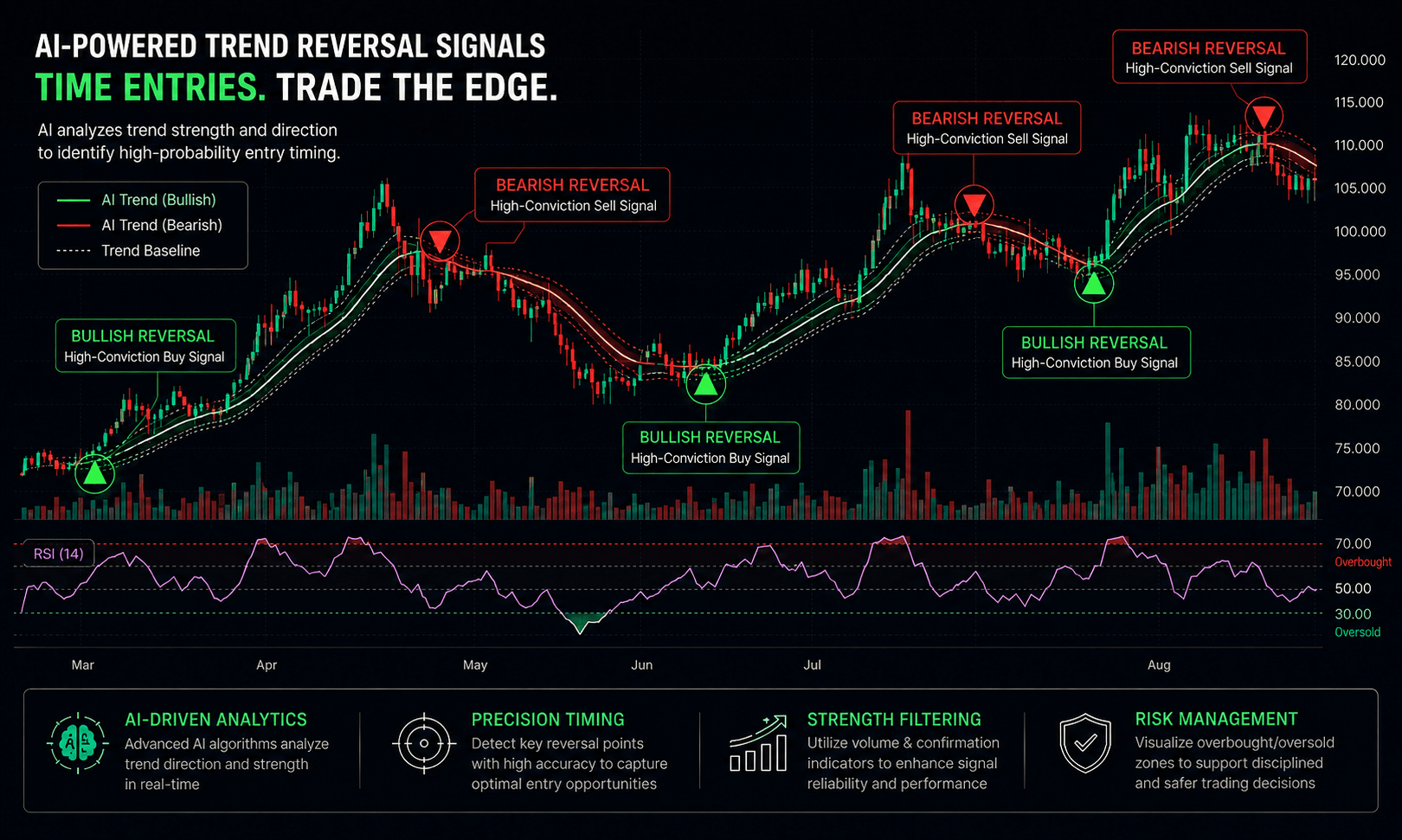
Bull Wave / Bear Wave Forecast Model
Engineered to help you read market direction and momentum faster than the crowd.
- Instantly separate bullish momentum from bearish pressure
- Pinpoint high-probability entry zones with confidence
- Chart signals clear enough for beginners, sharp enough for pros
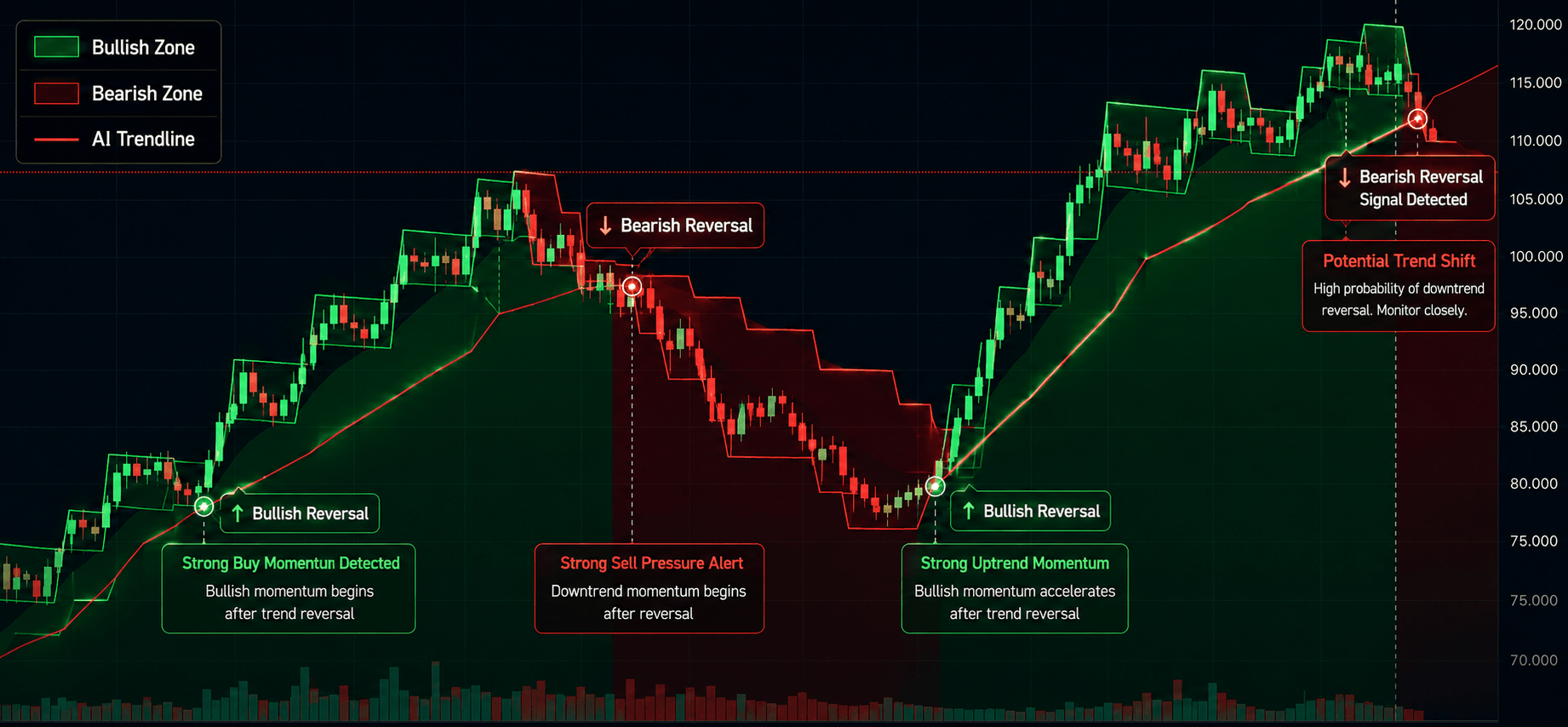
Winning Pattern Detection
Instantly surfaces the high-probability setups that repeat across the charts — a trusted edge for timing your entries and exits.
- Spot momentum building in real time
- Catch trend-reversal points before they break
- Built for active traders who need results, not theory
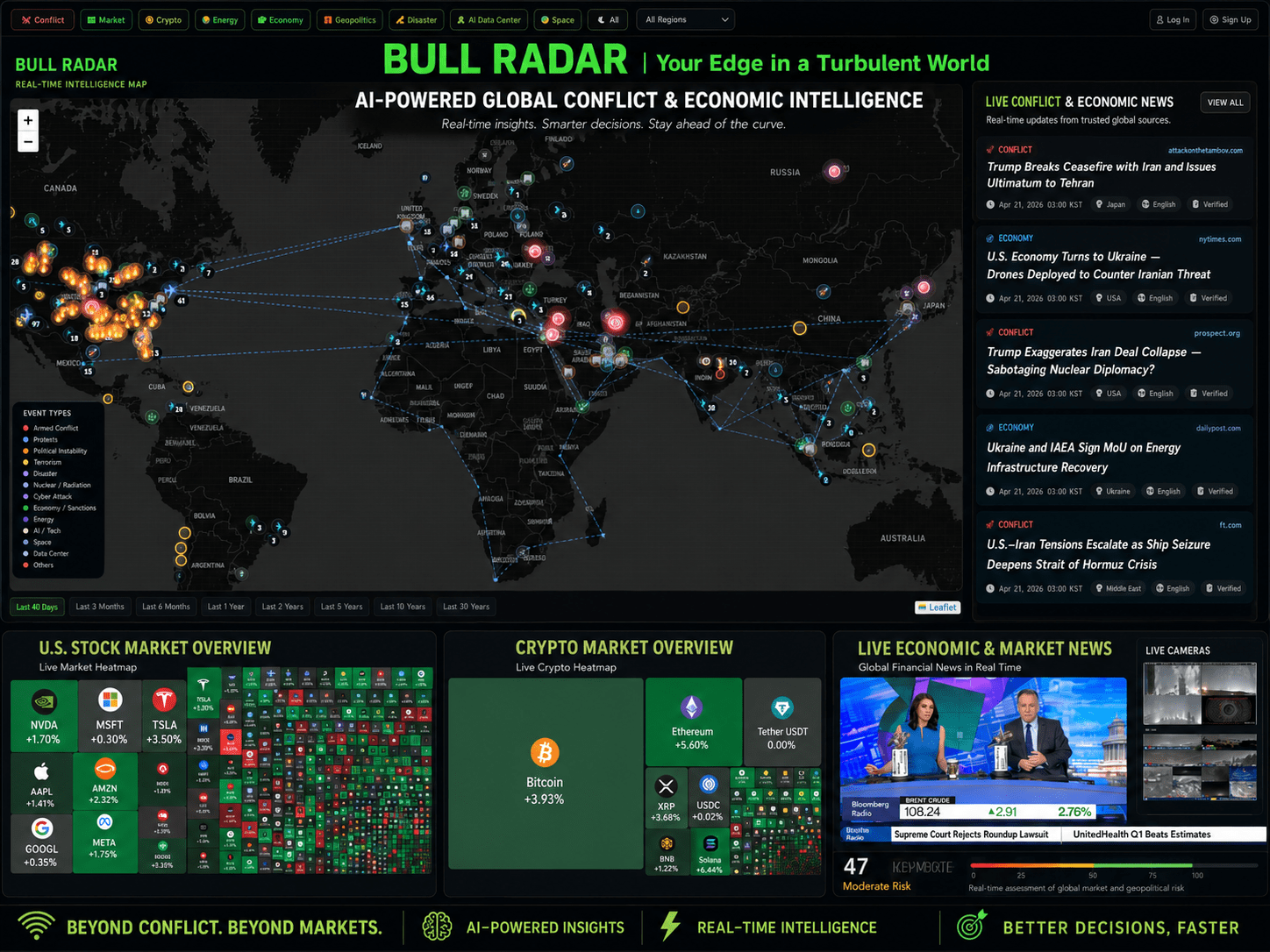
AI Live Economic Dashboard
AI analyzes real-time market data — turning complex, global investment flows into clear insight in seconds.
- Track global stock markets in real time
- See exactly which assets are strong — and which are fading
- Watch how geopolitical events move the markets
About the Author