What Is a Total Return Swap?
In a Total Return Swap (TRS), one party (the total return payer) holds an underlying asset, such as a stock, bond, or loan, and passes along all of the income and price appreciation or depreciation it generates to the counterparty (the total return receiver), in exchange for a fixed or floating fee.
The Economic Effect of the Structure
Synthetic Exposure
The total return receiver gains the same economic exposure as if they owned the underlying asset outright, without ever actually purchasing or holding it, which is why this arrangement is often described as creating ‘synthetic exposure.’
Leverage and Regulatory Scrutiny
Because the total return receiver can gain large exposure while posting only a fraction of the asset’s value as margin, TRS structures offer significant leverage. This has also drawn regulatory scrutiny, since large TRS positions can be used to obtain economic exposure to a company’s shares while avoiding public disclosure requirements tied to direct ownership.
Real-World Applications
Banks use TRS to transfer the credit risk of a loan portfolio to a hedge fund while maintaining the underlying client relationship, and hedge funds use TRS to scale up exposure to a stock or index without the capital outlay that direct ownership would require.

| Feature | Total Return Payer | Total Return Receiver |
|---|---|---|
| Holds the underlying asset | Yes | No (synthetic exposure only) |
| Receives | Fixed or floating fee | Price appreciation + income from the asset |
| Primary motivation | Transfer credit/price risk (hedging) | Capital-efficient, leveraged exposure |
| Typical user | Banks holding loan portfolios | Hedge funds, asset managers |
Frequently Asked Questions
How is a TRS different from a Credit Default Swap (CDS)?
A CDS only pays out if a specific credit event, such as a default, occurs, while a TRS exchanges the full economic return of the underlying asset on an ongoing basis, regardless of whether a default happens.
What risk does the total return receiver take on in a TRS?
If the underlying asset’s price falls, the total return receiver must pay that decline to the total return payer, meaning they bear essentially the same price risk as if they had bought the asset outright.
Why have regulators scrutinized TRS structures?
Because a TRS can create the same economic interest in a company’s shares as direct ownership without triggering the disclosure obligations or ownership limits that apply to actual share purchases, raising concerns about regulatory arbitrage.
Can individual investors use TRS?
TRS contracts are typically large, customized over-the-counter agreements between financial institutions, making them impractical for individual investors to access directly.
Key Takeaways
A Total Return Swap lets one party gain the full economic exposure of an underlying asset, without ever owning it, in exchange for a fee, making it a capital-efficient tool for leverage and a useful mechanism for transferring risk. Its capacity to obscure real ownership stakes has also made it a focus of regulatory attention, so understanding the structure carefully matters before engaging with it. This article is for informational purposes only and does not constitute investment advice.

QuantPro: AI Finds the Trade Before You Do
From AI-powered chart analysis to real-time market intelligence — everything a serious investor needs, in one platform.
- Automated AI chart analysis with precision trend timing
- Bull Radar: real-time visualization of geopolitical & economic shifts
- Live market-moving news and insights, curated for you
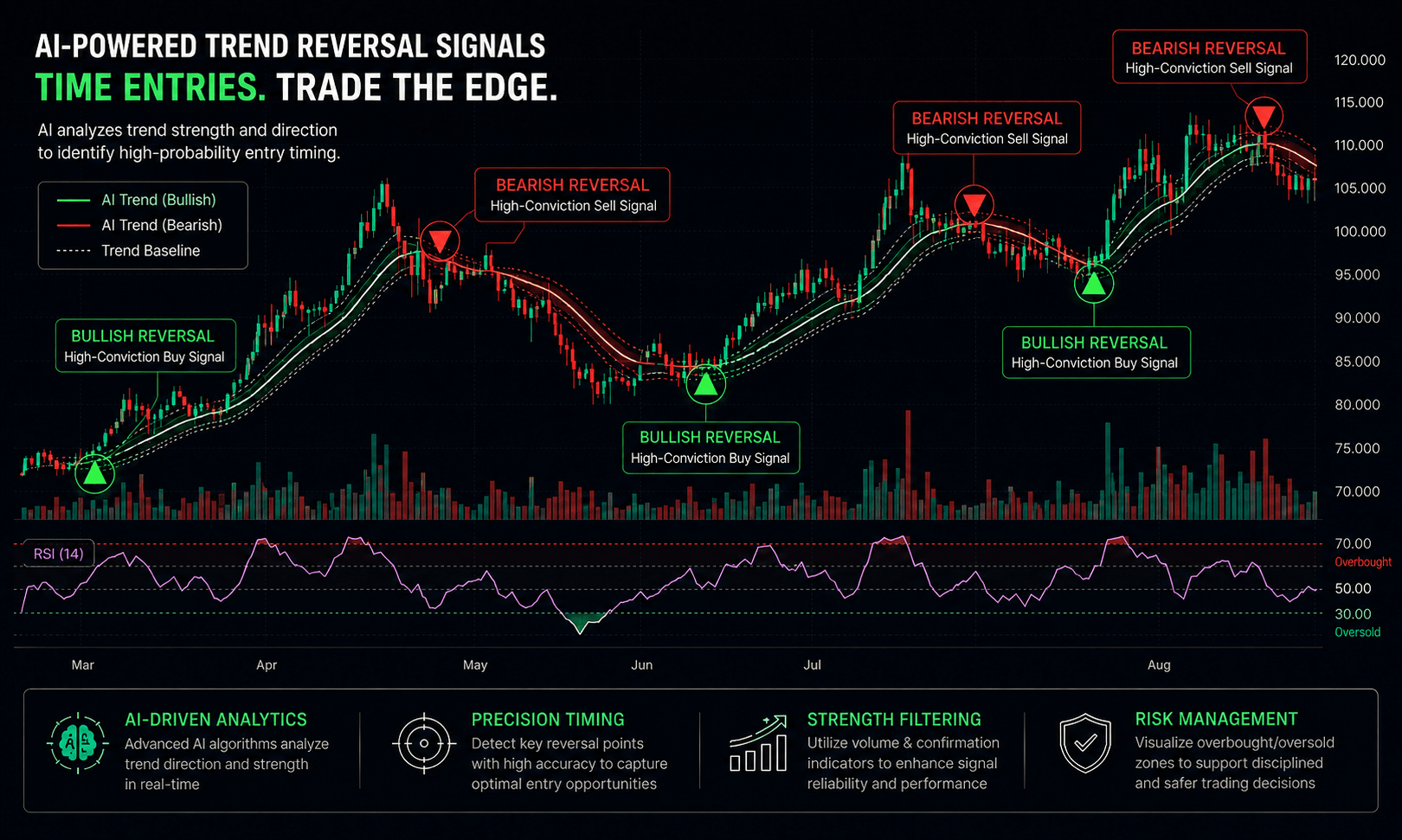
Bull Wave / Bear Wave Forecast Model
Engineered to help you read market direction and momentum faster than the crowd.
- Instantly separate bullish momentum from bearish pressure
- Pinpoint high-probability entry zones with confidence
- Chart signals clear enough for beginners, sharp enough for pros
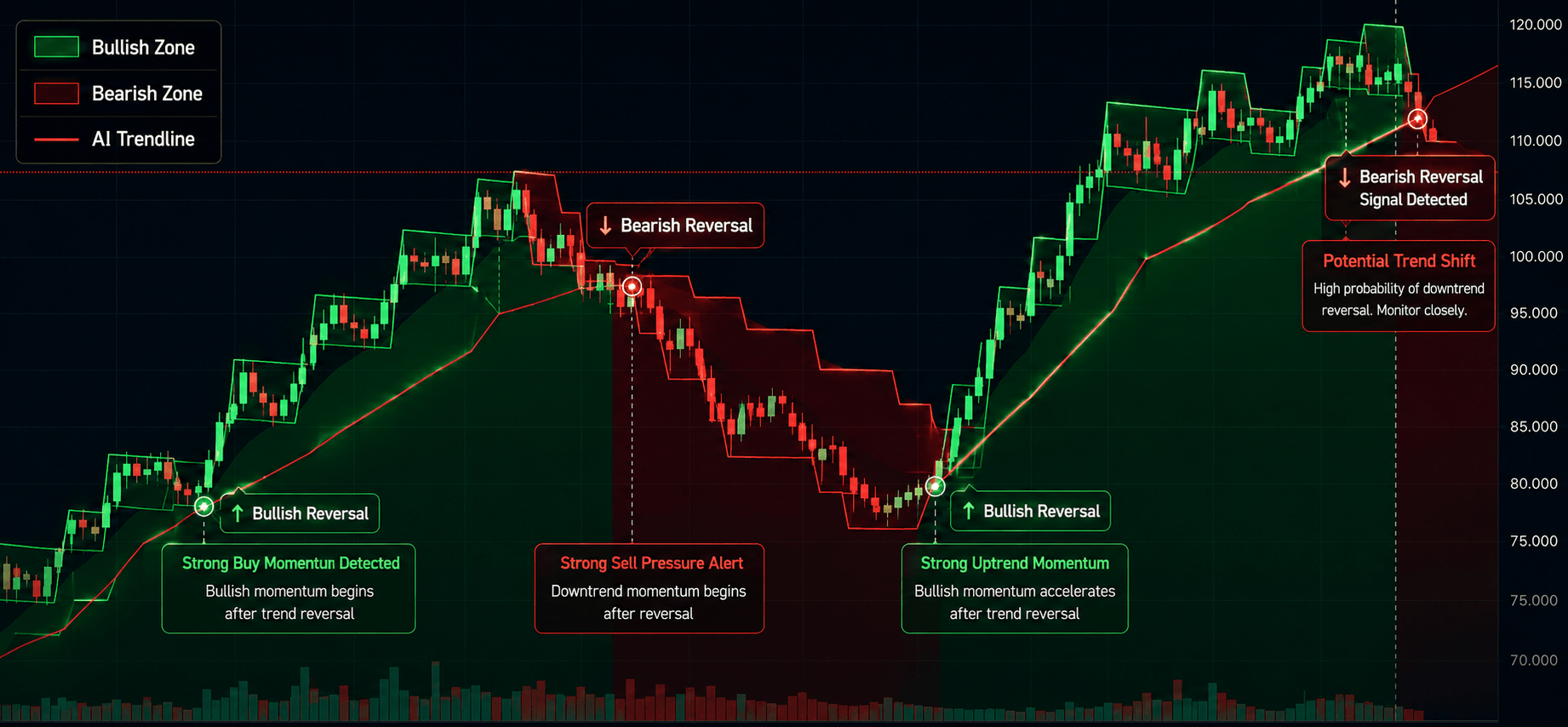
Winning Pattern Detection
Instantly surfaces the high-probability setups that repeat across the charts — a trusted edge for timing your entries and exits.
- Spot momentum building in real time
- Catch trend-reversal points before they break
- Built for active traders who need results, not theory

AI Live Economic Dashboard
AI analyzes real-time market data — turning complex, global investment flows into clear insight in seconds.
- Track global stock markets in real time
- See exactly which assets are strong — and which are fading
- Watch how geopolitical events move the markets
About the Author