What Is a Non-Performing Loan?
A non-performing loan (NPL) is a loan on which the borrower has stopped making scheduled principal or interest payments, typically for 90 days or more, making normal collection unlikely without special action. Banks frequently sell NPLs to specialized investors or asset management companies (AMCs) at a steep discount rather than pursuing collection themselves.
Why Banks Sell NPLs
Managing Capital Adequacy
Banks must maintain regulatory capital ratios such as the Basel III capital adequacy ratio, and holding non-performing loans forces them to set aside larger loan-loss provisions, which weighs on those ratios. Selling NPLs immediately removes the troubled asset from the balance sheet and improves capital metrics.
A Difference in Collection Expertise
Banks specialize in underwriting and managing performing loans, not necessarily in foreclosure, collateral liquidation, or legal collection processes, so selling to a specialist investor with that specific expertise is often the more efficient choice for both parties.
How NPL Investors Make Money
An NPL investor buys the loan at a steep discount to face value, often 30-50% of the original balance, and then earns a return by recovering more than that purchase price, whether through collateral foreclosure and sale, or by negotiating a partial repayment directly with the borrower.

| Feature | Secured NPL | Unsecured NPL |
|---|---|---|
| Recovery method | Collateral foreclosure/auction | Borrower negotiation, legal collection |
| Predictability of recovery | Relatively higher (based on collateral value) | Lower (depends on borrower’s ability to pay) |
| Typical discount | Relatively smaller | Relatively larger |
| Typical buyer | Real estate-focused AMCs, specialty investors | Collection-focused firms, special situations funds |
Frequently Asked Questions
Is NPL investing the same thing as distressed debt investing?
They overlap conceptually, since both involve buying troubled debt at a discount, but NPL investing typically refers more specifically to individual bank loans, including secured loans, while distressed debt investing more often refers to bonds issued directly by troubled companies.
Can individual investors buy NPLs?
Some platforms offer fractionalized exposure to real estate-secured NPLs, but most large NPL sales are conducted between banks and institutional investors, limiting direct retail access.
How is the purchase price for an NPL determined?
It’s typically set through a competitive bidding process that weighs the expected collateral liquidation value, the borrower’s likely ability to repay, and the anticipated time and legal cost to complete recovery.
What is the biggest risk in NPL investing?
The collateral may sell for less than expected, legal proceedings can take longer than anticipated and tie up capital, and the borrower’s actual ability to repay may be weaker than assumed at purchase.
Key Takeaways
A non-performing loan is a delinquent loan that a bank sells at a discount, typically to a specialized investor who profits from the gap between the purchase price and eventual recovery through collateral sales or negotiated repayment. It’s a valuable tool for banks managing capital ratios, and a specialized opportunity for investors, but recovery outcomes always carry real uncertainty. This article is for informational purposes only and does not constitute investment advice.

QuantPro: AI Finds the Trade Before You Do
From AI-powered chart analysis to real-time market intelligence — everything a serious investor needs, in one platform.
- Automated AI chart analysis with precision trend timing
- Bull Radar: real-time visualization of geopolitical & economic shifts
- Live market-moving news and insights, curated for you
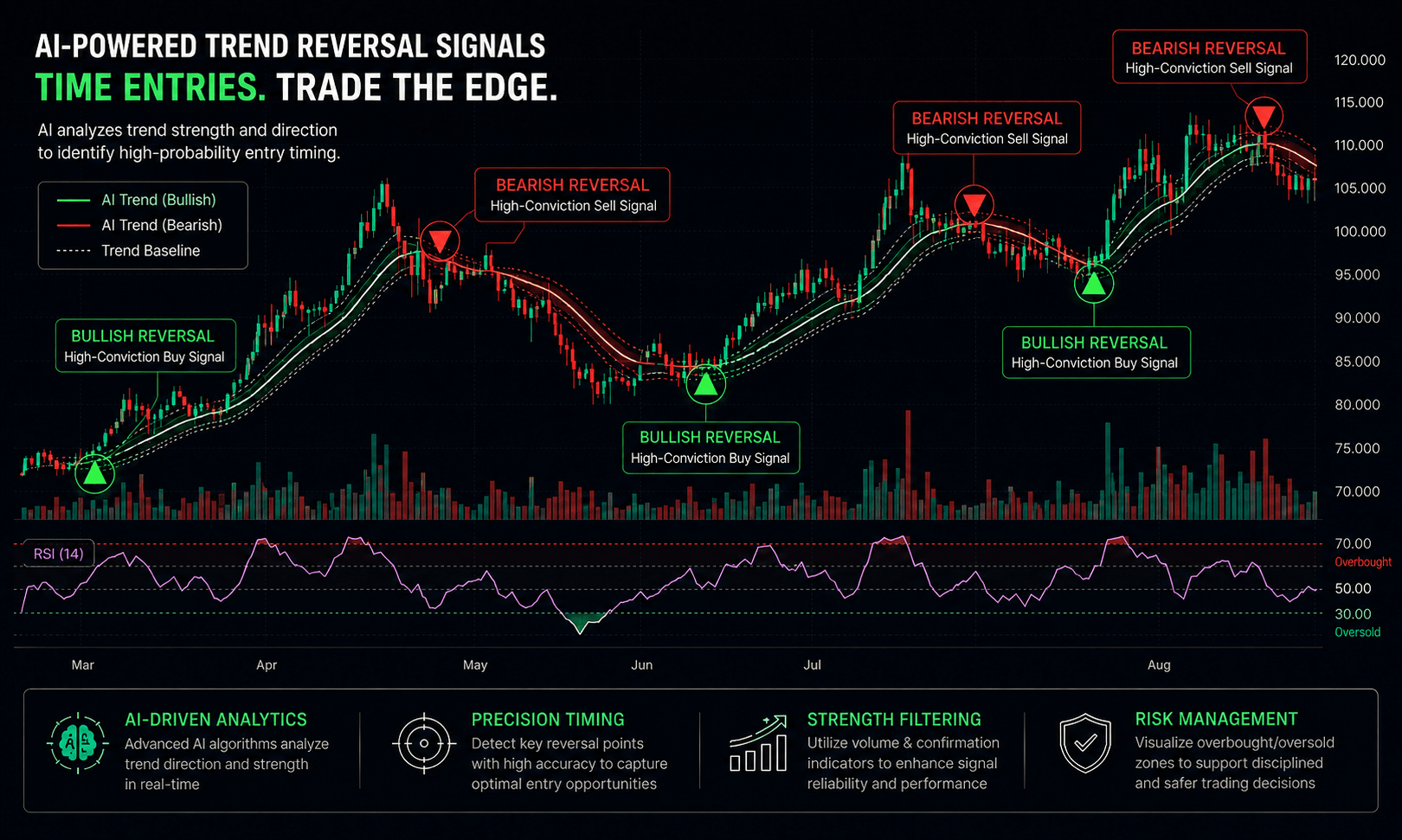
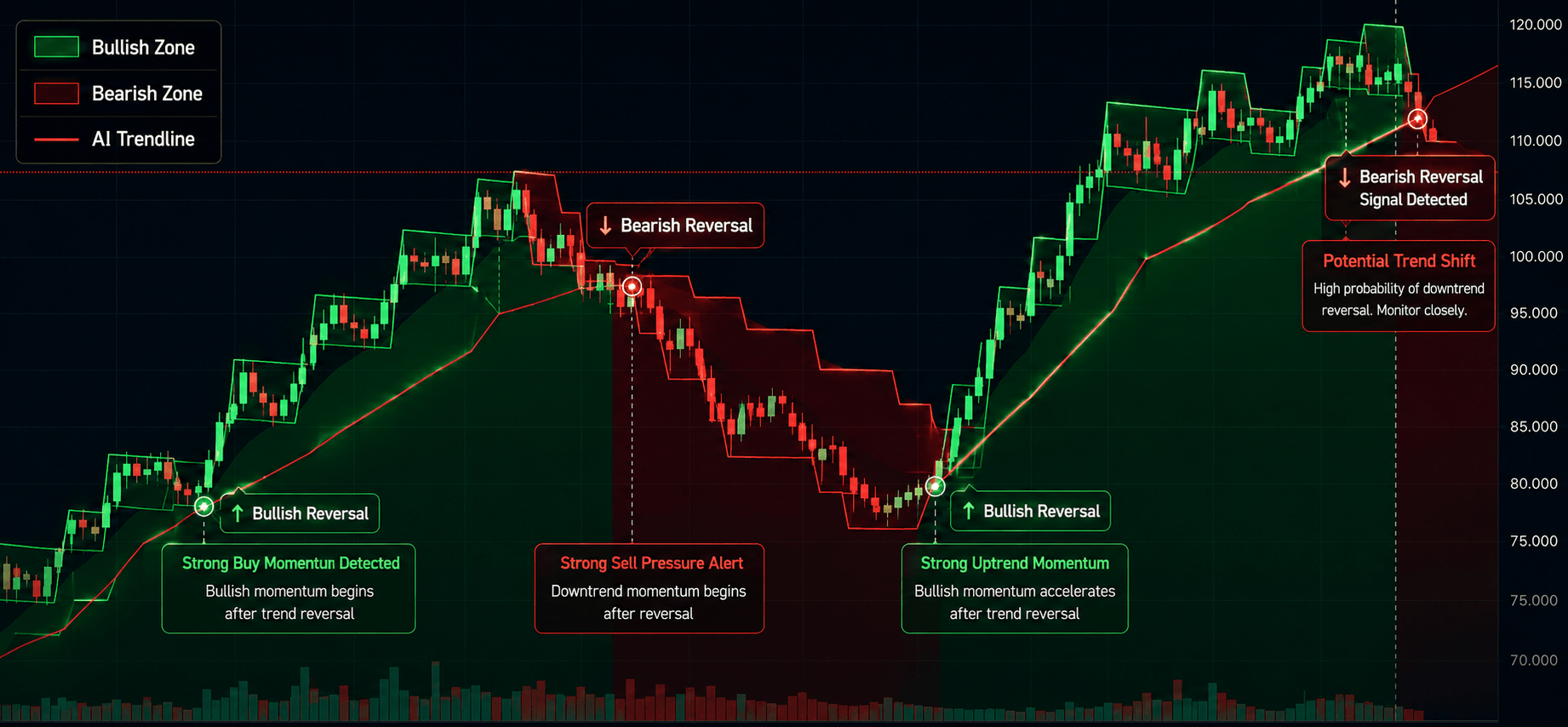
Bull Wave / Bear Wave Forecast Model
Engineered to help you read market direction and momentum faster than the crowd.
- Instantly separate bullish momentum from bearish pressure
- Pinpoint high-probability entry zones with confidence
- Chart signals clear enough for beginners, sharp enough for pros
Winning Pattern Detection
Instantly surfaces the high-probability setups that repeat across the charts — a trusted edge for timing your entries and exits.
- Spot momentum building in real time
- Catch trend-reversal points before they break
- Built for active traders who need results, not theory

AI Live Economic Dashboard
AI analyzes real-time market data — turning complex, global investment flows into clear insight in seconds.
- Track global stock markets in real time
- See exactly which assets are strong — and which are fading
- Watch how geopolitical events move the markets
About the Author