What Is Alpha?
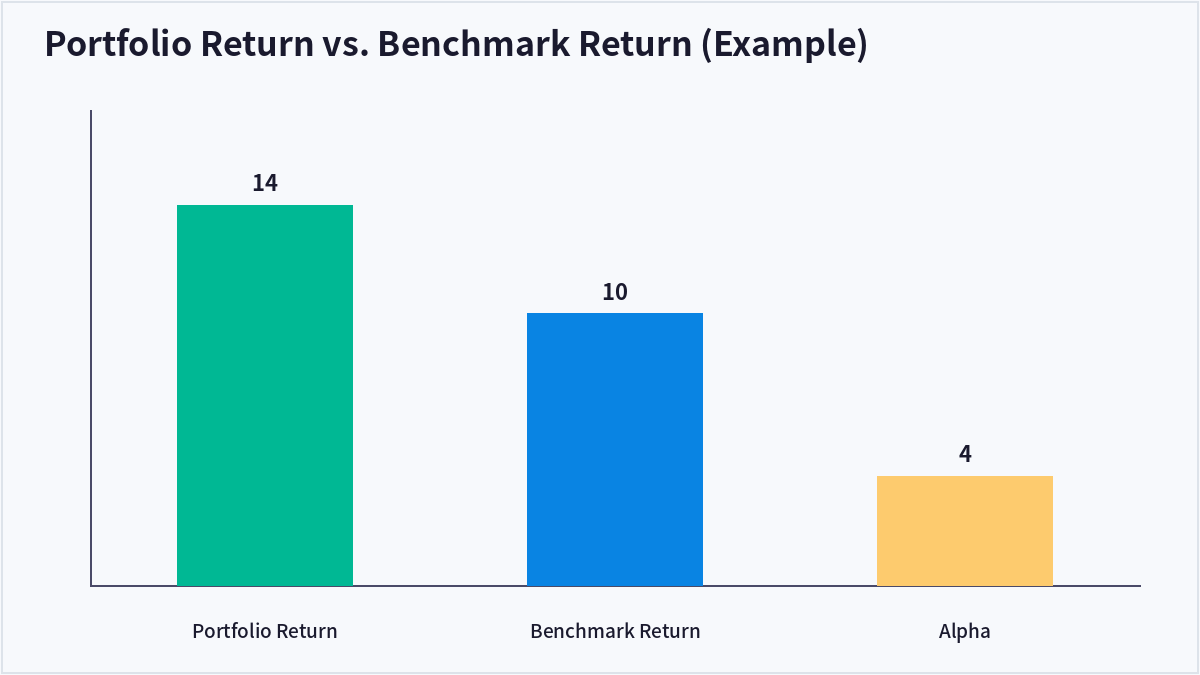
Alpha is a measure of an investment’s performance relative to a benchmark index, adjusted for the risk taken to achieve that performance. If a fund manager delivers returns higher than what the benchmark and the portfolio’s risk level would predict, that excess is called positive alpha — often treated as evidence of genuine investment skill rather than luck.
How Is Alpha Calculated?
Alpha is typically derived from the Capital Asset Pricing Model (CAPM): Alpha = Actual Return − [Risk-Free Rate + Beta × (Benchmark Return − Risk-Free Rate)]. In simpler terms, it strips out the return you’d expect to earn just from taking on market risk (beta), leaving behind the portion of performance that can’t be explained by the market’s movement alone.
Why Alpha Is Hard to Sustain
Markets Become More Efficient Over Time
As more capital chases the same mispricings, those opportunities tend to shrink. A strategy that generated strong alpha a decade ago may find it much harder to repeat that performance today simply because more competitors are now aware of it.
Fees Can Erode Alpha Entirely
Even when a manager generates gross alpha, high management fees and trading costs can consume most or all of that excess return, leaving investors with net performance that barely matches — or even trails — a low-cost index fund.
| Metric | What It Measures | Interpretation |
|---|---|---|
| Alpha | Risk-adjusted excess return | Positive = outperformance beyond risk taken |
| Beta | Sensitivity to market movements | 1.0 = moves with the market |
| R-squared | How much of return is explained by the benchmark | Low R² makes alpha estimates less reliable |
Frequently Asked Questions
Is positive alpha always a sign of skill?
Not necessarily. Short-term positive alpha can result from luck, and a statistically meaningful track record typically requires a long period of consistent outperformance before skill can be reasonably inferred.
Can alpha be negative?
Yes. Negative alpha means the investment underperformed what its risk level would predict, which is common among actively managed funds that fail to beat their benchmark after fees.
Why do index funds have alpha close to zero?
Index funds are designed to replicate their benchmark rather than beat it, so their alpha tends to hover near zero, with any small deviation typically due to fees or tracking error.
How is alpha different from simply beating the market?
Simply beating the market’s raw return doesn’t account for risk. Alpha adjusts for the risk (beta) taken to achieve that return, so a highly volatile portfolio that outperforms may still show low or negative alpha once risk is factored in.
Key Takeaways
Alpha measures risk-adjusted excess return relative to a benchmark, and positive alpha is often used as a proxy for manager skill. However, alpha tends to be difficult to sustain due to market efficiency and can be significantly eroded by fees. This article is for informational purposes only and does not constitute investment advice.
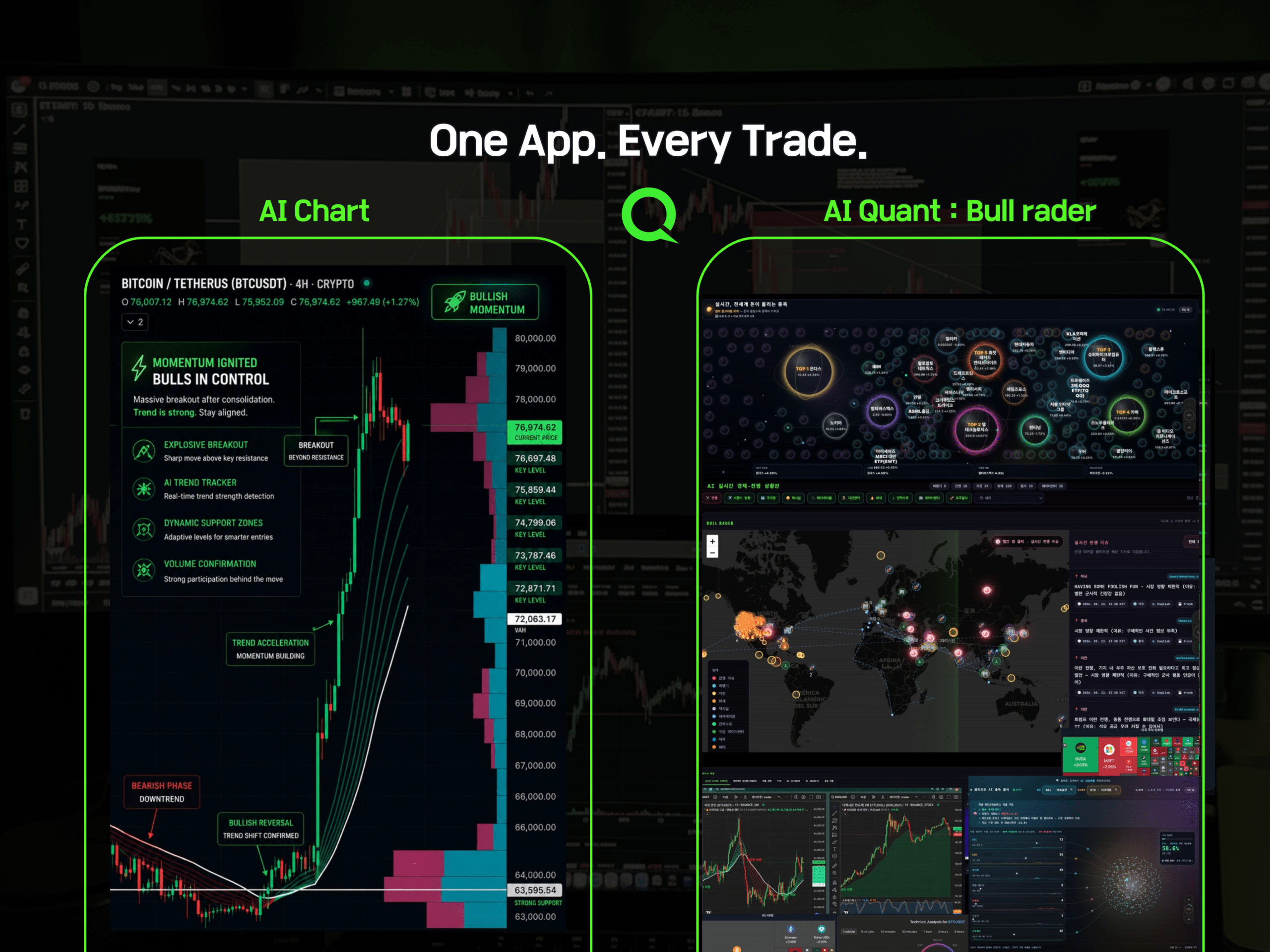
QuantPro: AI Finds the Trade Before You Do
From AI-powered chart analysis to real-time market intelligence — everything a serious investor needs, in one platform.
- Automated AI chart analysis with precision trend timing
- Bull Radar: real-time visualization of geopolitical & economic shifts
- Live market-moving news and insights, curated for you
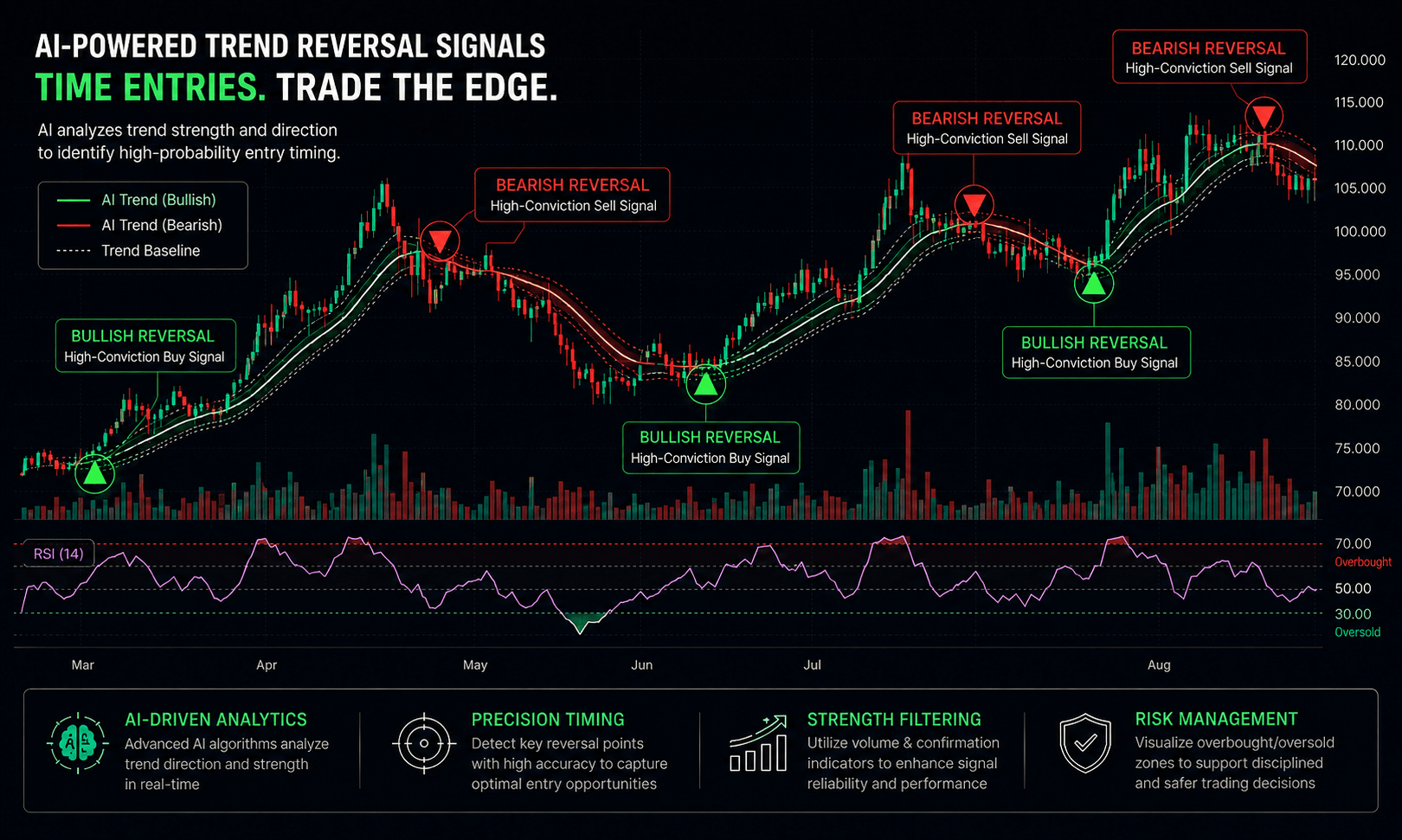
Bull Wave / Bear Wave Forecast Model
Engineered to help you read market direction and momentum faster than the crowd.
- Instantly separate bullish momentum from bearish pressure
- Pinpoint high-probability entry zones with confidence
- Chart signals clear enough for beginners, sharp enough for pros
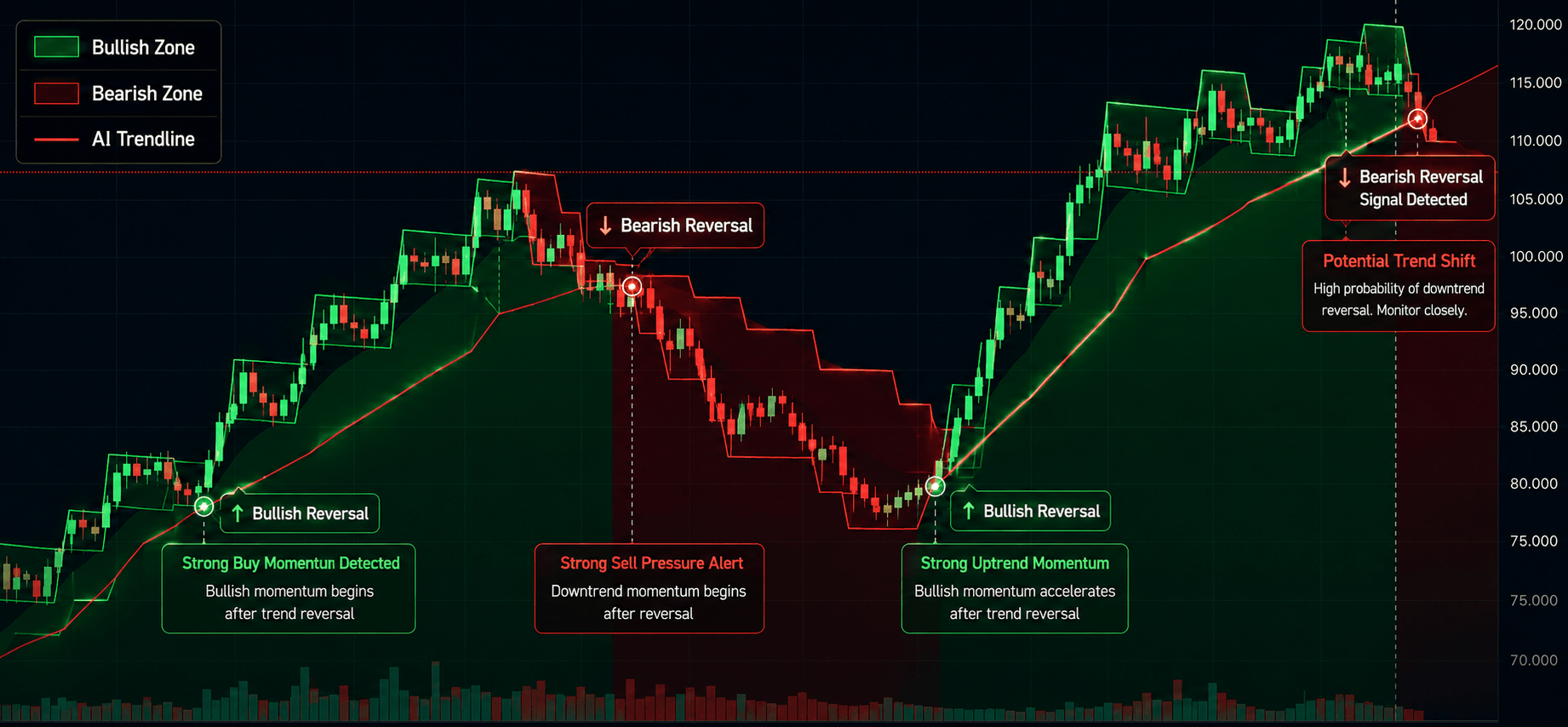
Winning Pattern Detection
Instantly surfaces the high-probability setups that repeat across the charts — a trusted edge for timing your entries and exits.
- Spot momentum building in real time
- Catch trend-reversal points before they break
- Built for active traders who need results, not theory
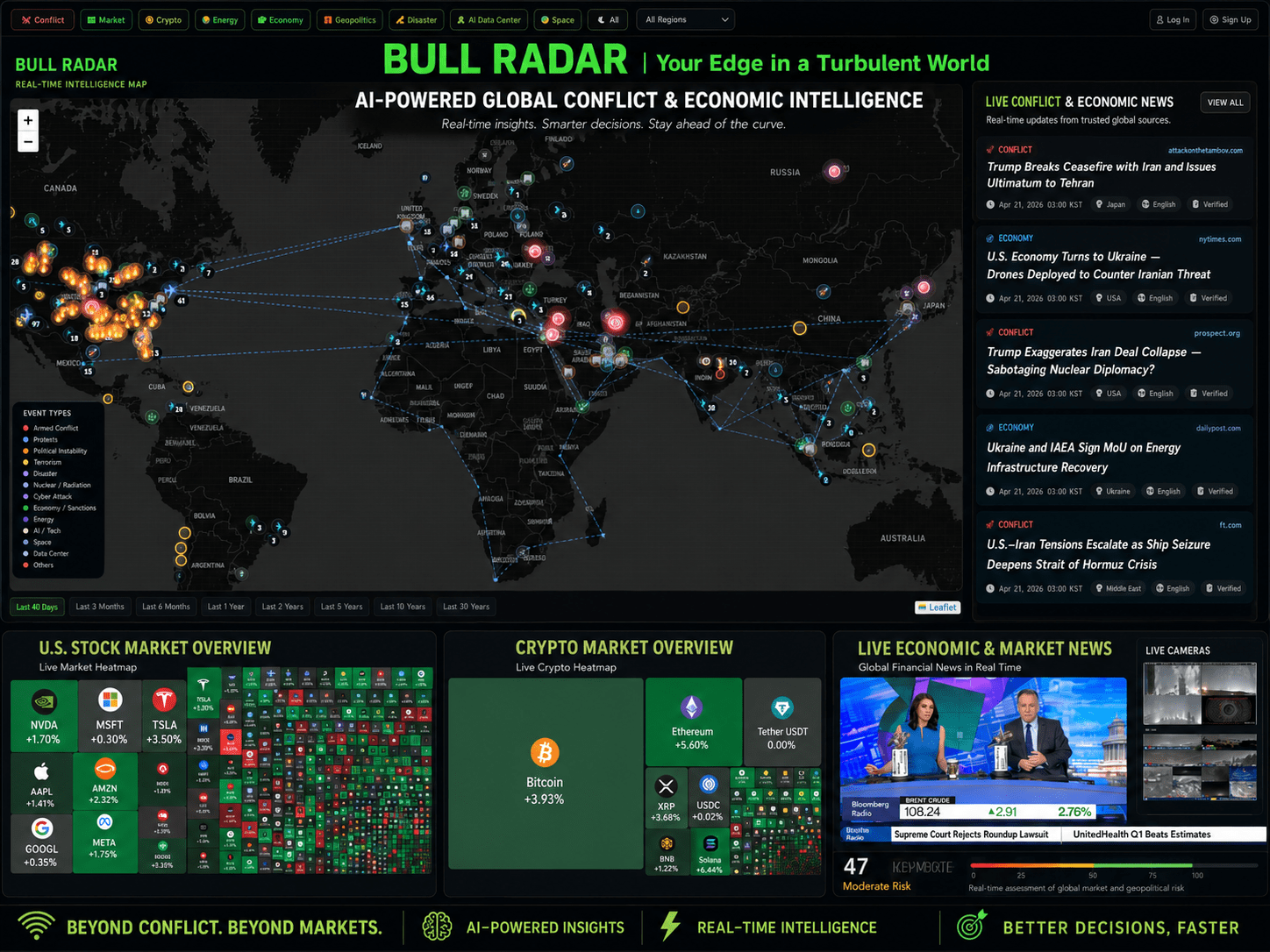
AI Live Economic Dashboard
AI analyzes real-time market data — turning complex, global investment flows into clear insight in seconds.
- Track global stock markets in real time
- See exactly which assets are strong — and which are fading
- Watch how geopolitical events move the markets
About the Author