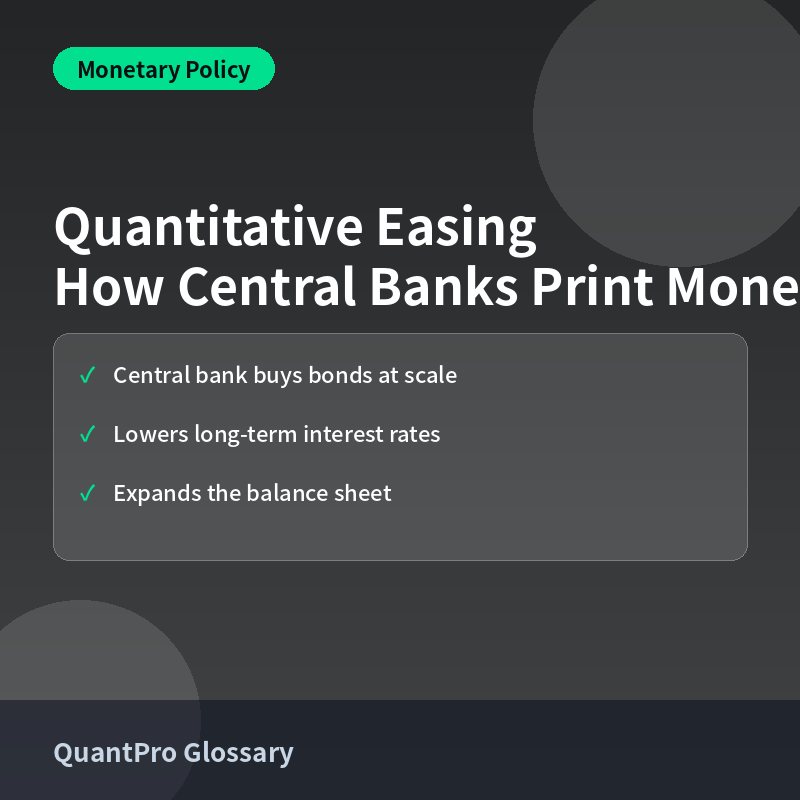
What Is Quantitative Easing?
Quantitative easing (QE) is an unconventional monetary policy tool in which a central bank creates new money electronically to purchase large quantities of financial assets — typically government bonds and mortgage-backed securities — directly from the market. The goal is to inject liquidity into the financial system and push down long-term interest rates when conventional rate cuts have already reached their limit.
How Does It Work?
When a central bank buys large volumes of bonds, it increases demand for those securities, which pushes bond prices up and yields (interest rates) down. This lower-rate environment is intended to encourage borrowing and investment by businesses and consumers, while also increasing the amount of reserves in the banking system, which in theory supports lending.
Effects on Financial Markets
Asset Prices Tend to Rise
With bond yields pushed lower, investors often shift capital toward stocks and other higher-yielding assets in search of returns, which has historically been associated with rising equity valuations during QE periods.
Inflation Risk Is a Key Concern
Because QE substantially increases the money supply, critics argue it can fuel inflation over time, particularly if the newly created liquidity flows into the real economy faster than productive capacity can absorb it.
| Aspect | Conventional Rate Cuts | Quantitative Easing |
|---|---|---|
| Tool Used | Short-term policy rate | Large-scale asset purchases |
| When Used | Standard economic slowdown | Rates near zero, deeper stimulus needed |
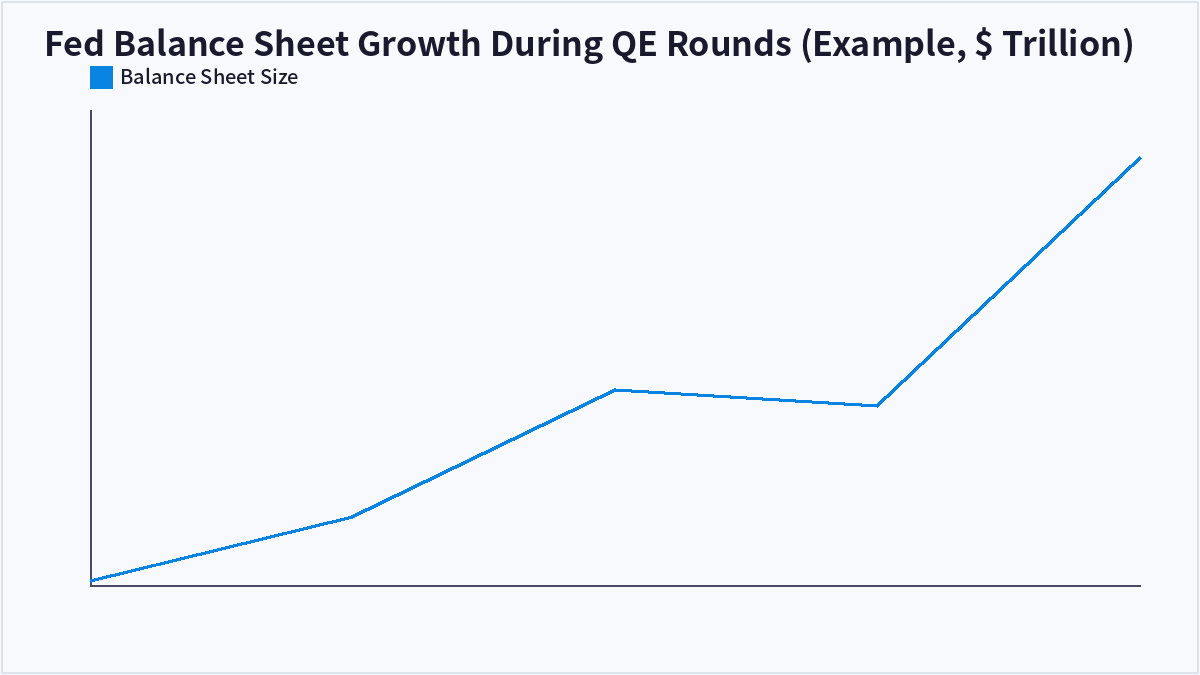
| Balance Sheet Impact | Minimal | Significant expansion |
Frequently Asked Questions
Is quantitative easing the same as printing money?
It’s related but more precise: the central bank creates new reserves electronically to purchase assets, rather than physically printing currency, though the effect on the money supply is conceptually similar.
When does QE typically end?
Central banks generally begin reducing or reversing QE (a process called quantitative tightening) once the economy shows signs of sustained recovery or inflation rises above target levels.
Does QE guarantee economic growth?
Not necessarily. QE can support financial conditions and asset prices, but its effect on the real economy depends heavily on whether banks actually increase lending and whether businesses and consumers respond by borrowing and spending.
How is QE different from fiscal stimulus?
QE is a monetary policy tool implemented by the central bank, while fiscal stimulus involves government spending or tax changes decided by the legislature — the two are often used together during major economic downturns.
Key Takeaways
Quantitative easing is a central bank tool that involves large-scale asset purchases to lower long-term rates and inject liquidity, typically used when conventional rate cuts are no longer sufficient. It tends to support asset prices but carries longer-term inflation risk. This article is for informational purposes only and does not constitute investment advice.

QuantPro: AI Finds the Trade Before You Do
From AI-powered chart analysis to real-time market intelligence — everything a serious investor needs, in one platform.
- Automated AI chart analysis with precision trend timing
- Bull Radar: real-time visualization of geopolitical & economic shifts
- Live market-moving news and insights, curated for you
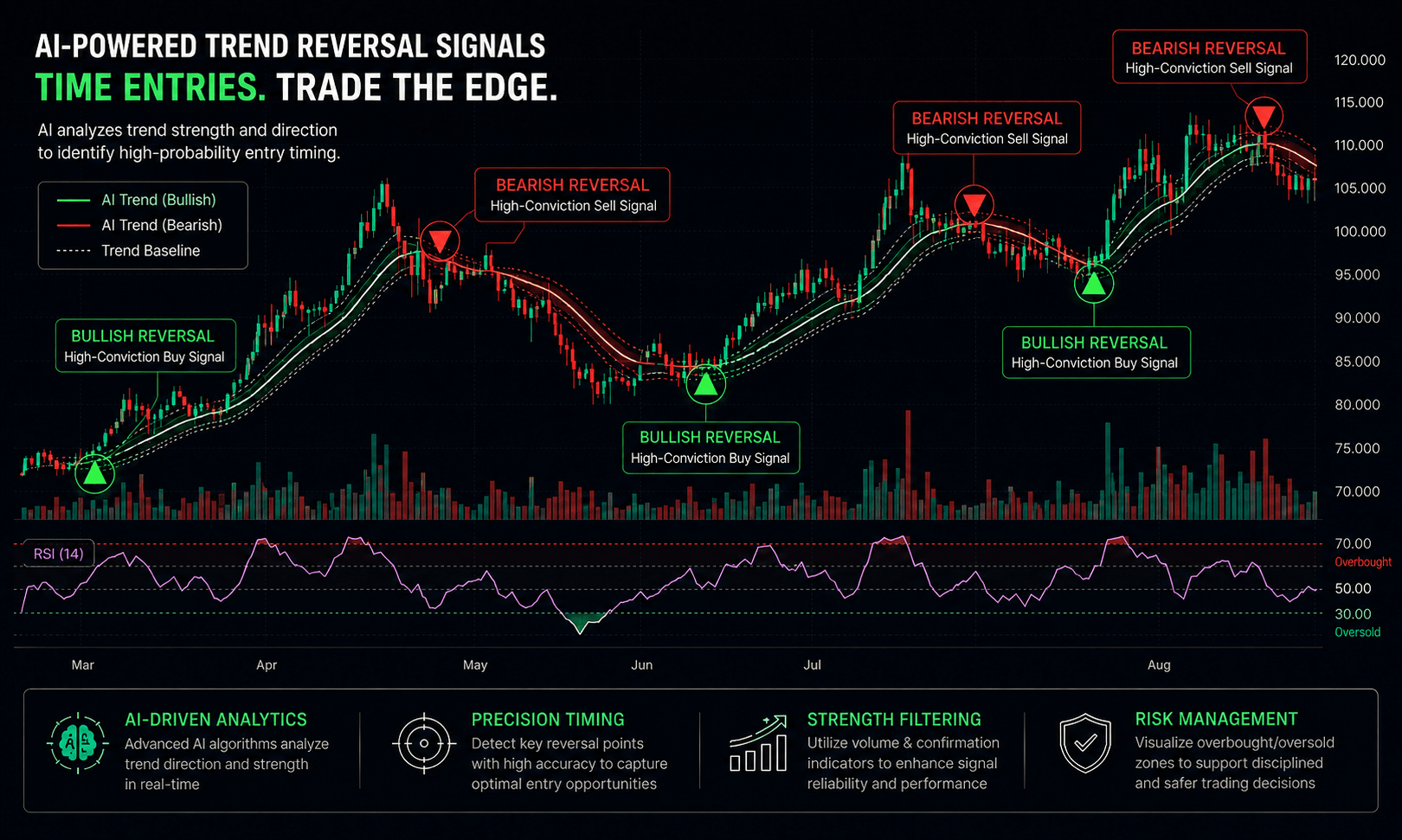
Bull Wave / Bear Wave Forecast Model
Engineered to help you read market direction and momentum faster than the crowd.
- Instantly separate bullish momentum from bearish pressure
- Pinpoint high-probability entry zones with confidence
- Chart signals clear enough for beginners, sharp enough for pros
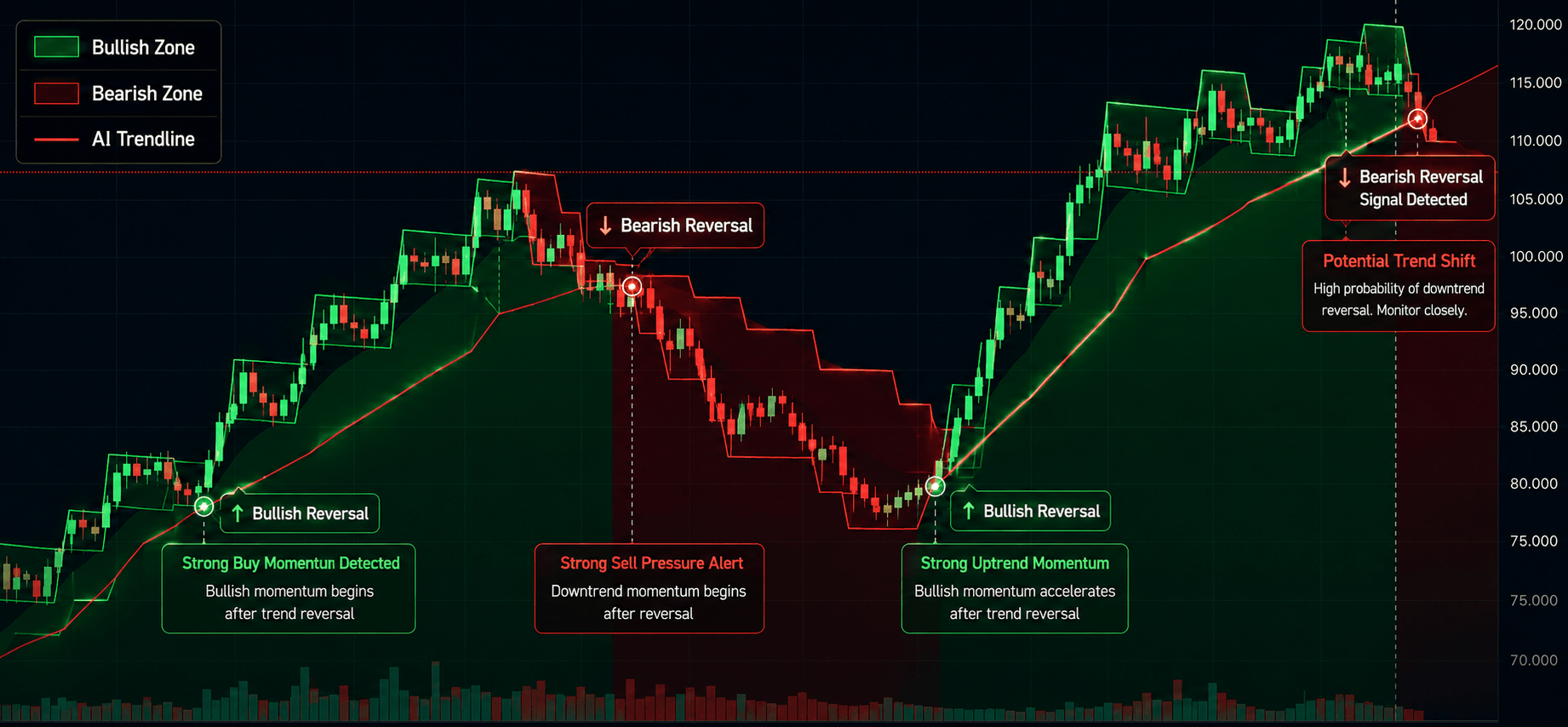
Winning Pattern Detection
Instantly surfaces the high-probability setups that repeat across the charts — a trusted edge for timing your entries and exits.
- Spot momentum building in real time
- Catch trend-reversal points before they break
- Built for active traders who need results, not theory
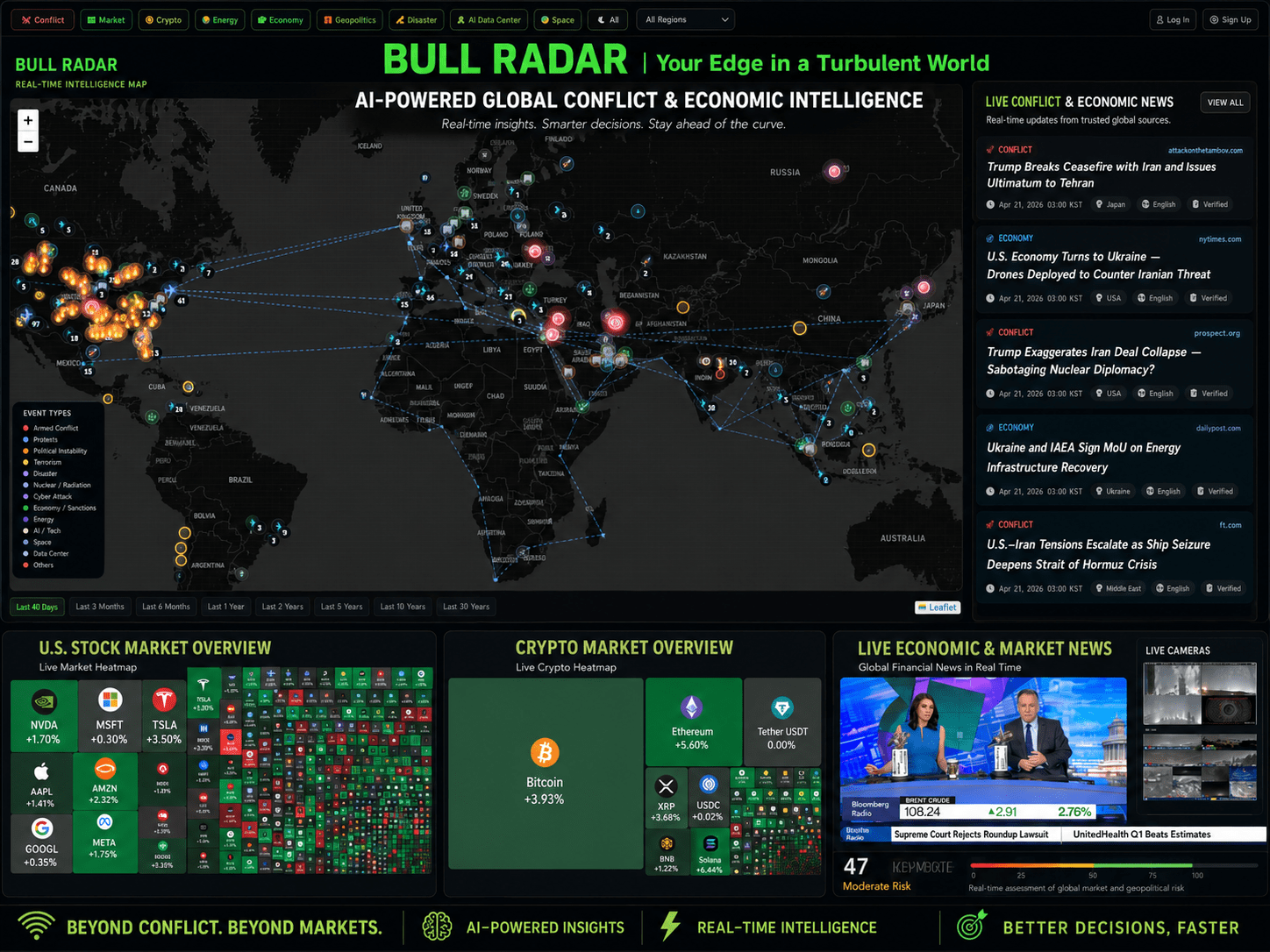
AI Live Economic Dashboard
AI analyzes real-time market data — turning complex, global investment flows into clear insight in seconds.
- Track global stock markets in real time
- See exactly which assets are strong — and which are fading
- Watch how geopolitical events move the markets
About the Author