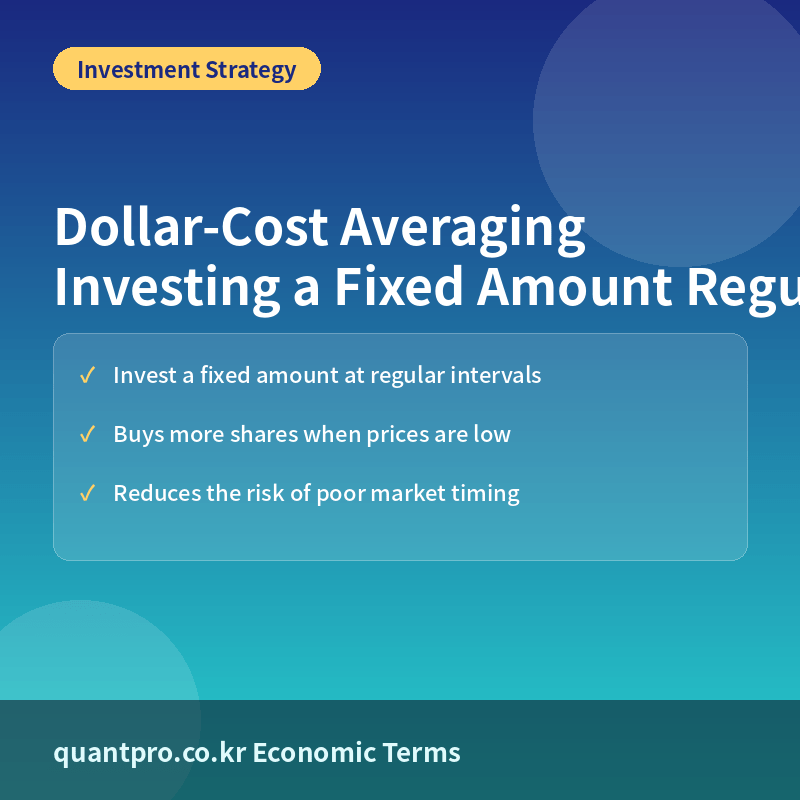
What Dollar-Cost Averaging Is
Dollar-cost averaging (DCA) is an investment strategy in which an investor puts a fixed amount of money into a security at regular intervals — weekly, monthly, or otherwise — regardless of the current price. Because the invested amount stays constant, the strategy automatically buys more shares when prices are low and fewer shares when prices are high, which tends to smooth out the average purchase price over time.
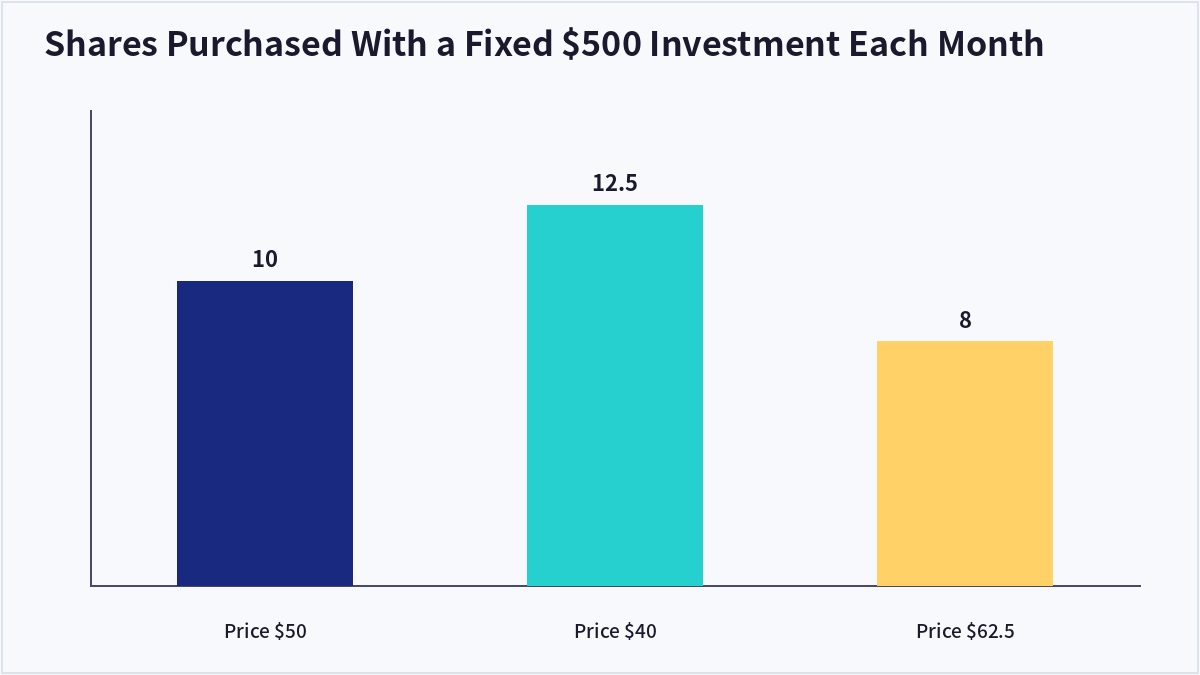
Why Investors Use DCA
The biggest appeal of dollar-cost averaging is that it removes the pressure of trying to time the market perfectly, which even professional investors struggle to do consistently. It also turns market volatility into a structural advantage rather than a source of anxiety, since downturns simply mean the next contribution buys more shares at a lower price.
DCA vs. Lump-Sum Investing
Historical studies generally show that investing a lump sum immediately tends to outperform dollar-cost averaging over the long run in markets that trend upward over time, since more money is exposed to growth for longer. However, DCA can reduce regret and emotional stress in volatile or uncertain markets, and is often more practical for investors contributing from regular income rather than a single windfall.
| Approach | How It Works | Best Suited For |
|---|---|---|
| Dollar-Cost Averaging | Fixed amount invested at regular intervals | Investors with regular income, volatile markets |
| Lump-Sum Investing | Full amount invested immediately | Investors with a windfall, long time horizon |
Frequently Asked Questions
Does dollar-cost averaging guarantee a profit?
No — DCA reduces the risk of investing a large amount right before a downturn, but it does not eliminate market risk entirely, and losses are still possible if the asset’s price declines over the investment period.
Is DCA better than investing a lump sum?
Historically, lump-sum investing has often outperformed DCA in markets that trend upward over time, but DCA can offer psychological benefits and practical convenience, especially for investors adding money gradually from paychecks rather than a single windfall.
How often should DCA contributions be made?
Common intervals include weekly, biweekly, or monthly, and the ideal frequency often aligns with an investor’s income schedule, such as contributing right after each paycheck is received.
Can dollar-cost averaging be applied to any asset?
Yes, DCA can be applied to stocks, ETFs, mutual funds, or cryptocurrencies, though it works best with diversified, liquid assets rather than individual securities with high company-specific risk.
Key Takeaways
Dollar-cost averaging involves investing a fixed amount at regular intervals to reduce the impact of market timing and volatility, and while lump-sum investing has often outperformed historically, DCA remains a practical and psychologically easier approach for many investors. This article is for informational purposes only and does not constitute investment advice.

QuantPro: AI Finds the Trade Before You Do
From AI-powered chart analysis to real-time market intelligence — everything a serious investor needs, in one platform.
- Automated AI chart analysis with precision trend timing
- Bull Radar: real-time visualization of geopolitical & economic shifts
- Live market-moving news and insights, curated for you
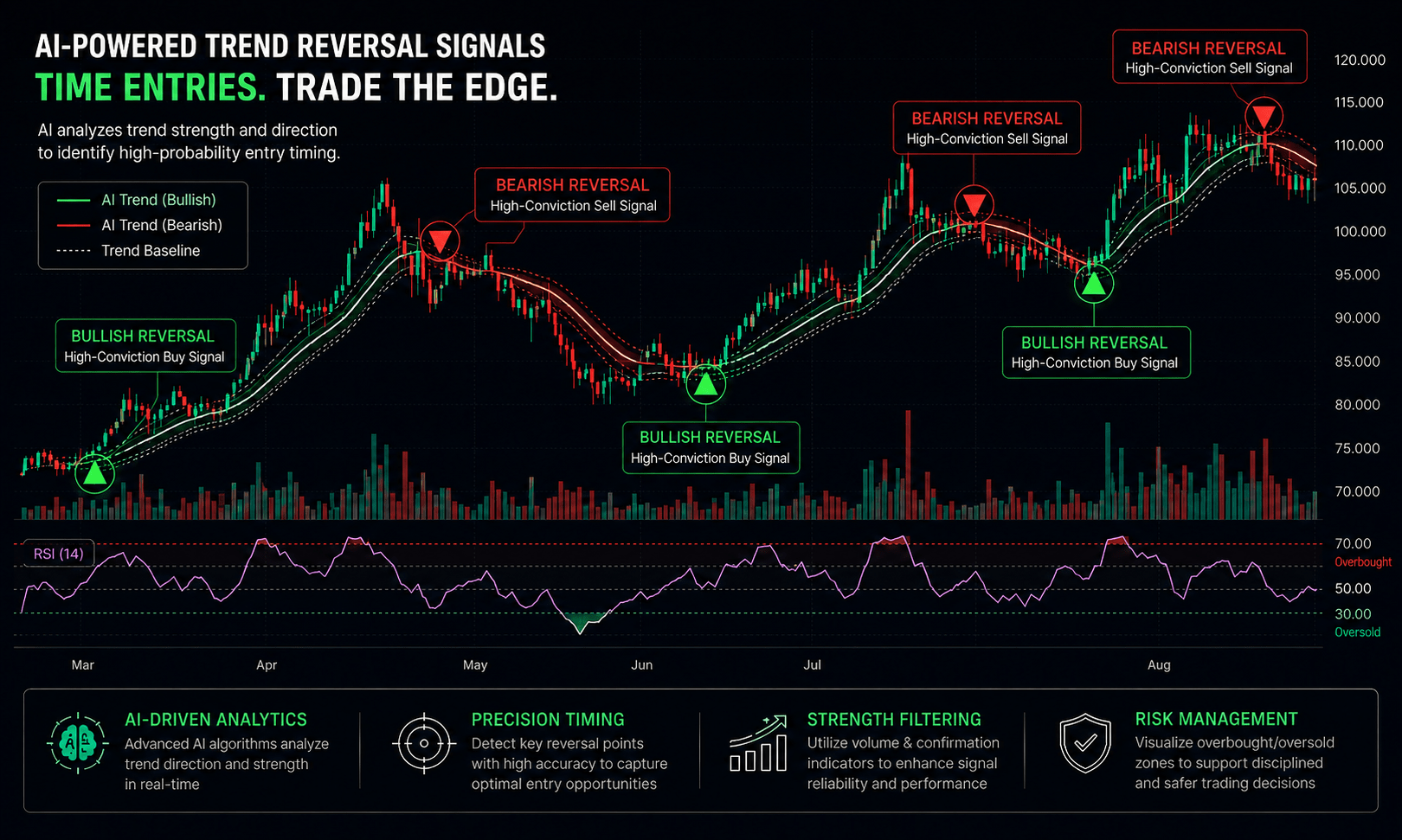
Bull Wave / Bear Wave Forecast Model
Engineered to help you read market direction and momentum faster than the crowd.
- Instantly separate bullish momentum from bearish pressure
- Pinpoint high-probability entry zones with confidence
- Chart signals clear enough for beginners, sharp enough for pros
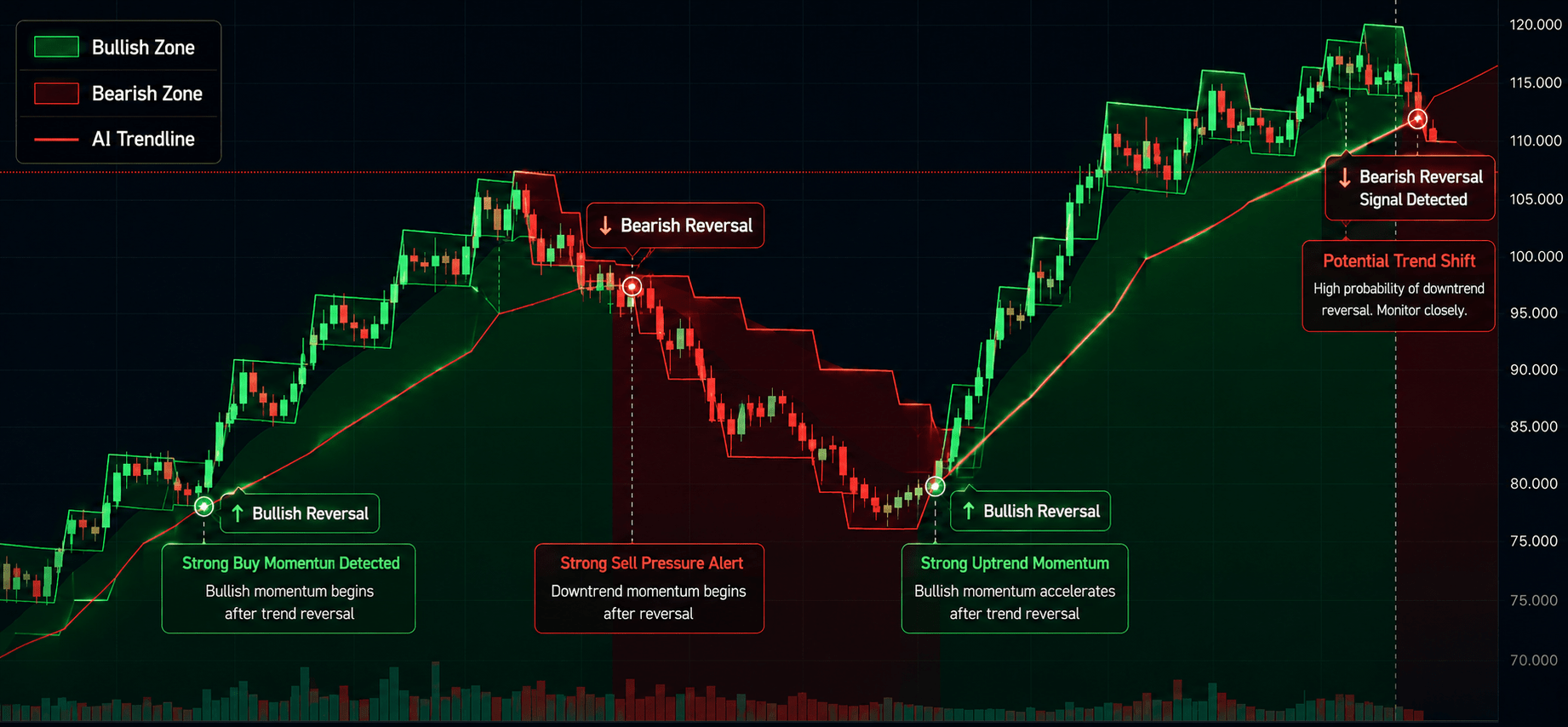
Winning Pattern Detection
Instantly surfaces the high-probability setups that repeat across the charts — a trusted edge for timing your entries and exits.
- Spot momentum building in real time
- Catch trend-reversal points before they break
- Built for active traders who need results, not theory
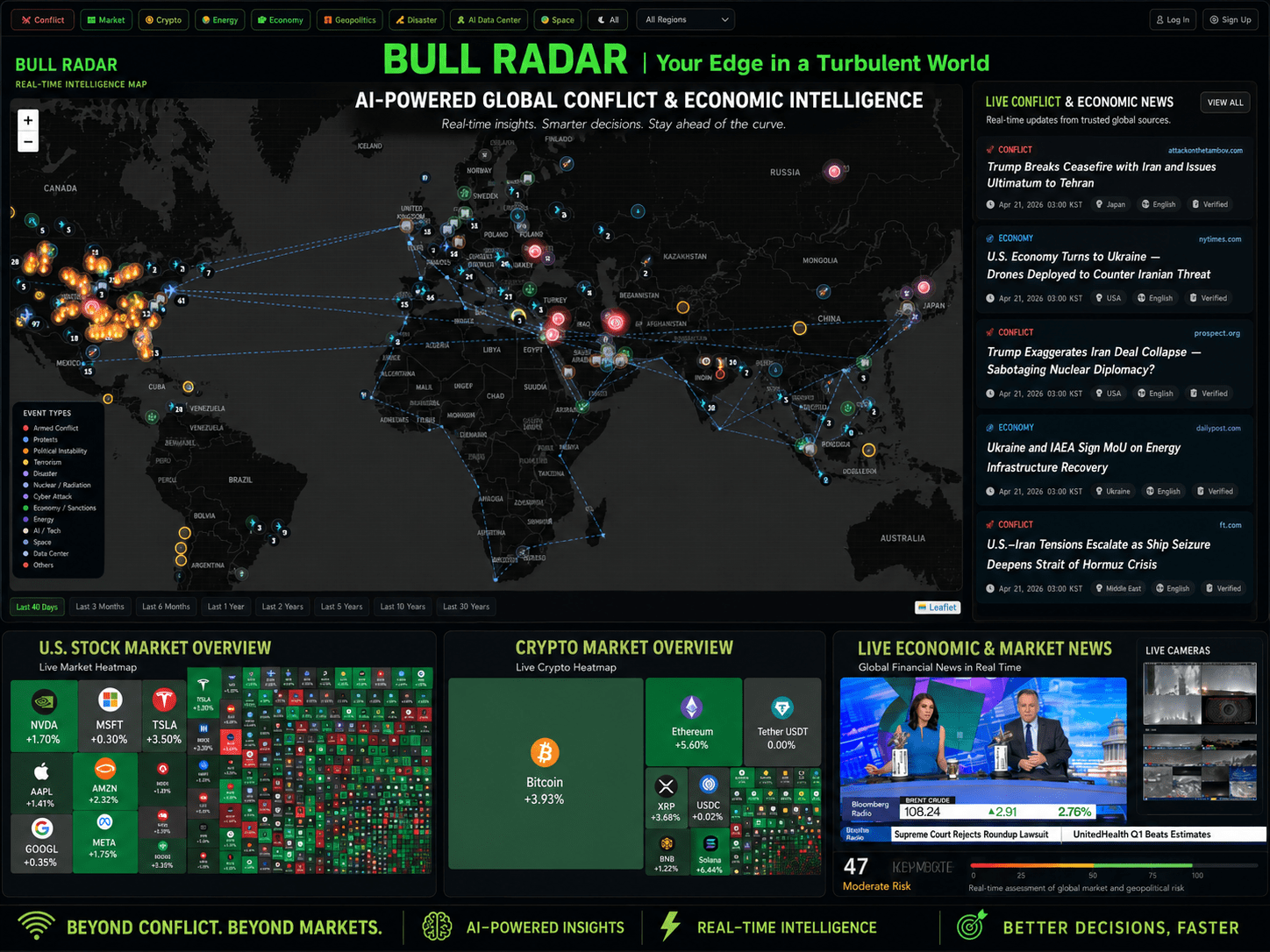
AI Live Economic Dashboard
AI analyzes real-time market data — turning complex, global investment flows into clear insight in seconds.
- Track global stock markets in real time
- See exactly which assets are strong — and which are fading
- Watch how geopolitical events move the markets
About the Author