Defining Factor Investing
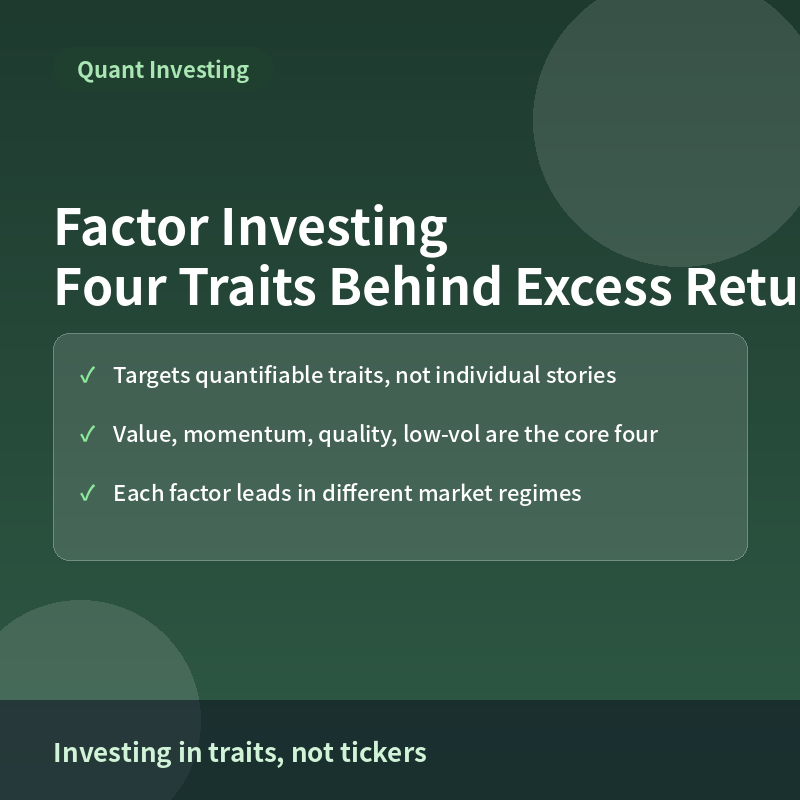
Factor investing shifts focus away from individual stock stories and toward quantifiable characteristics (factors) shared across many stocks that have historically been associated with excess returns over the broad market. The academic groundwork traces back to Eugene Fama and Kenneth French’s multi-factor research.
The Four Core Factors
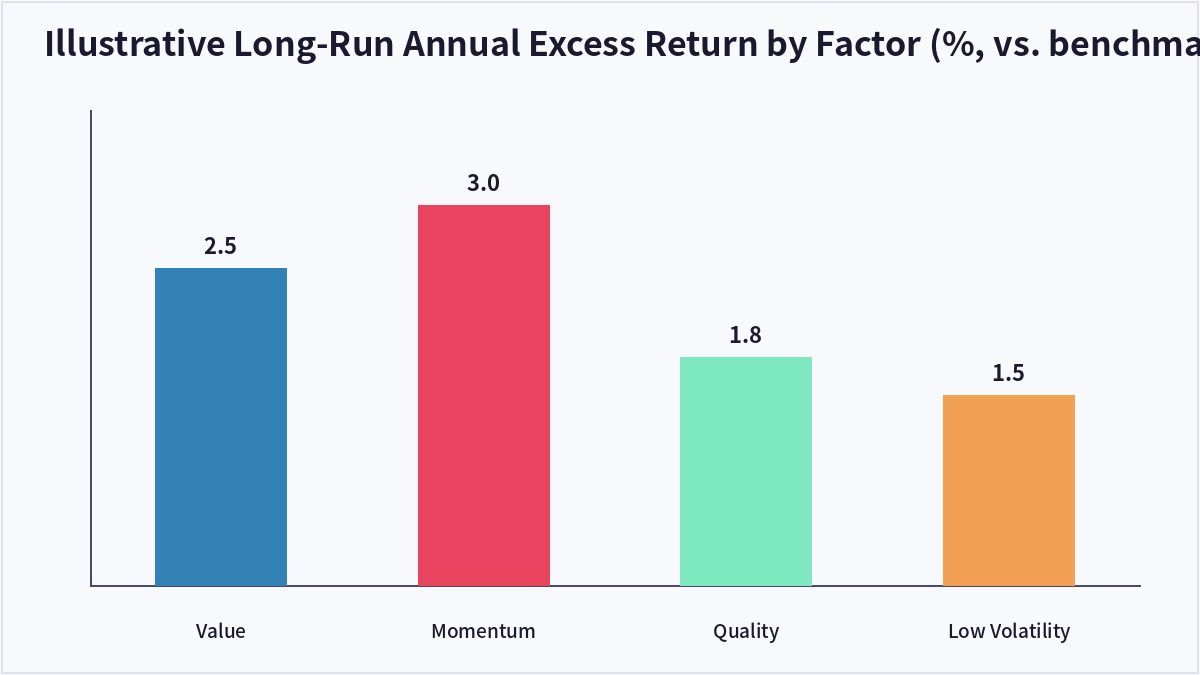
Value targets stocks trading cheaply relative to earnings or assets; momentum targets stocks with strong recent price trends; quality targets companies with strong profitability and balance sheets; and low volatility targets stocks with historically smaller price swings than the market.
| Factor | Example Metric | Tends to Lead |
|---|---|---|
| Value | P/B, P/E, EV/EBITDA | Rising rates, early recovery |
| Momentum | 6-12 month trailing return | Strong, trending bull markets |
| Quality | ROE, leverage, earnings stability | Slowdowns, heightened uncertainty |
| Low Volatility | Beta, annualized volatility | Bear markets, corrections |
Factors Rotate Through Cycles
These four factors don’t move in lockstep — each tends to outperform in different macro and rate environments. Value has historically fared better in rising-rate periods, while low volatility has tended to hold up better during market corrections, based on patterns observed across multiple studies.
Why Multi-Factor Strategies Exist
Because a single factor can underperform for extended periods, many practitioners combine multiple factors into a multi-factor strategy, aiming to smooth out the cyclicality of any one factor and produce a more consistent stream of excess returns over time.
Factor Investing and Smart Beta ETFs
For most individual investors, the most accessible route into factor investing is through smart beta ETFs designed to track a specific factor, offering factor exposure at a lower cost than most actively managed funds.
Frequently Asked Questions
Is factor investing active or passive?
It sits somewhere in between — systematically following a rules-based factor methodology resembles passive investing, but the selection criteria itself embeds an active view on what drives returns.
Do all factors always generate excess returns?
No — each factor can go through extended periods of underperformance relative to the broad market, which is why concentrating in a single factor requires considerable patience and risk tolerance.
How is a factor different from a sector?
A sector is an industry classification, while a factor is a characteristic that cuts across many sectors — for example, low-volatility stocks can be found across utilities, staples, and other defensive industries alike.
What’s a good starting point for factor investing?
Using a well-constructed factor or smart beta ETF tracking a reputable index tends to be more practical for most investors than attempting to hand-select individual stocks based on factor scores.
Key Takeaways
Factor investing targets quantifiable traits like value, momentum, quality, and low volatility that have historically been linked to long-run excess returns, and because each factor cycles differently, diversifying across them matters. This article is for informational purposes only and does not constitute investment advice.

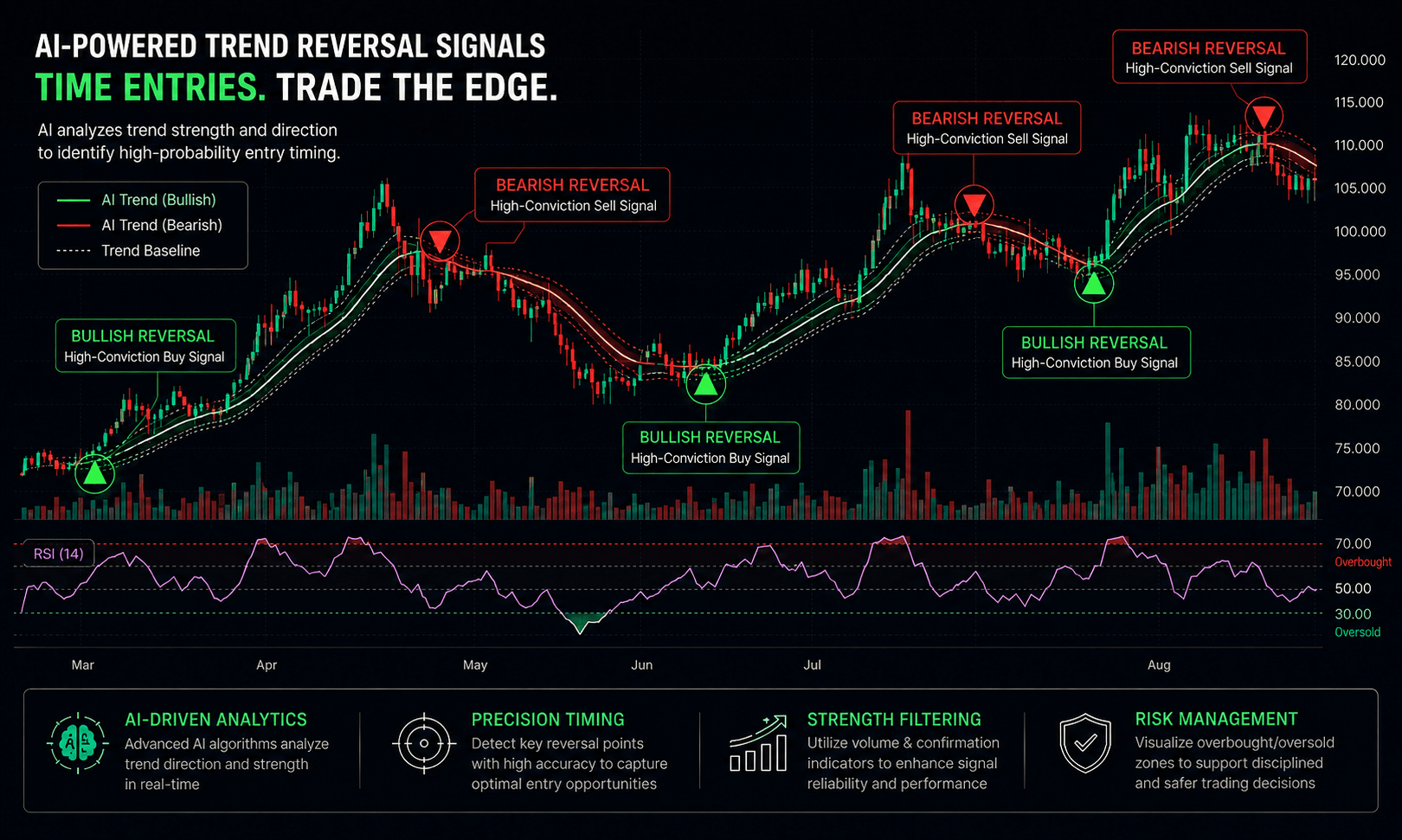
QuantPro: AI Finds the Trade Before You Do
From AI-powered chart analysis to real-time market intelligence — everything a serious investor needs, in one platform.
- Automated AI chart analysis with precision trend timing
- Bull Radar: real-time visualization of geopolitical & economic shifts
- Live market-moving news and insights, curated for you
Bull Wave / Bear Wave Forecast Model
Engineered to help you read market direction and momentum faster than the crowd.
- Instantly separate bullish momentum from bearish pressure
- Pinpoint high-probability entry zones with confidence
- Chart signals clear enough for beginners, sharp enough for pros
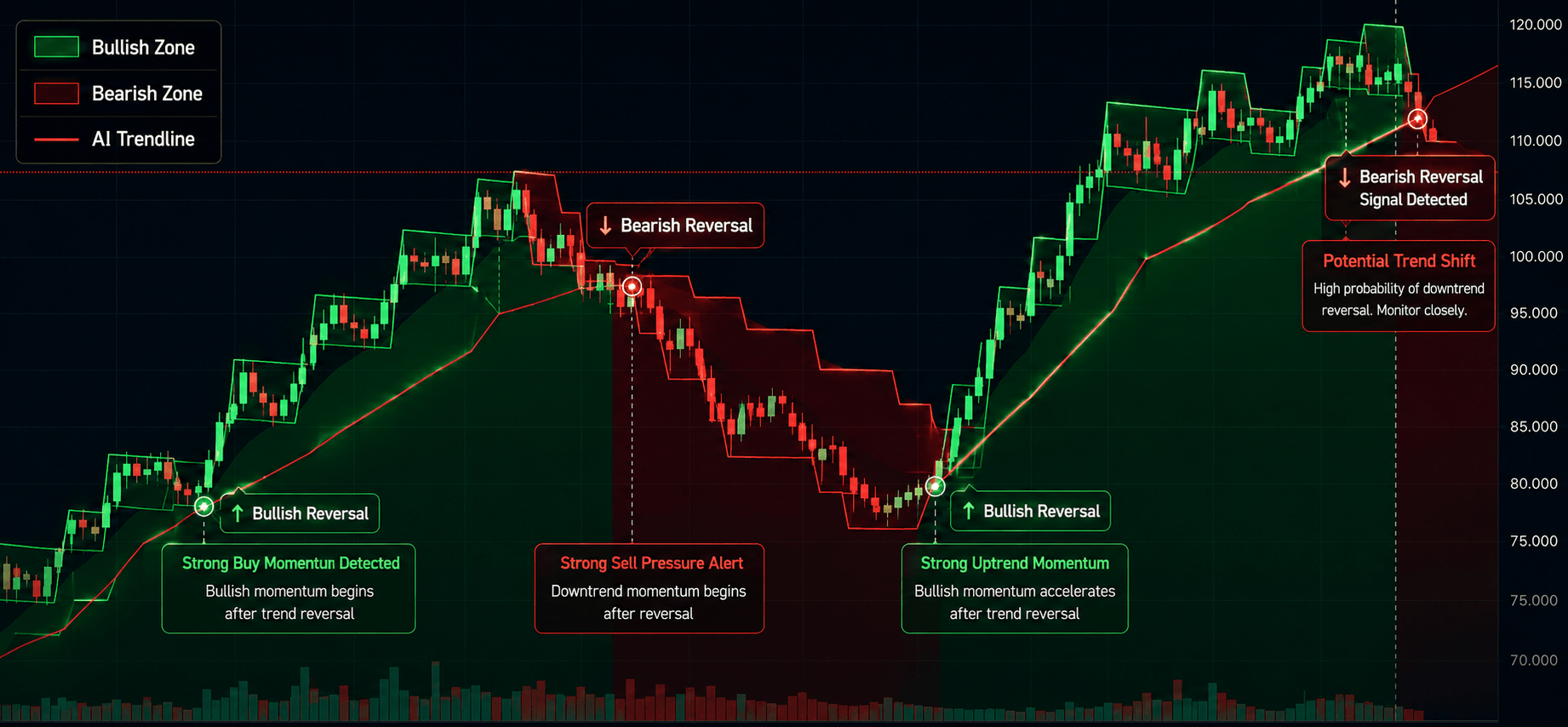
Winning Pattern Detection
Instantly surfaces the high-probability setups that repeat across the charts — a trusted edge for timing your entries and exits.
- Spot momentum building in real time
- Catch trend-reversal points before they break
- Built for active traders who need results, not theory
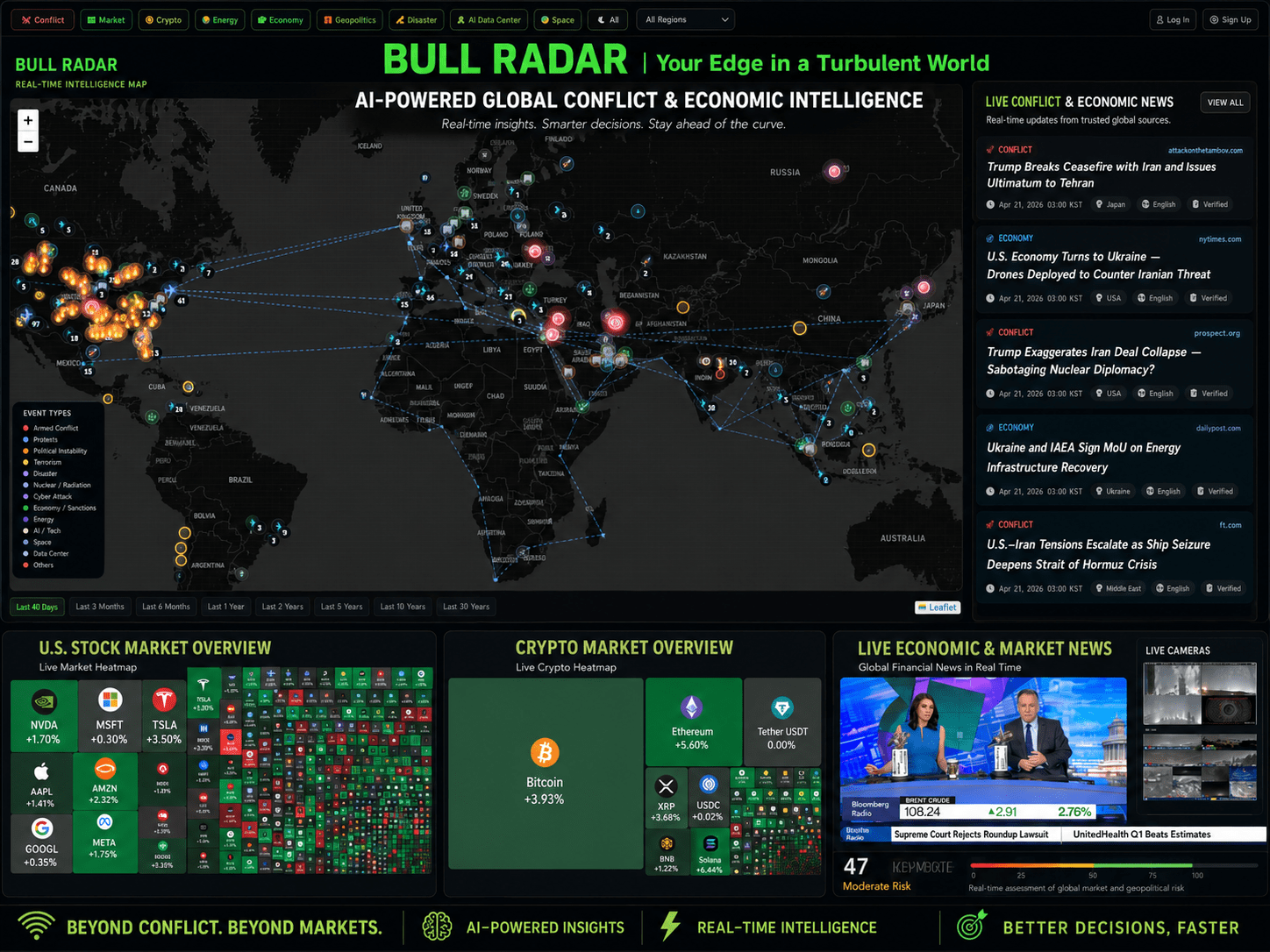
AI Live Economic Dashboard
AI analyzes real-time market data — turning complex, global investment flows into clear insight in seconds.
- Track global stock markets in real time
- See exactly which assets are strong — and which are fading
- Watch how geopolitical events move the markets
About the Author