What Is Jensen’s Alpha
Jensen’s Alpha, developed by economist Michael Jensen in 1968, measures the excess return a portfolio generates above what the Capital Asset Pricing Model (CAPM) would predict given its level of systematic risk (beta). In simple terms, it isolates the portion of a manager’s return that cannot be explained by simply taking on more market risk.
The formula is: Alpha = Actual Portfolio Return − [Risk-Free Rate + Beta × (Market Return − Risk-Free Rate)]. A positive alpha suggests the manager added value through skill, while a negative alpha suggests underperformance relative to the risk taken.
How Alpha Is Calculated in Practice
Step one: estimate beta
Beta is typically estimated through regression of the portfolio’s historical returns against a market benchmark, capturing how sensitive the portfolio is to overall market movements.
Step two: compare to the CAPM benchmark
Once beta is known, the CAPM formula generates an expected return for that risk level. The difference between the portfolio’s actual return and this CAPM-expected return is Jensen’s Alpha.

Why Alpha Matters to Investors
Alpha is one of the most cited metrics for evaluating active fund managers because it directly addresses the question fee-paying investors care about most: is the manager generating returns beyond what could be achieved by simply holding a market-risk-equivalent position? A consistently positive alpha over many periods is a stronger signal than a single good year.
Jensen’s Alpha vs. Sharpe Ratio
| Aspect | Jensen’s Alpha | Sharpe Ratio |
|---|---|---|
| Risk measure used | Systematic risk (beta) | Total risk (standard deviation) |
| Output | Excess return in percentage points | Risk-adjusted return ratio |
| Best used for | Comparing to a CAPM benchmark | Comparing risk-adjusted efficiency broadly |
Frequently Asked Questions
Can Jensen’s Alpha be negative even for a profitable fund?
Yes. A fund can post a positive absolute return yet still have negative alpha if that return falls short of what its beta-implied risk level would predict under CAPM.
Is a high alpha always a sign of manager skill?
Not necessarily. Alpha can be inflated by factors CAPM doesn’t capture, such as exposure to other risk factors (value, momentum, size), so many analysts now use multi-factor models to isolate true skill.
How is Jensen’s Alpha different from simply beating a benchmark?
Beating a benchmark ignores the risk taken to do so. Jensen’s Alpha explicitly adjusts for the portfolio’s beta, so it credits managers only for returns beyond what their risk level would justify.
Do index funds have an alpha of zero?
In theory, a fund that perfectly tracks the market should have an alpha close to zero before fees, and slightly negative after accounting for expense ratios and tracking error.
Key Takeaways
Jensen’s Alpha measures the return a portfolio generates beyond what CAPM predicts for its level of systematic risk, making it a widely used gauge of manager skill. It should be viewed alongside other risk-adjusted metrics like the Sharpe and Treynor ratios rather than in isolation. This article is for informational purposes only and does not constitute investment advice.

QuantPro: AI Finds the Trade Before You Do
From AI-powered chart analysis to real-time market intelligence — everything a serious investor needs, in one platform.
- Automated AI chart analysis with precision trend timing
- Bull Radar: real-time visualization of geopolitical & economic shifts
- Live market-moving news and insights, curated for you
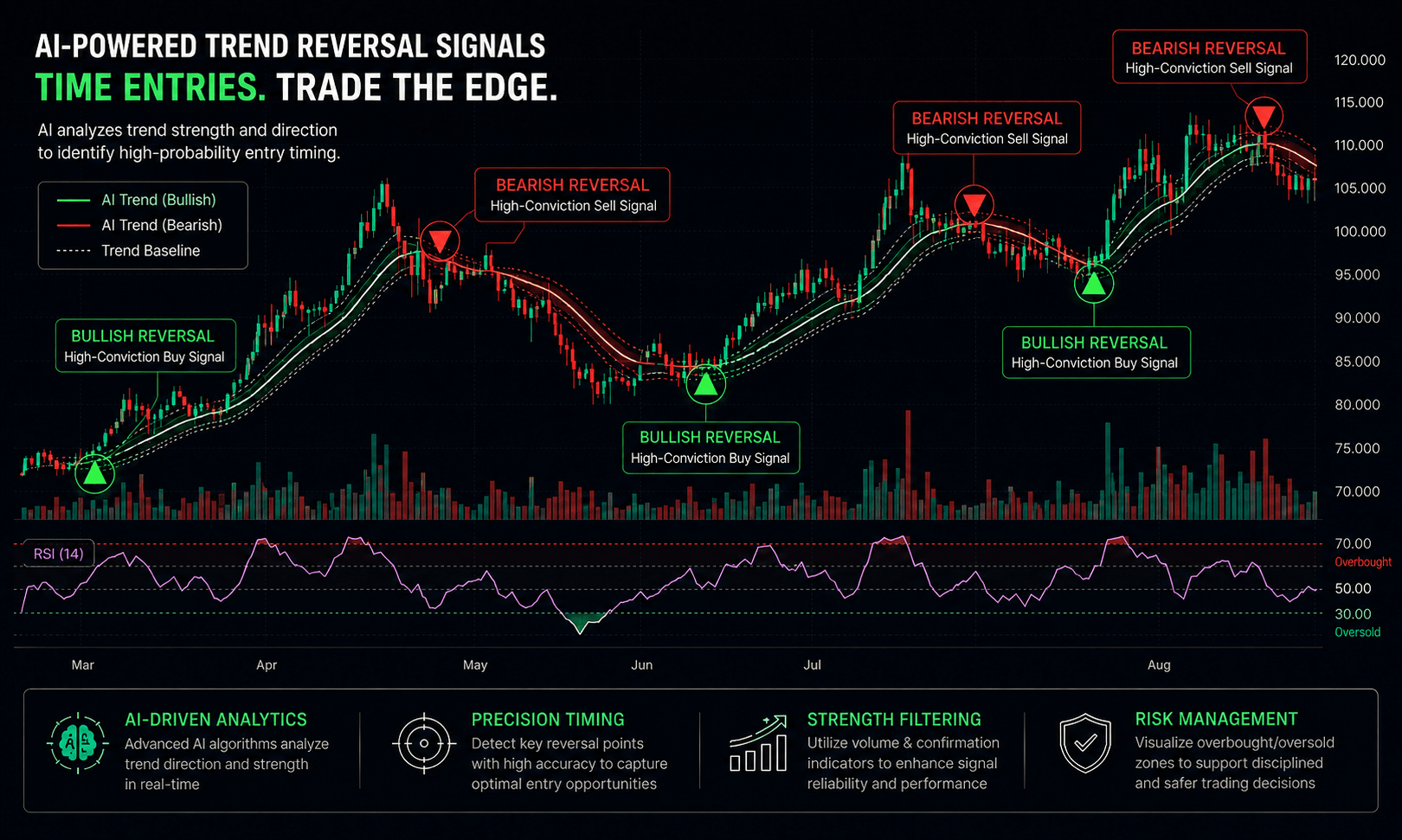
Bull Wave / Bear Wave Forecast Model
Engineered to help you read market direction and momentum faster than the crowd.
- Instantly separate bullish momentum from bearish pressure
- Pinpoint high-probability entry zones with confidence
- Chart signals clear enough for beginners, sharp enough for pros
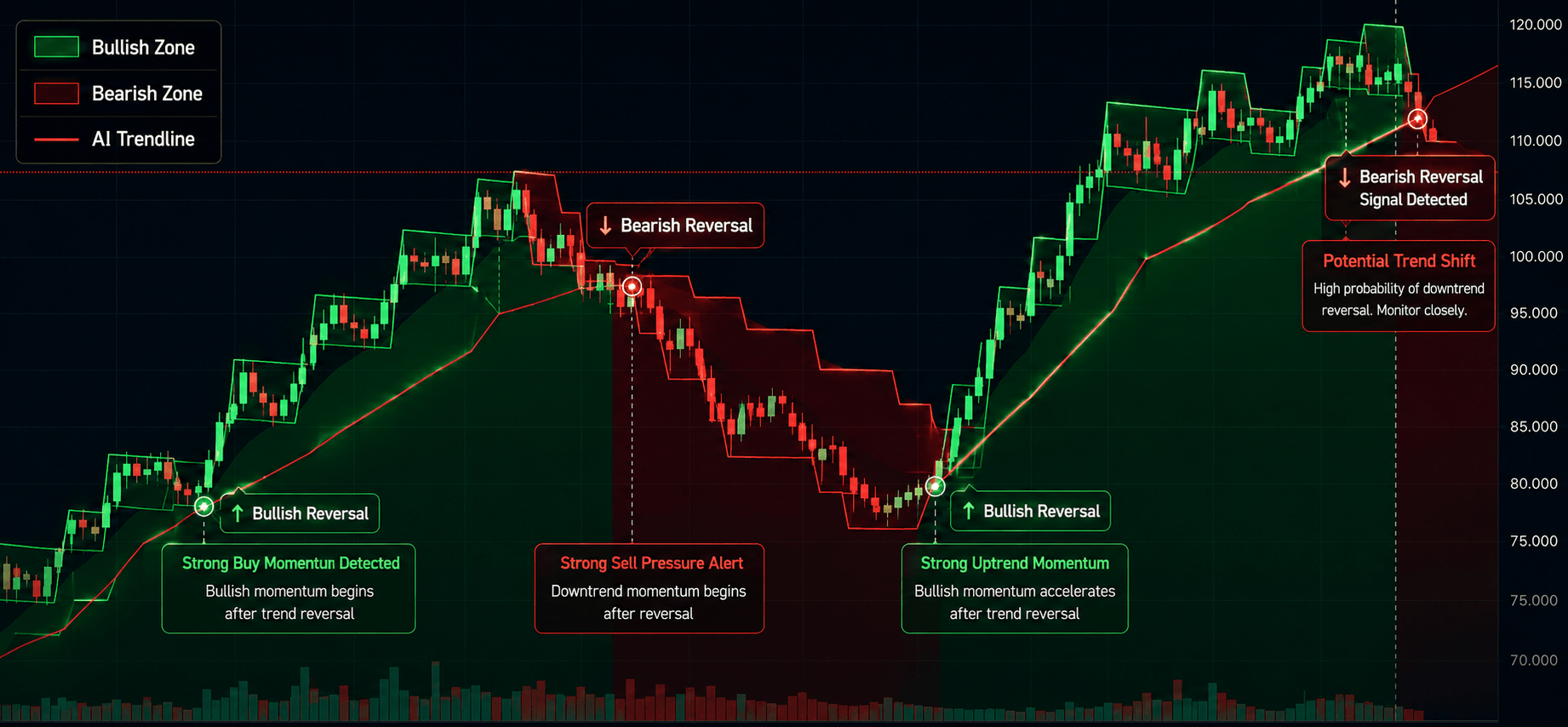
Winning Pattern Detection
Instantly surfaces the high-probability setups that repeat across the charts — a trusted edge for timing your entries and exits.
- Spot momentum building in real time
- Catch trend-reversal points before they break
- Built for active traders who need results, not theory

AI Live Economic Dashboard
AI analyzes real-time market data — turning complex, global investment flows into clear insight in seconds.
- Track global stock markets in real time
- See exactly which assets are strong — and which are fading
- Watch how geopolitical events move the markets
About the Author