What Is a Protective Put
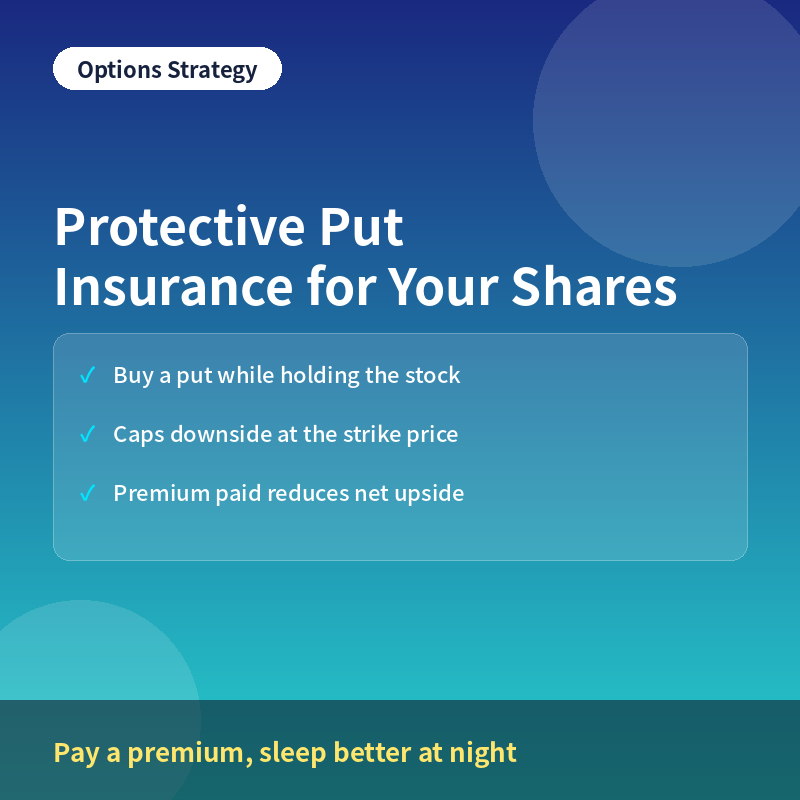
A protective put is an options strategy in which an investor who already owns shares of a stock buys a put option on that same stock to hedge against a decline in price. The put gives the holder the right to sell the shares at the strike price, effectively setting a floor on potential losses.
The strategy is often described as buying ‘insurance’ for a stock position: the investor pays a premium upfront in exchange for protection against a sharp drop, while retaining full participation in any upside beyond the premium cost.
How the Payoff Structure Works
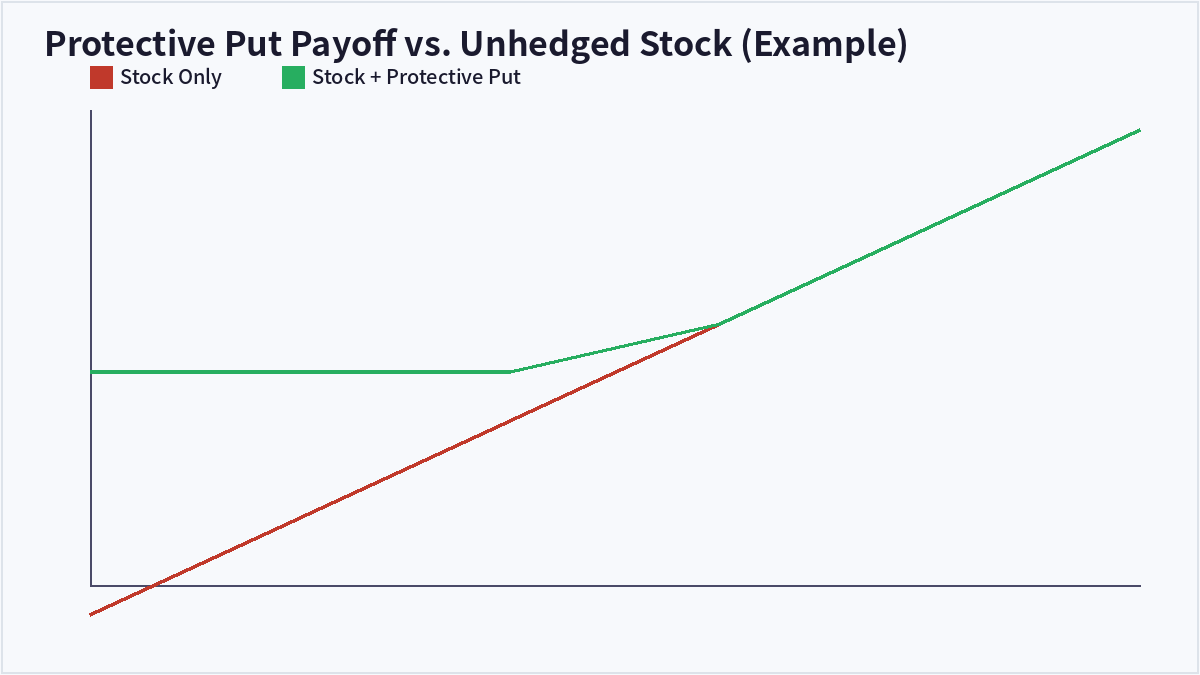
Downside is capped near the strike
If the stock price falls below the strike price, losses on the shares are offset by gains on the put, so the maximum loss is limited to the difference between the purchase price and the strike, plus the premium paid.
Upside is reduced only by the premium
If the stock rises, the put expires worthless, but the investor still benefits fully from the stock’s appreciation minus the cost of the premium — unlike a covered call, where upside is capped.
When Investors Use Protective Puts
This strategy is commonly used ahead of known event risk (earnings, regulatory decisions) or during periods of heightened market uncertainty, when an investor wants to stay invested in a long-term holding without exposing it to a sharp near-term drawdown.
Protective Put vs. Covered Call
| Aspect | Protective Put | Covered Call |
|---|---|---|
| Position added | Buy a put | Sell a call |
| Effect on downside | Limited (floor set) | Only cushioned by premium received |
| Effect on upside | Full upside minus premium | Capped at strike price |
Frequently Asked Questions
How much does a protective put cost?
The cost depends on the option’s premium, which is influenced by the strike price chosen, time to expiration, and implied volatility — generally, closer-to-the-money and longer-dated puts cost more.
Can a protective put lose money even if the stock doesn’t fall?
Yes. If the stock stays flat or the decline is smaller than the premium paid, the cost of the put reduces overall returns, similar to how an insurance premium is a cost even when no claim is filed.
Is a protective put the same as a stop-loss order?
No. A stop-loss order triggers a sale at a certain price with no guarantee of the exact execution price (slippage risk), while a protective put locks in a guaranteed minimum sale price regardless of how far the stock falls.
What’s the maximum loss with a protective put?
The maximum loss is the difference between the stock’s purchase price and the put’s strike price, plus the premium paid for the put, assuming the stock is held to the put’s expiration.
Key Takeaways
A protective put combines a long stock position with a purchased put option to set a floor on potential losses while preserving upside participation. The strategy trades a known, limited premium cost for protection against a sharp decline. This article is for informational purposes only and does not constitute investment advice.

QuantPro: AI Finds the Trade Before You Do
From AI-powered chart analysis to real-time market intelligence — everything a serious investor needs, in one platform.
- Automated AI chart analysis with precision trend timing
- Bull Radar: real-time visualization of geopolitical & economic shifts
- Live market-moving news and insights, curated for you
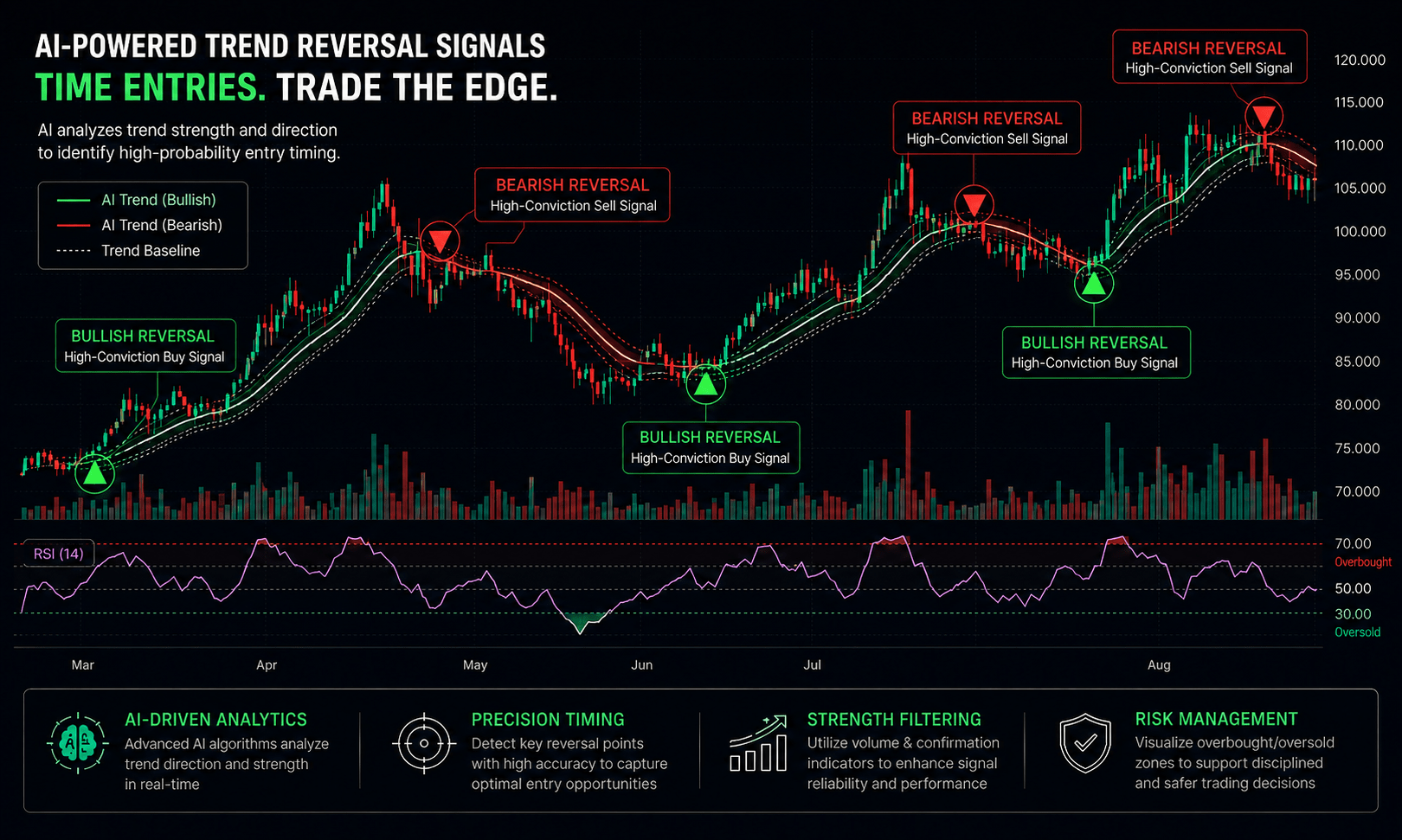
Bull Wave / Bear Wave Forecast Model
Engineered to help you read market direction and momentum faster than the crowd.
- Instantly separate bullish momentum from bearish pressure
- Pinpoint high-probability entry zones with confidence
- Chart signals clear enough for beginners, sharp enough for pros
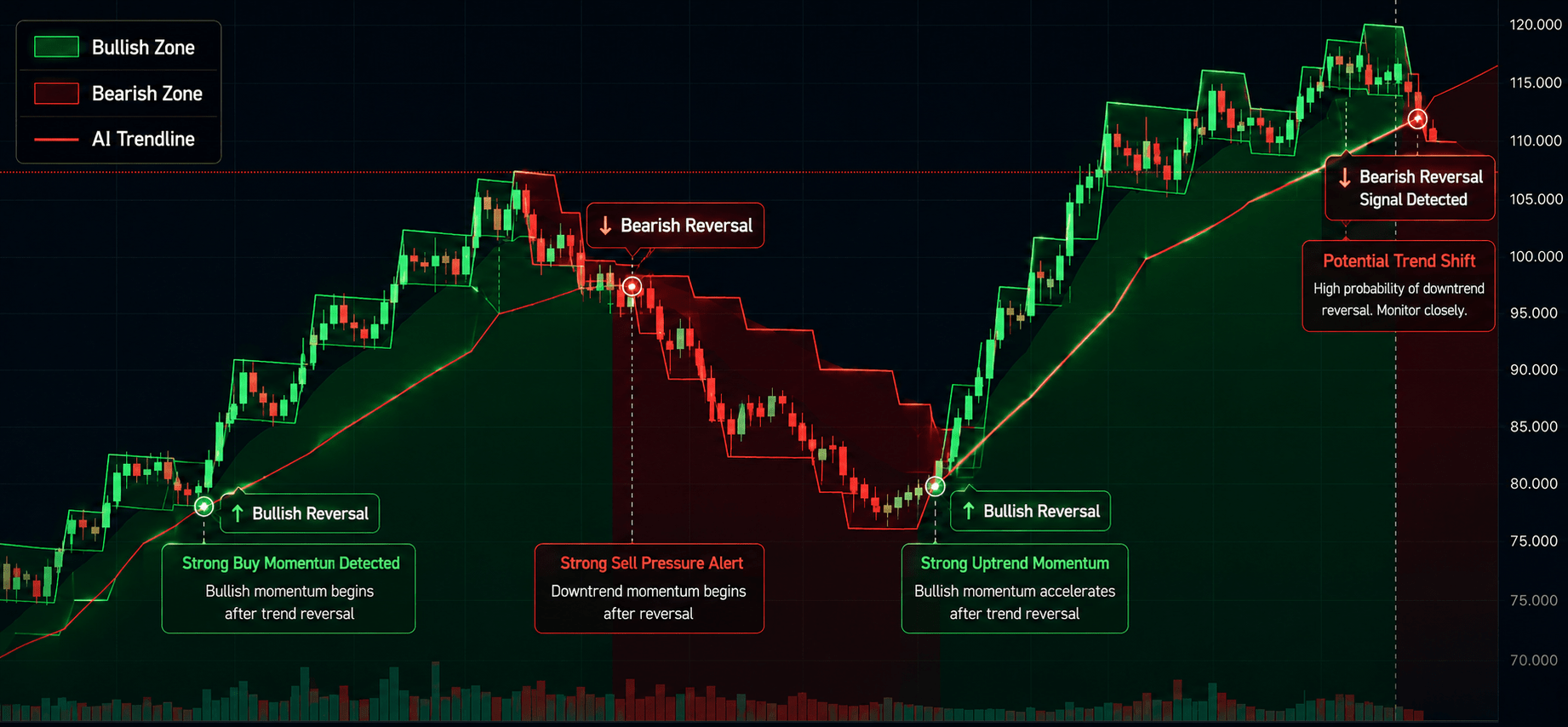
Winning Pattern Detection
Instantly surfaces the high-probability setups that repeat across the charts — a trusted edge for timing your entries and exits.
- Spot momentum building in real time
- Catch trend-reversal points before they break
- Built for active traders who need results, not theory
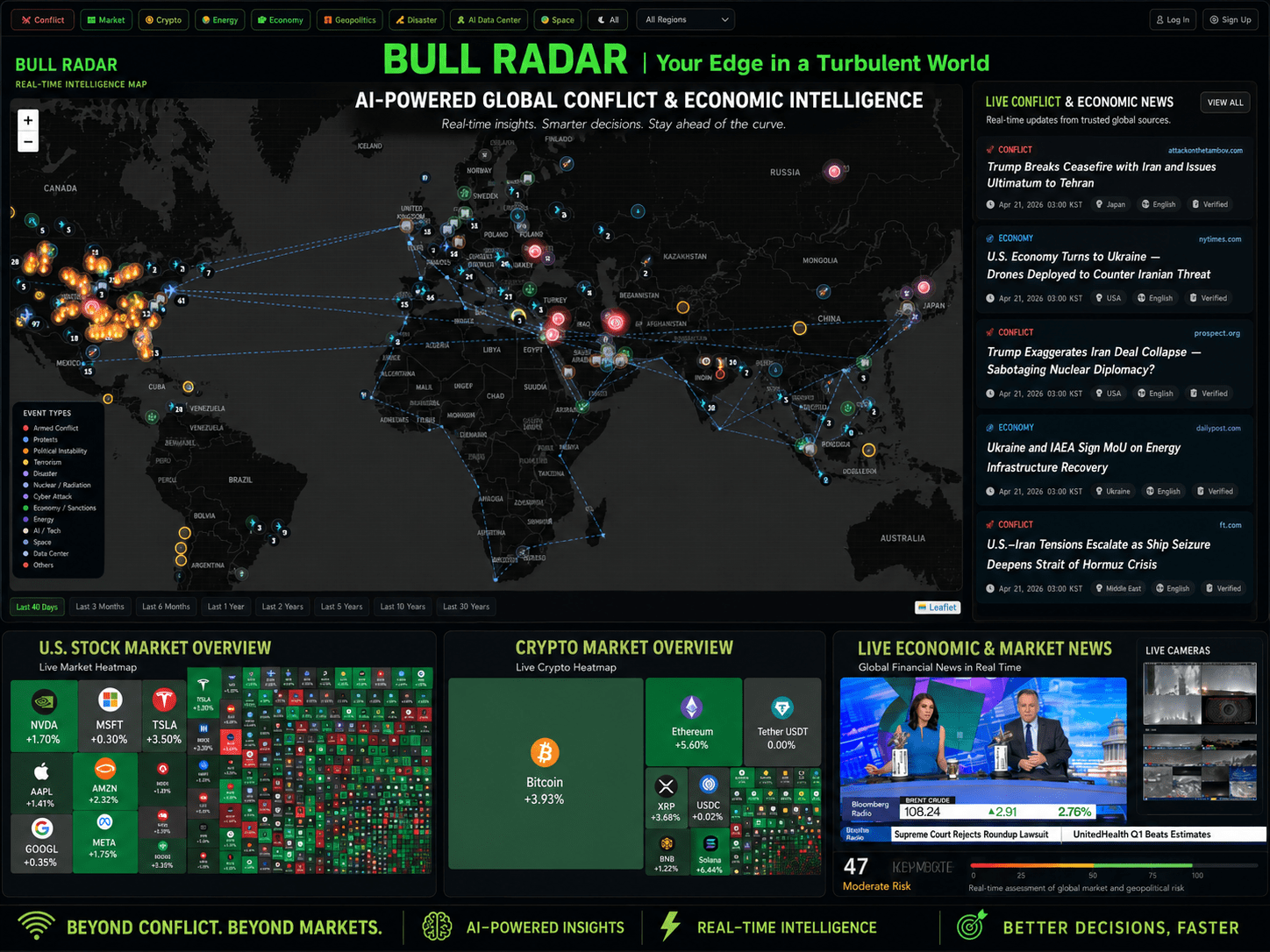
AI Live Economic Dashboard
AI analyzes real-time market data — turning complex, global investment flows into clear insight in seconds.
- Track global stock markets in real time
- See exactly which assets are strong — and which are fading
- Watch how geopolitical events move the markets
About the Author