What Is the VIX?
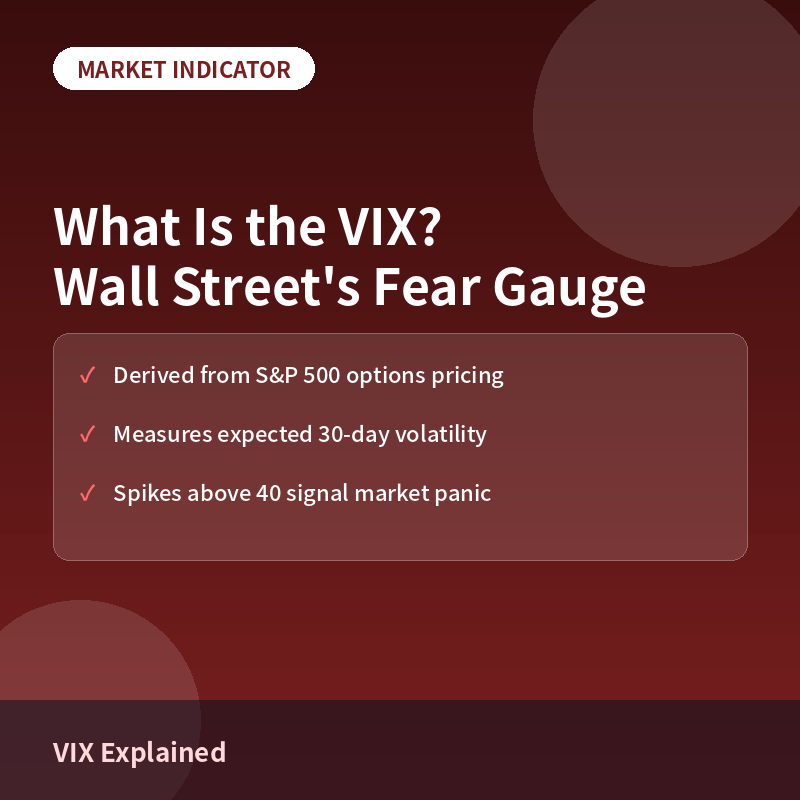
The VIX, formally the CBOE Volatility Index, is a real-time index that measures the market’s expectation of S&P 500 volatility over the next 30 days. It is often called Wall Street’s “fear gauge” because it tends to rise sharply when investors expect turbulence and fall when markets are calm.
How the VIX Is Calculated
The VIX is not derived from the price of a single option. Instead, the CBOE aggregates the weighted prices of a wide range of out-of-the-money S&P 500 (SPX) put and call options across near-term expirations to back out an implied volatility figure. The result is expressed as an annualized percentage. A VIX reading of 20, for example, implies the market expects roughly a 20% annualized move (up or down, one standard deviation) in the S&P 500 over the coming year, scaled to a 30-day window.
Typical VIX Ranges and What They Mean
| VIX Level | Market Interpretation |
|---|---|
| Below 12 | Extreme complacency, very low expected volatility |
| 12 – 20 | Normal, calm market conditions |
| 20 – 30 | Elevated uncertainty |
| 30 – 40 | High fear, significant market stress |
| Above 40 | Panic or crisis conditions |
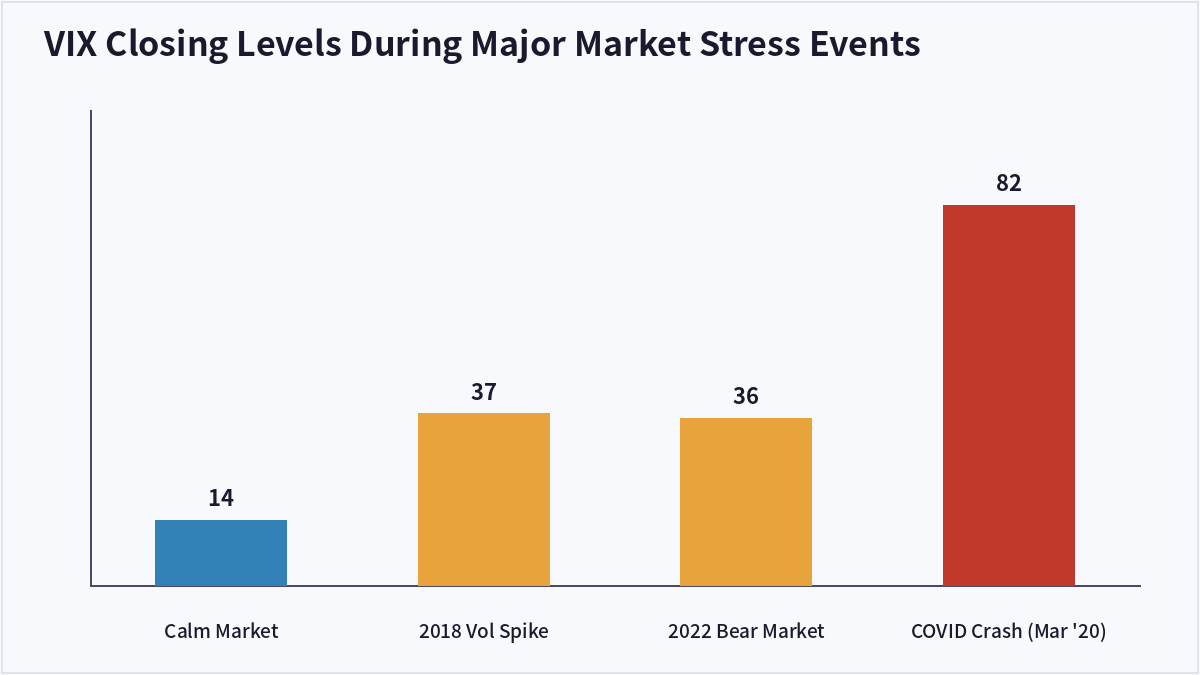
History shows just how far the index can travel outside its normal range. The VIX closed near 14 during calm stretches of the mid-2010s, jumped to about 37 during the February 2018 “Volmageddon” spike, touched roughly 36 at the depths of the 2022 bear market, and rocketed to an intraday record above 80 during the March 2020 COVID crash — more than five times its calm-market baseline.
How Investors and Traders Use the VIX
Hedging Portfolio Risk
Because the VIX tends to move inversely to the S&P 500 and often spikes sharply during sell-offs, some investors use VIX-linked instruments as a hedge against equity drawdowns, aiming to offset losses in a stock portfolio when volatility surges.
Trading VIX-Linked Products
Investors cannot buy the VIX index itself, but they can trade VIX futures, VIX options, and exchange-traded products built on those futures, such as VXX or UVXY. A key complication is that VIX futures usually trade in contango (later-dated contracts priced above near-term ones), which creates a structural cost of carry that erodes long-VIX ETP returns over time even if the spot VIX stays flat.
VIX Limitations
The VIX measures expected magnitude of price moves, not direction — a high reading signals that a big swing is expected, not necessarily a decline. It can also spike further and faster than historical patterns suggest during genuine liquidity crises, and VIX-linked trading products carry their own decay and rebalancing risks separate from the index itself.
Frequently Asked Questions
Can the VIX predict a market crash?
Not directly. The VIX reflects current option pricing and investor sentiment about near-term volatility rather than a forecast of price direction. It typically reacts to and amplifies during a crash rather than reliably predicting one in advance.
What is considered a “high” VIX level?
Readings above roughly 30 are generally considered elevated and signal meaningful market stress, while readings above 40 have historically coincided with acute panic, such as major financial crises or crash events.
Can you trade the VIX directly?
No. The VIX is a calculated index, not a tradable security. Investors gain exposure through VIX futures, VIX options, or exchange-traded products that track those futures contracts.
Why does the VIX spike when stocks fall?
Sharp equity declines increase demand for protective put options, pushing up their implied volatility. Since the VIX is built from a broad set of S&P 500 option prices, that surge in demand for downside protection is reflected directly in a higher VIX reading.
Key Takeaways
The VIX translates S&P 500 option pricing into a single number representing expected 30-day volatility, giving investors a widely watched shorthand for market fear. Readings under 20 generally reflect calm conditions, while readings above 30–40 have historically accompanied serious market stress. This article is for informational purposes only and does not constitute investment advice.
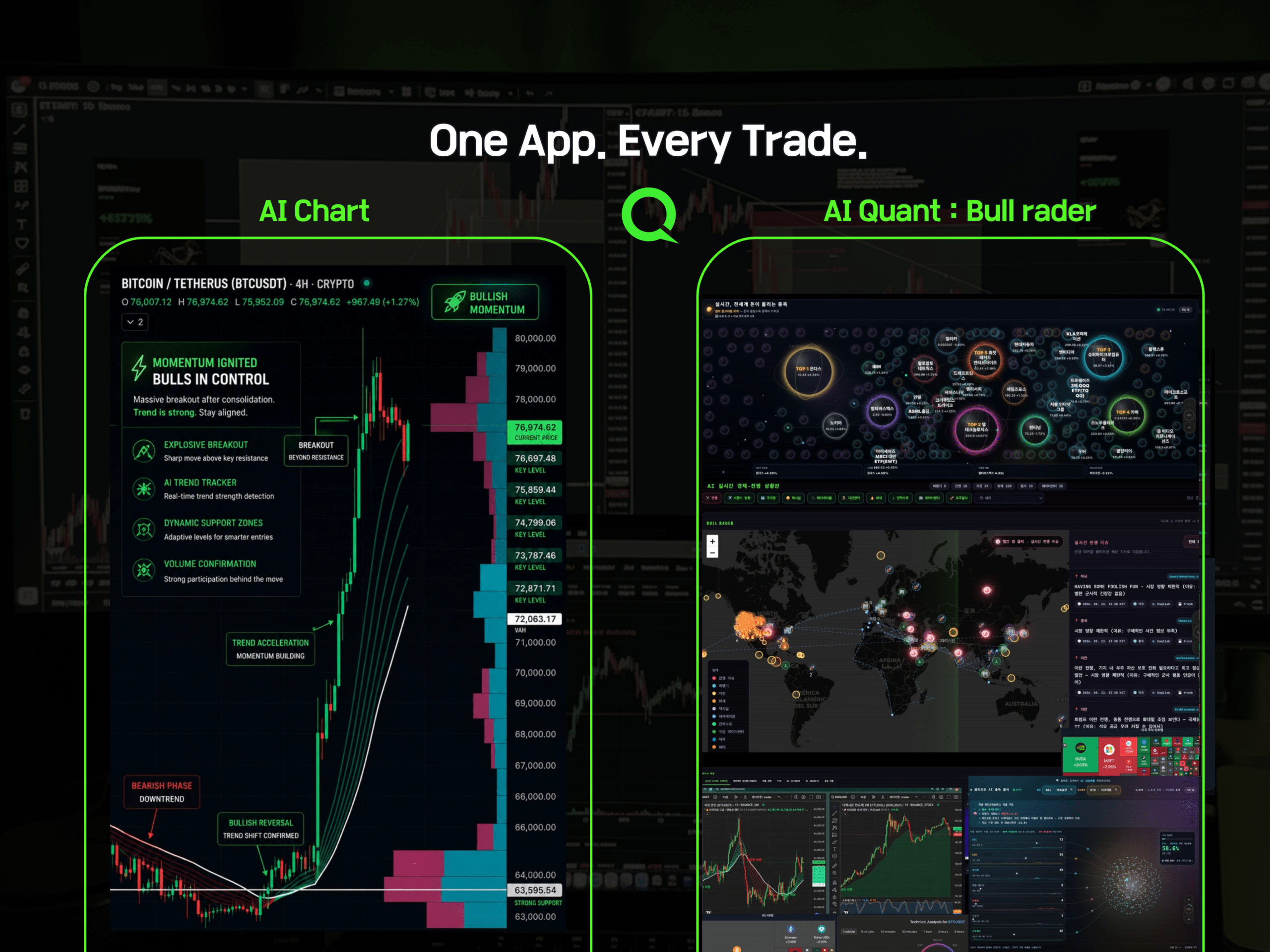
QuantPro: AI Finds the Trade Before You Do
From AI-powered chart analysis to real-time market intelligence — everything a serious investor needs, in one platform.
- Automated AI chart analysis with precision trend timing
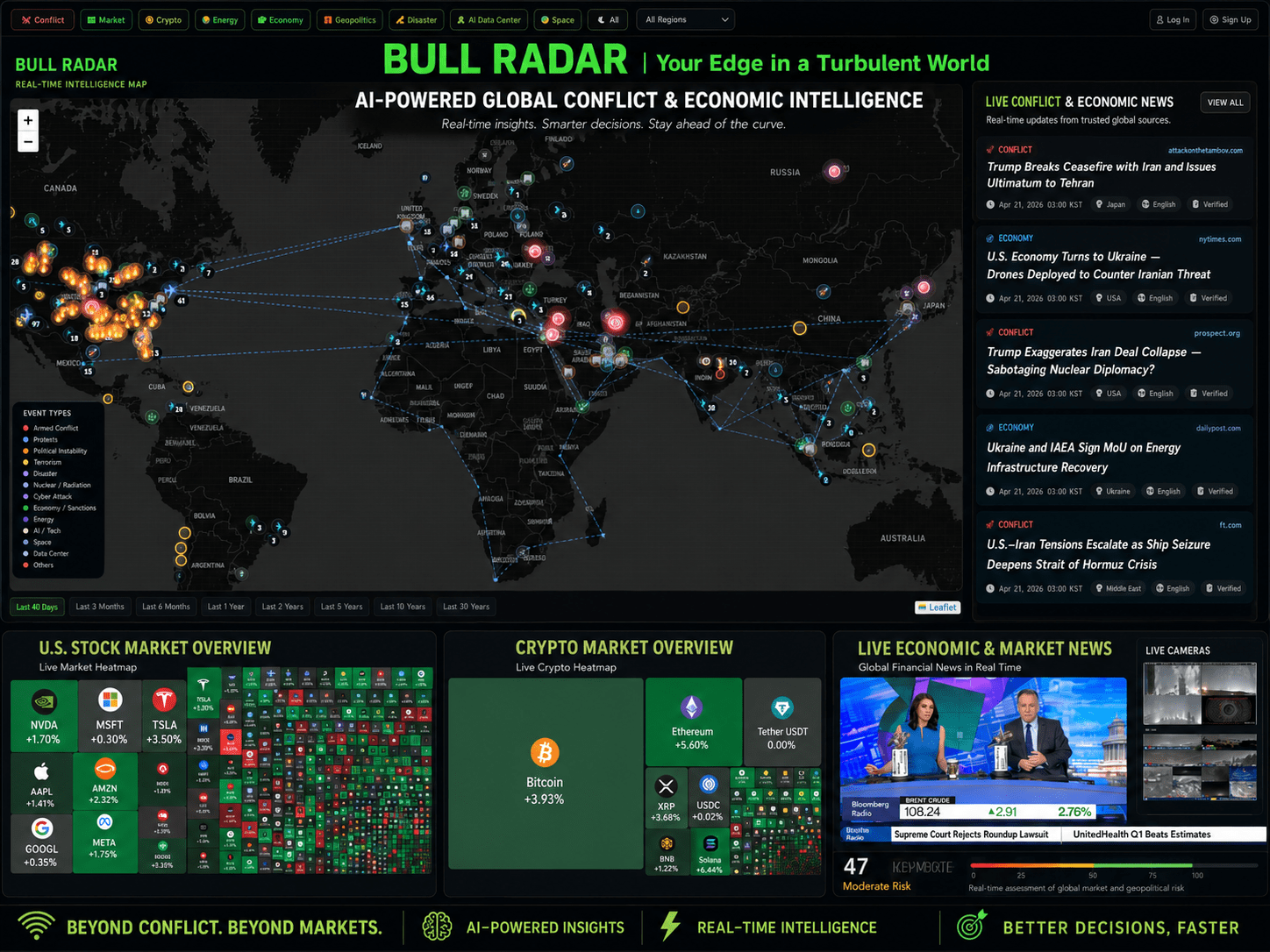
- Bull Radar: real-time visualization of geopolitical & economic shifts
- Live market-moving news and insights, curated for you
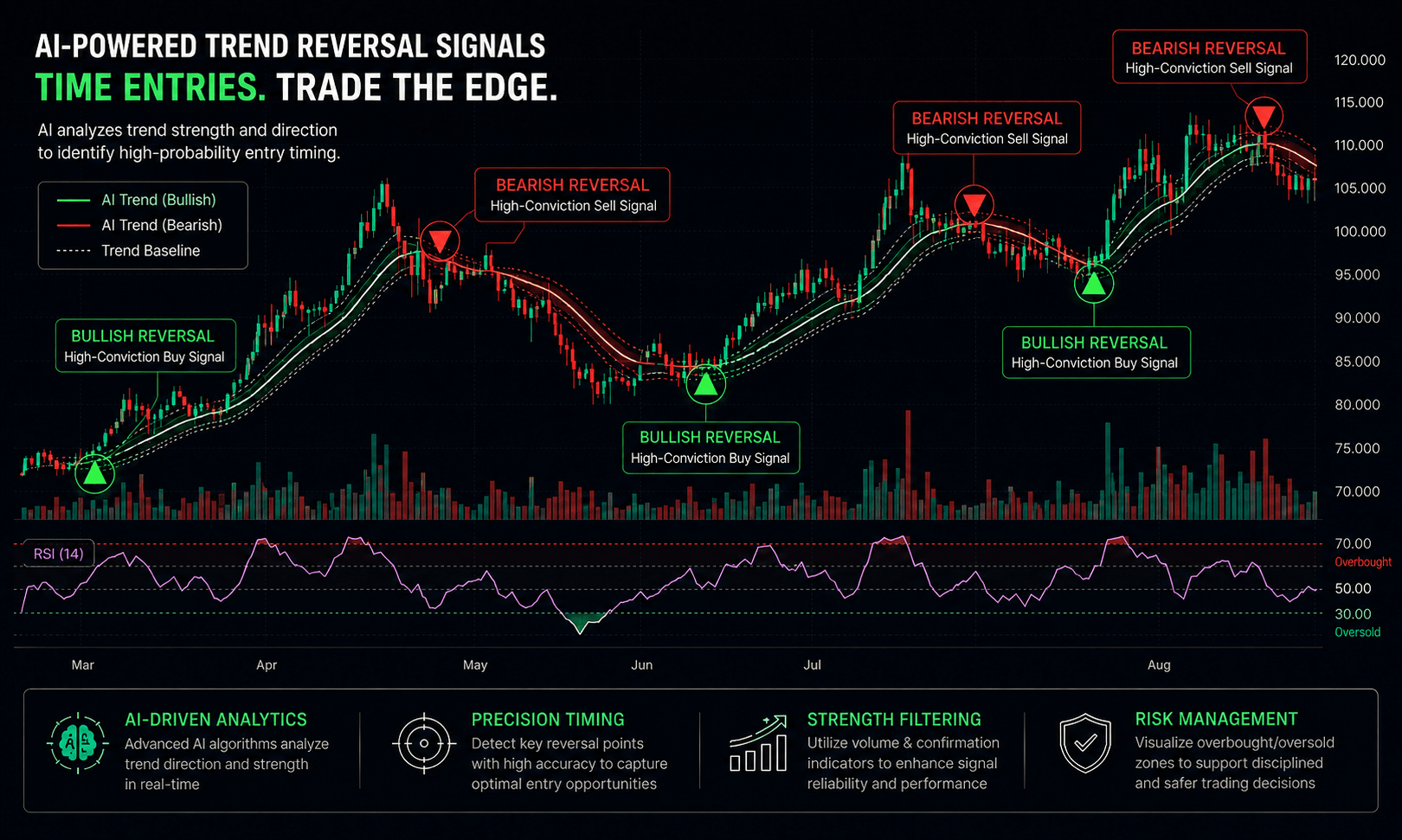
Bull Wave / Bear Wave Forecast Model
Engineered to help you read market direction and momentum faster than the crowd.
- Instantly separate bullish momentum from bearish pressure
- Pinpoint high-probability entry zones with confidence
- Chart signals clear enough for beginners, sharp enough for pros
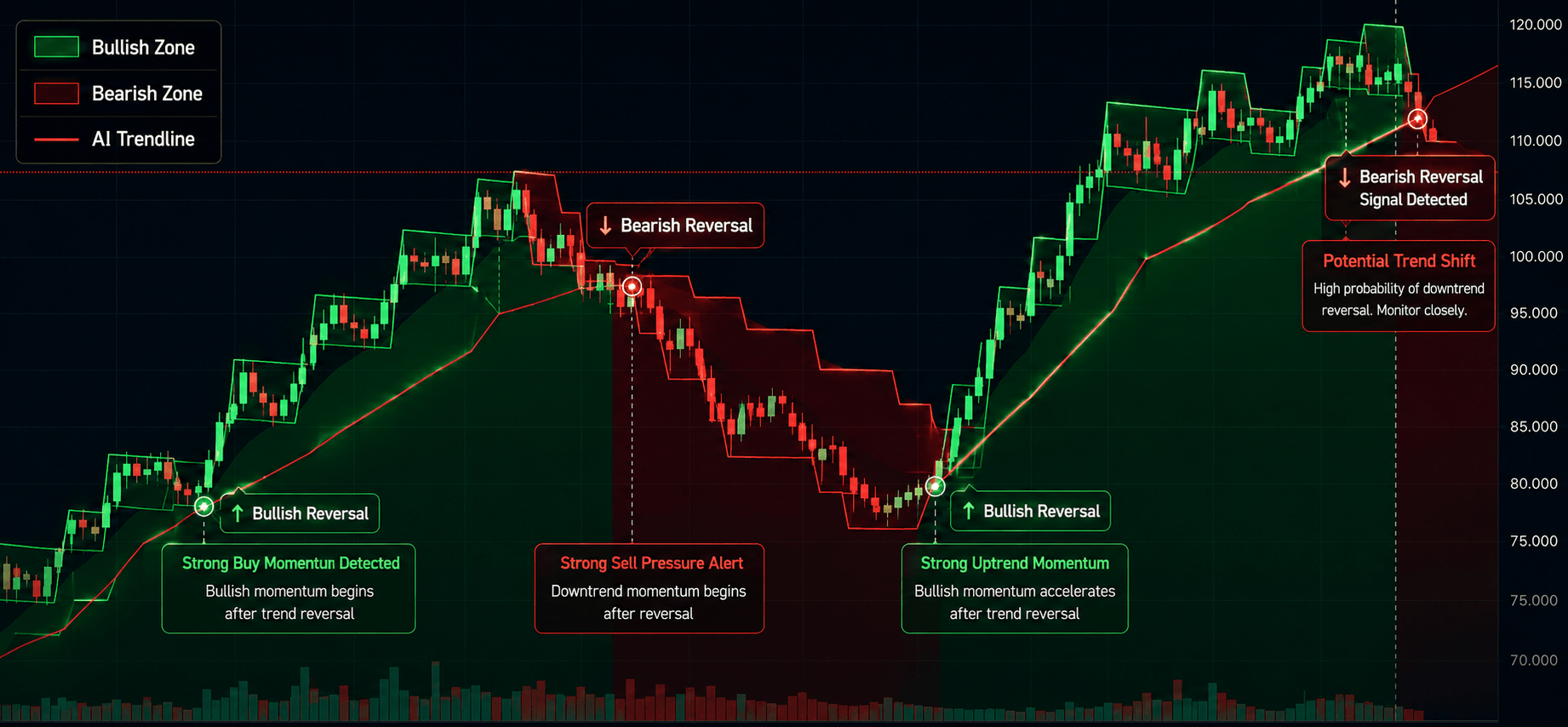
Winning Pattern Detection
Instantly surfaces the high-probability setups that repeat across the charts — a trusted edge for timing your entries and exits.
- Spot momentum building in real time
- Catch trend-reversal points before they break
- Built for active traders who need results, not theory
AI Live Economic Dashboard
AI analyzes real-time market data — turning complex, global investment flows into clear insight in seconds.
- Track global stock markets in real time
- See exactly which assets are strong — and which are fading
- Watch how geopolitical events move the markets
About the Author