What Is Value Investing?
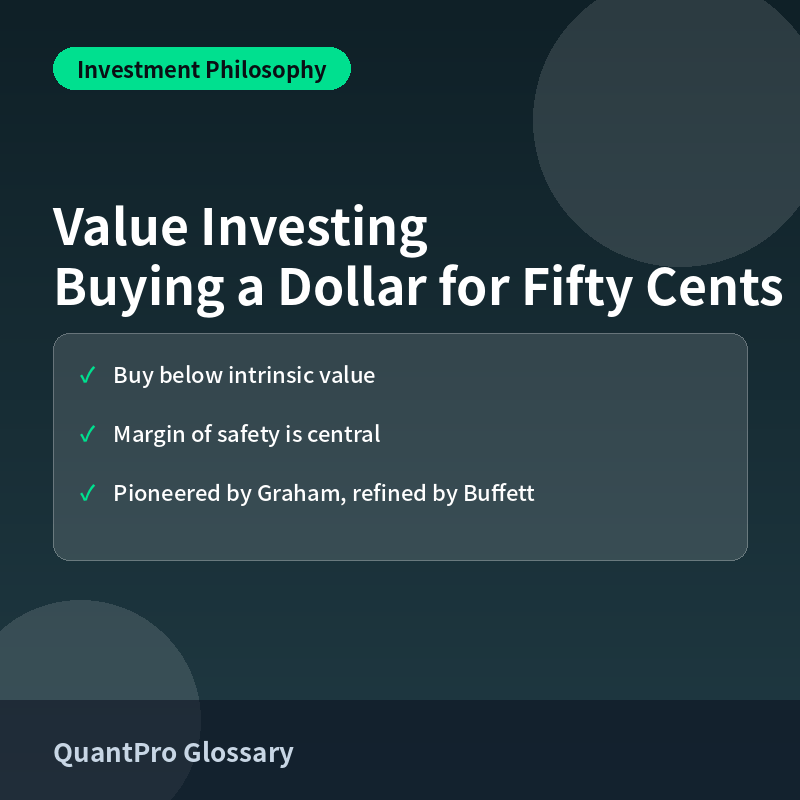
Value investing is an investment philosophy centered on identifying stocks whose current market price is trading below their estimated intrinsic (true underlying) value, then buying and holding those shares until the market eventually recognizes and corrects that mispricing. The strategy was pioneered by economist Benjamin Graham in the 1930s and later popularized on a global scale by his most famous student, Warren Buffett.
The Core Concept: Margin of Safety
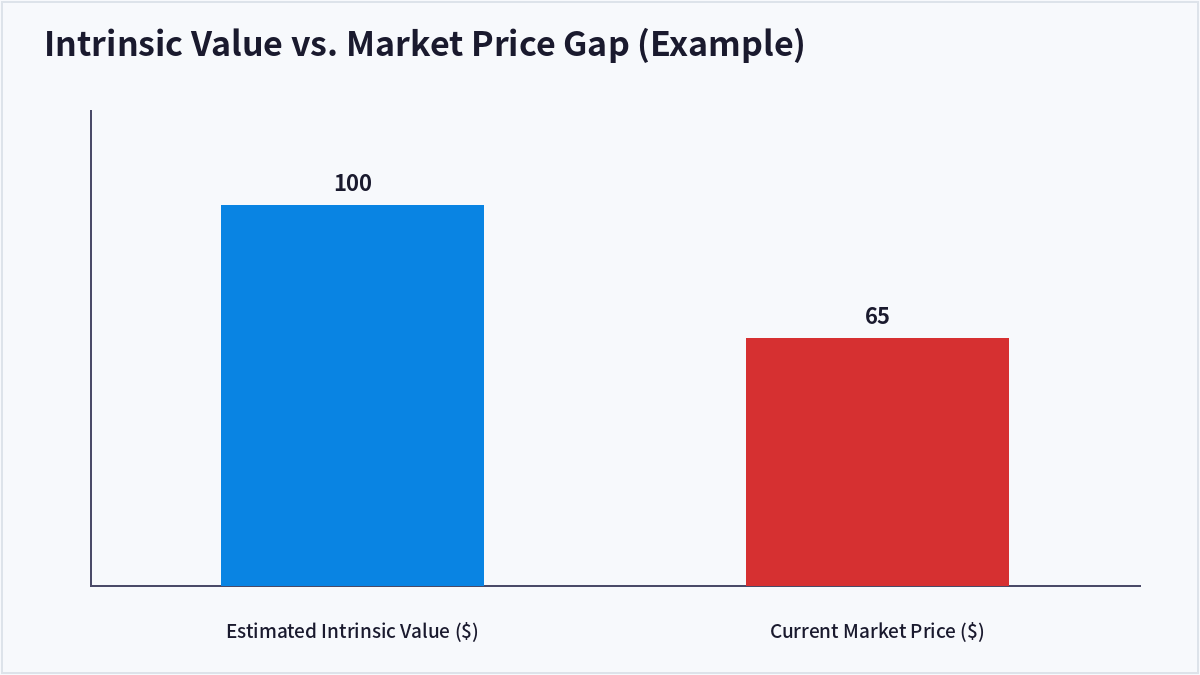
Central to value investing is the concept of a ‘margin of safety’ — the gap between a stock’s estimated intrinsic value and its current market price. By only buying stocks with a substantial discount, investors build in a cushion against errors in their own valuation estimates or unforeseen negative developments, reducing downside risk while preserving significant upside potential if the stock eventually reprices toward its true value.
How Value Investors Identify Opportunities
Low Valuation Multiples
Value investors often screen for stocks with low price-to-earnings (P/E) or price-to-book (P/B) ratios relative to their historical averages or industry peers, as a starting point for further fundamental research.
Strong Underlying Business Fundamentals
Beyond just being statistically cheap, true value investors emphasize businesses with durable competitive advantages, consistent cash flow generation, and manageable debt levels — distinguishing genuine bargains from stocks that are cheap for good reason (a ‘value trap’).
| Concept | Value Investing Focus | Contrast |
|---|---|---|
| Price vs. Value | Buy below intrinsic value | Growth investing often accepts high current prices |
| Risk Management | Margin of safety | Provides downside cushion |
| Time Horizon | Long-term, patient | Waits for market to recognize value |
Frequently Asked Questions
What’s the risk of value investing?
The main risk is falling into a ‘value trap’ — a stock that appears cheap based on valuation metrics but is actually declining due to a genuinely deteriorating business, meaning the low price is justified rather than a true bargain.
How is intrinsic value calculated?
Common approaches include discounted cash flow (DCF) analysis, which estimates the present value of a company’s future cash flows, as well as comparing valuation multiples against historical norms and industry peers.
Is value investing still relevant today?
While growth stocks have significantly outperformed value stocks over parts of the past decade, value investing as a discipline remains widely practiced, and many investors believe valuation discipline becomes increasingly important during periods of market uncertainty.
How does value investing differ from growth investing?
Value investing prioritizes buying assets below their calculated worth today, while growth investing focuses on companies expected to grow earnings rapidly, often accepting higher current valuations in anticipation of future expansion.
Key Takeaways
Value investing involves buying stocks trading below their estimated intrinsic value and relying on a margin of safety to manage risk. Success requires distinguishing genuine bargains from value traps by focusing on durable business fundamentals, not just low valuation multiples. This article is for informational purposes only and does not constitute investment advice.

QuantPro: AI Finds the Trade Before You Do
From AI-powered chart analysis to real-time market intelligence — everything a serious investor needs, in one platform.
- Automated AI chart analysis with precision trend timing
- Bull Radar: real-time visualization of geopolitical & economic shifts
- Live market-moving news and insights, curated for you
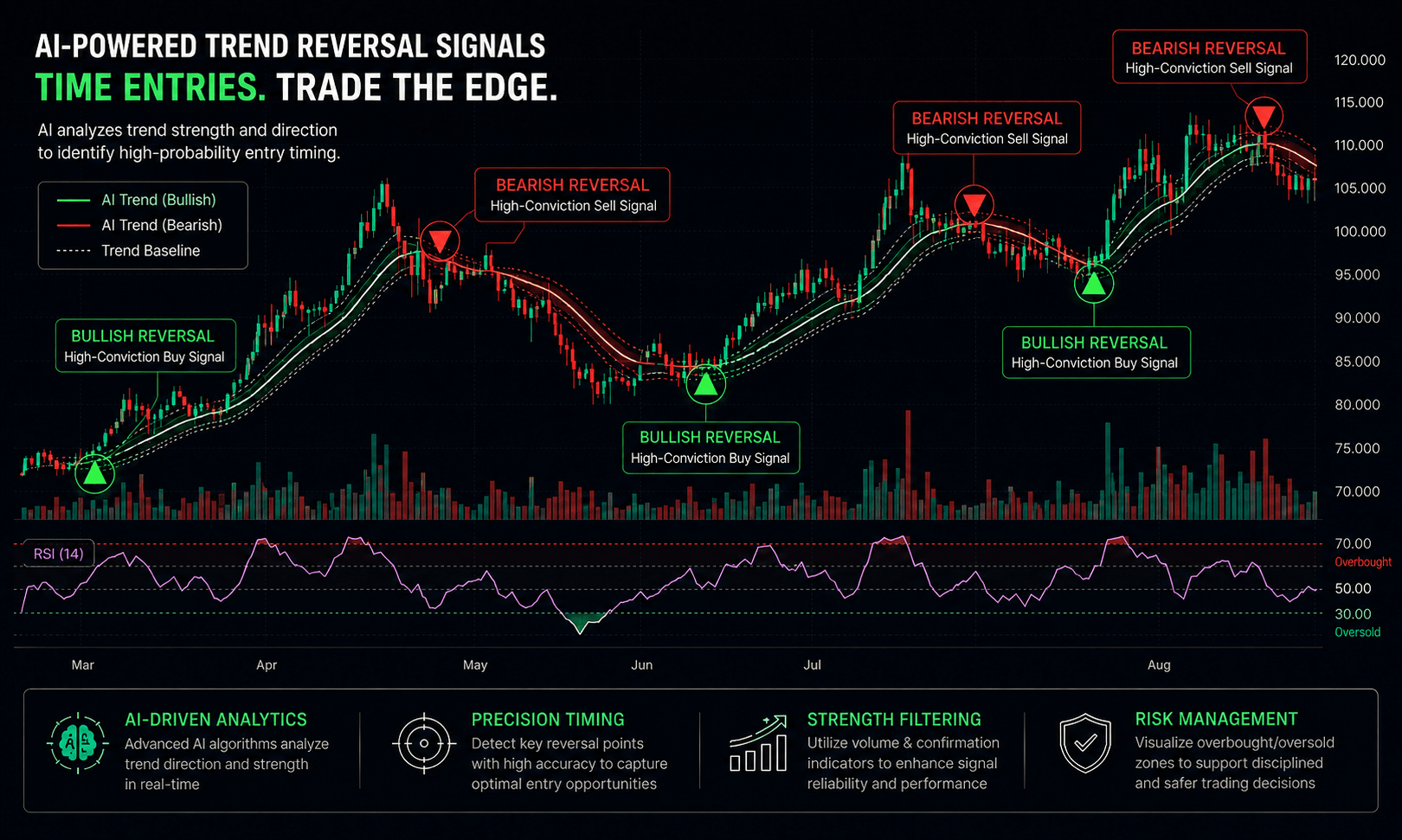
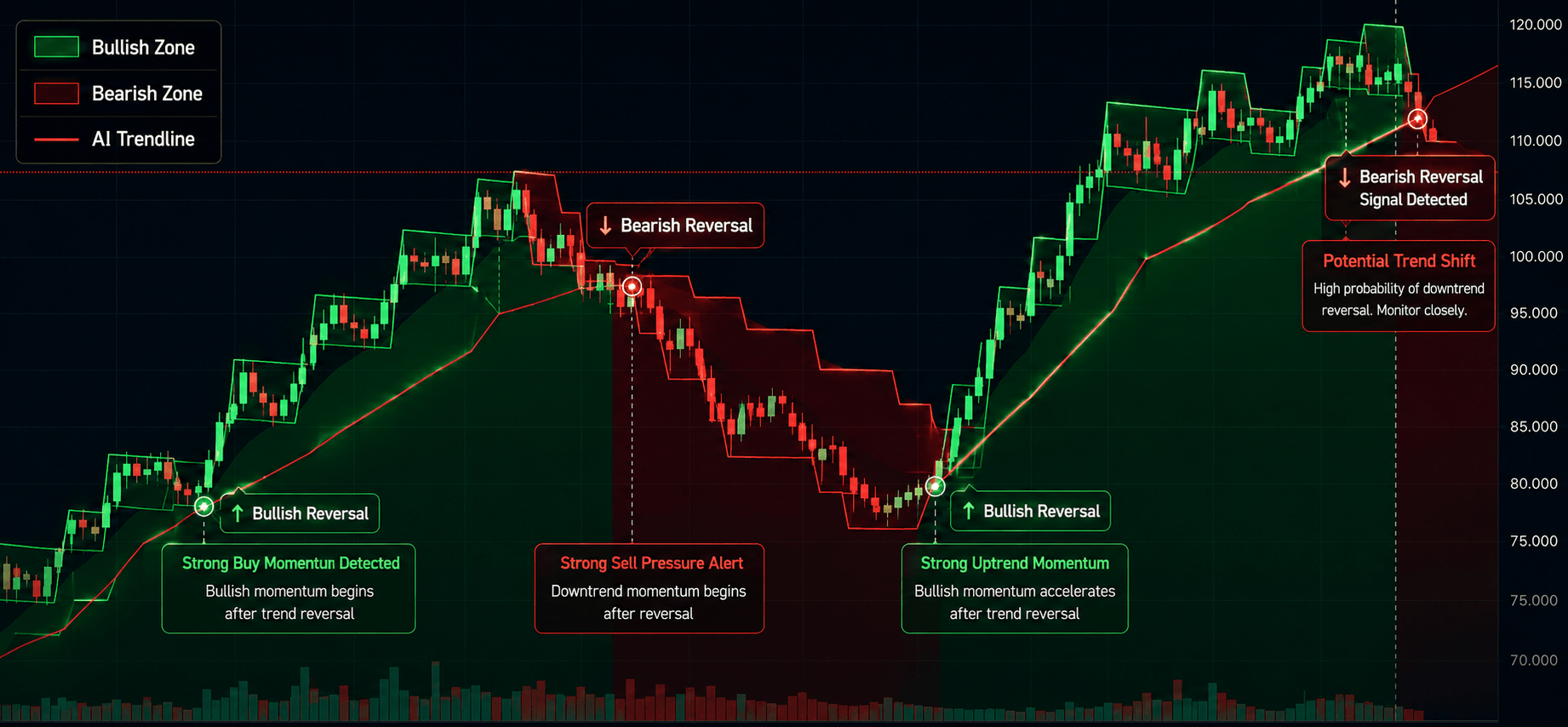
Bull Wave / Bear Wave Forecast Model
Engineered to help you read market direction and momentum faster than the crowd.
- Instantly separate bullish momentum from bearish pressure
- Pinpoint high-probability entry zones with confidence
- Chart signals clear enough for beginners, sharp enough for pros
Winning Pattern Detection
Instantly surfaces the high-probability setups that repeat across the charts — a trusted edge for timing your entries and exits.
- Spot momentum building in real time
- Catch trend-reversal points before they break
- Built for active traders who need results, not theory

AI Live Economic Dashboard
AI analyzes real-time market data — turning complex, global investment flows into clear insight in seconds.
- Track global stock markets in real time
- See exactly which assets are strong — and which are fading
- Watch how geopolitical events move the markets
About the Author