What Is the Dollar Index (DXY)?
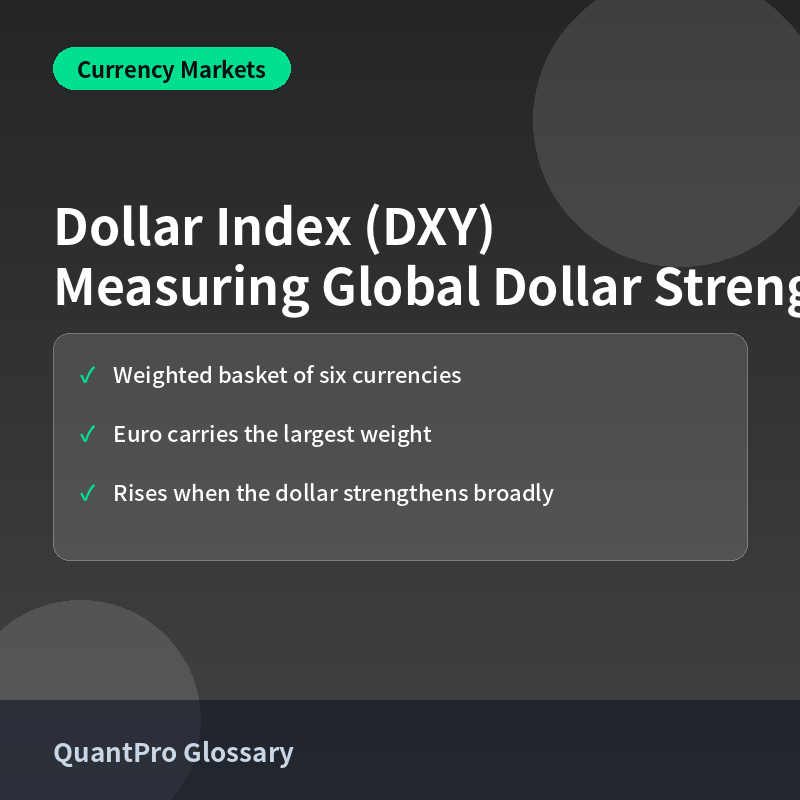
The U.S. Dollar Index, commonly known by its ticker DXY, measures the value of the U.S. dollar relative to a weighted basket of six major foreign currencies: the euro, Japanese yen, British pound, Canadian dollar, Swedish krona, and Swiss franc. Rather than showing the dollar’s value against any single currency, it provides a broad, single-number gauge of the dollar’s overall strength or weakness in global currency markets.
Why the Euro Dominates the Weighting
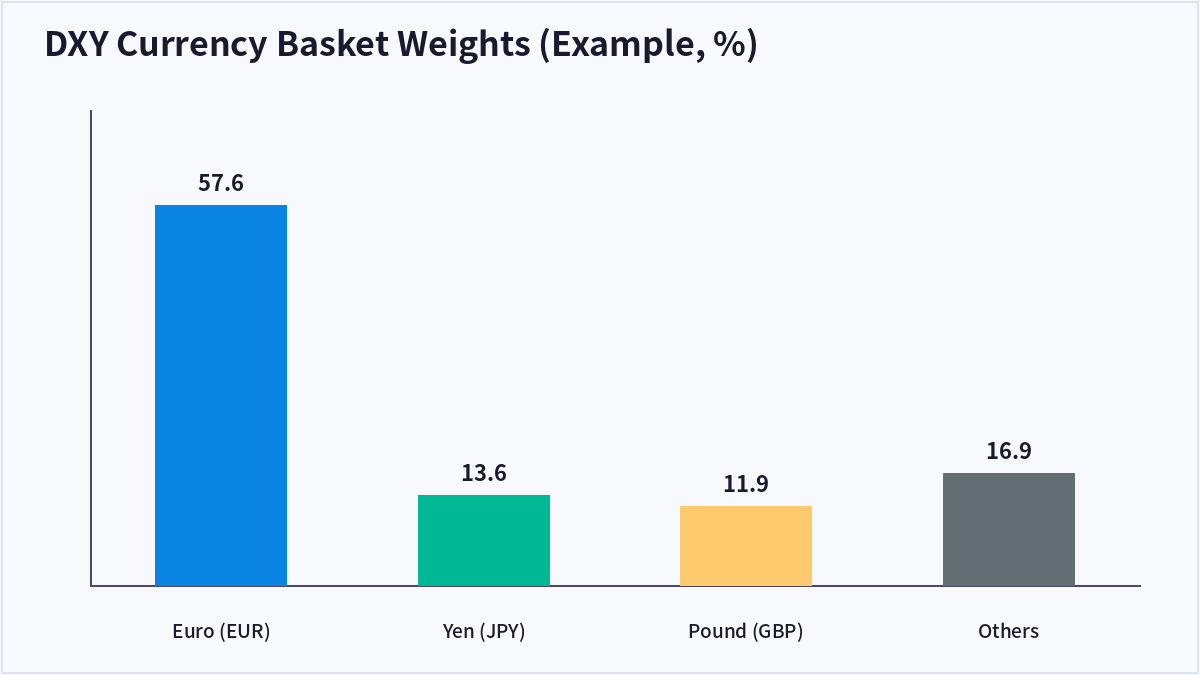
The euro carries by far the largest weight in the index, at roughly 57.6%, reflecting the historical significance of trade between the U.S. and the Eurozone at the time the index was established in 1973. This heavy euro weighting means that movements in the EUR/USD exchange rate tend to have an outsized influence on the overall DXY level compared to the other five currencies combined.
Why the DXY Matters for Investors
Impact on Multinational Corporate Earnings
A strong dollar can reduce the reported earnings of U.S. companies with significant overseas revenue, since foreign sales translate into fewer dollars, while a weaker dollar can provide a tailwind to those same companies’ reported results.
Relationship With Commodities and Emerging Markets
Because most global commodities are priced in dollars, a stronger dollar often makes those commodities more expensive for buyers using other currencies, which can weigh on commodity demand and pressure emerging market economies that carry significant dollar-denominated debt.
| Dollar Direction | Effect on Commodities | Effect on Multinational Earnings |
|---|---|---|
| Dollar Strengthens | Often pressures prices lower | Can reduce reported foreign earnings |
| Dollar Weakens | Often supports prices higher | Can boost reported foreign earnings |
Frequently Asked Questions
Can I invest directly in the DXY?
You cannot invest directly in the index itself, but there are exchange-traded funds (ETFs) and futures contracts designed to track its movements, allowing investors to gain exposure to broad dollar strength or weakness.
What typically drives the dollar index higher?
Common drivers include relatively higher U.S. interest rates compared to other major economies, safe-haven demand during periods of global economic uncertainty, and stronger relative U.S. economic growth.
Why doesn’t the DXY include the Chinese yuan?
The index’s composition reflects the major trading partners of the U.S. as they existed in 1973, when it was first established, and the basket has not been substantially updated to reflect the significant shifts in global trade patterns since then.
How does the DXY relate to the Korean won or other Asian currencies?
While the won isn’t part of the DXY basket, the dollar’s broad trend as reflected in the DXY often correlates with movements in other currencies globally, including the won, though country-specific factors also play a major role.
Key Takeaways
The Dollar Index (DXY) measures the U.S. dollar’s strength against a basket of six major currencies, heavily weighted toward the euro. Its movements have wide-reaching implications for commodity prices, multinational corporate earnings, and emerging market economies. This article is for informational purposes only and does not constitute investment advice.

QuantPro: AI Finds the Trade Before You Do
From AI-powered chart analysis to real-time market intelligence — everything a serious investor needs, in one platform.
- Automated AI chart analysis with precision trend timing
- Bull Radar: real-time visualization of geopolitical & economic shifts
- Live market-moving news and insights, curated for you
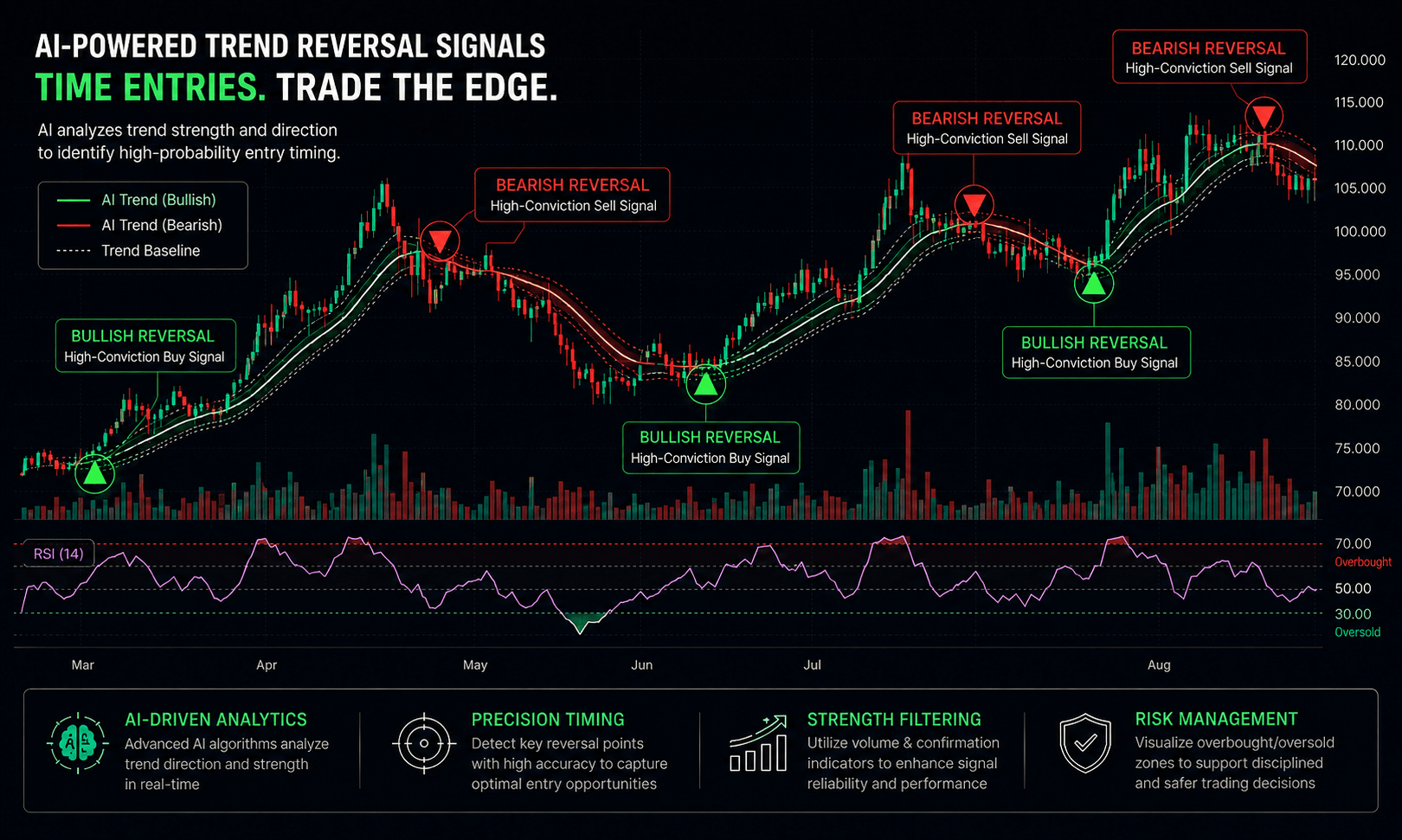
Bull Wave / Bear Wave Forecast Model
Engineered to help you read market direction and momentum faster than the crowd.
- Instantly separate bullish momentum from bearish pressure
- Pinpoint high-probability entry zones with confidence
- Chart signals clear enough for beginners, sharp enough for pros
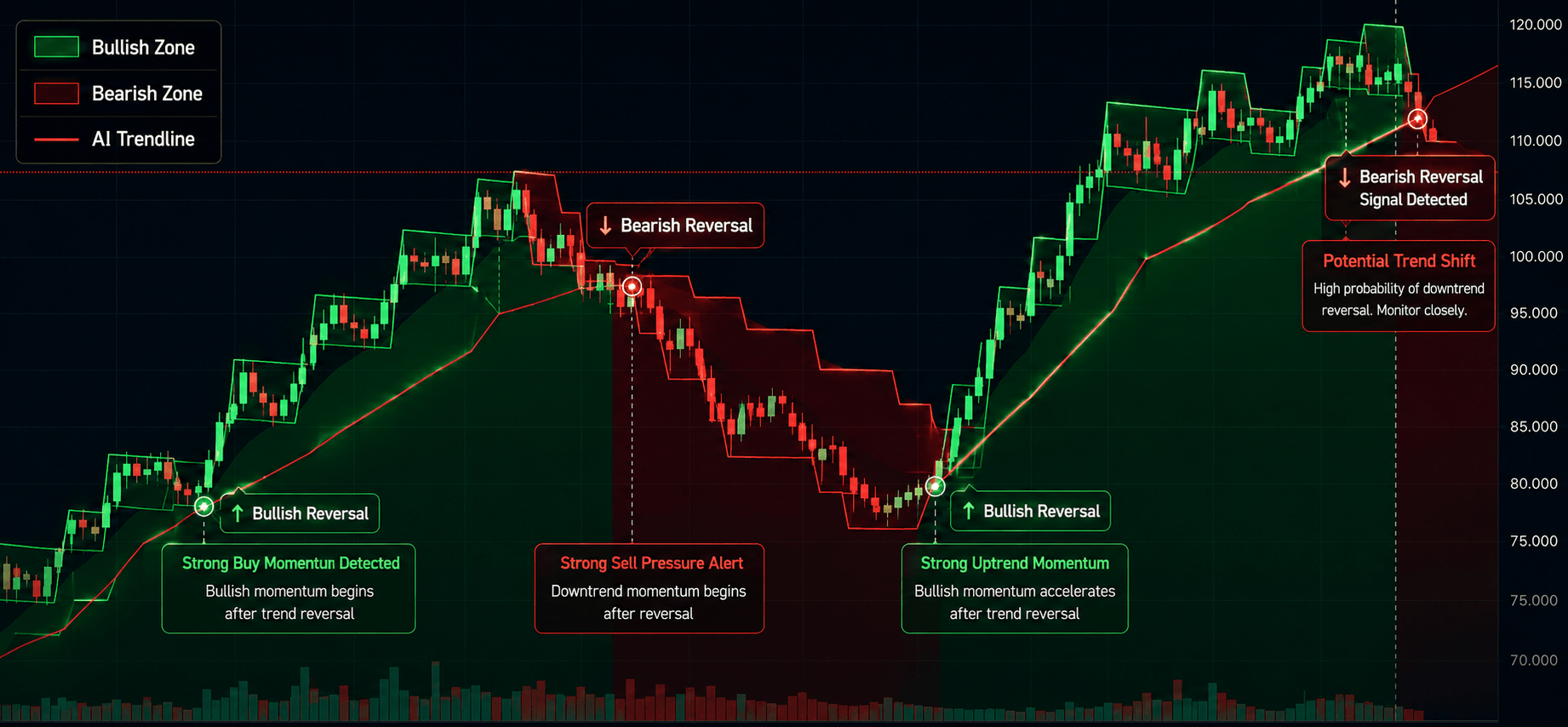
Winning Pattern Detection
Instantly surfaces the high-probability setups that repeat across the charts — a trusted edge for timing your entries and exits.
- Spot momentum building in real time
- Catch trend-reversal points before they break
- Built for active traders who need results, not theory
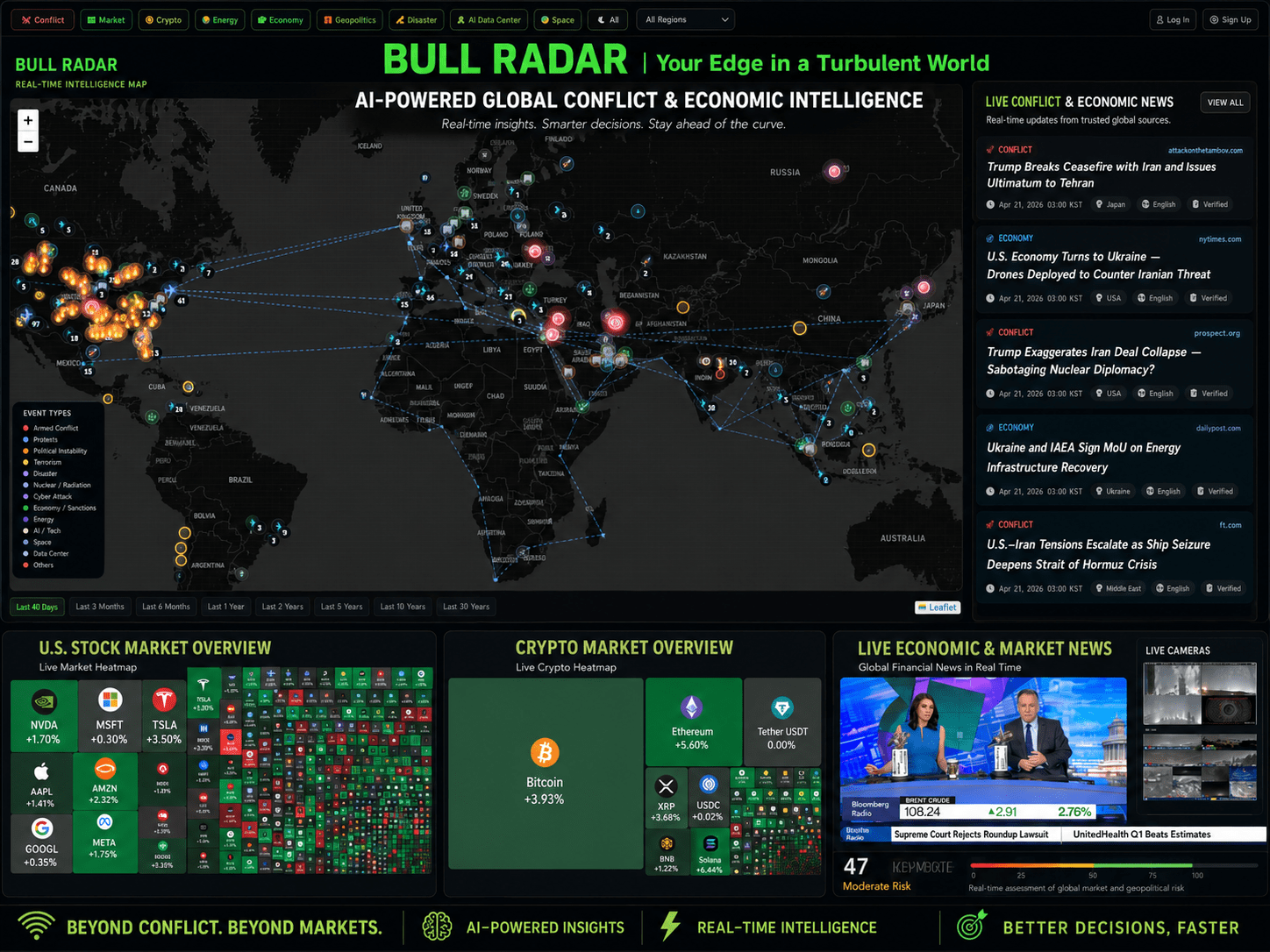
AI Live Economic Dashboard
AI analyzes real-time market data — turning complex, global investment flows into clear insight in seconds.
- Track global stock markets in real time
- See exactly which assets are strong — and which are fading
- Watch how geopolitical events move the markets
About the Author