What Is the January Effect
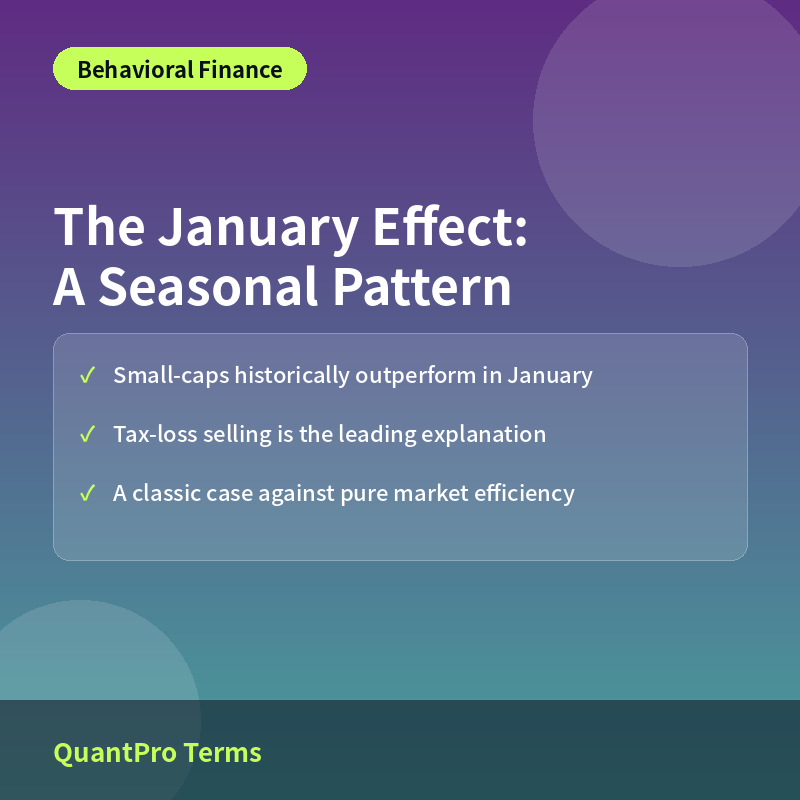
The January effect refers to the historical tendency for stocks — particularly small-cap stocks — to post higher-than-average returns in early January compared to other months of the year. It’s one of the most widely studied ‘calendar anomalies’ in finance, patterns that theoretically shouldn’t exist in a perfectly efficient market but nonetheless show up repeatedly in historical data.
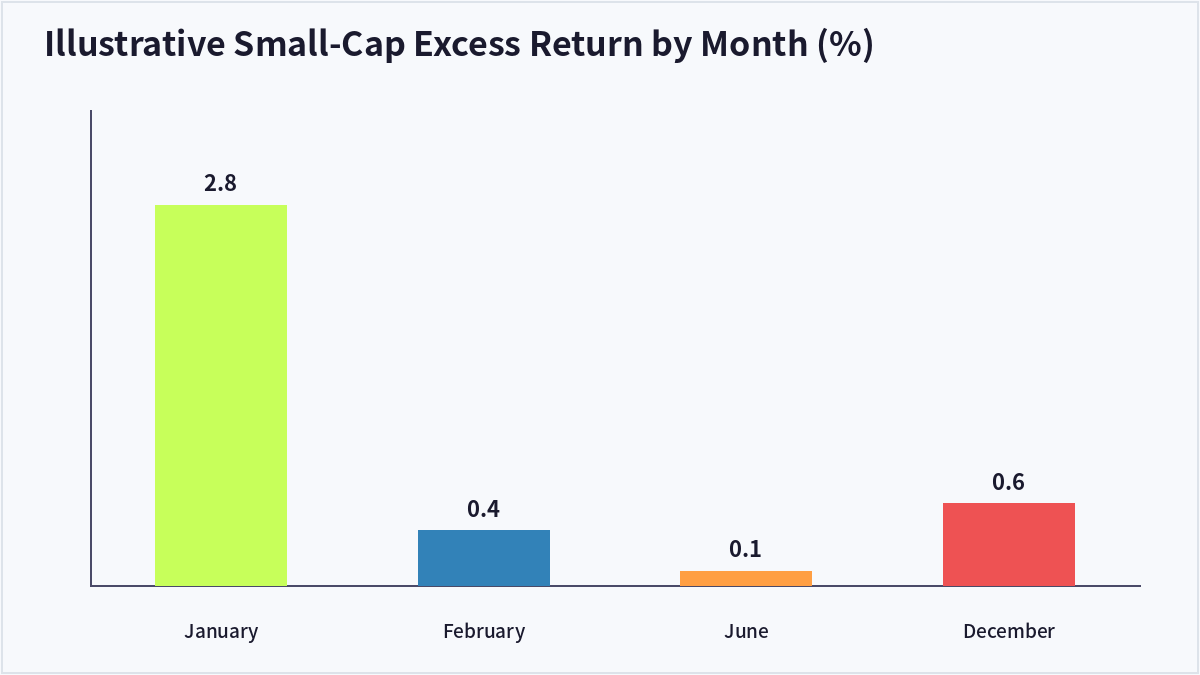
If markets were fully efficient, no month should systematically outperform others in a predictable, repeatable way. Yet decades of return data have shown a recurring tendency for small-cap stocks specifically to post stronger returns in January.
Why the January Effect Happens
The most widely cited explanation is ‘tax-loss selling.’ Many investors sell losing positions — often smaller, more volatile stocks — near year-end to realize capital losses that offset taxable gains. Once that selling pressure clears in the new year, prices in those beaten-down names often rebound, contributing to stronger January returns.
Historical data across several decades has shown small-cap stocks’ average January returns coming in meaningfully higher than the average return in other months, with the effect generally more pronounced in smaller companies than in large caps.
Can Investors Actually Profit From It
The January effect is an interesting statistical pattern, but relying on it as an investment strategy requires caution. Once a pattern like this becomes widely known, investors tend to position ahead of it, and that anticipatory buying and selling can weaken or erase the effect over time — consistent with how the efficient market hypothesis predicts that known anomalies get arbitraged away.
It’s best understood as a fascinating illustration of market inefficiency rather than a reliable, standalone trading signal — most useful as one data point alongside fundamental analysis rather than the sole basis for a strategy.
| Calendar Anomaly | Description |
|---|---|
| January effect | Small-caps tend to outperform in early January |
| Monday effect | Returns tend to be relatively weaker at the start of the week |
| Halloween effect | May-October returns tend to lag November-April |
| Turn-of-month effect | Returns tend to be stronger around month-end/month-start |
Frequently Asked Questions
Does the January effect still hold up today?
While it was clearly visible in older data, more recent research suggests the effect has weakened significantly since it became widely known, likely because investors now anticipate and trade around it.
Are there other explanations besides tax-loss selling?
Yes — a ‘cash inflow’ hypothesis pointing to year-end bonuses flowing into markets in the new year, and institutional ‘window dressing’ around portfolio holdings near year-end, are also commonly cited alongside the tax-loss selling explanation.
Does the January effect appear the same way in every country?
No — differences in tax rules, fiscal year timing, and investor composition mean the strength and pattern of the effect varies from market to market.
Should I build a strategy purely around the January effect?
This generally isn’t recommended. It’s a statistical tendency, not a guaranteed annual occurrence, and well-known patterns tend to erode over time as more investors trade around them — so it’s better used as one input among many.
Key Takeaways
The January effect describes a historical tendency for small-cap stocks to post stronger returns early in the year, with tax-loss selling the leading explanation. Because well-known patterns tend to weaken once widely traded around, it’s best treated as an interesting case study rather than a standalone strategy. This article is for informational purposes only and does not constitute investment advice.

QuantPro: AI Finds the Trade Before You Do
From AI-powered chart analysis to real-time market intelligence — everything a serious investor needs, in one platform.
- Automated AI chart analysis with precision trend timing
- Bull Radar: real-time visualization of geopolitical & economic shifts
- Live market-moving news and insights, curated for you
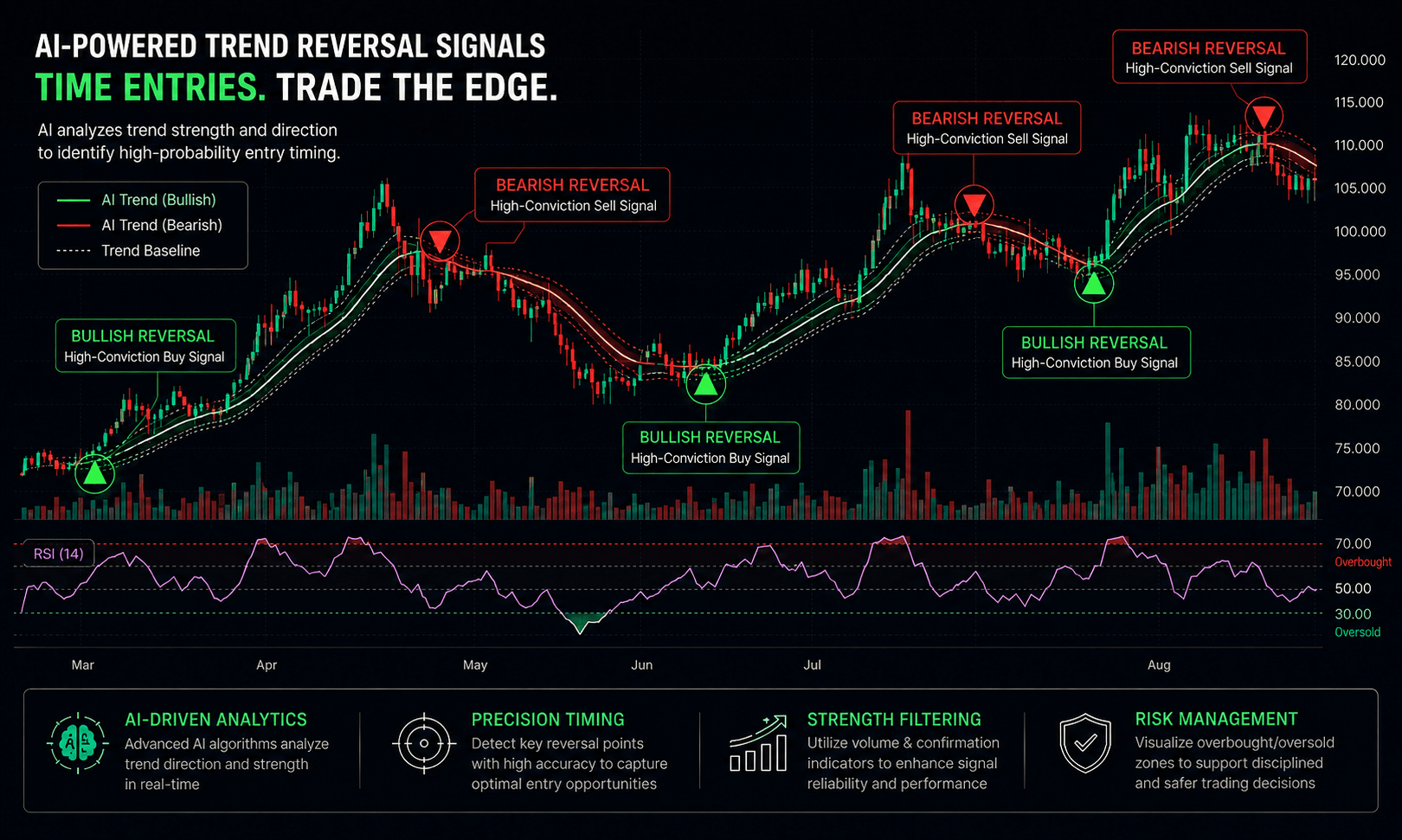
Bull Wave / Bear Wave Forecast Model
Engineered to help you read market direction and momentum faster than the crowd.
- Instantly separate bullish momentum from bearish pressure
- Pinpoint high-probability entry zones with confidence
- Chart signals clear enough for beginners, sharp enough for pros
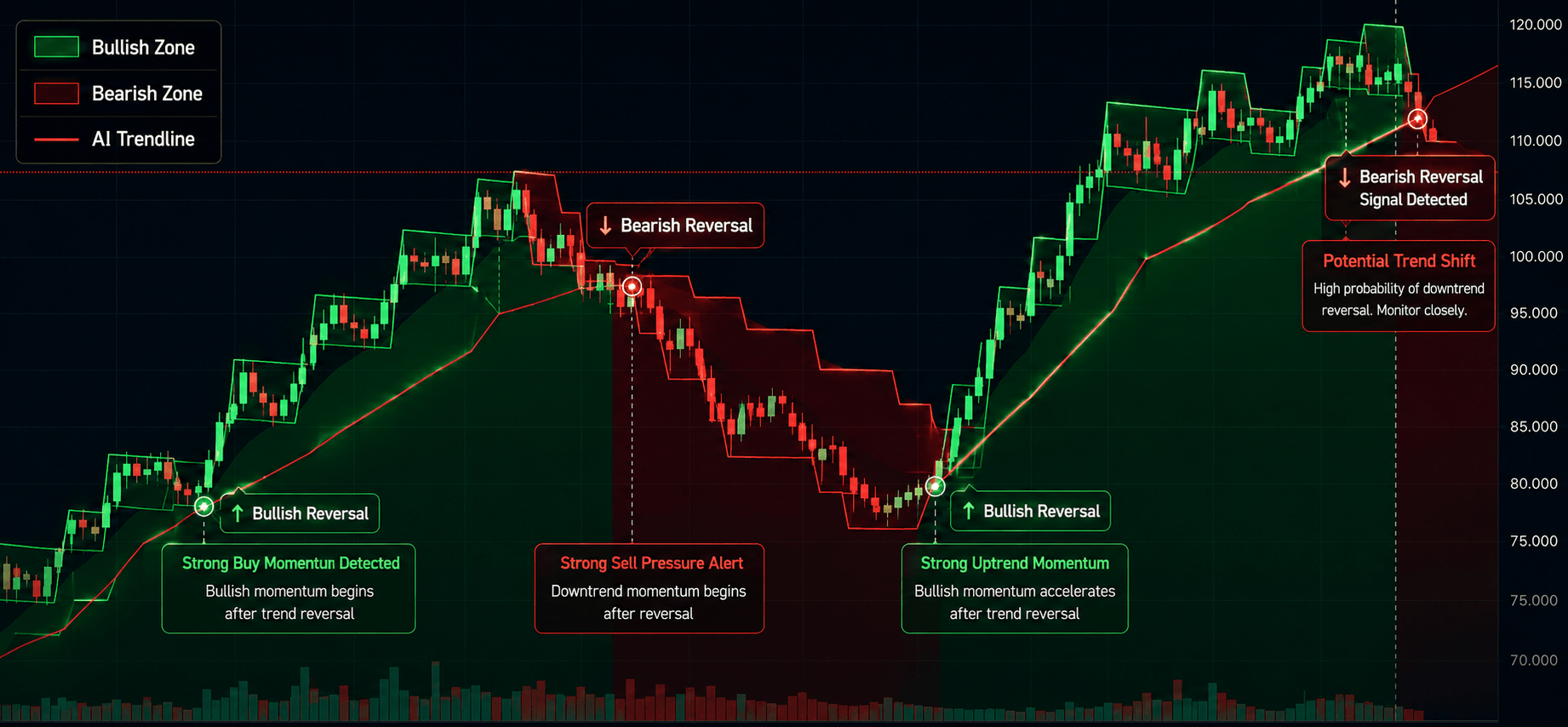
Winning Pattern Detection
Instantly surfaces the high-probability setups that repeat across the charts — a trusted edge for timing your entries and exits.
- Spot momentum building in real time
- Catch trend-reversal points before they break
- Built for active traders who need results, not theory

AI Live Economic Dashboard
AI analyzes real-time market data — turning complex, global investment flows into clear insight in seconds.
- Track global stock markets in real time
- See exactly which assets are strong — and which are fading
- Watch how geopolitical events move the markets
About the Author