Employment data serves as a primary thermometer for economic health and future monetary policy. A cooling labor market often suggests lower inflation and potential rate cuts, which can boost equities, while an overheating market might force central banks to tighten policy, pressuring risk assets.
What Employment Data Actually Represents
Defining the Labor Market Pulse
Employment data typically refers to a suite of reports measuring job creation, unemployment rates, and wage growth. These metrics provide a comprehensive snapshot of how many people are working, how much they earn, and how actively businesses are hiring.
Why Headline Figures Can Be Misleading
A simple headline number often ignores structural context like labor force participation or sector-specific slowdowns. You must look past the surface to determine if the growth is sustainable or merely a reflection of seasonal anomalies.
The Causal Chain: Jobs, Policy, and Prices
The Wage-Inflation Feedback Loop
When employment data shows a tight labor market, wage growth often accelerates. This increased spending power drives demand, which can lead to higher inflation, ultimately pushing central banks to maintain or increase interest rates.
Market Sentiment and Risk Appetite
Equity and crypto markets react to this data because it shapes the ‘cost of capital.’ When jobs data is surprisingly strong, markets may fear a ‘higher for longer’ rate environment, which generally pulls liquidity out of speculative assets. You can check how these correlations fluctuate in real-time by reviewing historical trends on Bull Radar.

Historical Patterns and Market Tendencies
The ‘Good News is Bad News’ Phenomenon
In periods where inflation is high, historically, strong employment reports have often triggered market sell-offs. This happens because investors interpret the data as a signal that the central bank will not cut rates, effectively tightening financial conditions.
The Pivot Toward Recession Fears
Conversely, as the economic cycle matures, markets often shift their focus. If unemployment begins to trend upward significantly, investors stop fearing inflation and start fearing a systemic recession, which changes the typical market response to negative data.
Monitoring and Risk Management Strategies
Focusing on Leading Indicators
Don’t just react to the final unemployment rate. Monitor secondary indicators like initial jobless claims or job openings data, which often provide a clearer picture of the direction before the official monthly reports are released.
Building an Adaptive Portfolio
Manage your risk by maintaining a balance between cyclical stocks that thrive in growth environments and defensive assets that hold value during labor market contractions. Avoid over-leveraging based on a single monthly print, as labor statistics are frequently subject to later revisions.
| Asset Class | Reaction to Strong Job Data | Reaction to Weak Job Data |
|---|---|---|
| Equities (Growth) | Negative (Rate hike fear) | Positive (Pivot expectation) |
| Fixed Income | Negative (Yields rise) | Positive (Yields fall) |
| Crypto | Negative (Liquidity squeeze) | Positive (Risk-on sentiment) |
| US Dollar | Positive (Flight to yield) | Negative (Policy loosening) |
Frequently Asked Questions
Why do markets sometimes fall when job numbers are good?
Markets often interpret strong job growth as a catalyst for persistent inflation. If the economy is too strong, the central bank may keep interest rates high, which makes borrowing expensive and reduces the valuation of risk assets.
How does wage growth specifically impact crypto prices?
Higher wage growth contributes to inflation, which typically forces central banks to adopt hawkish policies. Because crypto is highly sensitive to liquidity conditions, tighter monetary policy often results in lower inflow to speculative digital assets.
What should I look for in employment reports besides the headline number?
Pay close attention to average hourly earnings and the labor force participation rate. These sub-metrics reveal if wage inflation is heating up or if the increase in jobs is coming from people returning to the workforce.
Can employment data cause a ‘flash crash’?
Yes, if the actual employment figure deviates significantly from the market consensus, it can trigger algorithmic selling. Rapid adjustments in rate expectations following a surprise report often lead to short-term volatility across all high-beta asset classes.
Key Takeaways
Employment data provides the essential clues needed to anticipate central bank pivots and changes in market liquidity. By understanding the causal link between labor demand, wage growth, and interest rates, investors can better position their portfolios to withstand periods of volatility. Always remember that the market reaction is driven by the gap between reported figures and consensus expectations, making it crucial to stay focused on the broader macroeconomic trend rather than a single month’s volatility. This article is for informational purposes only and does not constitute investment advice.

QuantPro: AI Finds the Trade Before You Do
From AI-powered chart analysis to real-time market intelligence — everything a serious investor needs, in one platform.
- Automated AI chart analysis with precision trend timing
- Bull Radar: real-time visualization of geopolitical & economic shifts
- Live market-moving news and insights, curated for you
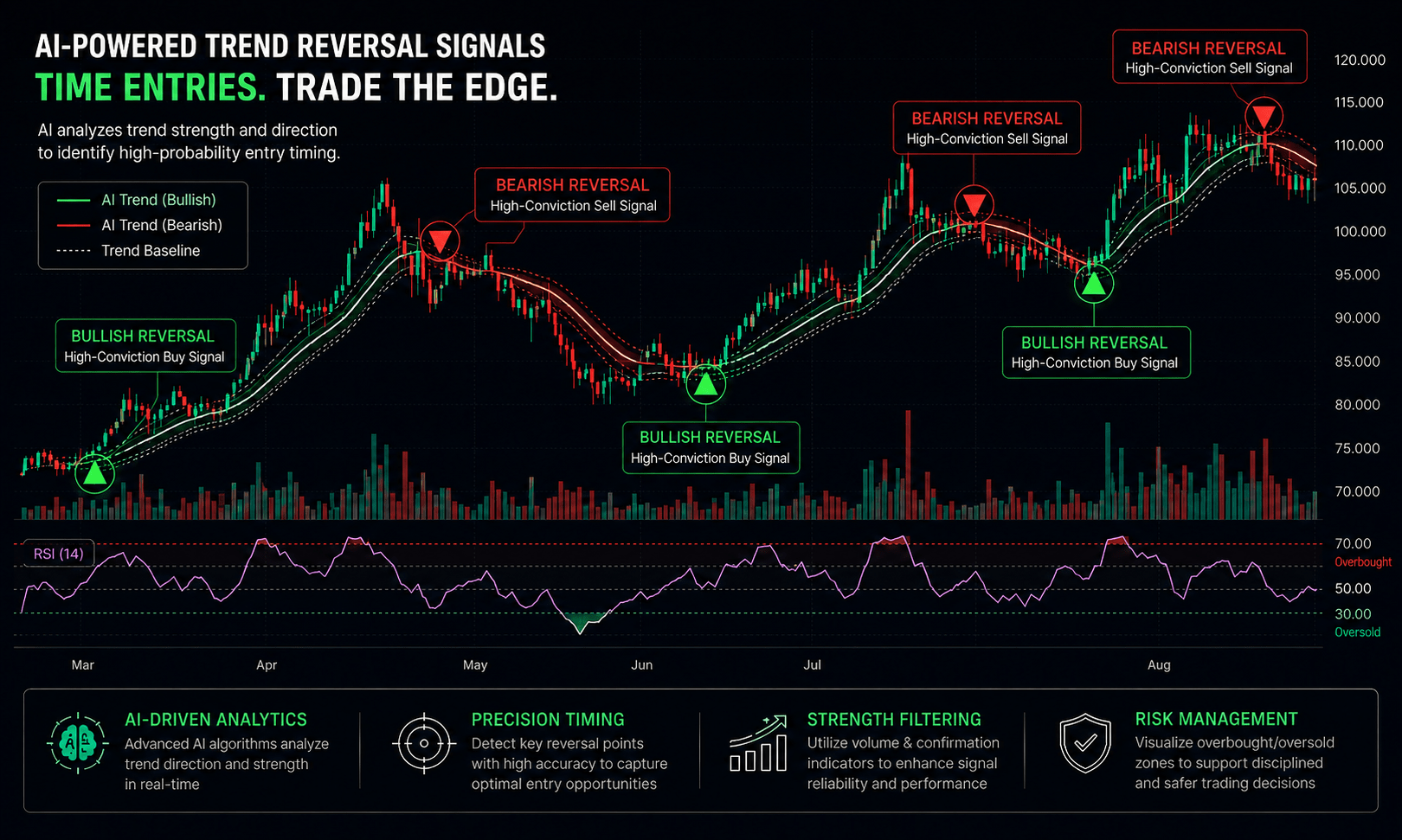
Bull Wave / Bear Wave Forecast Model
Engineered to help you read market direction and momentum faster than the crowd.
- Instantly separate bullish momentum from bearish pressure
- Pinpoint high-probability entry zones with confidence
- Chart signals clear enough for beginners, sharp enough for pros
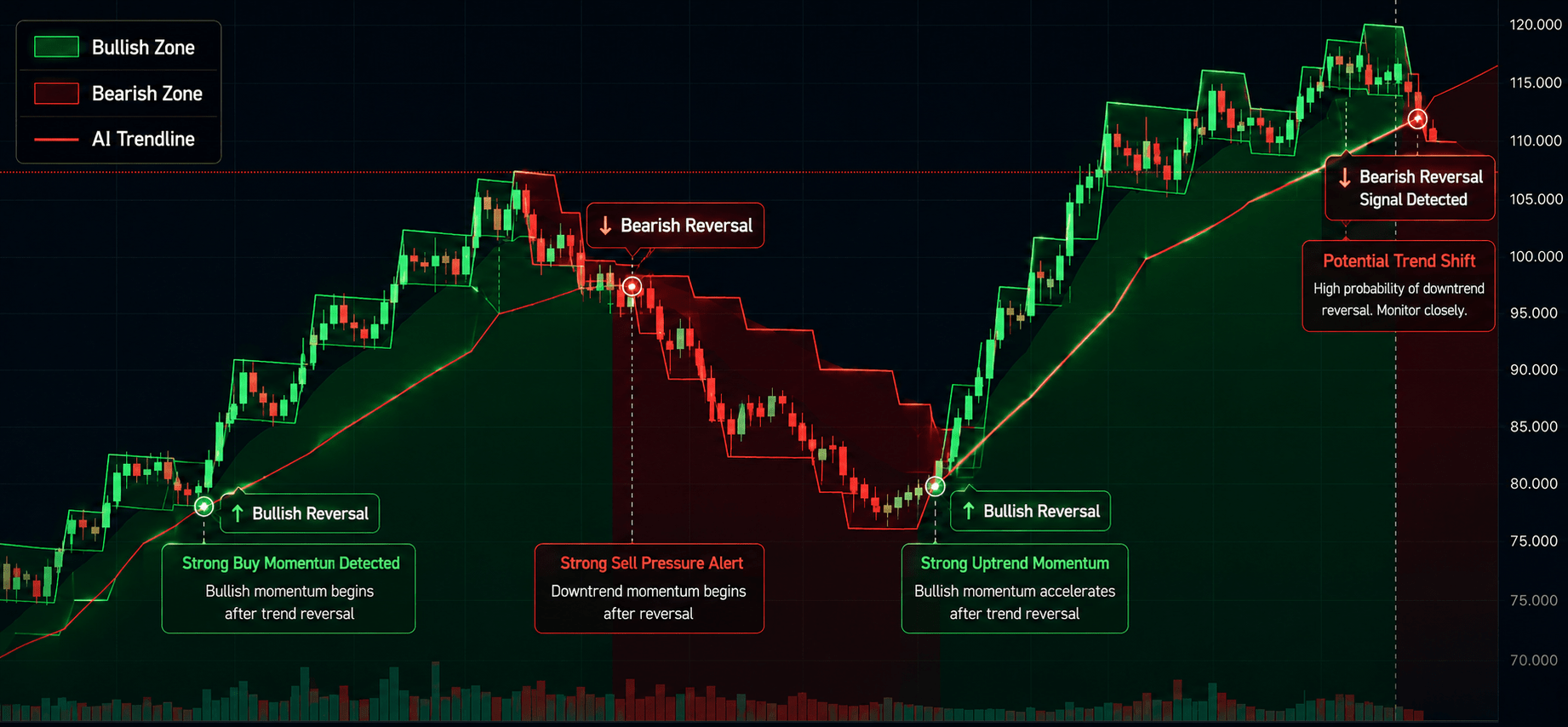
Winning Pattern Detection
Instantly surfaces the high-probability setups that repeat across the charts — a trusted edge for timing your entries and exits.
- Spot momentum building in real time
- Catch trend-reversal points before they break
- Built for active traders who need results, not theory
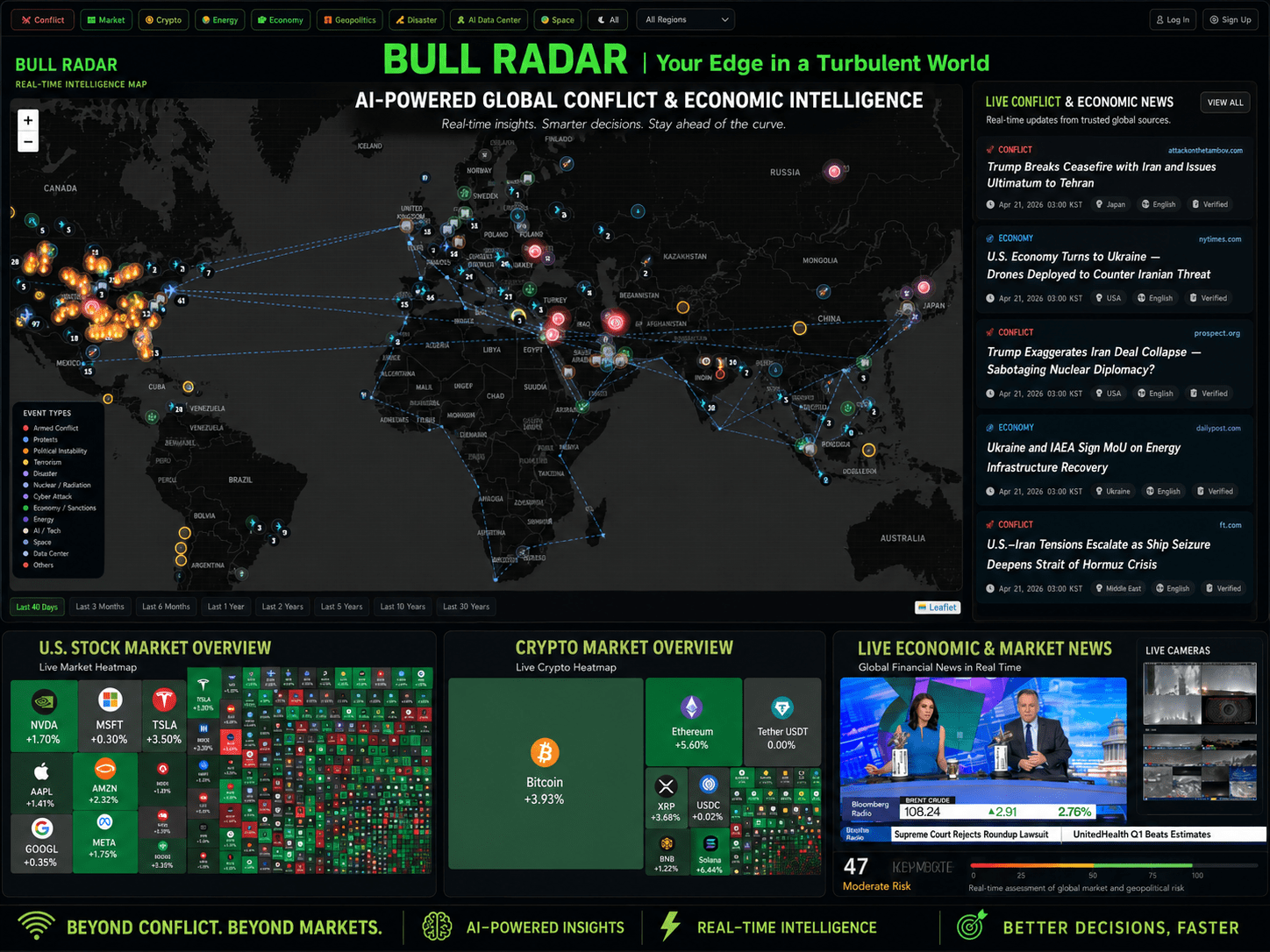
AI Live Economic Dashboard
AI analyzes real-time market data — turning complex, global investment flows into clear insight in seconds.
- Track global stock markets in real time
- See exactly which assets are strong — and which are fading
- Watch how geopolitical events move the markets
Last updated: 2026-09-18
About the Author