Order Book Depth measures the market's capacity to absorb large buy or sell orders without significantly affecting the asset's price. It is determined by the total volume of pending orders at various price levels, serving as a vital indicator for potential slippage and overall market liquidity.
What Is Order Book Depth?
Order book depth represents the total number of buy and sell orders at various price levels for a specific cryptocurrency, indicating the overall liquidity of an exchange. It effectively measures the resilience of an asset’s price against large market orders. High depth suggests that a large trade will not trigger significant price volatility, whereas low depth often results in high slippage. You can check this metric directly on Bull Radar to assess the health of specific trading pairs.
How Order Book Depth Is Calculated and Works
Order book depth is calculated by aggregating the cumulative volume of orders available at each price level on both the bid and ask sides. The calculation process involves: – Identifying all active limit orders currently in the order book. – Categorizing orders by price levels relative to the current market price. – Summing the total asset quantity available at each specific distance from the mid-price. Traders use this to visualize the ‘walls’ of support and resistance that might prevent price movement.
Worked Example: Quantifying Liquidity
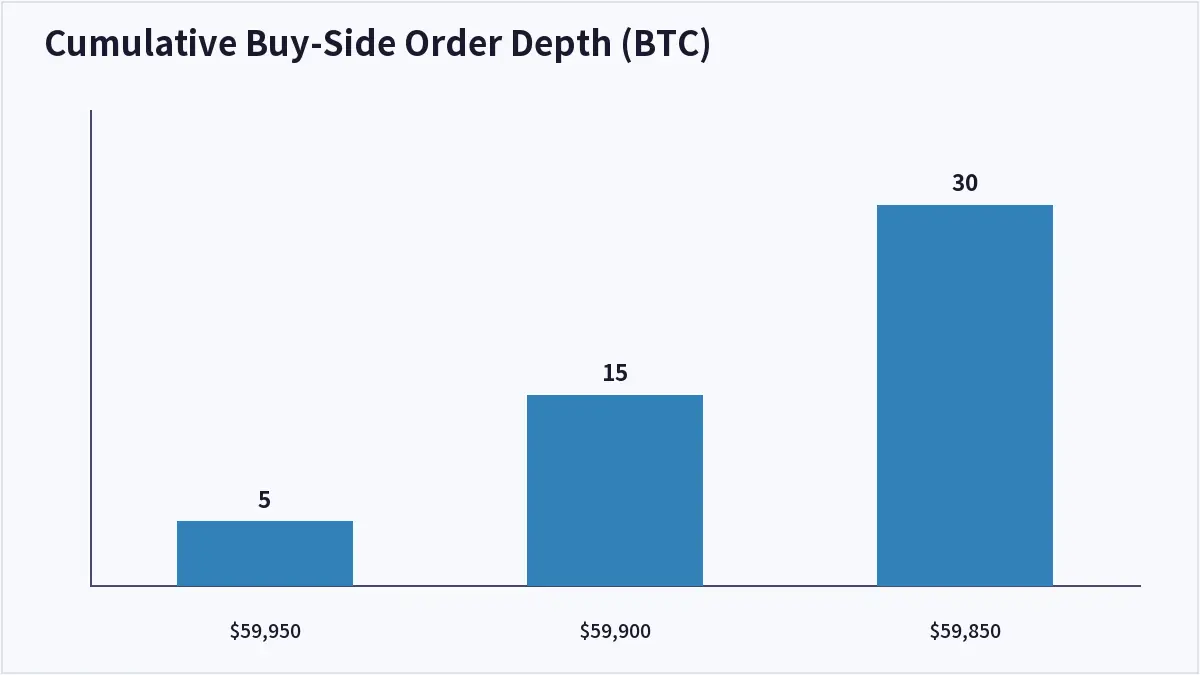
Consider a hypothetical exchange scenario for Bitcoin where the current market price is $60,000. The order book reflects the following buy-side depth: – Level 1 ($59,950): 5 BTC – Level 2 ($59,900): 10 BTC – Level 3 ($59,850): 15 BTC. The cumulative depth at $59,850 is 30 BTC (5 + 10 + 15). If a trader attempts to market sell 25 BTC, the trade would be filled across these three levels, resulting in an average execution price slightly lower than $60,000. This variance between the expected price and executed price is the slippage caused by shallow order book depth.
Common Mistakes and Misconceptions
A frequent mistake is assuming that a thick order book guarantees stability during extreme volatility. Key misconceptions include: – Confusing order book depth with long-term market interest. – Assuming visible orders are ‘real’ rather than ‘spoofing’ orders placed by bots to manipulate sentiment. – Ignoring the fact that order books are highly dynamic; liquidity can vanish instantly during flash crashes. Always monitor the speed at which orders are added or removed to distinguish between genuine liquidity and ephemeral wall placement.
| Metric | High Depth Scenario | Low Depth Scenario |
|---|---|---|
| Slippage | Minimal | High |
| Execution Price | Close to Mid-Price | High Variance |
| Market Resilience | High | Low |
Frequently Asked Questions
Why does order book depth matter for large traders?
Large traders, often called whales, need sufficient depth to execute trades without causing massive price slippage. Without enough depth, their own buy or sell pressure would move the market against them, resulting in worse execution prices.
Can I trust the depth I see on an exchange?
Not entirely, as some traders use ‘spoofing’ to create the illusion of liquidity. It is safer to observe the order book over time to see if the depth remains consistent or disappears suddenly before price reaches those levels.
What is the relationship between slippage and depth?
Slippage is the inverse of depth. When depth is high, slippage is low because the market has enough liquidity to fill orders at current prices. When depth is low, even small trades can cause significant price movement.
How does market volatility affect order book depth?
During high volatility, market makers often withdraw their orders to manage their own risk. This leads to ‘thinning’ of the order book, which can exacerbate price swings and create gaps in liquidity.
Key Takeaways
Order book depth is a fundamental metric for evaluating market health, as it quantifies the liquidity available at various price points. By understanding how to calculate cumulative volume and recognizing the risks of thin liquidity, traders can better anticipate slippage and execute strategies more effectively. This article is for informational purposes only and does not constitute investment advice.

QuantPro: AI Finds the Trade Before You Do
From AI-powered chart analysis to real-time market intelligence — everything a serious investor needs, in one platform.
- Automated AI chart analysis with precision trend timing
- Bull Radar: real-time visualization of geopolitical & economic shifts
- Live market-moving news and insights, curated for you
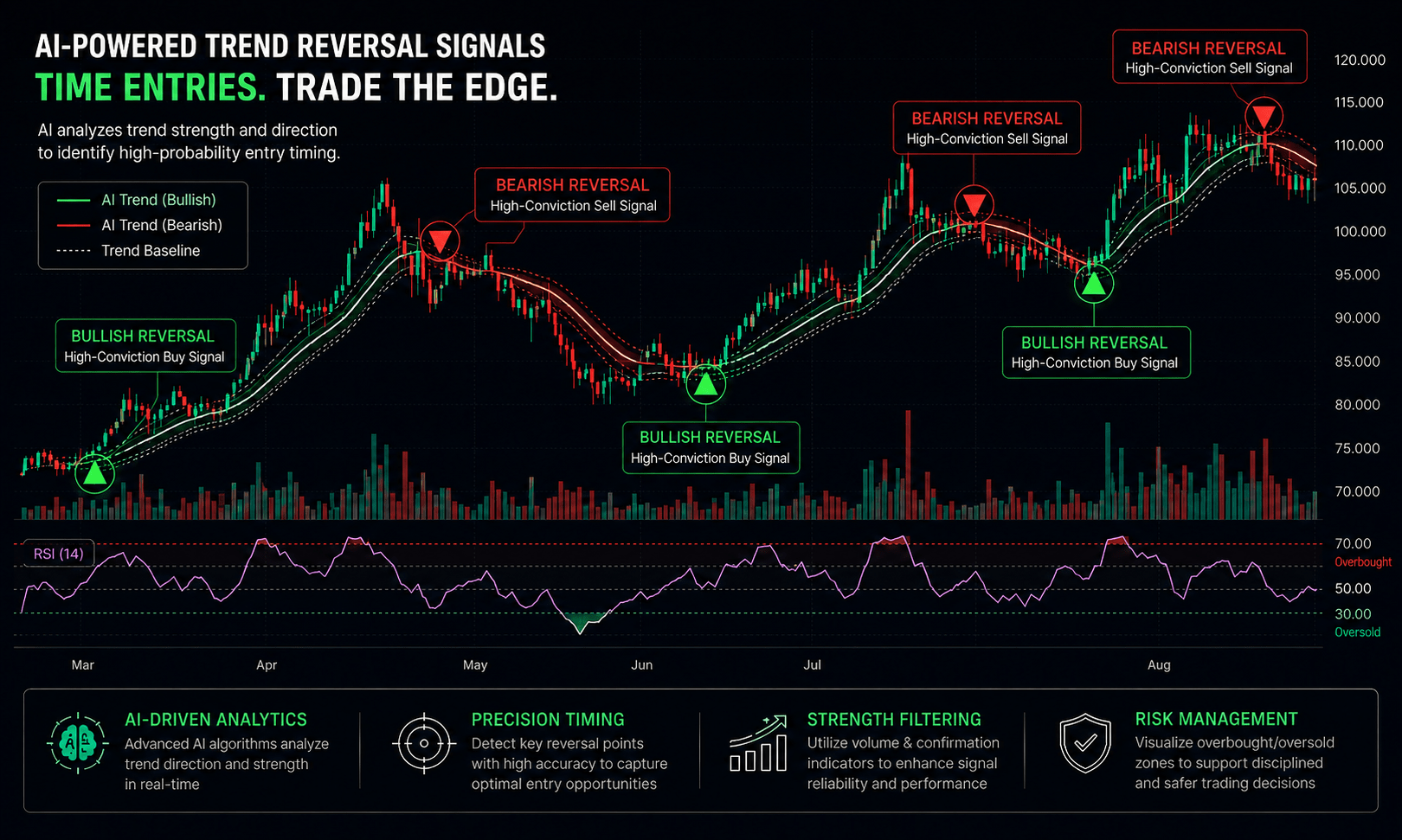
Bull Wave / Bear Wave Forecast Model
Engineered to help you read market direction and momentum faster than the crowd.
- Instantly separate bullish momentum from bearish pressure
- Pinpoint high-probability entry zones with confidence
- Chart signals clear enough for beginners, sharp enough for pros
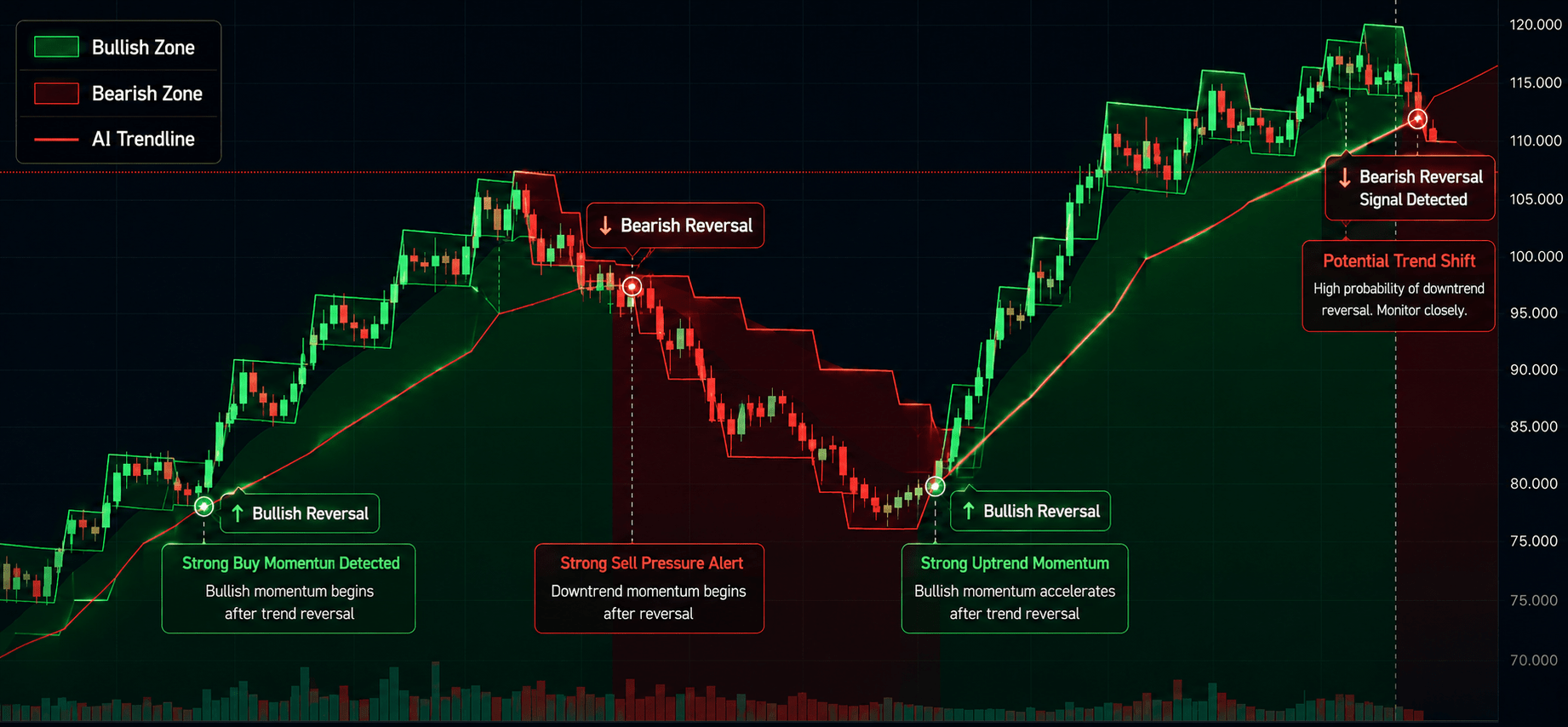
Winning Pattern Detection
Instantly surfaces the high-probability setups that repeat across the charts — a trusted edge for timing your entries and exits.
- Spot momentum building in real time
- Catch trend-reversal points before they break
- Built for active traders who need results, not theory
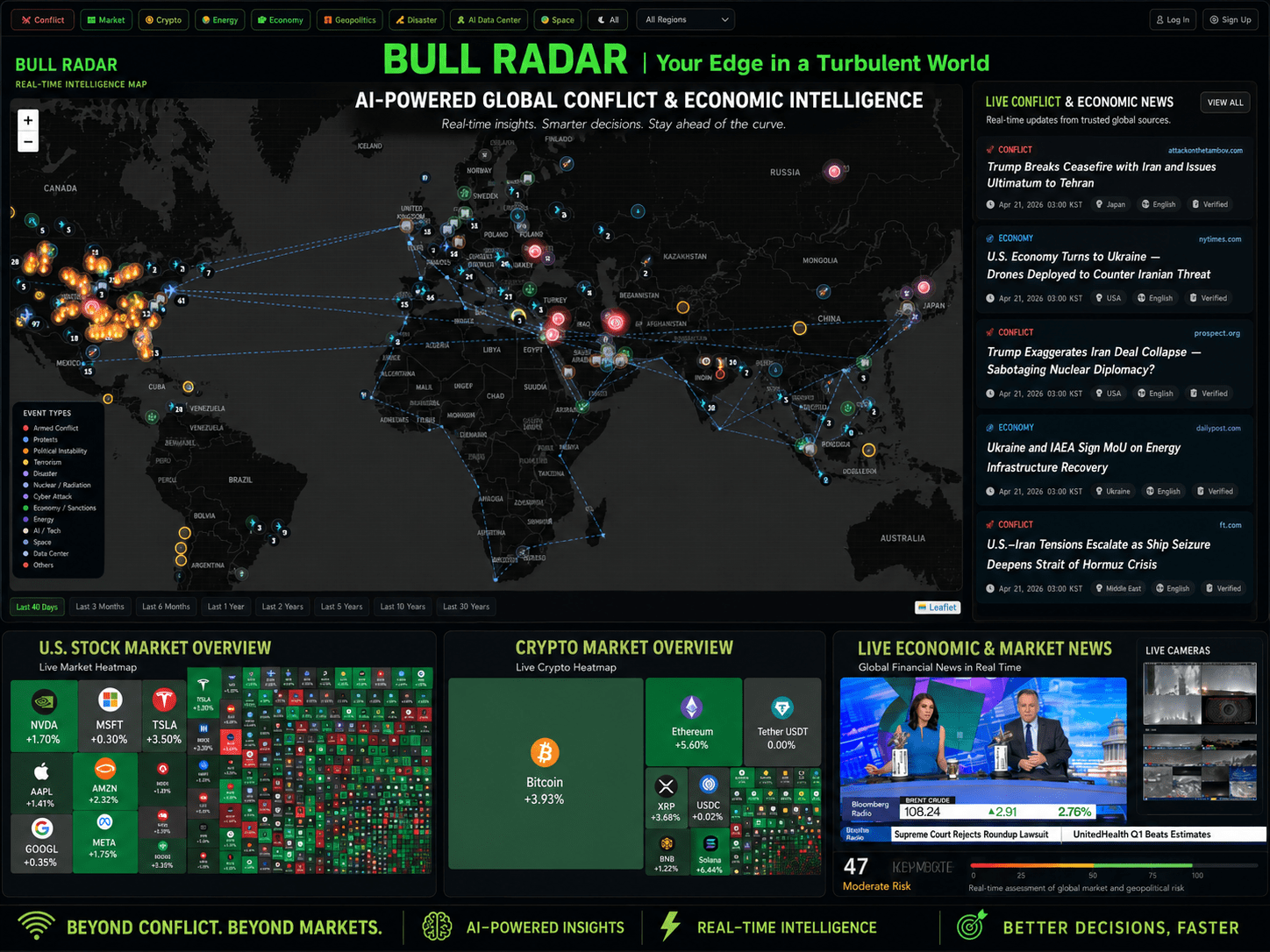
AI Live Economic Dashboard
AI analyzes real-time market data — turning complex, global investment flows into clear insight in seconds.
- Track global stock markets in real time
- See exactly which assets are strong — and which are fading
- Watch how geopolitical events move the markets
Last updated: 2026-09-18
About the Author