What Are Behavioral Finance Biases?
Behavioral finance biases are systematic, predictable patterns of irrational thinking and decision-making that cause investors to deviate from purely rational, self-interested behavior as assumed by traditional financial theory. Rather than treating investors as perfectly logical calculators of risk and return, behavioral finance recognizes that psychological factors consistently shape — and often undermine — real-world investment decisions.
The Most Common Biases in Investing
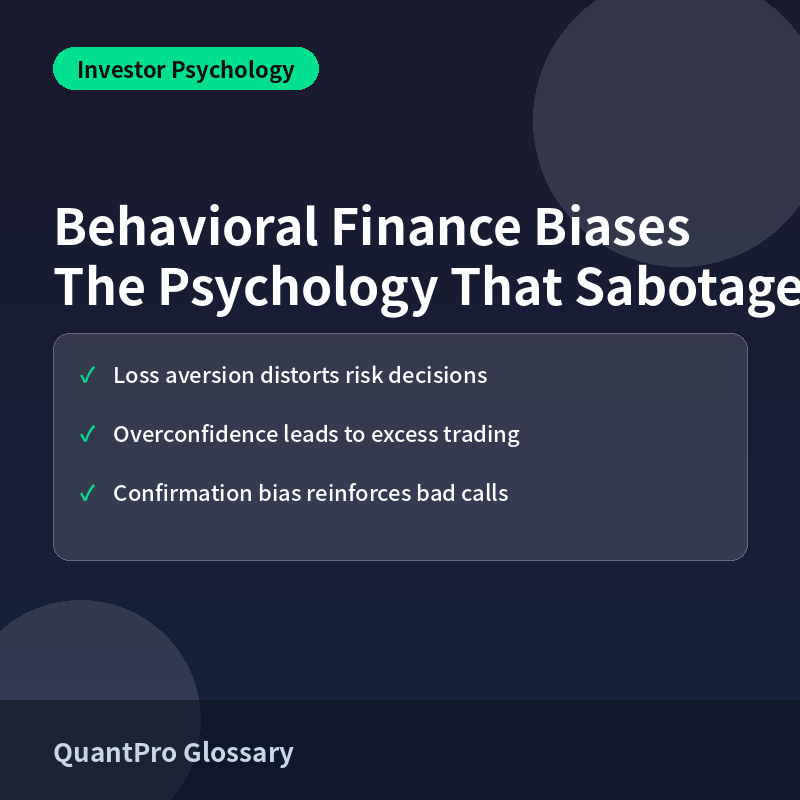
Loss Aversion
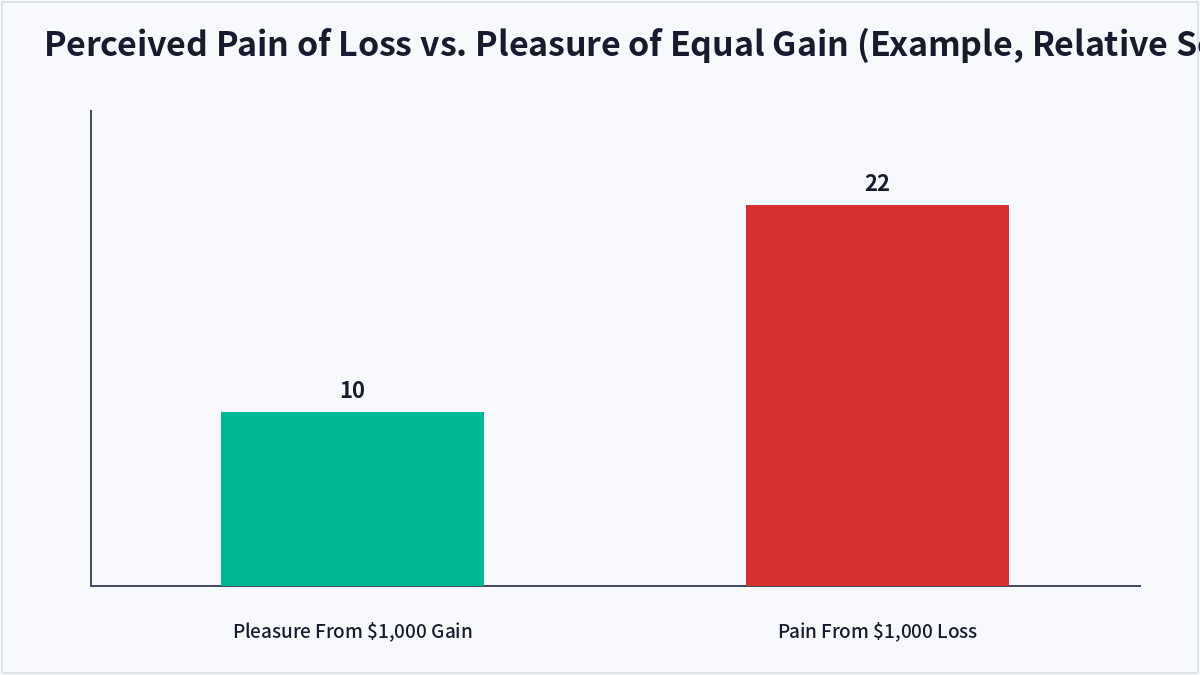
Research in behavioral economics suggests that people tend to feel the pain of a loss roughly twice as intensely as the pleasure of an equivalent gain. This asymmetry can lead investors to hold onto losing investments far too long, hoping to ‘break even,’ while selling winning investments too early to lock in a smaller, but certain, gain.
Overconfidence Bias
Many investors, particularly after a string of successful trades, tend to overestimate their own knowledge and predictive abilities. This overconfidence frequently leads to excessive trading activity, insufficient portfolio diversification, and underestimating genuine investment risks — all of which have been shown in studies to correlate with lower long-term returns.
Confirmation Bias
This describes the tendency to actively seek out and give more weight to information that confirms one’s existing beliefs about an investment, while dismissing or downplaying contradictory evidence, which can prevent investors from objectively reassessing a deteriorating investment thesis.
| Bias | Common Effect | Potential Countermeasure |
|---|---|---|
| Loss Aversion | Holding losers too long, selling winners too early | Pre-set rules for exits |
| Overconfidence | Excessive trading, poor diversification | Regular performance review against benchmark |
| Confirmation Bias | Ignoring warning signs | Actively seek opposing viewpoints |
Frequently Asked Questions
Can experienced investors overcome these biases entirely?
Most behavioral researchers suggest these biases are deeply rooted in human psychology and can never be fully eliminated, but awareness of them, combined with structured decision-making processes, can meaningfully reduce their negative impact.
What is herd behavior in investing?
Herd behavior refers to the tendency of investors to follow and mimic the actions of a larger group, often driven by fear of missing out or a false sense of safety in numbers, which can contribute to asset bubbles and subsequent crashes.
How does anchoring bias affect investment decisions?
Anchoring occurs when investors fixate on a specific reference point — such as a stock’s original purchase price or a past high — and let that arbitrary number unduly influence their current buy or sell decisions, rather than objectively assessing the investment’s current fundamentals.
Are automated investment strategies immune to behavioral biases?
Systematic, rules-based investment strategies can help remove real-time emotional decision-making from execution, though the initial design of the strategy itself can still be influenced by the biases of the person or team who created it.
Key Takeaways
Behavioral finance biases like loss aversion, overconfidence, and confirmation bias systematically distort investment decision-making in predictable ways. Recognizing these patterns and establishing structured, rules-based decision processes can help counteract their negative impact on long-term returns. This article is for informational purposes only and does not constitute investment advice.
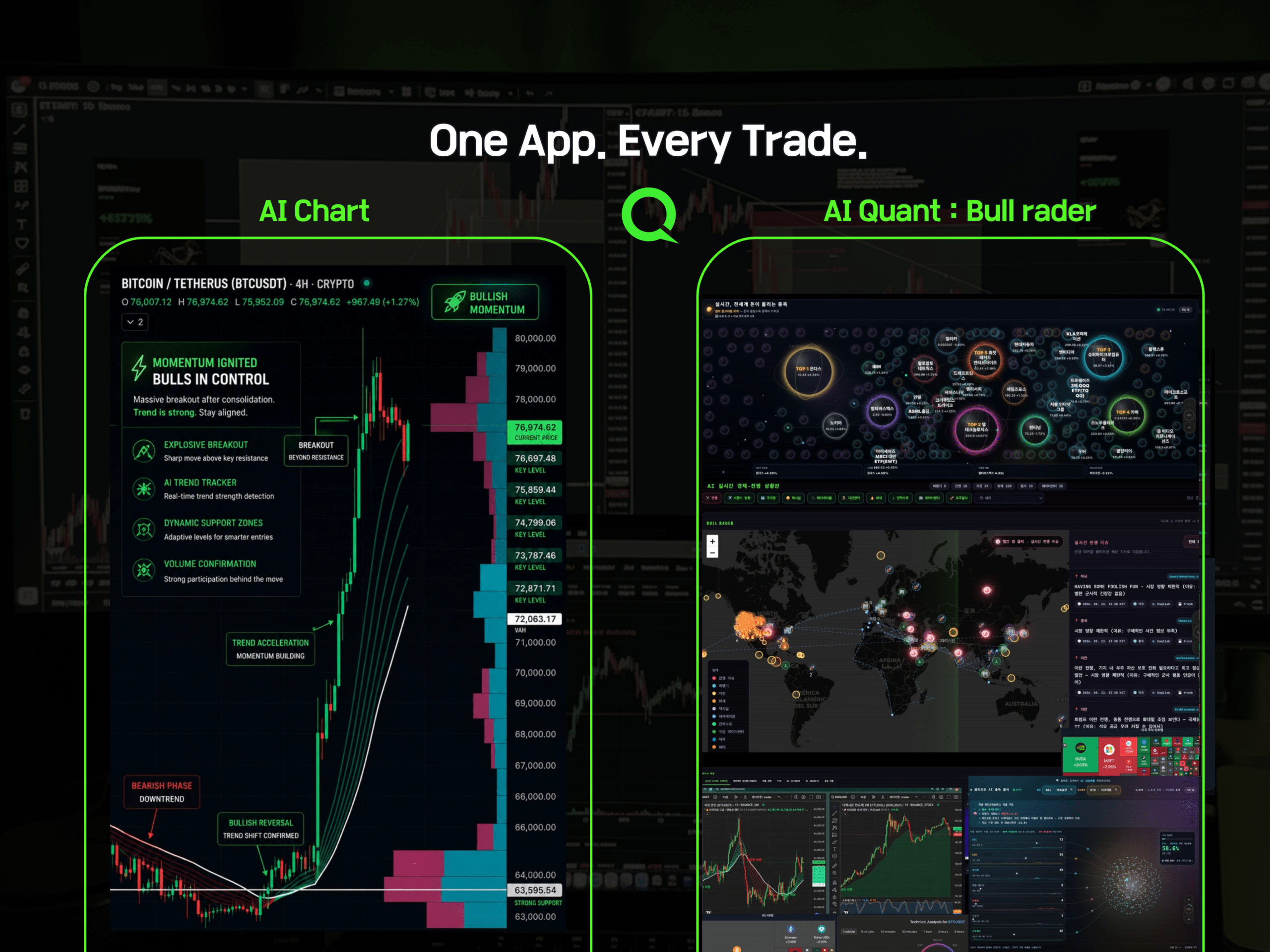
QuantPro: AI Finds the Trade Before You Do
From AI-powered chart analysis to real-time market intelligence — everything a serious investor needs, in one platform.
- Automated AI chart analysis with precision trend timing
- Bull Radar: real-time visualization of geopolitical & economic shifts
- Live market-moving news and insights, curated for you
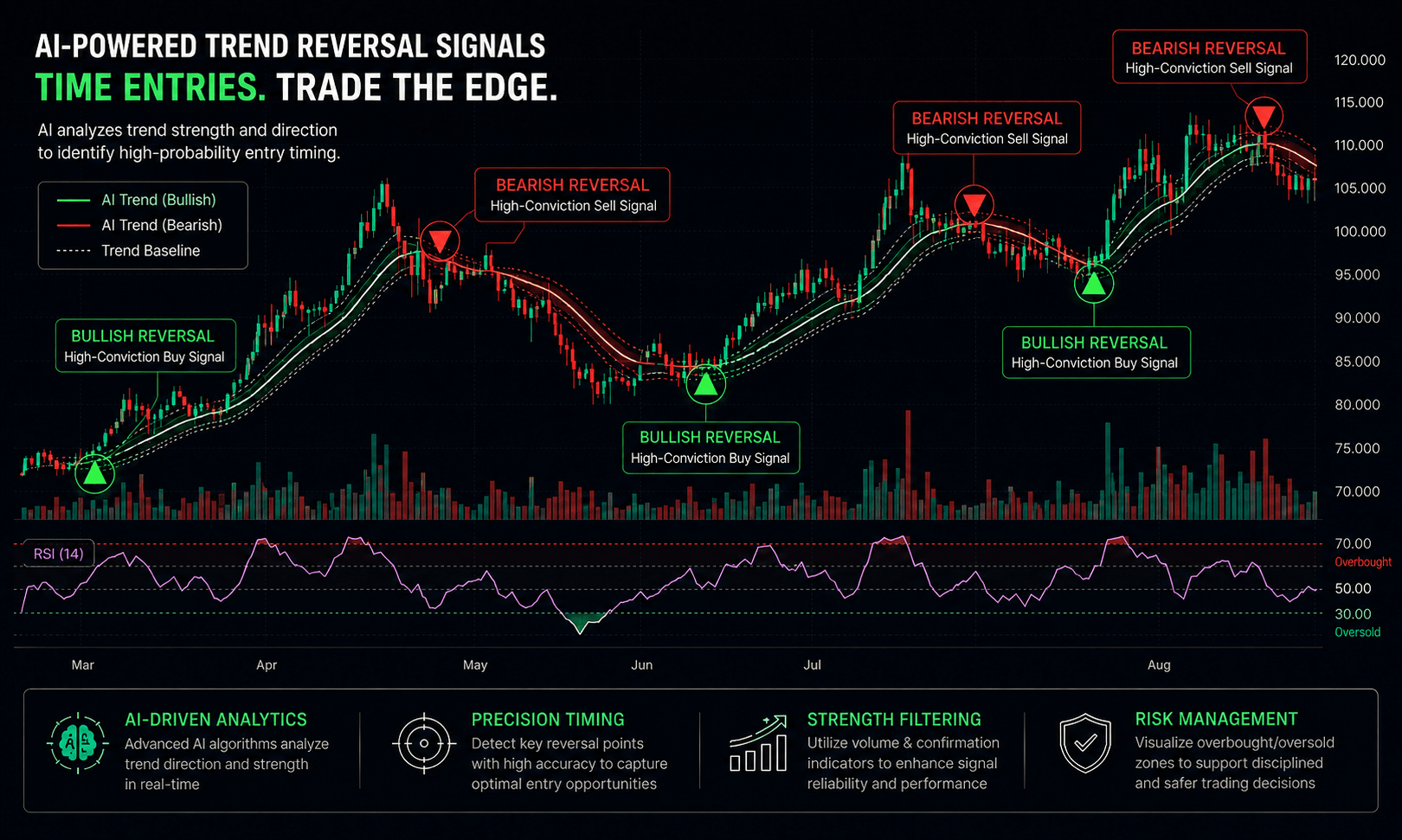
Bull Wave / Bear Wave Forecast Model
Engineered to help you read market direction and momentum faster than the crowd.
- Instantly separate bullish momentum from bearish pressure
- Pinpoint high-probability entry zones with confidence
- Chart signals clear enough for beginners, sharp enough for pros
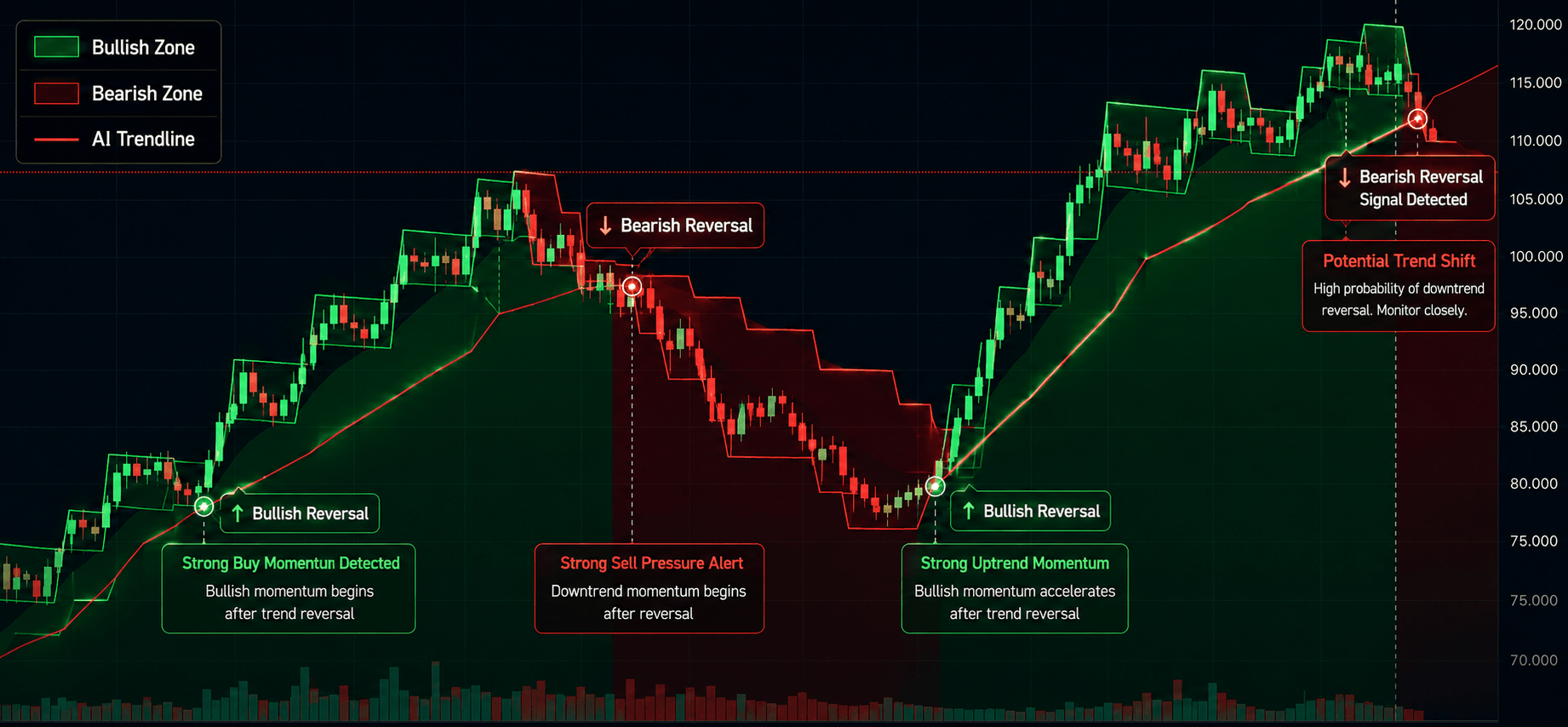
Winning Pattern Detection
Instantly surfaces the high-probability setups that repeat across the charts — a trusted edge for timing your entries and exits.
- Spot momentum building in real time
- Catch trend-reversal points before they break
- Built for active traders who need results, not theory
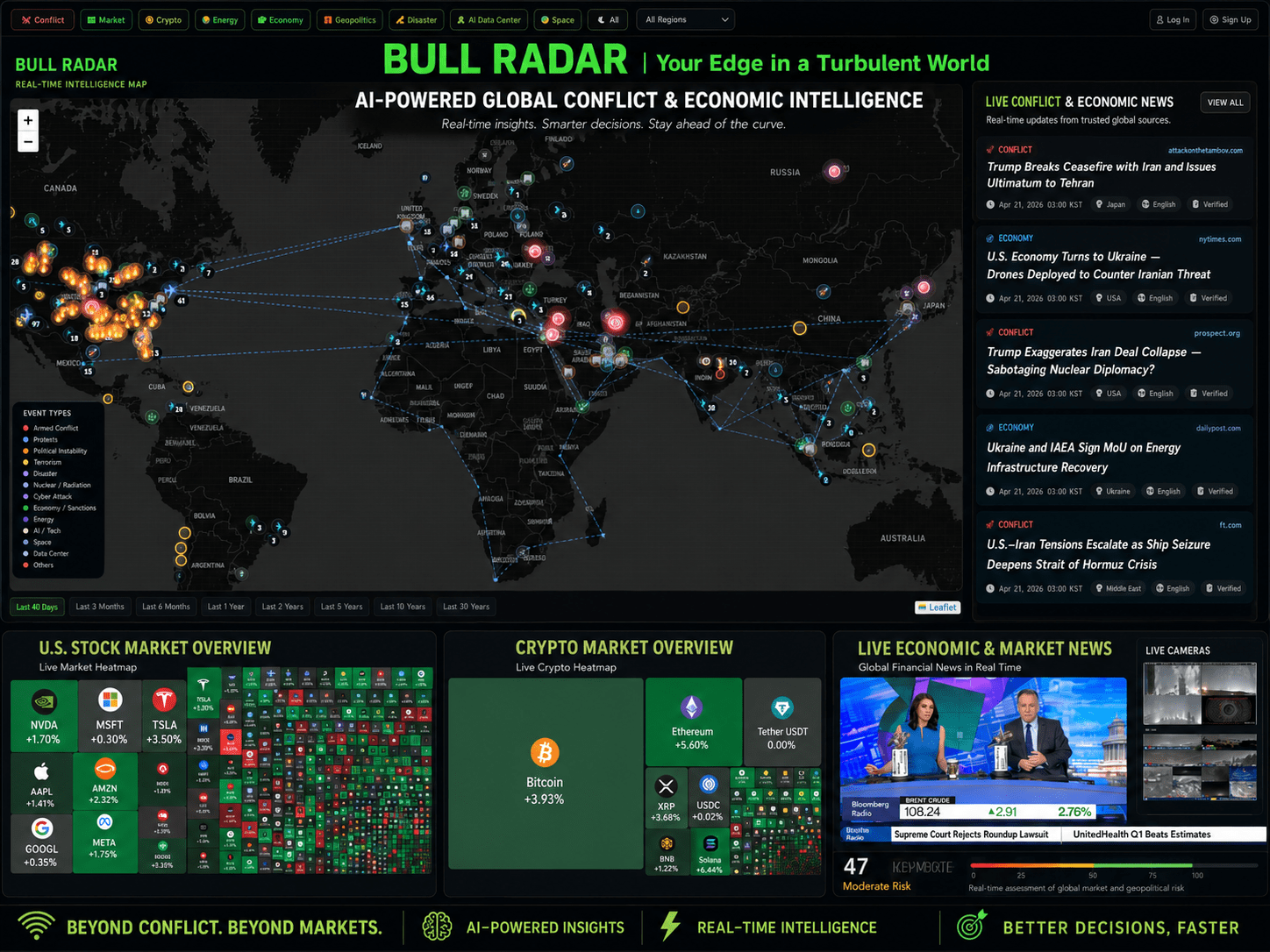
AI Live Economic Dashboard
AI analyzes real-time market data — turning complex, global investment flows into clear insight in seconds.
- Track global stock markets in real time
- See exactly which assets are strong — and which are fading
- Watch how geopolitical events move the markets
About the Author