What Is the Black-Scholes Model?
The Black-Scholes model is a mathematical formula developed in 1973 by economists Fischer Black and Myron Scholes (with significant contributions from Robert Merton) used to calculate the theoretical fair value of European-style options contracts. It remains one of the most influential and widely used frameworks in all of quantitative finance, forming the foundation for much of modern options pricing theory.
The Five Key Inputs
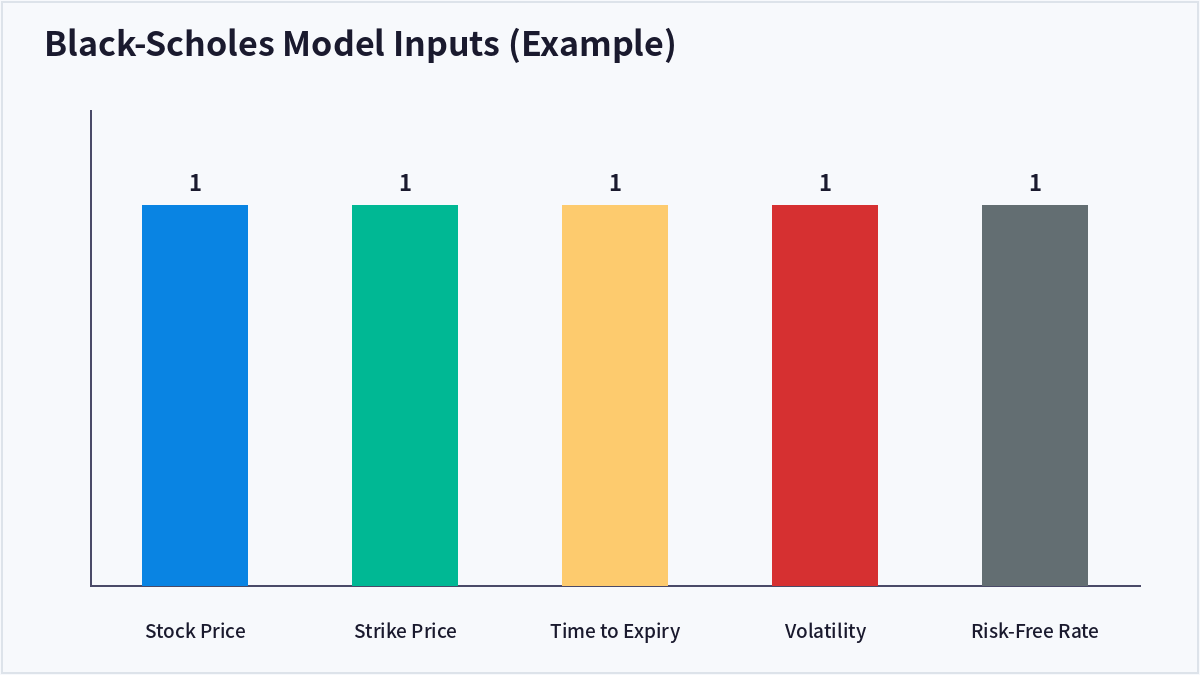
The model calculates an option’s theoretical price using five key inputs: the current price of the underlying stock, the option’s strike price, the time remaining until expiration, the risk-free interest rate, and the volatility of the underlying stock’s returns. Of these, volatility is generally considered the most critical and most difficult to estimate accurately, since it’s the only input based on a forecast of future behavior rather than an observable current fact.
Key Limitations of the Model
Assumes Constant Volatility
The original model assumes that volatility remains constant throughout the life of the option, an assumption widely known to be unrealistic in real markets, where volatility fluctuates constantly in response to news and changing market conditions.
Designed for European-Style Options
The original formula was built specifically for European-style options, which can only be exercised at expiration, and requires modifications (such as binomial models) to more accurately price American-style options, which can be exercised at any time before expiration.
| Input | Effect on Call Option Value | Effect on Put Option Value |
|---|---|---|
| Higher Stock Price | Increases value | Decreases value |
| Higher Volatility | Increases value | Increases value |
| More Time to Expiry | Generally increases value | Generally increases value |
Frequently Asked Questions
Do I need to calculate Black-Scholes myself?
Most brokerage platforms and options trading tools automatically calculate theoretical option values using models like Black-Scholes, so traders rarely need to perform the calculation manually, though understanding the underlying inputs remains valuable.
What is implied volatility, and how does it relate to Black-Scholes?
Implied volatility is derived by working the Black-Scholes formula backward — using the option’s actual observed market price to solve for the volatility input that would justify that price, offering a market-based estimate of expected future volatility.
Why did Black-Scholes win a Nobel Prize?
Myron Scholes and Robert Merton were awarded the 1997 Nobel Memorial Prize in Economic Sciences for developing this pricing methodology (Fischer Black had passed away before the award and was ineligible), recognizing its transformative impact on financial markets.
What are ‘the Greeks’ in relation to this model?
The Greeks (Delta, Gamma, Theta, Vega, Rho) are derived from the Black-Scholes framework and measure an option’s sensitivity to changes in each of the underlying inputs, such as the stock price or time decay, helping traders manage risk more precisely.
Key Takeaways
The Black-Scholes model provides a mathematical framework for estimating the theoretical fair value of options using five key inputs, with volatility being the most critical and uncertain. While foundational to modern finance, its assumption of constant volatility represents a significant real-world limitation. This article is for informational purposes only and does not constitute investment advice.

QuantPro: AI Finds the Trade Before You Do
From AI-powered chart analysis to real-time market intelligence — everything a serious investor needs, in one platform.
- Automated AI chart analysis with precision trend timing
- Bull Radar: real-time visualization of geopolitical & economic shifts
- Live market-moving news and insights, curated for you
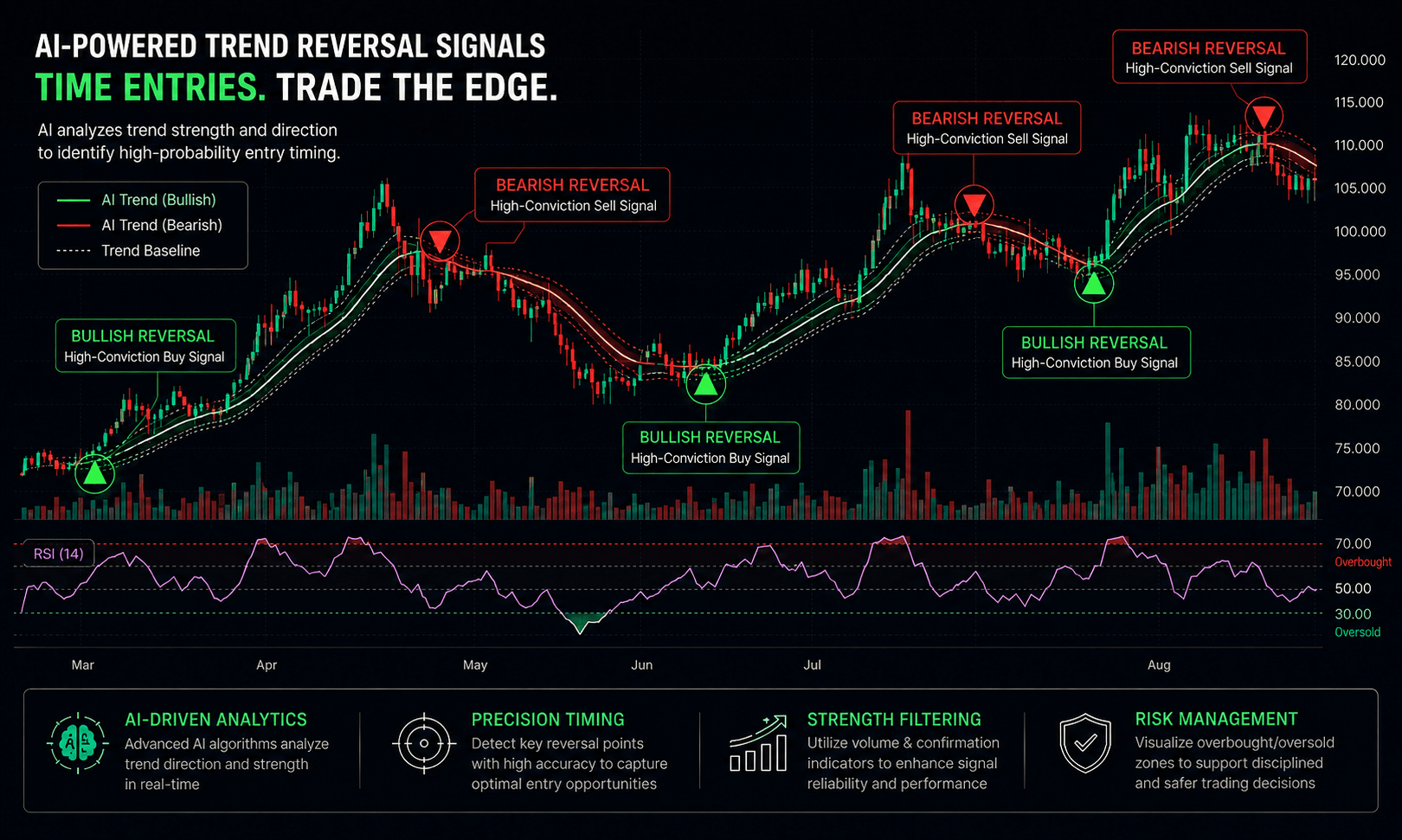
Bull Wave / Bear Wave Forecast Model
Engineered to help you read market direction and momentum faster than the crowd.
- Instantly separate bullish momentum from bearish pressure
- Pinpoint high-probability entry zones with confidence
- Chart signals clear enough for beginners, sharp enough for pros
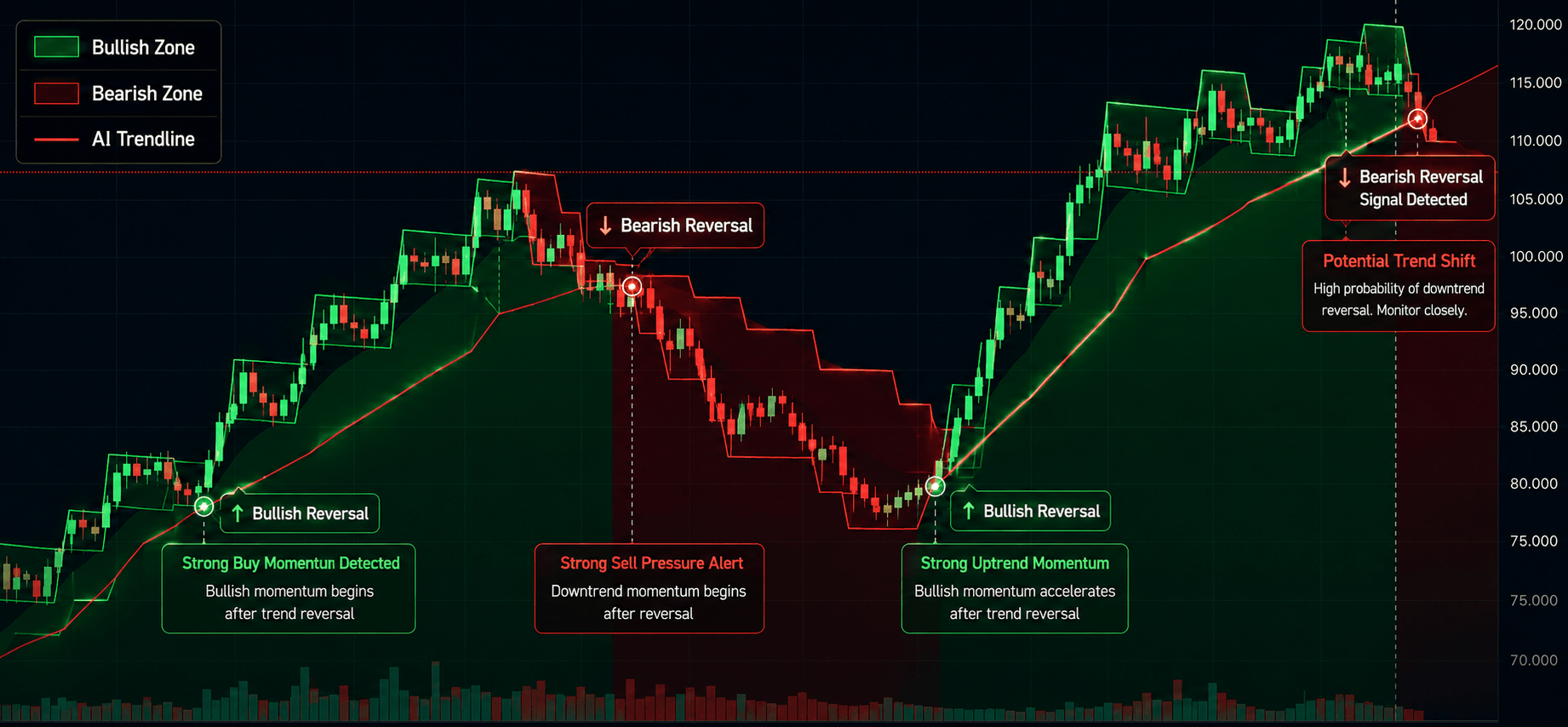
Winning Pattern Detection
Instantly surfaces the high-probability setups that repeat across the charts — a trusted edge for timing your entries and exits.
- Spot momentum building in real time
- Catch trend-reversal points before they break
- Built for active traders who need results, not theory

AI Live Economic Dashboard
AI analyzes real-time market data — turning complex, global investment flows into clear insight in seconds.
- Track global stock markets in real time
- See exactly which assets are strong — and which are fading
- Watch how geopolitical events move the markets
About the Author