What Is a 401(k) Plan?
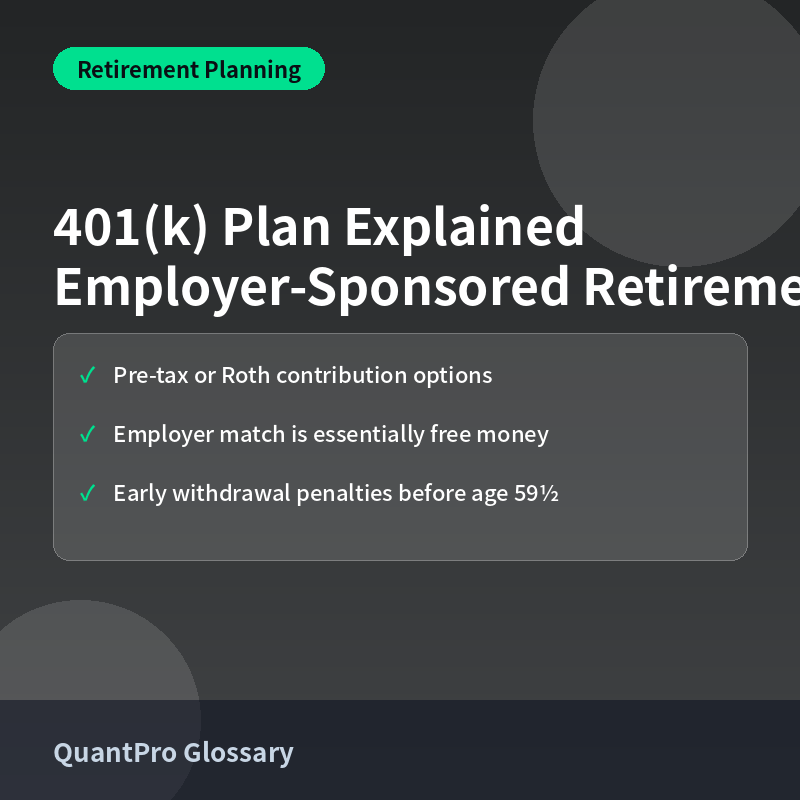
A 401(k) is an employer-sponsored retirement savings account in the United States that allows employees to contribute a portion of their paycheck toward retirement, typically with valuable tax advantages. Contributions are commonly made either on a pre-tax basis (traditional 401(k)) or after-tax basis with tax-free withdrawals in retirement (Roth 401(k)), depending on the plan design and employee’s election.
The Power of Employer Matching
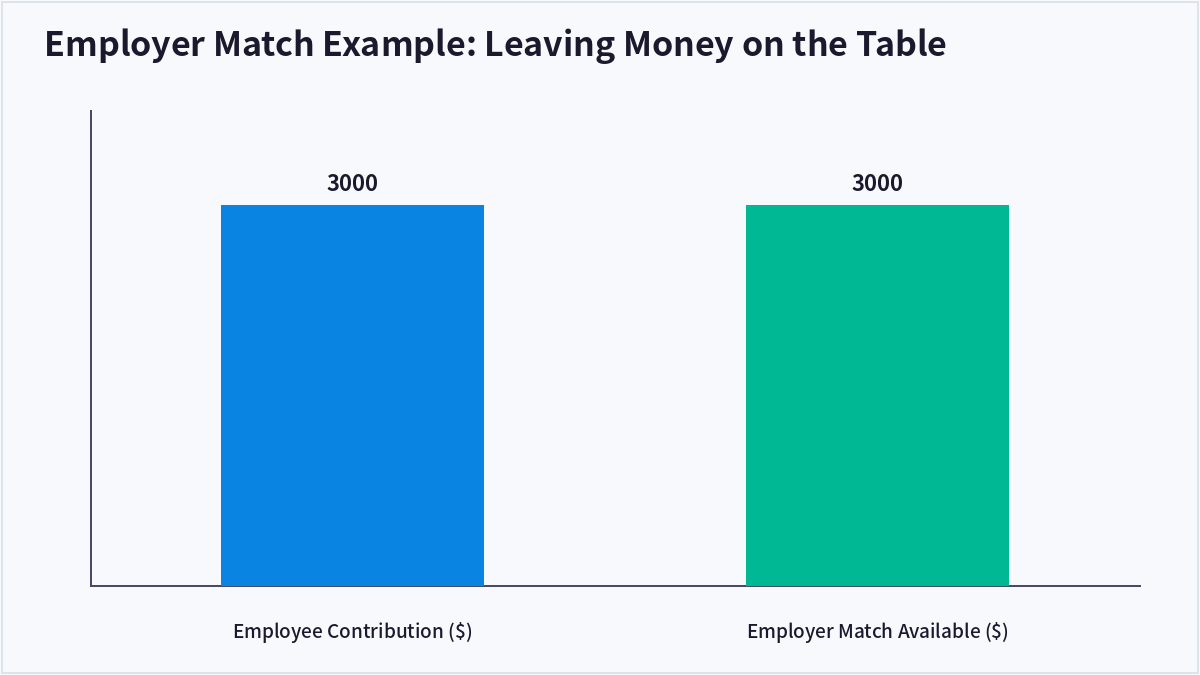
Many employers offer a matching contribution, agreeing to contribute additional funds to an employee’s 401(k) based on the employee’s own contribution level — a common structure being a 50% or 100% match up to a certain percentage of salary. Failing to contribute at least enough to capture the full employer match is often described as leaving free money on the table, since it represents an immediate, guaranteed return that no other investment can reliably match.
Key Rules to Understand
Annual Contribution Limits
The IRS sets annual limits on how much employees can contribute to their 401(k), with additional ‘catch-up’ contribution allowances typically available for those aged 50 and older — these limits are periodically adjusted for inflation.
Early Withdrawal Penalties
Withdrawing funds from a traditional 401(k) before reaching age 59½ generally triggers both ordinary income tax on the withdrawn amount and an additional 10% early withdrawal penalty, with only limited exceptions for specific hardship circumstances.
| Feature | Traditional 401(k) | Roth 401(k) |
|---|---|---|
| Contribution Tax Treatment | Pre-tax (reduces current taxable income) | After-tax (no current tax deduction) |
| Withdrawal Tax Treatment | Taxed as ordinary income | Tax-free if qualified |
| Best Suited For | Those expecting lower tax bracket in retirement | Those expecting higher tax bracket in retirement |
Frequently Asked Questions
What happens to my 401(k) if I change jobs?
You generally have several options, including leaving the funds in your former employer’s plan (if allowed), rolling it over into your new employer’s plan, or rolling it into an Individual Retirement Account (IRA), each with different considerations.
How do I choose investments within my 401(k)?
Most plans offer a limited menu of mutual funds or target-date funds, and the appropriate selection generally depends on factors like your time horizon until retirement and personal risk tolerance.
What is vesting, and why does it matter?
Vesting refers to the schedule by which you gain full ownership of employer matching contributions — while your own contributions are always fully yours immediately, employer match funds may require a certain number of years of employment before becoming fully vested.
Can I take a loan from my 401(k)?
Some plans allow participants to borrow against their vested balance, which must generally be repaid with interest according to specific rules, though failing to repay can result in the outstanding amount being treated as a taxable distribution.
Key Takeaways
A 401(k) offers tax-advantaged retirement saving, often enhanced by employer matching contributions that represent an immediate, guaranteed benefit. Understanding contribution limits, vesting schedules, and early withdrawal penalties is essential to making the most of this common retirement savings vehicle. This article is for informational purposes only and does not constitute investment advice.
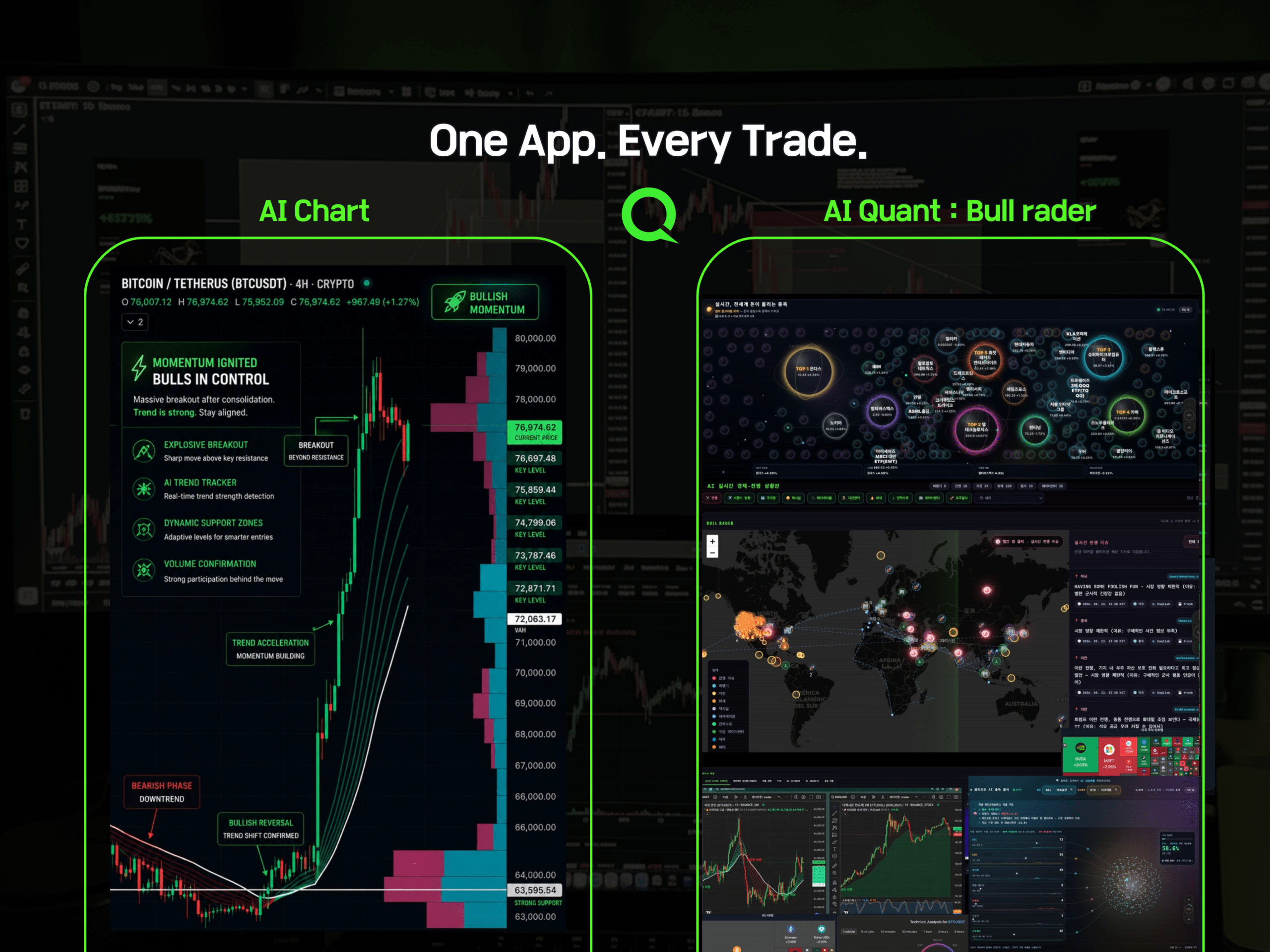
QuantPro: AI Finds the Trade Before You Do
From AI-powered chart analysis to real-time market intelligence — everything a serious investor needs, in one platform.
- Automated AI chart analysis with precision trend timing
- Bull Radar: real-time visualization of geopolitical & economic shifts
- Live market-moving news and insights, curated for you
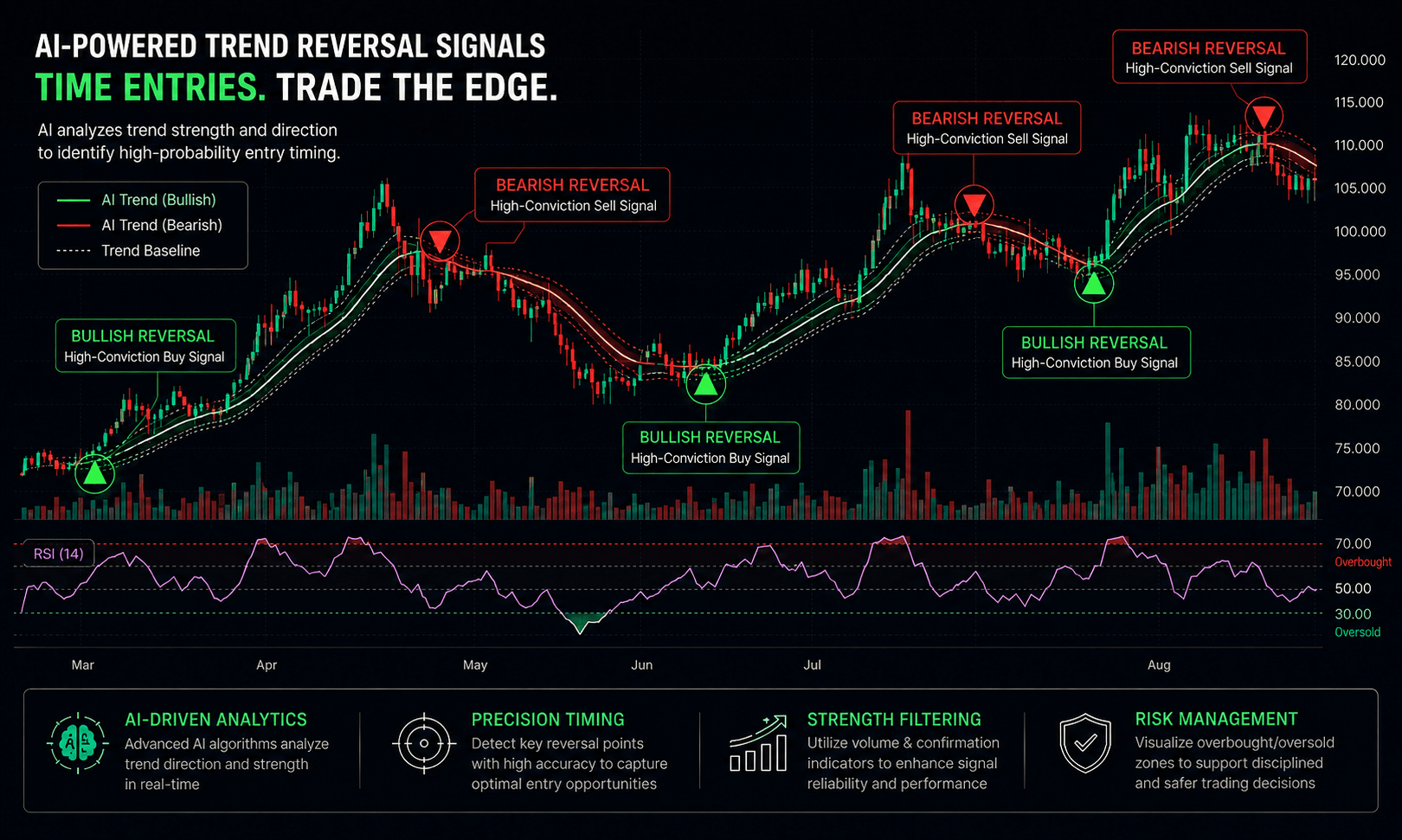
Bull Wave / Bear Wave Forecast Model
Engineered to help you read market direction and momentum faster than the crowd.
- Instantly separate bullish momentum from bearish pressure
- Pinpoint high-probability entry zones with confidence
- Chart signals clear enough for beginners, sharp enough for pros
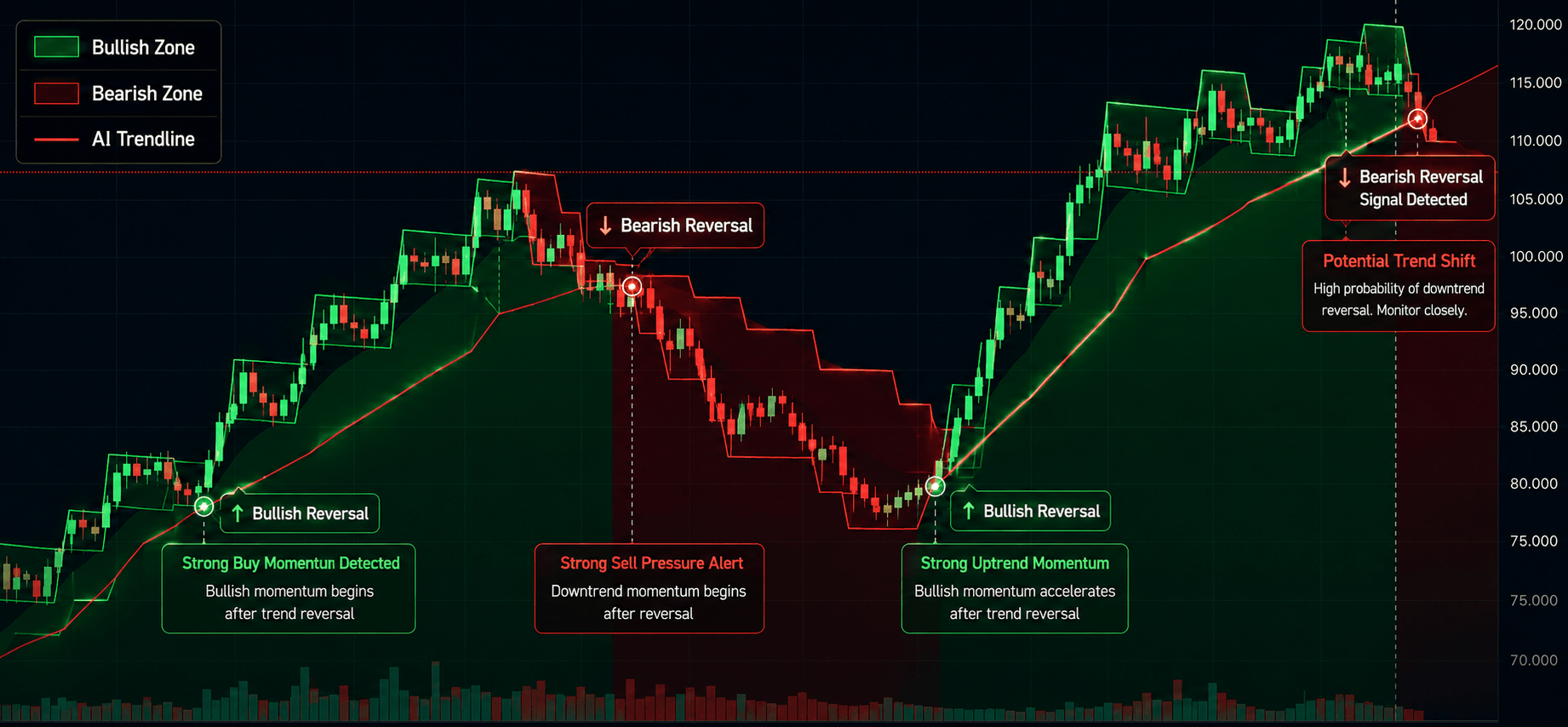
Winning Pattern Detection
Instantly surfaces the high-probability setups that repeat across the charts — a trusted edge for timing your entries and exits.
- Spot momentum building in real time
- Catch trend-reversal points before they break
- Built for active traders who need results, not theory
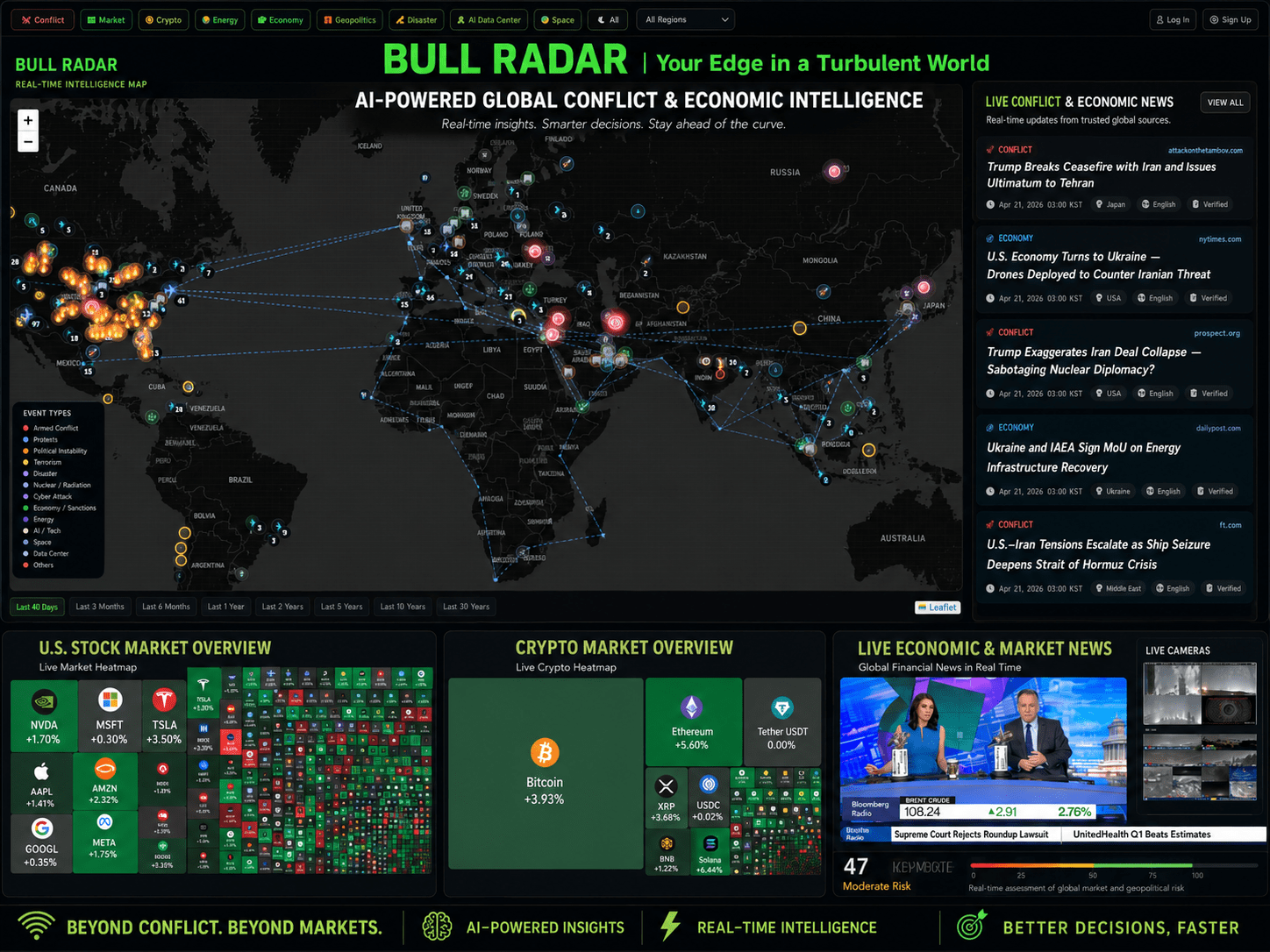
AI Live Economic Dashboard
AI analyzes real-time market data — turning complex, global investment flows into clear insight in seconds.
- Track global stock markets in real time
- See exactly which assets are strong — and which are fading
- Watch how geopolitical events move the markets
About the Author