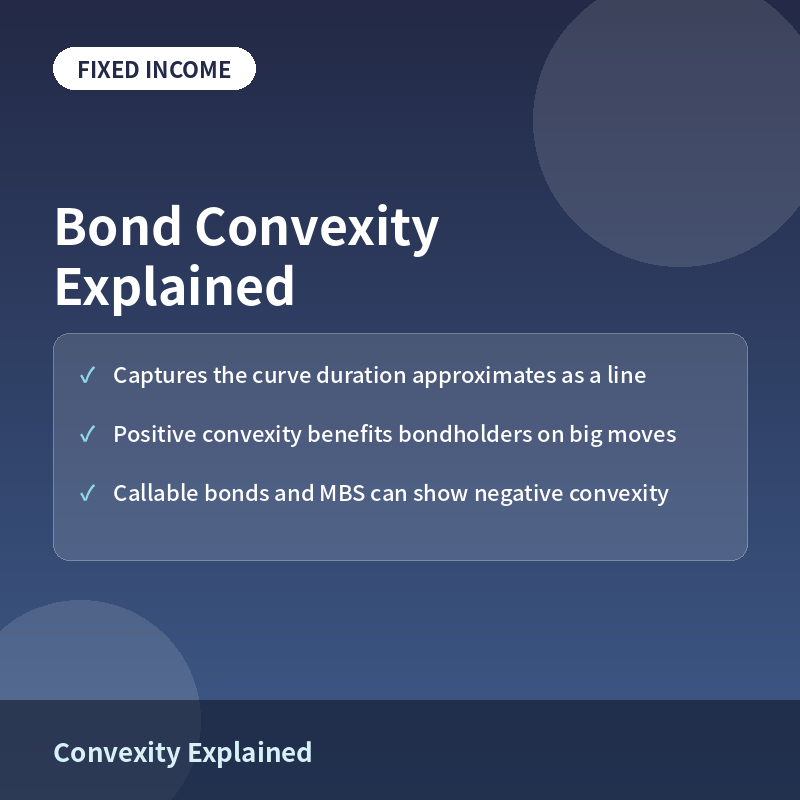
What Is Bond Convexity?
Bond convexity measures the curvature in the relationship between a bond’s price and its yield. Duration, on its own, estimates that relationship as a straight line — a constant percentage price change per percentage-point change in yield. In reality, the price-yield relationship curves, so duration’s estimate becomes progressively less accurate the larger the yield move gets. Convexity is the correction term that captures that curvature.
Why Duration Alone Isn’t Enough
Duration answers the question, “if yields move by X%, roughly how much will this bond’s price change?” That linear approximation works reasonably well for small yield moves, but for larger swings — the kind that actually matter most during rate-hiking or rate-cutting cycles — the straight-line estimate increasingly diverges from the bond’s actual repricing.
The Convexity-Adjusted Price Formula
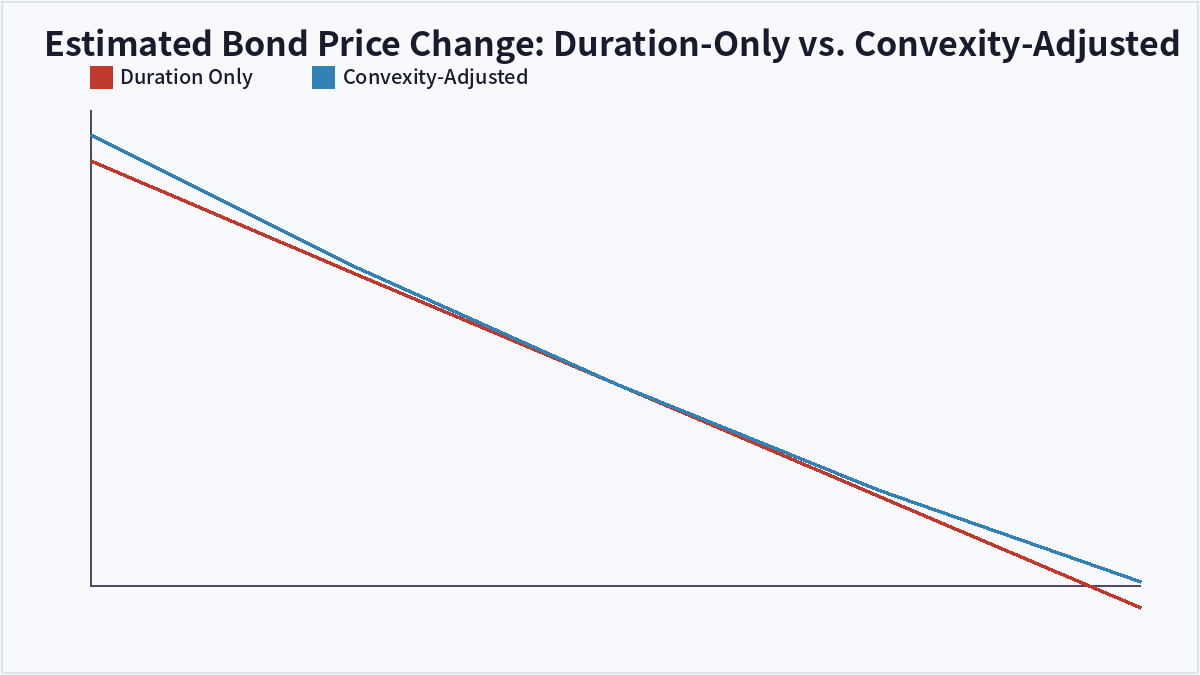
The fuller approximation is: % Price Change ≈ −Duration × Δy + 0.5 × Convexity × (Δy)². Consider a bond with a modified duration of 7 and a convexity of 80, where market yields rise by 2% (Δy = 0.02). The duration-only estimate is −7 × 0.02 = −14.0%. The convexity term adds 0.5 × 80 × 0.02² = +1.6%, so the convexity-adjusted estimate is −14.0% + 1.6% = −12.4% — a meaningfully smaller loss than duration alone suggests.
| Method | Estimated Price Change for a +2% Yield Move |
|---|---|
| Duration only | -14.0% |
| Duration + convexity adjustment | -12.4% |
Positive vs. Negative Convexity
Positive Convexity
Most option-free bonds — plain Treasuries and standard corporate bonds — exhibit positive convexity, which works in the investor’s favor: prices rise more than duration predicts when yields fall, and fall less than duration predicts when yields rise, exactly as shown in the chart above.
Negative Convexity
Callable bonds and mortgage-backed securities can instead exhibit negative convexity. As yields fall, price appreciation gets capped because issuers become more likely to call the bond away, or homeowners become more likely to refinance and prepay their mortgages — the same prepayment dynamic that drives MBS pricing.
Frequently Asked Questions
Is higher convexity good or bad for a bondholder?
For a bond with positive convexity, higher convexity is generally favorable — it means the bond gains more than duration predicts when yields fall and loses less than duration predicts when yields rise.
Why do callable bonds have negative convexity?
When yields fall enough, the issuer of a callable bond gains an incentive to redeem it early and refinance at the new, lower rate. That embedded call option caps how much the bond’s price can rise, flipping the normal convexity benefit into a drag for investors.
Does convexity matter for short-term bonds?
Convexity effects are generally much smaller for short-maturity bonds, since both duration and the curvature of the price-yield relationship scale up with time to maturity. It matters far more for long-duration bonds.
How is convexity different from duration in practical terms?
Duration gives a first-order, straight-line estimate of price sensitivity to yield changes. Convexity is a second-order refinement that corrects for the curvature duration ignores, and it becomes increasingly important as the size of the yield move grows.
Key Takeaways
Convexity refines duration’s straight-line price estimate by accounting for the actual curve in the bond price-yield relationship, and the correction grows larger the bigger the yield move. Positive convexity benefits bondholders, while callable bonds and mortgage-backed securities can instead show negative convexity that caps upside. This article is for informational purposes only and does not constitute investment advice.

QuantPro: AI Finds the Trade Before You Do
From AI-powered chart analysis to real-time market intelligence — everything a serious investor needs, in one platform.
- Automated AI chart analysis with precision trend timing
- Bull Radar: real-time visualization of geopolitical & economic shifts
- Live market-moving news and insights, curated for you
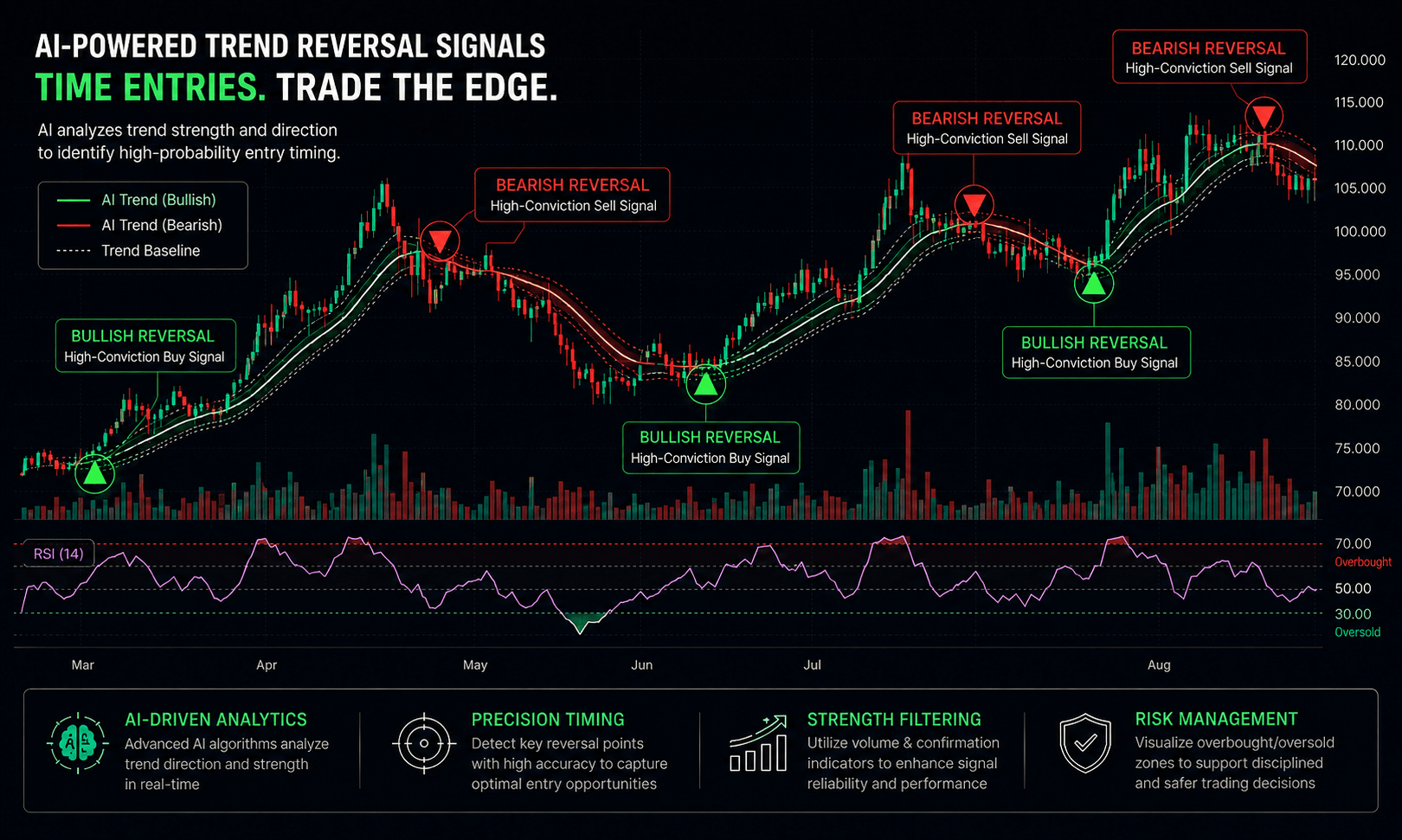
Bull Wave / Bear Wave Forecast Model
Engineered to help you read market direction and momentum faster than the crowd.
- Instantly separate bullish momentum from bearish pressure
- Pinpoint high-probability entry zones with confidence
- Chart signals clear enough for beginners, sharp enough for pros
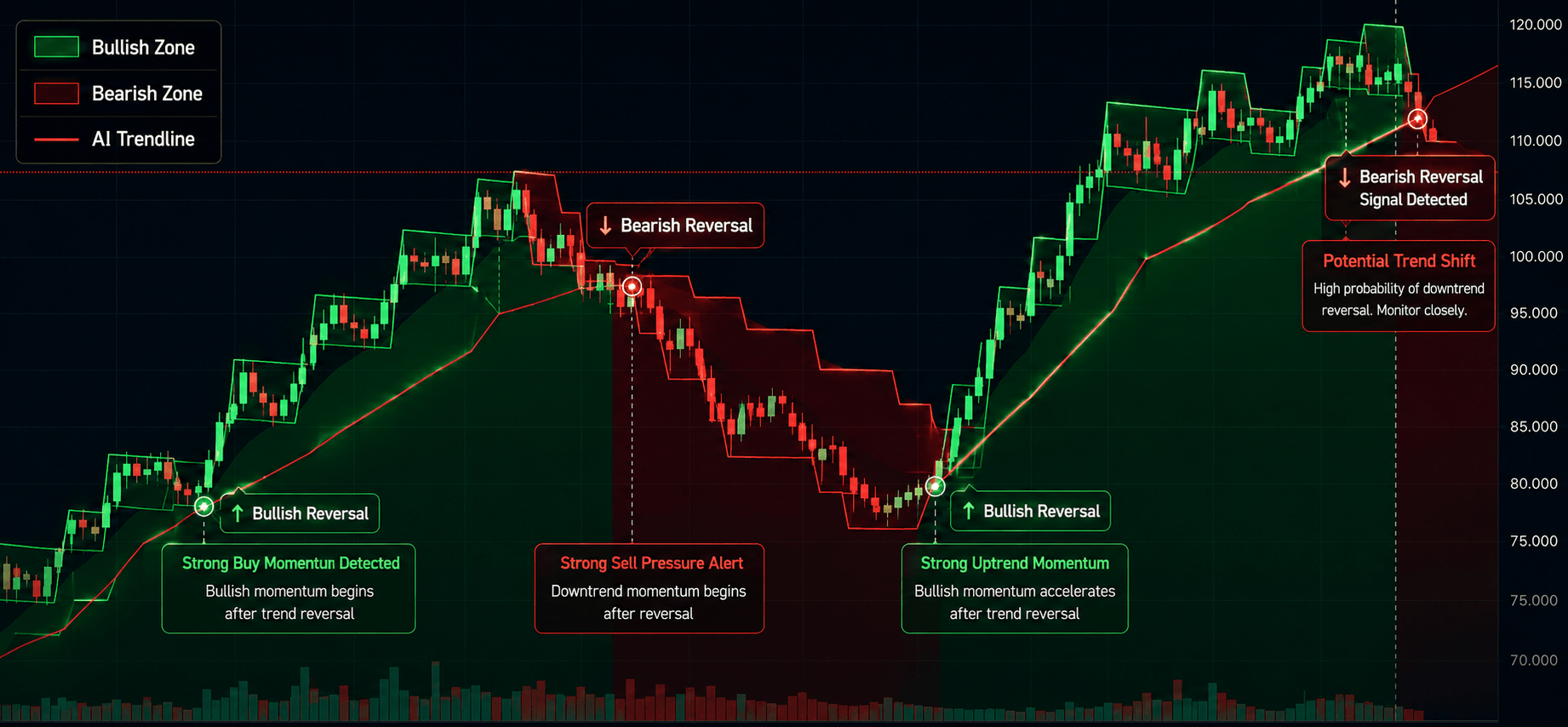
Winning Pattern Detection
Instantly surfaces the high-probability setups that repeat across the charts — a trusted edge for timing your entries and exits.
- Spot momentum building in real time
- Catch trend-reversal points before they break
- Built for active traders who need results, not theory

AI Live Economic Dashboard
AI analyzes real-time market data — turning complex, global investment flows into clear insight in seconds.
- Track global stock markets in real time
- See exactly which assets are strong — and which are fading
- Watch how geopolitical events move the markets
About the Author