What Is a Cap Rate?
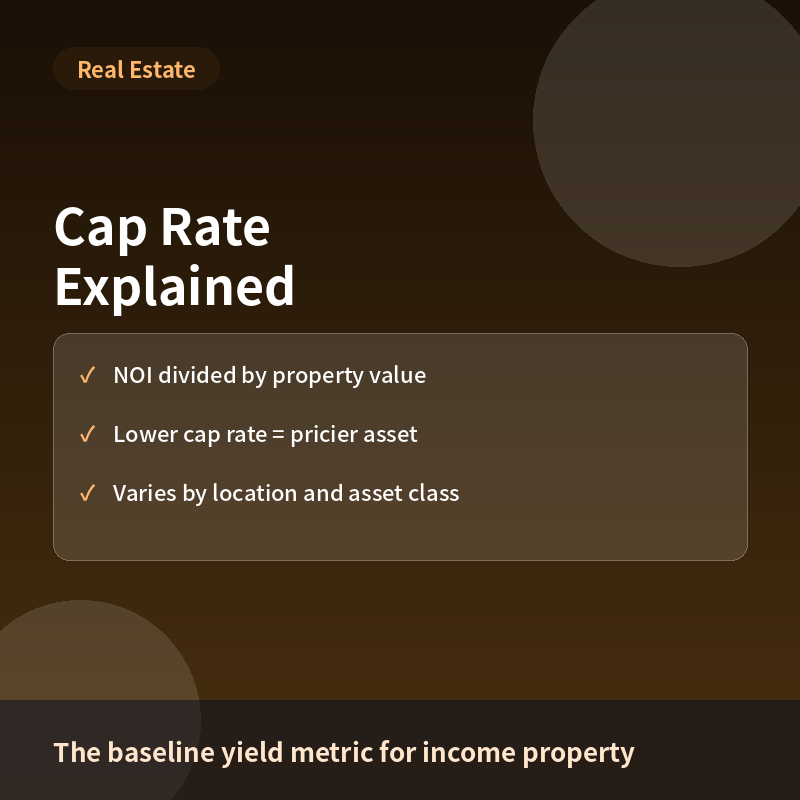
The capitalization rate, or cap rate, measures the unlevered annual return a commercial property generates, calculated as its net operating income divided by its purchase price or current market value. It is the most widely used shorthand for comparing income-producing properties like offices, retail centers, and warehouses.
How to Calculate a Cap Rate
The Basic Formula
Cap rate equals net operating income (NOI) divided by property value, multiplied by 100. A $10 million office building generating $500,000 in annual NOI has a cap rate of 5%.
Calculating Net Operating Income
NOI is rental income minus vacancy losses and operating expenses such as property management, insurance, and property taxes, but excluding mortgage interest and depreciation. This makes NOI a measure of the property’s own earning power, independent of how it’s financed.
How to Interpret a Cap Rate
A lower cap rate means investors are paying more for each dollar of income, which is typical for stable, high-demand assets in prime locations. A higher cap rate usually signals higher perceived risk, but also a lower relative purchase price for the same income stream.

| Feature | Low Cap Rate | High Cap Rate |
|---|---|---|
| Relative price | Higher | Lower |
| Perceived risk | Lower (prime location, strong tenants) | Higher (risk premium demanded) |
| Typical example | Prime downtown office tower | Aging suburban strip mall |
| Investor profile | Stability-focused, long-term hold | Return-focused, risk-tolerant |
Frequently Asked Questions
Is a cap rate the same as a rental yield?
They’re related but not identical. A simple rental yield often uses gross rental income, while a cap rate uses net operating income after vacancy and operating expenses, making it a more refined profitability measure.
Should I avoid a property if its cap rate is below prevailing interest rates?
Not necessarily. Real estate can also offer price appreciation potential and an inflation hedge that a pure cap rate comparison doesn’t capture, so it should be weighed alongside other factors rather than used alone.
How do rising interest rates affect cap rates?
Rising rates typically push cap rates higher as investors demand greater compensation, which, for a given level of net operating income, implies a decline in the property’s value.
Can I use a cap rate to estimate a property’s fair value?
Yes. Dividing net operating income by a target cap rate gives an implied fair value, a method commonly used in commercial real estate appraisal.
Key Takeaways
The cap rate measures a commercial property’s unlevered income return by dividing net operating income by its value, with lower rates signaling premium, lower-risk assets and higher rates signaling more risk but a cheaper entry price. Interpreting a cap rate properly means weighing it alongside interest rate trends and the property’s location and stability. This article is for informational purposes only and does not constitute investment advice.

QuantPro: AI Finds the Trade Before You Do
From AI-powered chart analysis to real-time market intelligence — everything a serious investor needs, in one platform.
- Automated AI chart analysis with precision trend timing
- Bull Radar: real-time visualization of geopolitical & economic shifts
- Live market-moving news and insights, curated for you
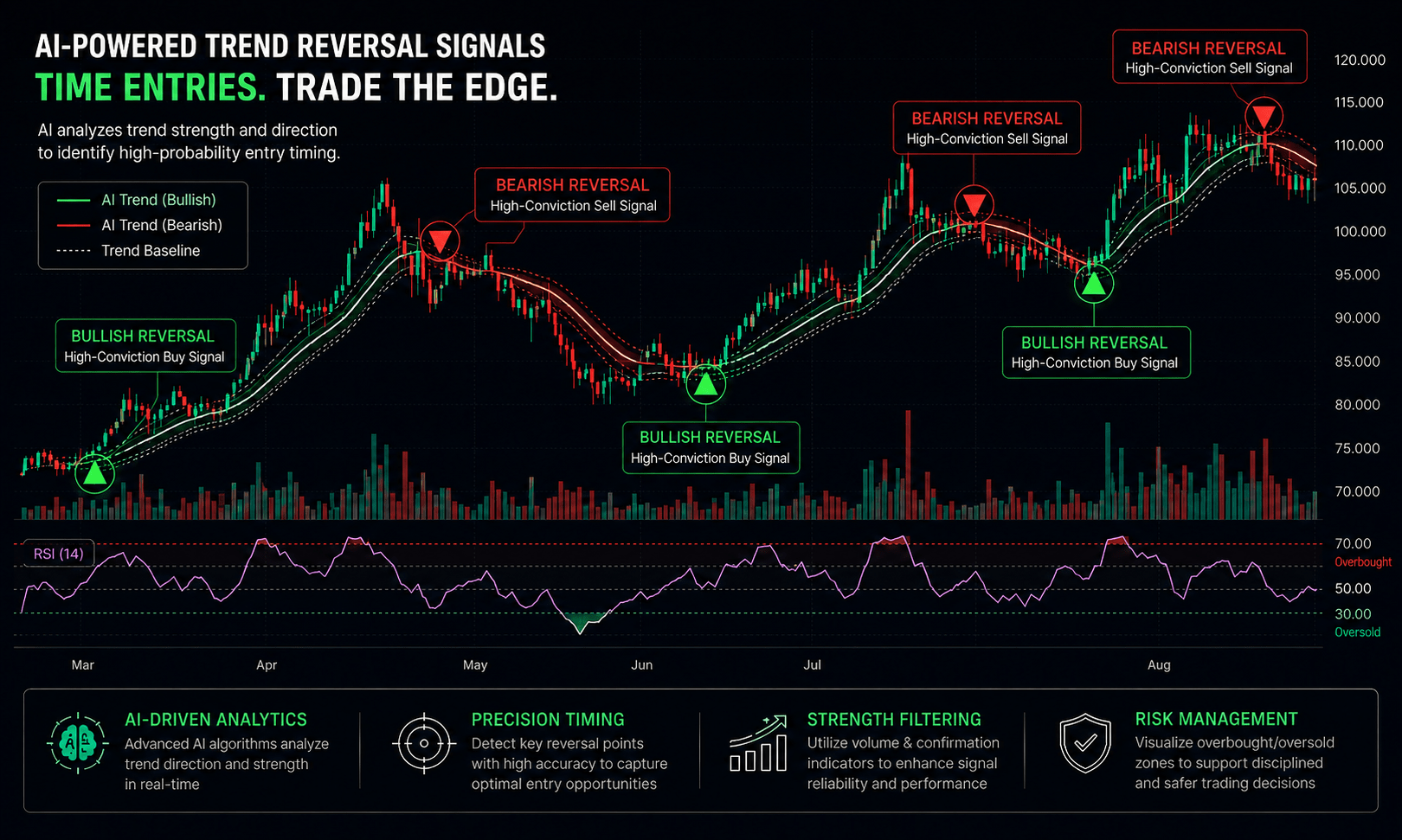
Bull Wave / Bear Wave Forecast Model
Engineered to help you read market direction and momentum faster than the crowd.
- Instantly separate bullish momentum from bearish pressure
- Pinpoint high-probability entry zones with confidence
- Chart signals clear enough for beginners, sharp enough for pros
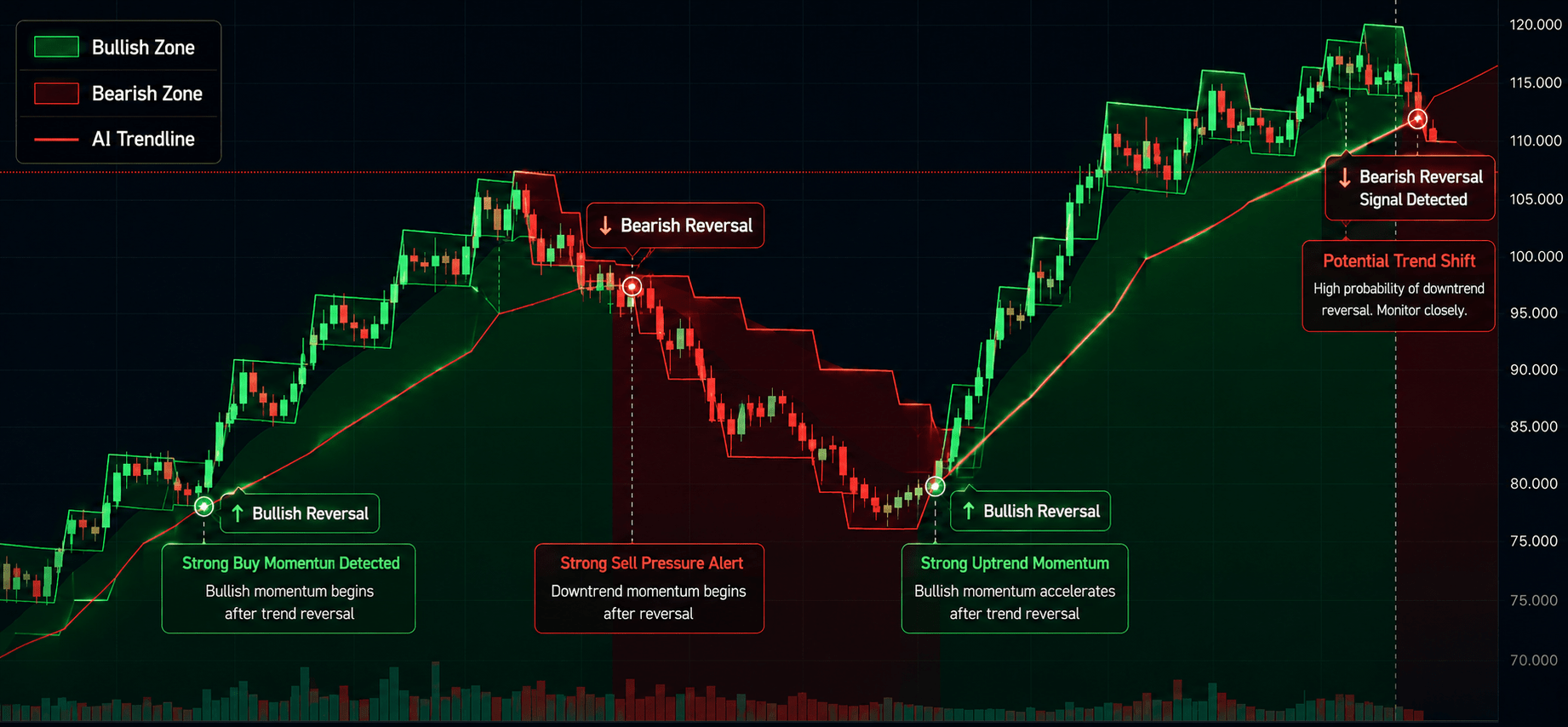
Winning Pattern Detection
Instantly surfaces the high-probability setups that repeat across the charts — a trusted edge for timing your entries and exits.
- Spot momentum building in real time
- Catch trend-reversal points before they break
- Built for active traders who need results, not theory

AI Live Economic Dashboard
AI analyzes real-time market data — turning complex, global investment flows into clear insight in seconds.
- Track global stock markets in real time
- See exactly which assets are strong — and which are fading
- Watch how geopolitical events move the markets
About the Author