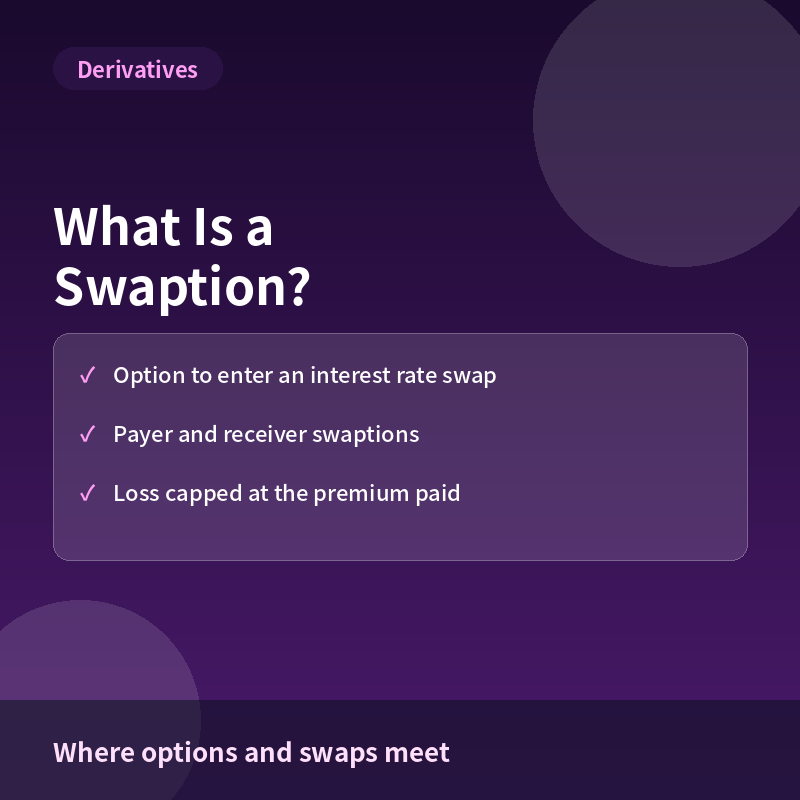
What Is a Swaption?
A swaption is an option that gives its buyer the right, but not the obligation, to enter into a specified interest rate swap at a future date. Because it combines a swap with an option structure, the buyer pays an upfront premium for the right and can simply let it expire unused if market conditions turn unfavorable.
Payer Swaptions vs. Receiver Swaptions
Payer Swaption
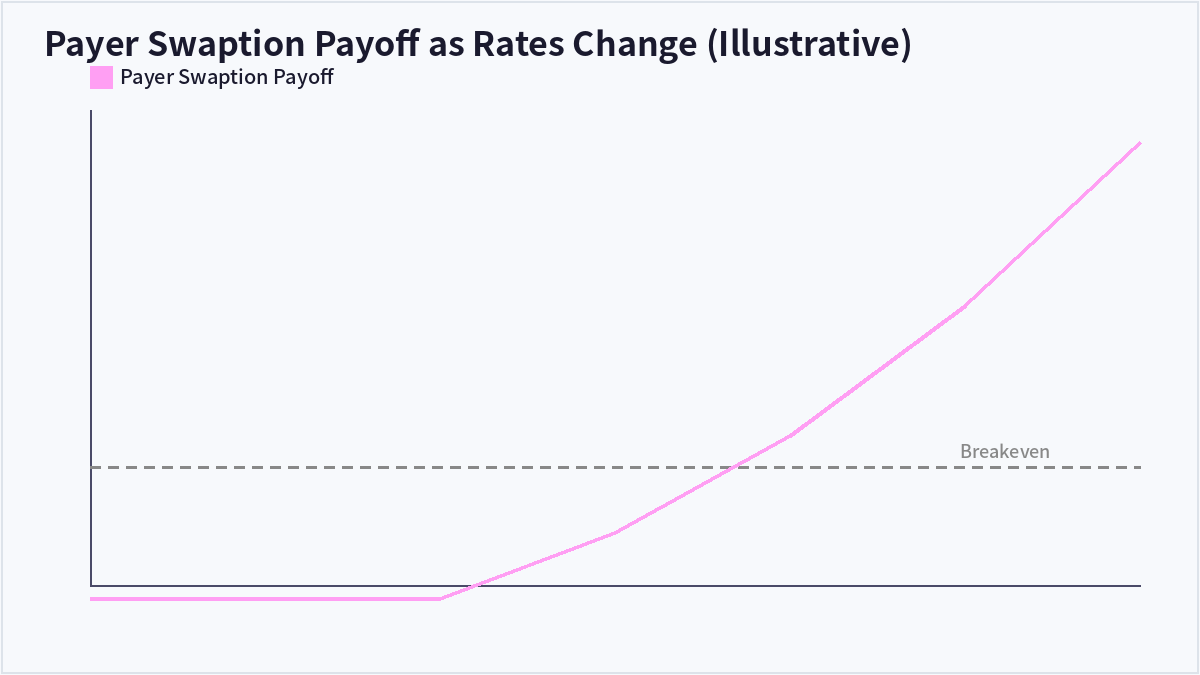
A payer swaption gives the buyer the right to enter a swap in which they pay a fixed rate and receive a floating rate. Investors who expect interest rates to rise significantly buy payer swaptions to lock in today’s lower fixed rate for future use.
Receiver Swaption
A receiver swaption gives the buyer the right to enter a swap in which they receive a fixed rate and pay a floating rate. This is typically used by investors or institutions with floating-rate exposure who want protection against falling interest rates.
Why the Asymmetric Payoff Matters
The key appeal of a swaption is its option-like asymmetry: if rates move against the position, the loss is capped at the premium paid, but if rates move favorably, the buyer can enter the swap on much better terms than the market otherwise offers, functioning much like insurance against unfavorable rate moves.
| Feature | Payer Swaption | Receiver Swaption |
|---|---|---|
| Right acquired | Enter a pay-fixed swap | Enter a receive-fixed swap |
| Favorable scenario | Rates rise | Rates fall |
| Unfavorable scenario | Rates fall (let expire) | Rates rise (let expire) |
| Maximum loss | Premium paid | Premium paid |
| Typical user | Floating-rate borrowers hedging rate hikes | Floating-rate asset holders hedging rate cuts |
Frequently Asked Questions
What is the maximum loss for a swaption buyer?
The buyer’s maximum loss is limited to the premium paid, since they can simply decline to exercise the option if market rates move against the position.
Who typically trades swaptions?
Banks, insurance companies, and pension funds with large interest-rate-sensitive liabilities or assets are the primary users, since swaptions provide a flexible way to manage rate risk without committing to a swap outright.
How is a swaption different from a cap or floor?
A cap or floor consists of a series of options exercised independently at each reset date, while a swaption is typically a single, one-time decision about whether to enter an entire swap at a specified future date.
What determines the price of a swaption’s premium?
The volatility of the underlying swap rate, the gap between the strike rate and current market rates, and the time remaining until expiration all influence the premium, similar to standard option pricing factors.
Key Takeaways
A swaption gives the buyer the right, without the obligation, to enter a future interest rate swap, with payer and receiver versions addressing rising- and falling-rate scenarios respectively. Because losses are capped at the premium paid, swaptions serve as a flexible insurance-like tool for institutions managing significant interest rate exposure. This article is for informational purposes only and does not constitute investment advice.

QuantPro: AI Finds the Trade Before You Do
From AI-powered chart analysis to real-time market intelligence — everything a serious investor needs, in one platform.
- Automated AI chart analysis with precision trend timing
- Bull Radar: real-time visualization of geopolitical & economic shifts
- Live market-moving news and insights, curated for you
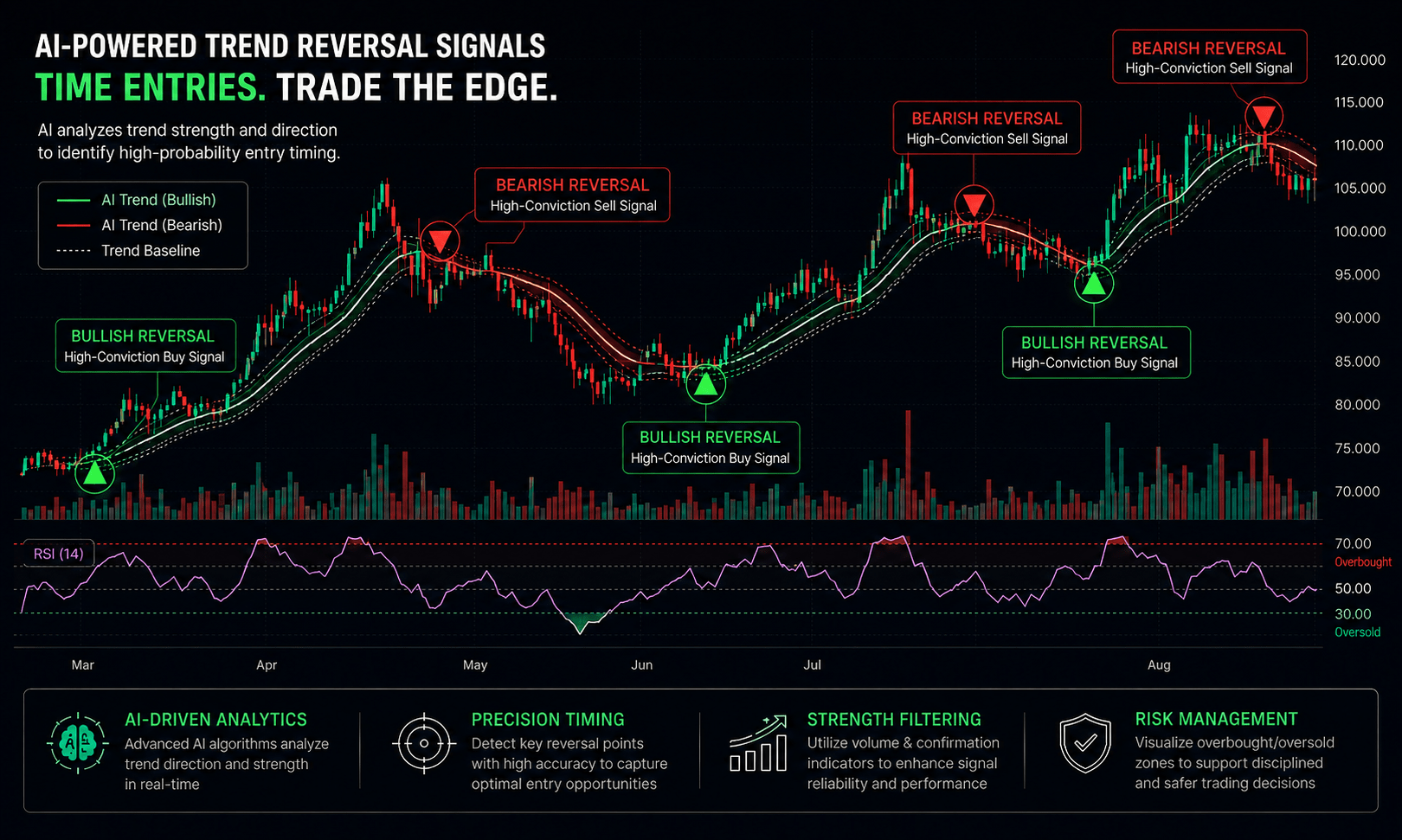
Bull Wave / Bear Wave Forecast Model
Engineered to help you read market direction and momentum faster than the crowd.
- Instantly separate bullish momentum from bearish pressure
- Pinpoint high-probability entry zones with confidence
- Chart signals clear enough for beginners, sharp enough for pros
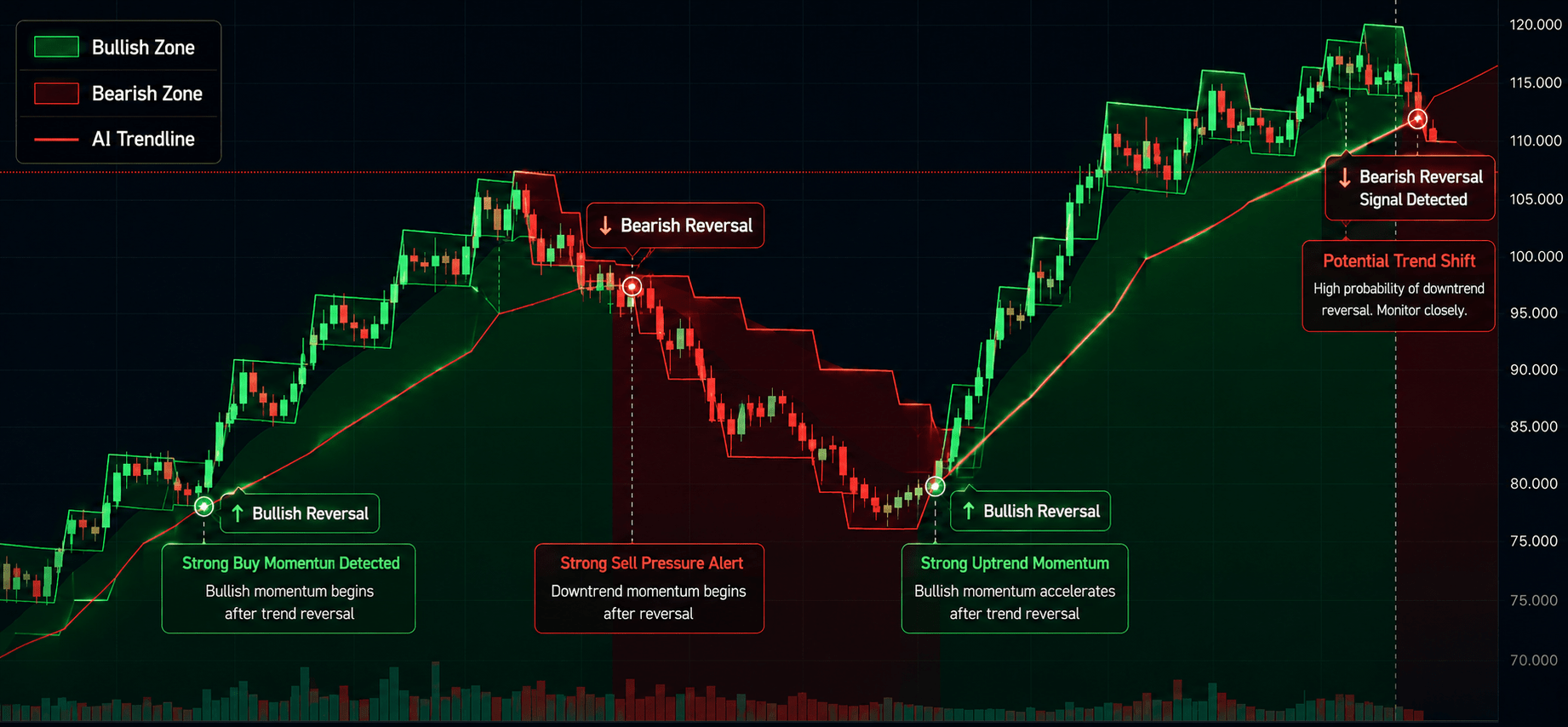
Winning Pattern Detection
Instantly surfaces the high-probability setups that repeat across the charts — a trusted edge for timing your entries and exits.
- Spot momentum building in real time
- Catch trend-reversal points before they break
- Built for active traders who need results, not theory
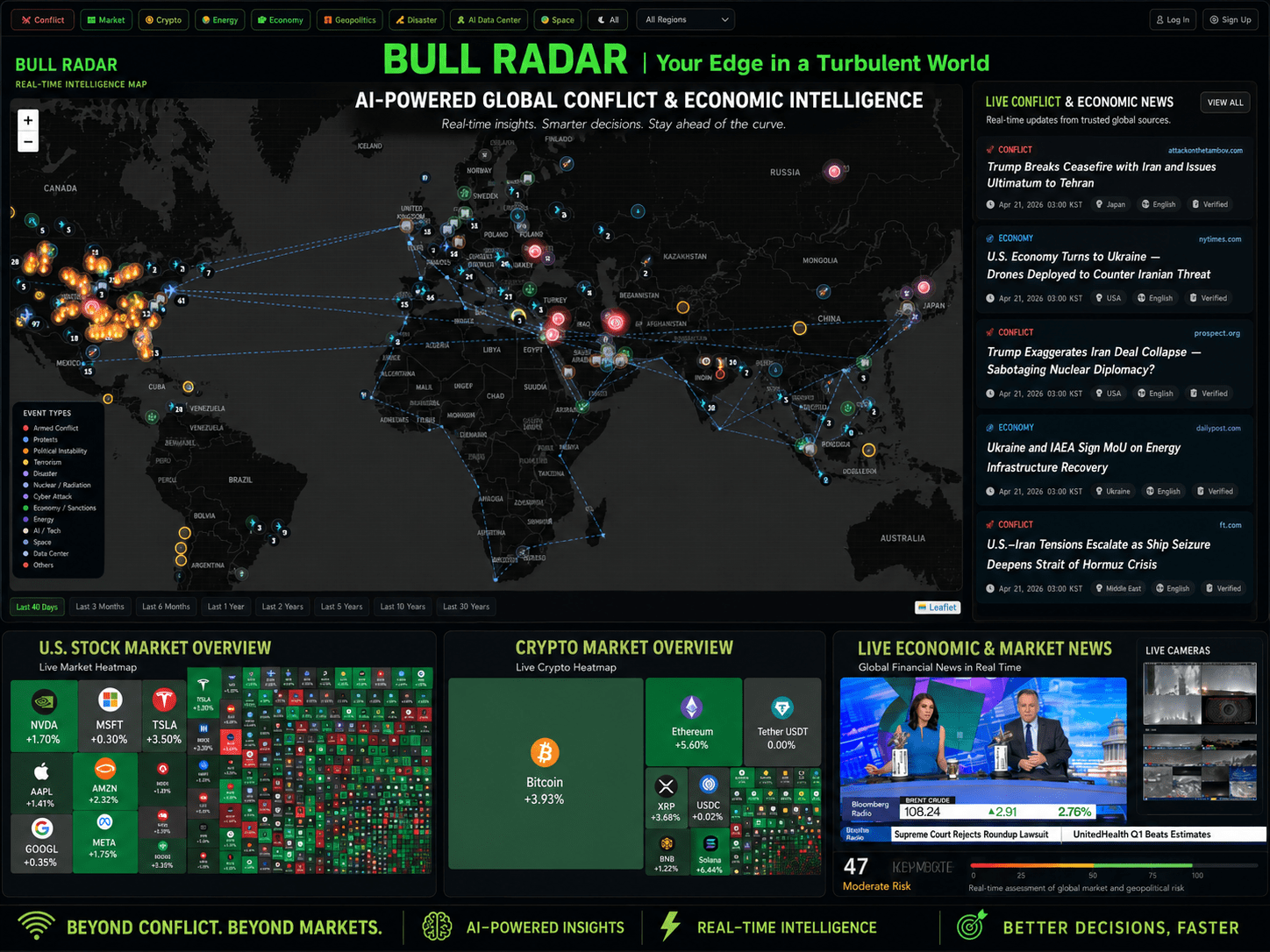
AI Live Economic Dashboard
AI analyzes real-time market data — turning complex, global investment flows into clear insight in seconds.
- Track global stock markets in real time
- See exactly which assets are strong — and which are fading
- Watch how geopolitical events move the markets
About the Author