What Is the Cash Conversion Cycle?
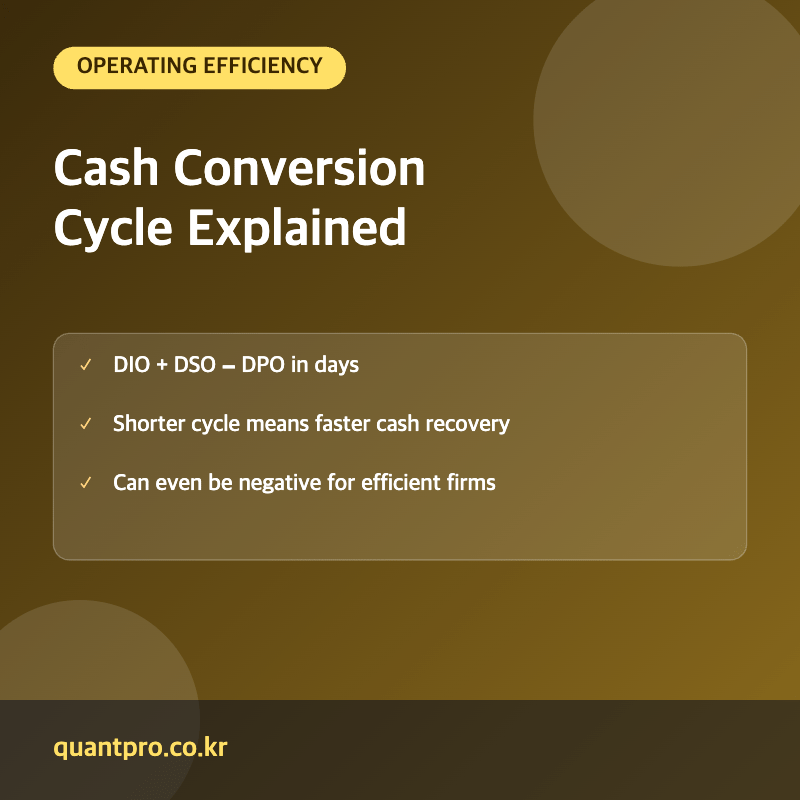
The Cash Conversion Cycle (CCC) measures the number of days it takes a company to convert its investments in inventory into cash from sales. The formula is Days Inventory Outstanding (DIO) + Days Sales Outstanding (DSO) − Days Payable Outstanding (DPO), and a shorter cycle means a company recovers its cash more quickly.
The CCC captures the entire operating cycle: how long inventory sits before being sold, how long it takes to collect payment from customers, and how long the company can delay paying its own suppliers, combining all three into a single measure of cash efficiency.
Why a Shorter Cash Conversion Cycle Is Better
A shorter CCC means less cash is tied up in the operating cycle, freeing up capital for reinvestment, debt repayment, or shareholder returns. Some highly efficient companies, particularly those with strong supplier negotiating power, can achieve a negative CCC, meaning they collect cash from customers before they even have to pay their suppliers.
Components of the Cash Conversion Cycle
Each of the three components reflects a different part of the operating cycle, and improving any one of them — selling inventory faster, collecting receivables sooner, or negotiating longer payment terms with suppliers — shortens the overall cycle.
| Component | What It Measures | Effect on CCC |
|---|---|---|
| Days Inventory Outstanding (DIO) | Days inventory sits before being sold | Lower DIO shortens CCC |
| Days Sales Outstanding (DSO) | Days to collect payment from customers | Lower DSO shortens CCC |
| Days Payable Outstanding (DPO) | Days taken to pay suppliers | Higher DPO shortens CCC |
Frequently Asked Questions
Can the cash conversion cycle be negative?
Yes, a negative CCC means a company collects cash from customers before it needs to pay its suppliers, which is common in efficient retail or subscription-based business models with strong supplier leverage.
Is a longer cash conversion cycle always bad?
A longer CCC generally ties up more working capital, but certain industries with naturally long production or sales cycles, such as heavy manufacturing, may have longer CCCs as a structural feature rather than a sign of inefficiency.
How can a company shorten its cash conversion cycle?
Companies can shorten their CCC by improving inventory turnover, tightening credit terms or collection processes for receivables, or negotiating longer payment terms with their own suppliers.
Where can I find the data to calculate the CCC?
The inputs needed — inventory, receivables, payables, cost of goods sold, and revenue — are all found on a company’s balance sheet and income statement, and the components are often reported directly by financial research platforms.
Key Takeaways
The cash conversion cycle measures how quickly a company turns its investments in inventory and receivables back into cash, and a shorter or even negative cycle generally signals efficient working capital management. This article is for informational purposes only and does not constitute investment advice.

QuantPro: AI Finds the Trade Before You Do
From AI-powered chart analysis to real-time market intelligence — everything a serious investor needs, in one platform.
- Automated AI chart analysis with precision trend timing
- Bull Radar: real-time visualization of geopolitical & economic shifts
- Live market-moving news and insights, curated for you
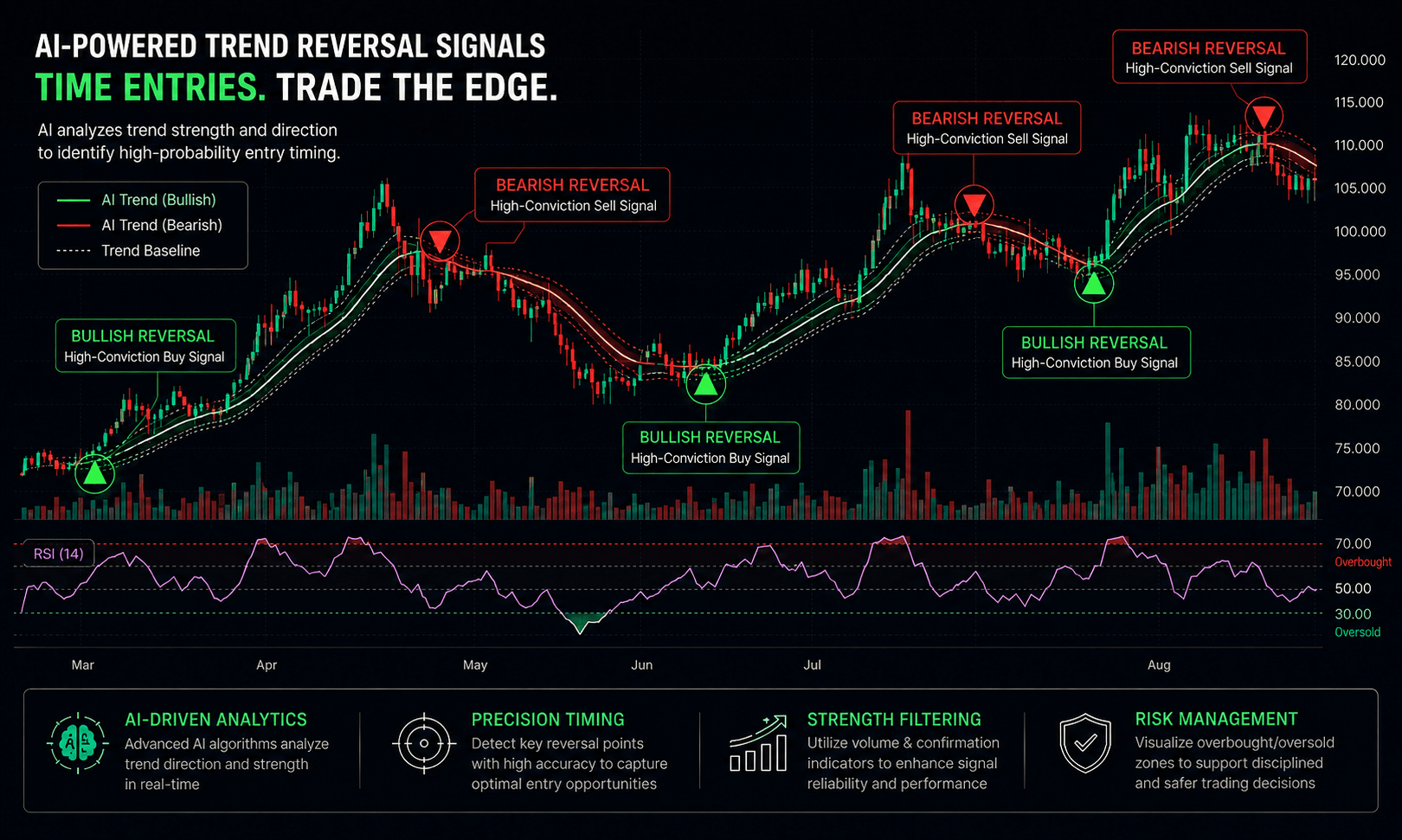
Bull Wave / Bear Wave Forecast Model
Engineered to help you read market direction and momentum faster than the crowd.
- Instantly separate bullish momentum from bearish pressure
- Pinpoint high-probability entry zones with confidence
- Chart signals clear enough for beginners, sharp enough for pros
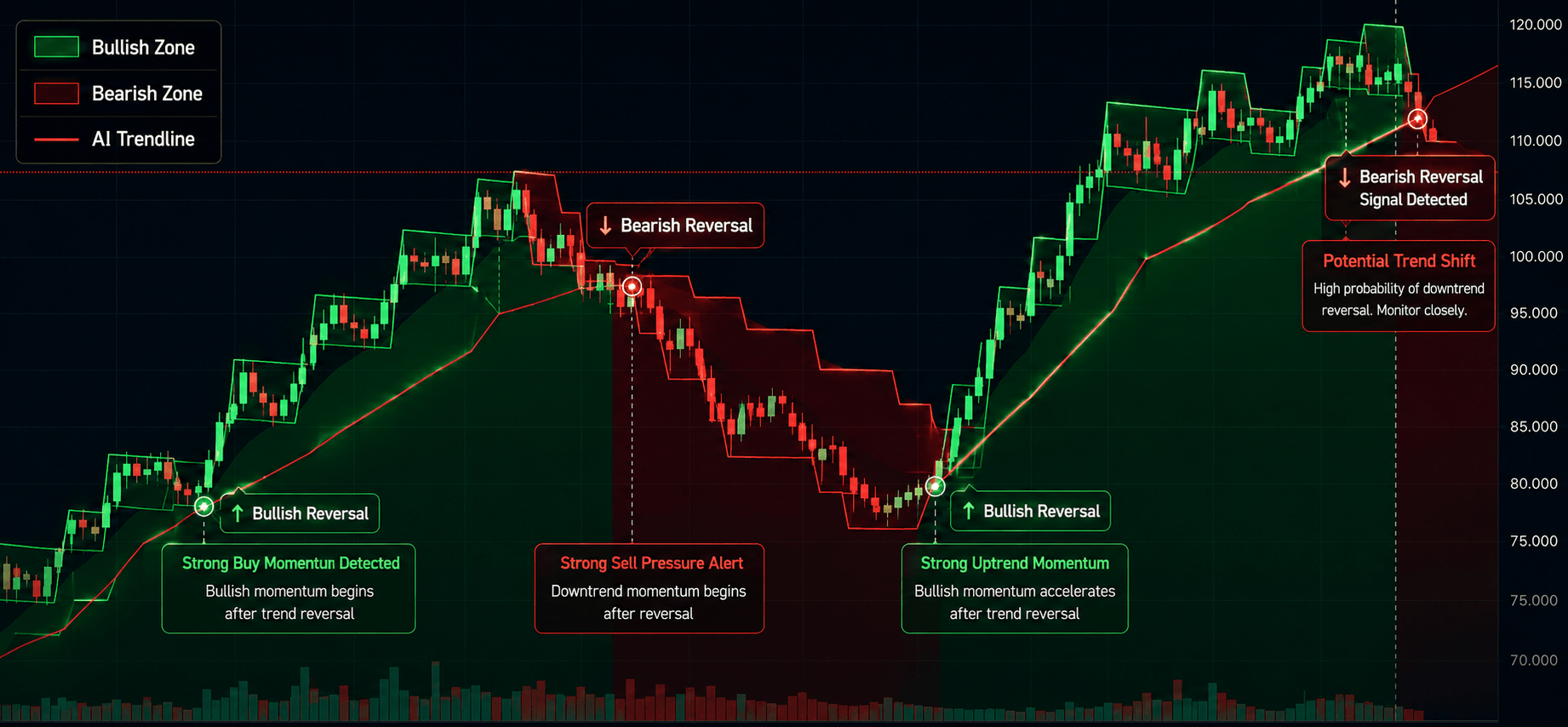
Winning Pattern Detection
Instantly surfaces the high-probability setups that repeat across the charts — a trusted edge for timing your entries and exits.
- Spot momentum building in real time
- Catch trend-reversal points before they break
- Built for active traders who need results, not theory

AI Live Economic Dashboard
AI analyzes real-time market data — turning complex, global investment flows into clear insight in seconds.
- Track global stock markets in real time
- See exactly which assets are strong — and which are fading
- Watch how geopolitical events move the markets
About the Author