What Is Working Capital?
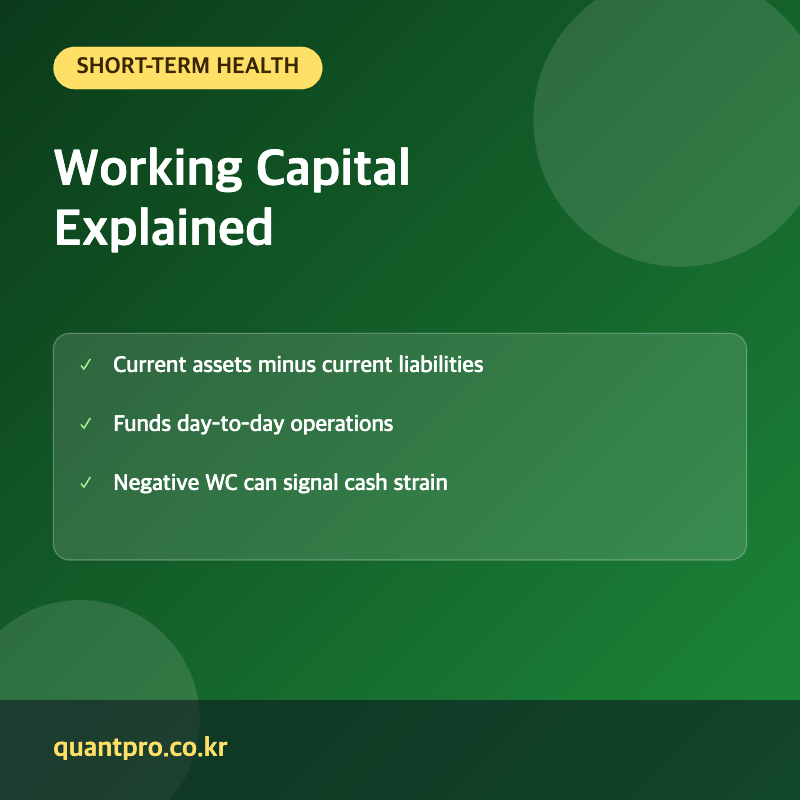
Working capital is the difference between a company’s current assets and current liabilities, representing the funds available to cover day-to-day operating expenses. The formula is Current Assets − Current Liabilities, and a positive figure indicates a company has enough short-term resources to meet its near-term obligations.
Working capital is essential for funding everyday operations such as paying suppliers, covering payroll, and managing inventory, making it a fundamental measure of a company’s short-term operational health.
Positive vs. Negative Working Capital
Positive working capital generally signals that a company can comfortably fund its operations and meet short-term obligations without external financing. Negative working capital isn’t always alarming, however — some business models, like grocery retailers, are designed to collect cash from customers before paying suppliers, allowing them to operate efficiently with negative working capital.
Working Capital Management
Efficient working capital management involves balancing enough liquidity to operate smoothly without tying up excessive cash in idle current assets like slow-moving inventory or unpaid receivables. Companies often track changes in working capital over time to identify emerging liquidity issues before they become serious problems.
| Working Capital Position | General Interpretation | Example Context |
|---|---|---|
| Positive and growing | Healthy short-term liquidity | Most traditional manufacturing and service firms |
| Negative but stable | Can reflect an efficient business model | Grocery chains, subscription businesses |
| Negative and declining | Potential liquidity stress | Warrants closer review of cash flow |
Frequently Asked Questions
Is negative working capital always a bad sign?
Not necessarily. Certain business models, particularly those that collect cash from customers quickly while paying suppliers on longer terms, can operate healthily with negative working capital as part of their normal structure.
How does working capital differ from the current ratio?
Working capital is expressed as an absolute dollar amount (current assets minus current liabilities), while the current ratio expresses the same relationship as a ratio (current assets divided by current liabilities), making the ratio more useful for comparing companies of different sizes.
What causes working capital to decline?
Rapid revenue growth that increases short-term liabilities faster than current assets, large one-time cash outlays, or slower collection of receivables can all cause working capital to shrink over time.
How much working capital does a company need?
There is no universal target — the appropriate level depends heavily on the industry, business model, and operating cycle, so working capital trends are best evaluated relative to a company’s own history and its industry peers.
Key Takeaways
Working capital measures the funds available to a company for day-to-day operations, and while positive working capital generally signals healthy liquidity, some efficient business models operate soundly with negative working capital. This article is for informational purposes only and does not constitute investment advice.

QuantPro: AI Finds the Trade Before You Do
From AI-powered chart analysis to real-time market intelligence — everything a serious investor needs, in one platform.
- Automated AI chart analysis with precision trend timing
- Bull Radar: real-time visualization of geopolitical & economic shifts
- Live market-moving news and insights, curated for you
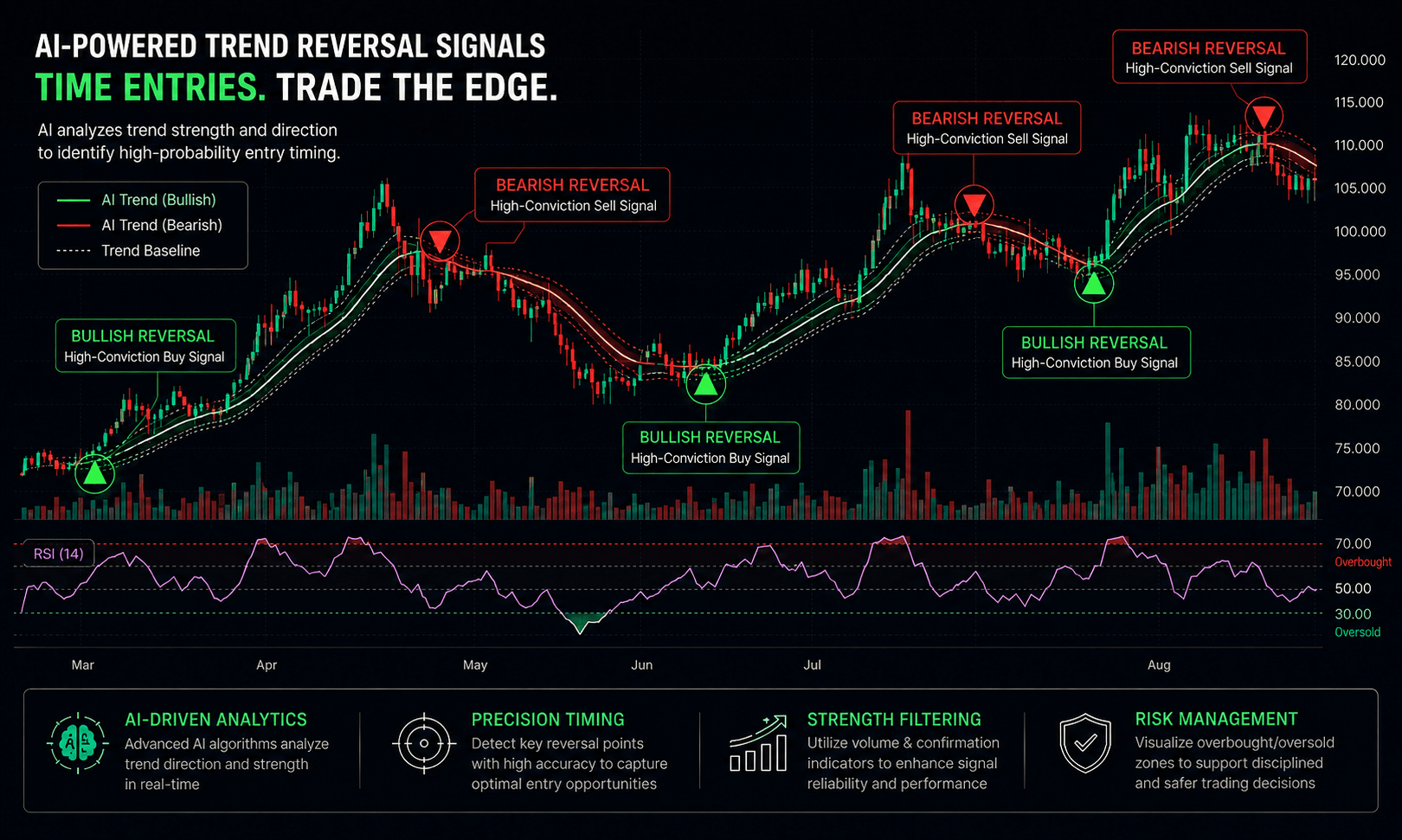
Bull Wave / Bear Wave Forecast Model
Engineered to help you read market direction and momentum faster than the crowd.
- Instantly separate bullish momentum from bearish pressure
- Pinpoint high-probability entry zones with confidence
- Chart signals clear enough for beginners, sharp enough for pros
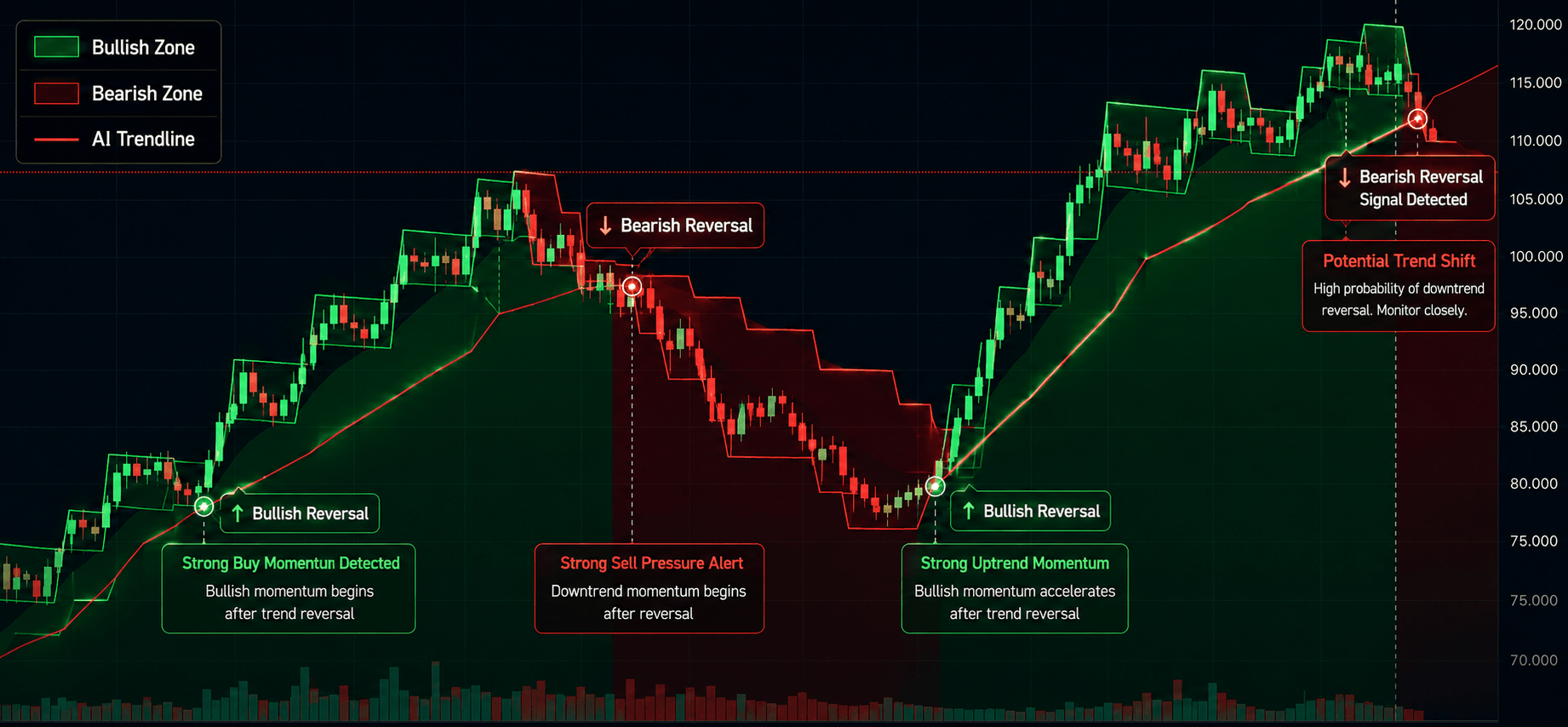
Winning Pattern Detection
Instantly surfaces the high-probability setups that repeat across the charts — a trusted edge for timing your entries and exits.
- Spot momentum building in real time
- Catch trend-reversal points before they break
- Built for active traders who need results, not theory

AI Live Economic Dashboard
AI analyzes real-time market data — turning complex, global investment flows into clear insight in seconds.
- Track global stock markets in real time
- See exactly which assets are strong — and which are fading
- Watch how geopolitical events move the markets
About the Author