What Are Circuit Breakers
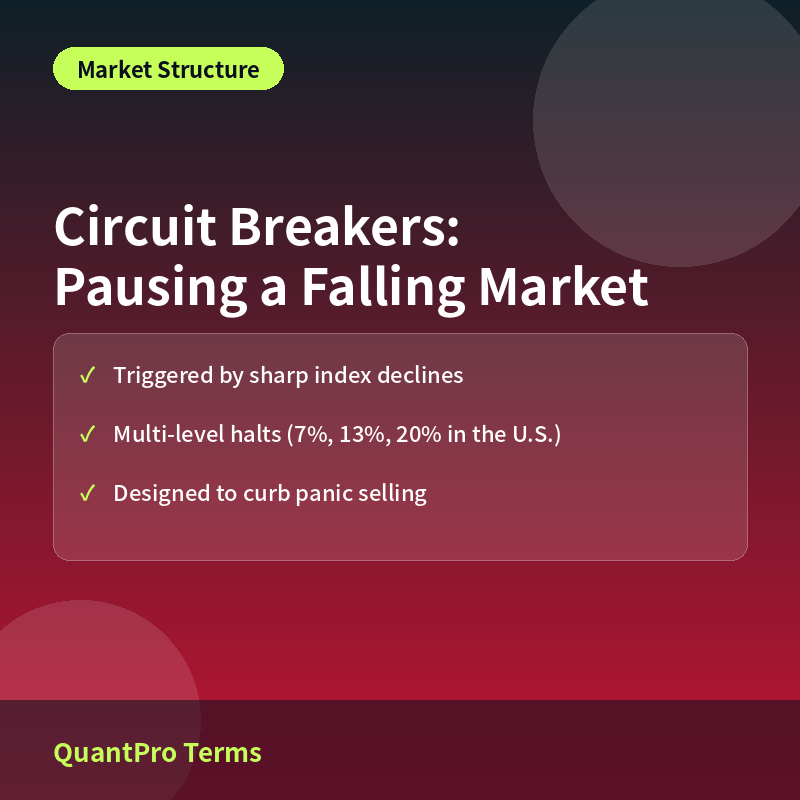
Circuit breakers are exchange rules that automatically halt trading in an entire market when a major index falls by a set percentage within a single session. The term borrows from electrical engineering, where a circuit shuts down automatically to prevent damage from an overload — the market equivalent aims to prevent panic-driven selling from spiraling out of control.
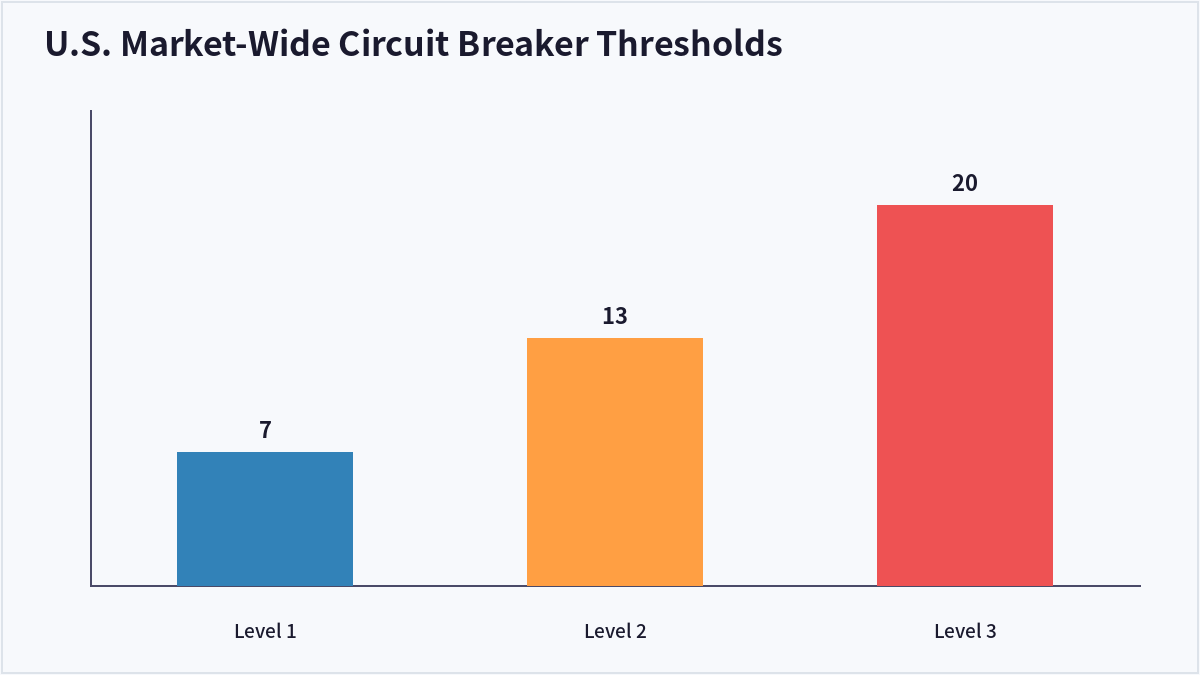
In the U.S., the S&P 500 triggers a 15-minute market-wide halt at a 7% decline (Level 1) and again at 13% (Level 2), while a 20% decline (Level 3) halts trading for the remainder of the day. Rules vary by market but the underlying logic — pausing trading to let investors regroup — is shared across major exchanges worldwide.
Why Circuit Breakers Are Needed
Modern markets are dominated by high-frequency and algorithmic trading, and a shock event can trigger a wave of automated sell orders that accelerates a decline within seconds. Circuit breakers interrupt this feedback loop, preventing the market from being driven purely by momentum and automated liquidation rather than by fundamentals.
During the early days of the COVID-19 pandemic in March 2020, U.S. markets triggered Level 1 circuit breakers four separate times within a single month — a rare cluster that underscored how extreme volatility can be during periods of acute uncertainty.
How Circuit Breakers Affect Investors
For most investors, a circuit breaker event is a signal that volatility has reached an extreme level and that markets need a pause to process new information. Making impulsive trades right before or immediately after a halt is generally discouraged, since prices during these windows can be unusually distorted.
Circuit breakers only apply to sharp declines in the U.S. system — there is no equivalent mechanism for rapid gains — reflecting the primary goal of preventing panic-driven crashes rather than restraining rallies.
| Level | Decline Threshold | Trading Halt Duration |
|---|---|---|
| Level 1 | 7% | 15 minutes |
| Level 2 | 13% | 15 minutes |
| Level 3 | 20% | Rest of trading day |
Frequently Asked Questions
Do circuit breakers apply to sharp gains too?
In the U.S. market-wide system, no — circuit breakers are only triggered by declines. Some individual securities have separate limit-up/limit-down mechanisms that apply to both directions.
What happens after a Level 3 halt?
Trading stops for the remainder of the session. This is the most severe level and has historically been triggered only rarely, such as during the March 2020 pandemic sell-off.
How often do circuit breakers actually trigger?
Market-wide halts are relatively rare events reserved for extreme volatility, though individual stock-level circuit breakers (limit-up/limit-down) trigger far more frequently on individual names.
How should investors react to a circuit breaker?
Since the goal of a halt is to give the market time to stabilize, reacting with hasty additional buying or selling immediately around the pause is generally discouraged in favor of waiting to see how trading resumes.
Key Takeaways
Circuit breakers are automatic trading halts designed to interrupt panic-driven selling during extreme market declines, giving investors and algorithms time to reassess. While they can’t prevent losses, they aim to keep sharp downturns from spiraling into disorderly crashes. This article is for informational purposes only and does not constitute investment advice.

QuantPro: AI Finds the Trade Before You Do
From AI-powered chart analysis to real-time market intelligence — everything a serious investor needs, in one platform.
- Automated AI chart analysis with precision trend timing
- Bull Radar: real-time visualization of geopolitical & economic shifts
- Live market-moving news and insights, curated for you
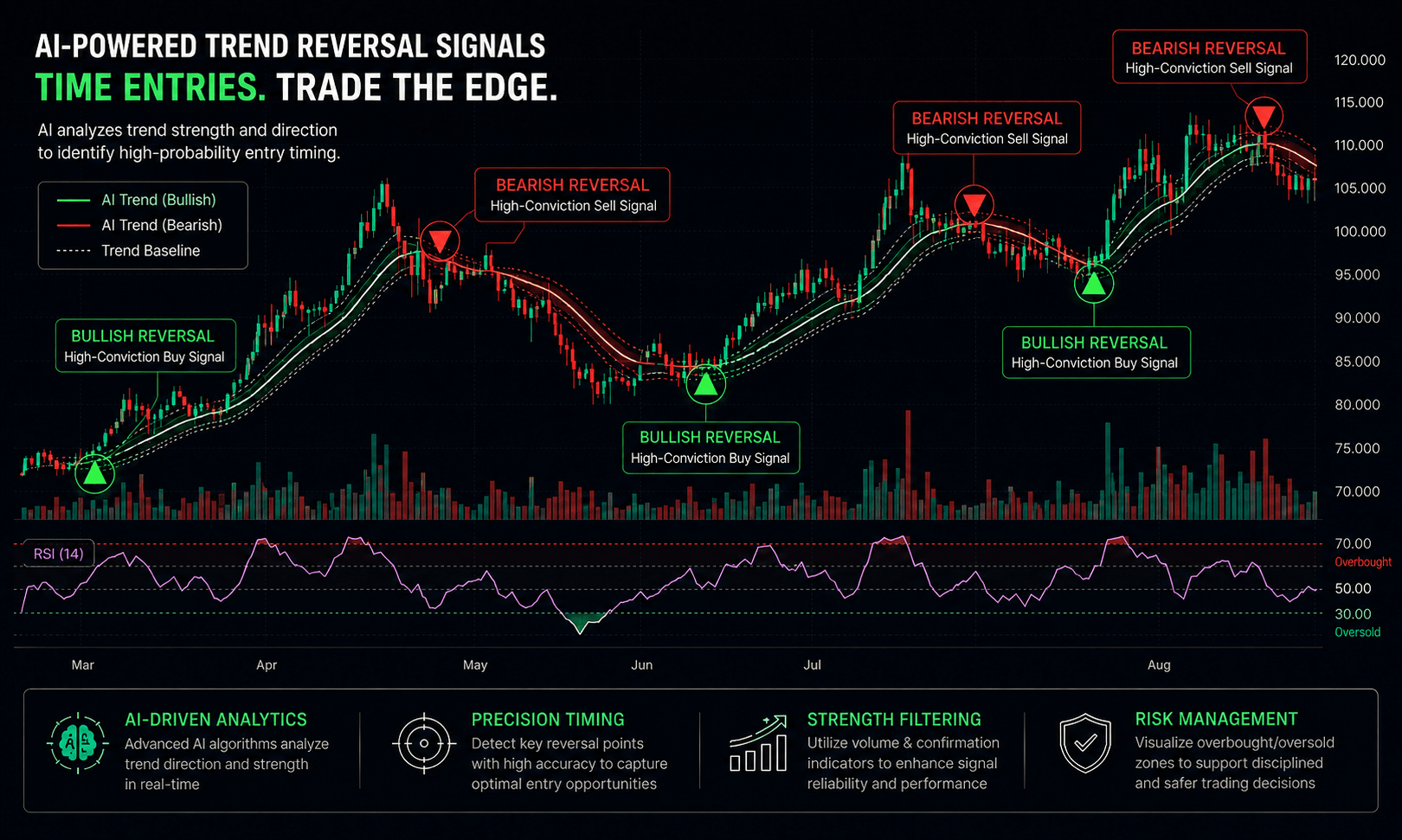
Bull Wave / Bear Wave Forecast Model
Engineered to help you read market direction and momentum faster than the crowd.
- Instantly separate bullish momentum from bearish pressure
- Pinpoint high-probability entry zones with confidence
- Chart signals clear enough for beginners, sharp enough for pros
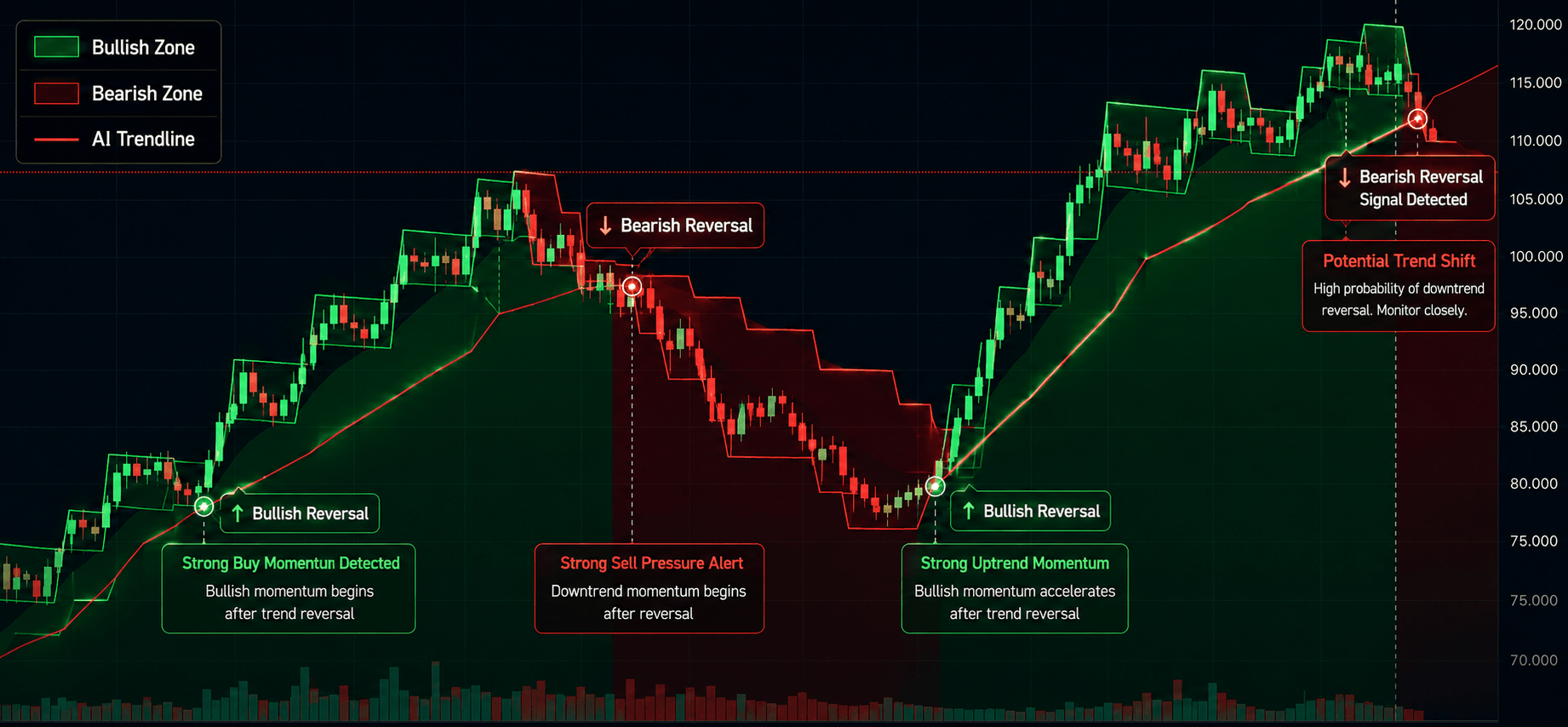
Winning Pattern Detection
Instantly surfaces the high-probability setups that repeat across the charts — a trusted edge for timing your entries and exits.
- Spot momentum building in real time
- Catch trend-reversal points before they break
- Built for active traders who need results, not theory
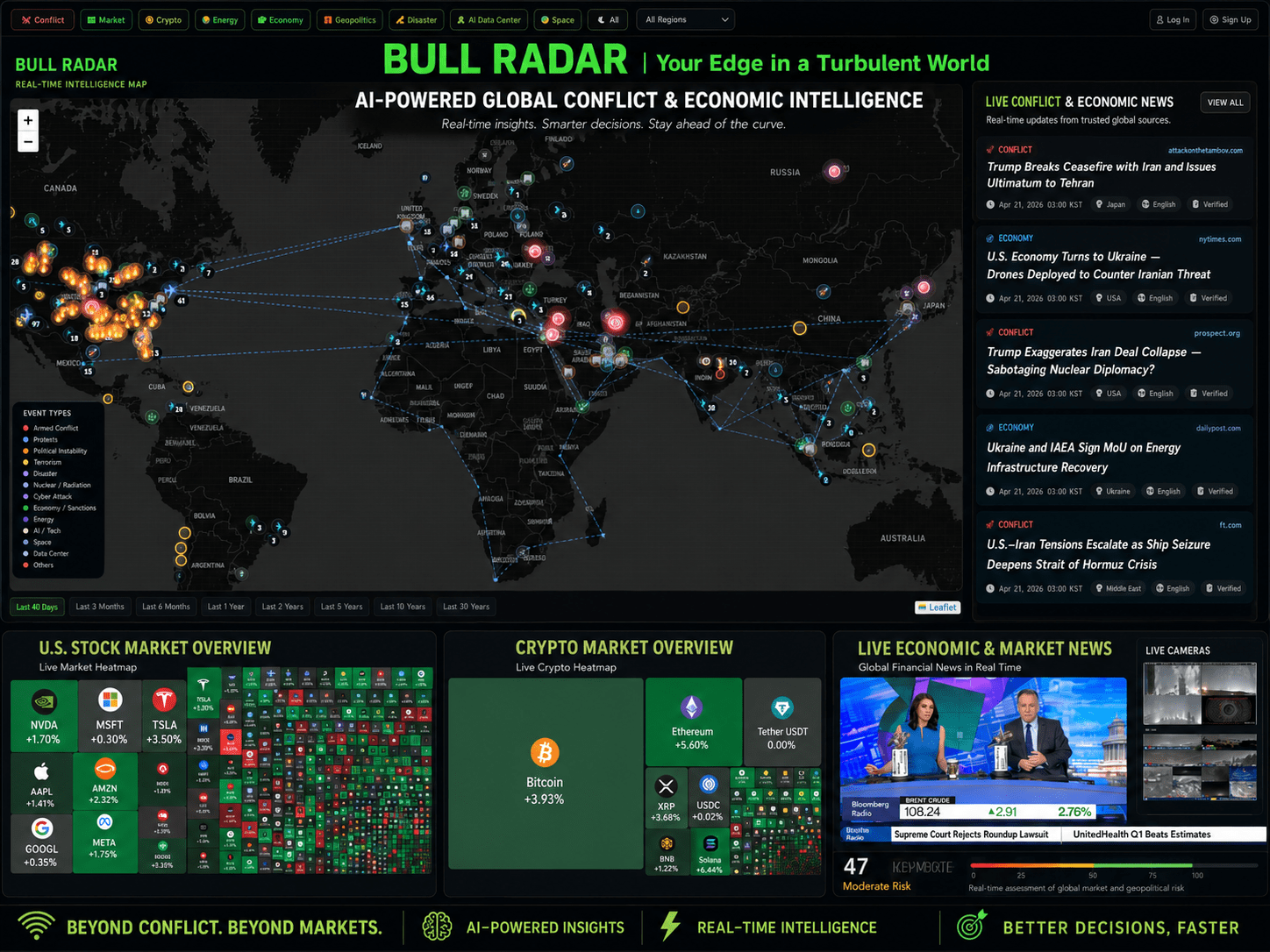
AI Live Economic Dashboard
AI analyzes real-time market data — turning complex, global investment flows into clear insight in seconds.
- Track global stock markets in real time
- See exactly which assets are strong — and which are fading
- Watch how geopolitical events move the markets
About the Author