What Is Short Selling
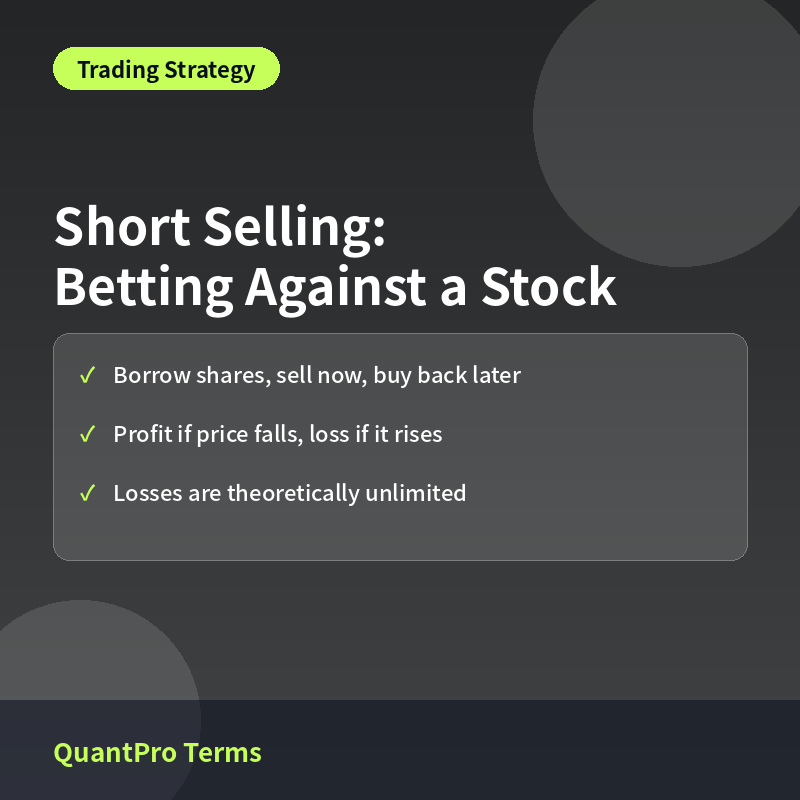
Short selling is a strategy where an investor borrows shares of a stock from a broker, sells them immediately at the current market price, and aims to buy them back later at a lower price to return to the lender — pocketing the difference as profit. It’s essentially the reverse of a typical ‘buy low, sell high’ trade: short sellers sell high first and hope to buy low later.
For example, if an investor borrows and sells 100 shares at $50, and the price later falls to $35, buying back those 100 shares to close the position nets a profit of $15 per share, or $1,500 total, before fees and borrowing costs.
How Short Selling Losses Can Escalate
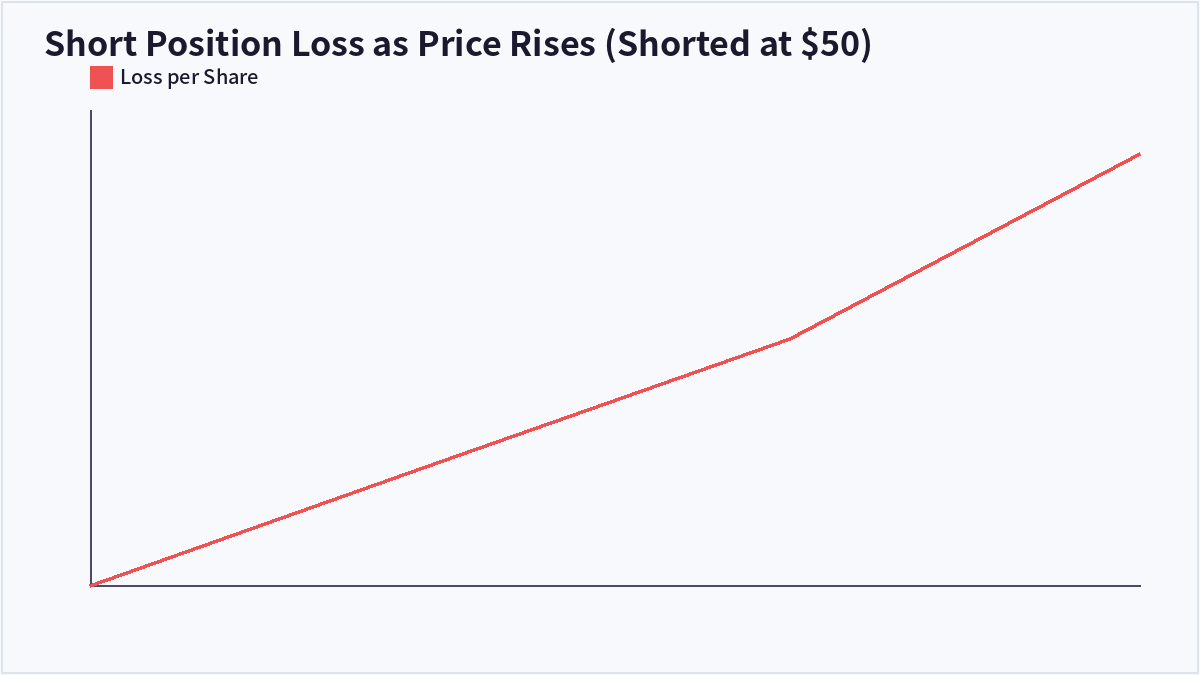
Unlike a typical long position, where the maximum loss is limited to the amount invested (the stock can only fall to zero), a short position has theoretically unlimited downside because a stock’s price can rise indefinitely. If a stock shorted at $50 instead rises to $70, $90, or $120, the short seller’s loss grows proportionally larger with no natural ceiling.
This asymmetry — capped profit potential (a stock can only fall to zero) paired with uncapped loss potential — is what makes short selling considerably riskier than a standard long position for most investors.
Key Risks and Considerations
A ‘short squeeze’ occurs when a heavily shorted stock’s price starts rising, forcing short sellers to buy back shares to limit losses — and that forced buying pushes the price up even further, compounding losses for remaining short holders. The 2021 GameStop episode is a widely cited example of how quickly a squeeze can unfold.
Short selling also involves ongoing costs like borrowing fees and the obligation to cover any dividends paid while the position is open, both of which reduce potential returns even if the price does fall as expected.
| Stock Price | Shorted At | Profit/Loss per Share |
|---|---|---|
| $35 | $50 | +$15 (profit) |
| $50 | $50 | $0 (breakeven) |
| $70 | $50 | -$20 (loss) |
| $120 | $50 | -$70 (loss) |
Frequently Asked Questions
Why is short selling considered riskier than buying stock?
A long position’s maximum loss is limited to the initial investment, but a short position’s maximum loss is theoretically unlimited since a stock’s price can rise without bound, making risk management especially important.
What is a short squeeze?
A short squeeze happens when a rising stock price forces short sellers to buy back shares to cut losses, and that buying pressure pushes the price up further, creating a rapid, self-reinforcing rally.
Do short sellers pay any fees?
Yes — short sellers typically pay a borrowing fee to the lender of the shares, and if the stock pays a dividend while the position is open, the short seller is generally responsible for paying that dividend to the lender.
Can retail investors short stocks?
Most brokers allow it through a margin account, but it typically requires meeting margin requirements and understanding the unlimited downside risk before opening a position.
Key Takeaways
Short selling allows investors to profit from a declining stock price by selling borrowed shares first and buying them back later at a lower price. Because losses can theoretically be unlimited, it carries considerably more risk than buying and holding a stock outright. This article is for informational purposes only and does not constitute investment advice.

QuantPro: AI Finds the Trade Before You Do
From AI-powered chart analysis to real-time market intelligence — everything a serious investor needs, in one platform.
- Automated AI chart analysis with precision trend timing
- Bull Radar: real-time visualization of geopolitical & economic shifts
- Live market-moving news and insights, curated for you
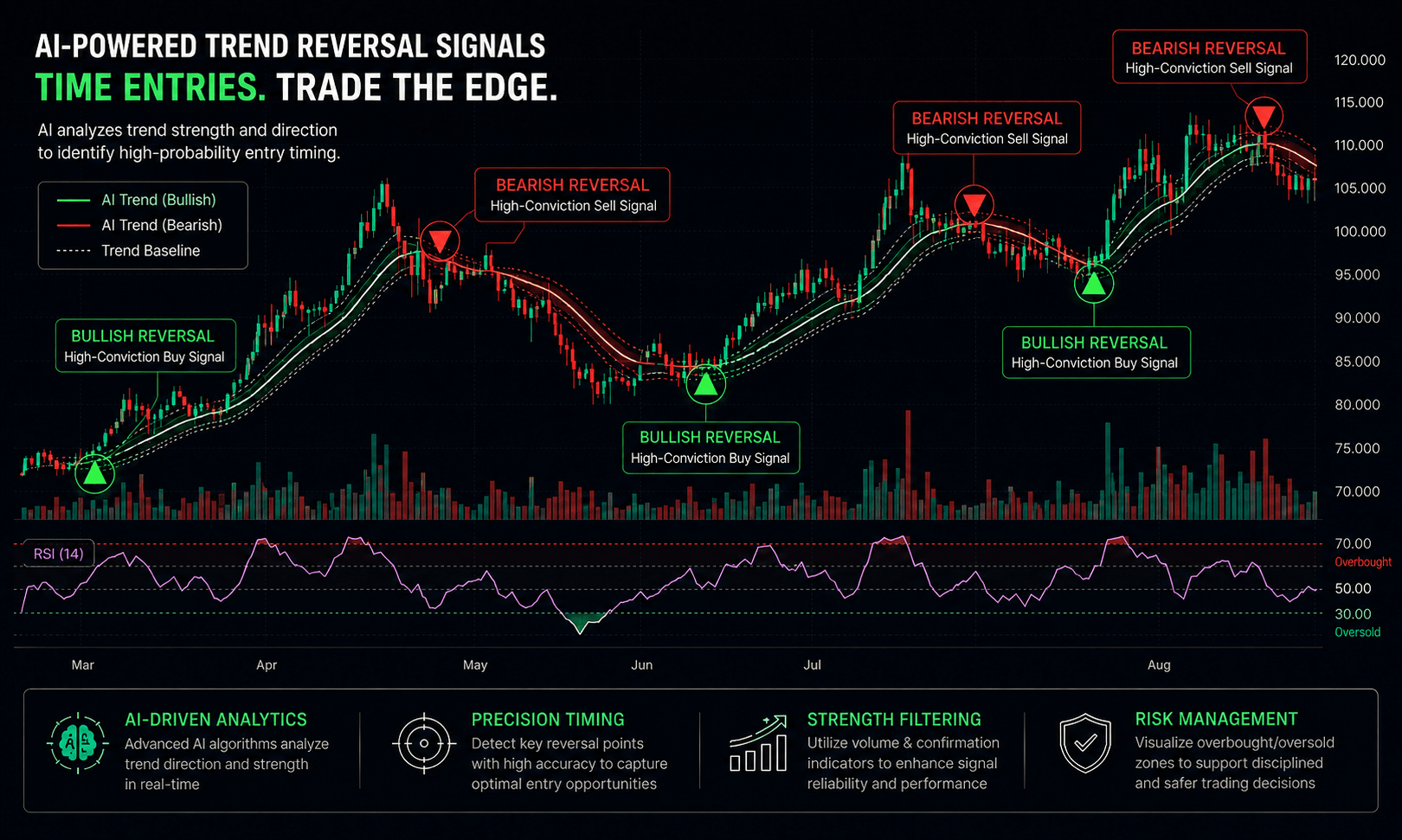
Bull Wave / Bear Wave Forecast Model
Engineered to help you read market direction and momentum faster than the crowd.
- Instantly separate bullish momentum from bearish pressure
- Pinpoint high-probability entry zones with confidence
- Chart signals clear enough for beginners, sharp enough for pros
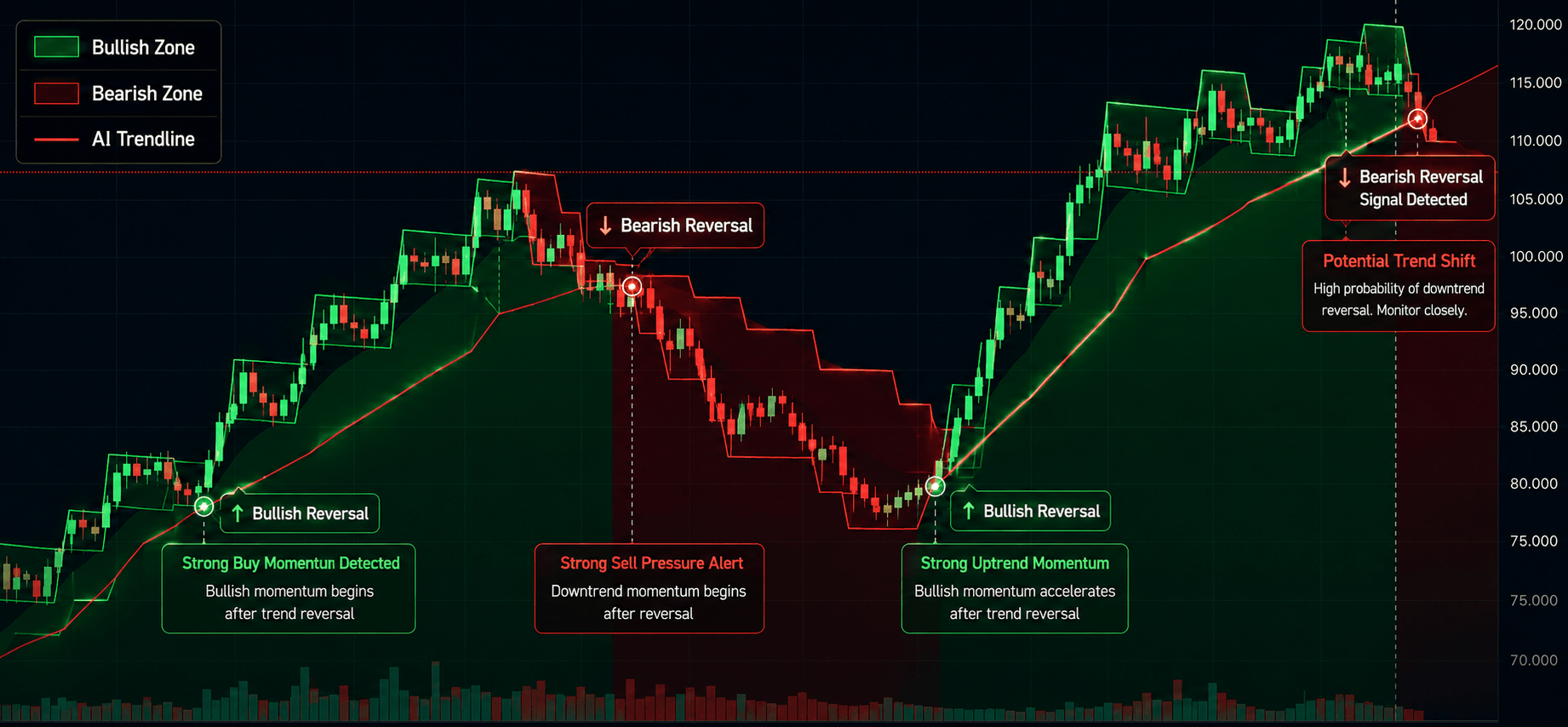
Winning Pattern Detection
Instantly surfaces the high-probability setups that repeat across the charts — a trusted edge for timing your entries and exits.
- Spot momentum building in real time
- Catch trend-reversal points before they break
- Built for active traders who need results, not theory
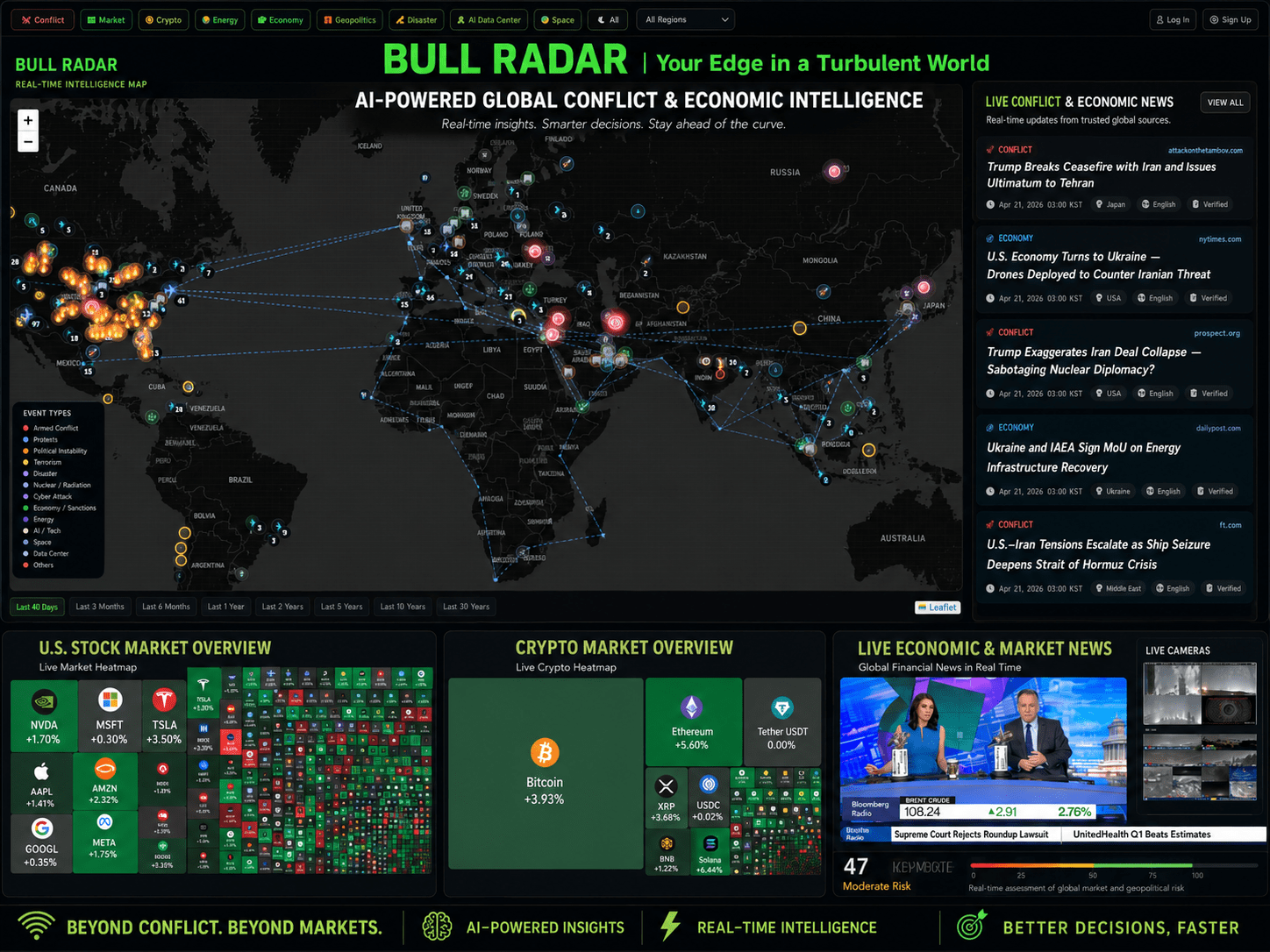
AI Live Economic Dashboard
AI analyzes real-time market data — turning complex, global investment flows into clear insight in seconds.
- Track global stock markets in real time
- See exactly which assets are strong — and which are fading
- Watch how geopolitical events move the markets
About the Author