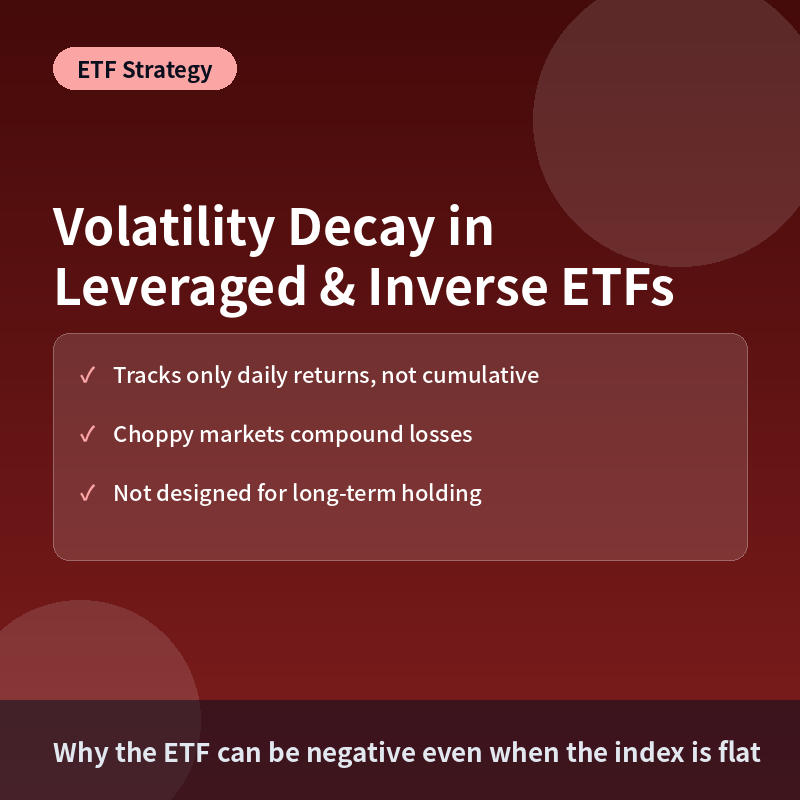
Leveraged and Inverse ETFs Only Target Daily Returns
A 2x leveraged ETF is designed to deliver twice the underlying index’s return on a given day; an inverse ETF targets -1x. Crucially, that multiple is only guaranteed for a single day — compounded over multiple days, the cumulative return does not equal a simple multiple of the index’s cumulative return.
The Math Behind Volatility Decay
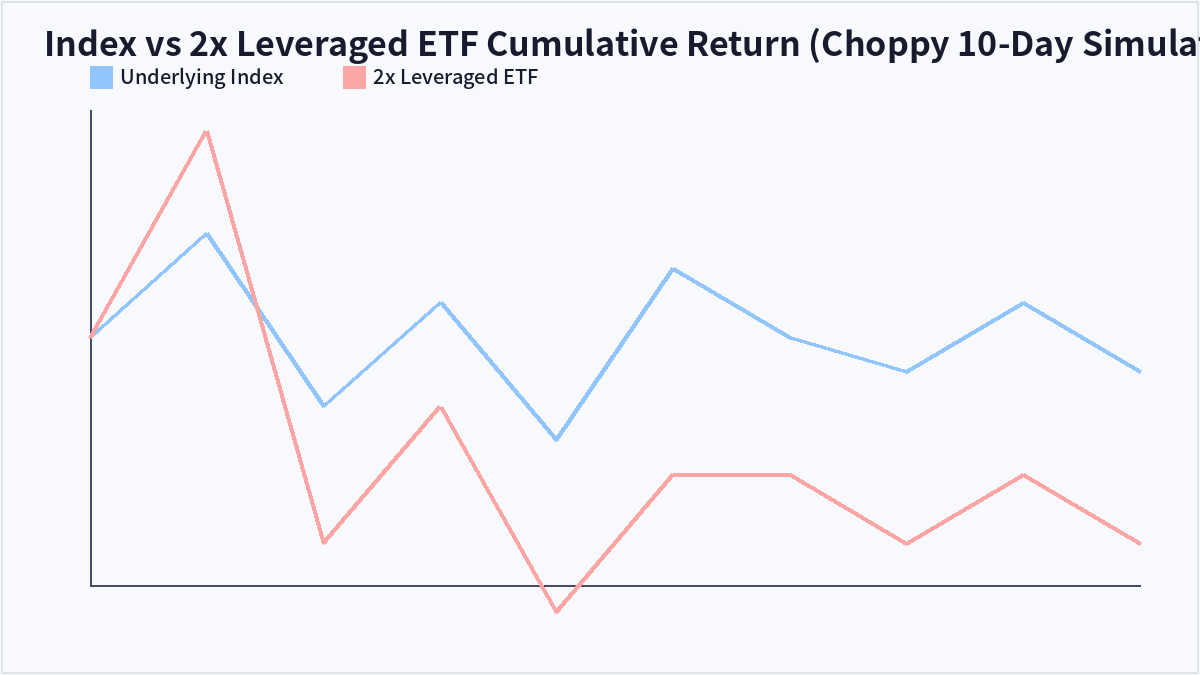
Suppose an index rises 10% one day and falls 10% the next: it ends at 1.10 × 0.90 = 0.99, a 1% loss. A 2x leveraged ETF tracking the same moves gets +20% and -20%: 1.20 × 0.80 = 0.96, a 4% loss — far worse than double the index’s loss. Because the fund rebalances its exposure daily, volatility itself compounds against the holder.
Why This Is Especially Visible in Choppy Markets
In a sideways market with no clear trend, this decay accumulates: even if the index is back to where it started after six months, a leveraged or inverse ETF tracking it can show a substantial loss. The effect grows with both higher volatility and longer holding periods.
So When Should These Products Be Used?
By design, leveraged and inverse ETFs are built for short holding periods — often a single day to a few days — for tactical directional bets or short-term hedges. Holding them for weeks or months runs against their design, and even a correct long-term view on the index’s direction can still lose money to decay.
| Structure | Tracking Method | Long-Term Suitability | Key Risk |
|---|---|---|---|
| Plain index ETF | Tracks cumulative return | Suitable | Market direction risk |
| Leveraged/inverse ETF | Tracks daily return only | Not suitable (short-term only) | Volatility decay |
Frequently Asked Questions
Does volatility decay happen in trending markets too?
In a steadily trending market, compounding can actually work in the fund’s favor, sometimes producing returns better than the simple multiple of the index’s move. Decay is most visible in choppy, directionless markets.
Is a 3x leveraged ETF three times riskier than a 2x fund?
The daily swings and decay effect scale up faster than proportionally as the multiple increases, so it’s safer to assume the risk increase is more than linear.
Does using an inverse ETF as a hedge avoid decay risk?
Not entirely, but if it’s held only briefly for a specific hedging purpose and then closed, decay’s impact on the outcome is likely to be limited.
Is there a way to reduce volatility decay?
It’s a structural feature of the product, not something that can be engineered away — the only real mitigation is keeping the holding period as short as possible and reviewing the position frequently.
Key Takeaways
Leveraged and inverse ETFs are designed to track only daily returns at a multiple, which means that in volatile markets, compounding can work against holders even when they’re right about the index’s direction. Long-term holding without understanding this structure can lead to significant losses. This article is for informational purposes only and does not constitute investment advice.

QuantPro: AI Finds the Trade Before You Do
From AI-powered chart analysis to real-time market intelligence — everything a serious investor needs, in one platform.
- Automated AI chart analysis with precision trend timing
- Bull Radar: real-time visualization of geopolitical & economic shifts
- Live market-moving news and insights, curated for you
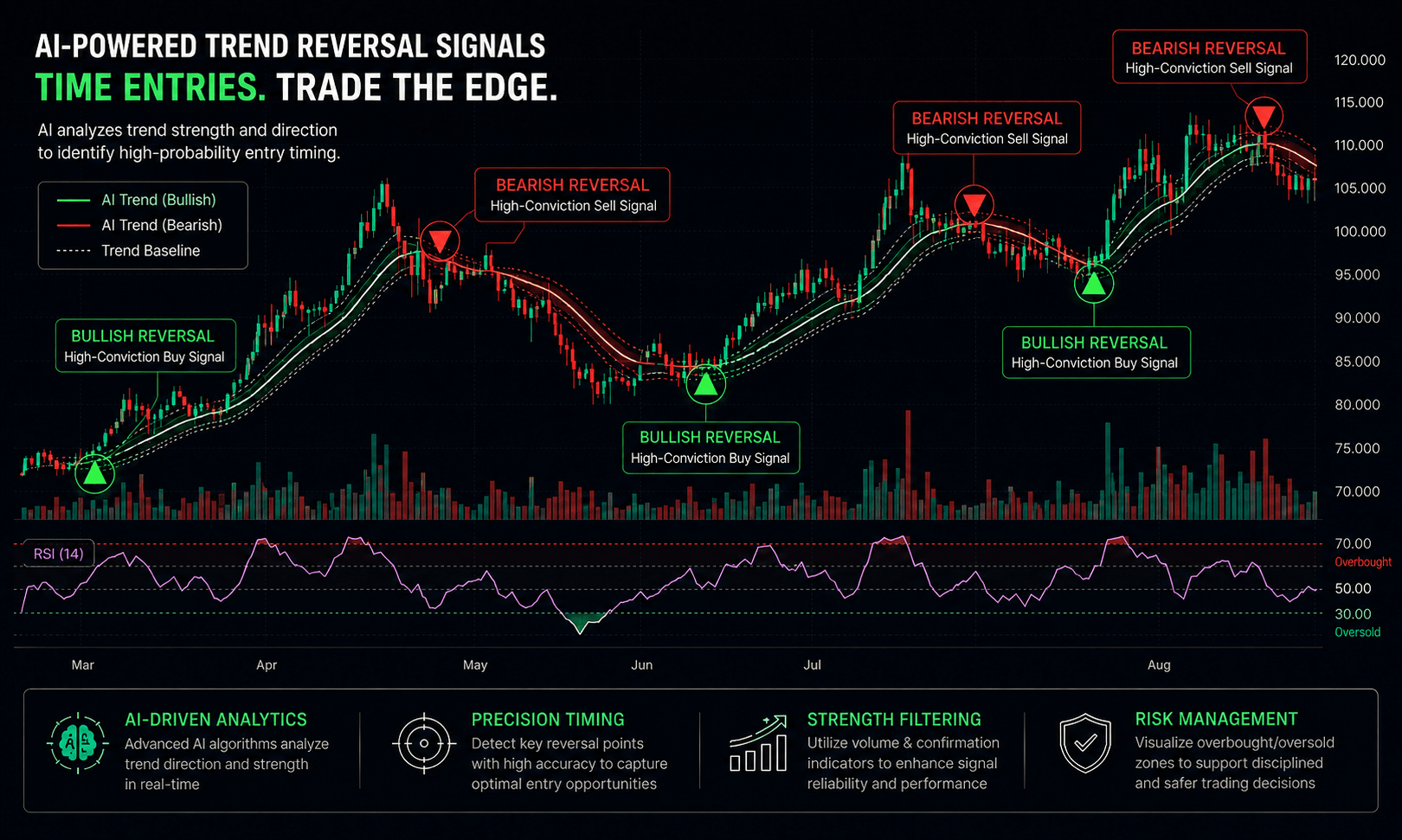
Bull Wave / Bear Wave Forecast Model
Engineered to help you read market direction and momentum faster than the crowd.
- Instantly separate bullish momentum from bearish pressure
- Pinpoint high-probability entry zones with confidence
- Chart signals clear enough for beginners, sharp enough for pros
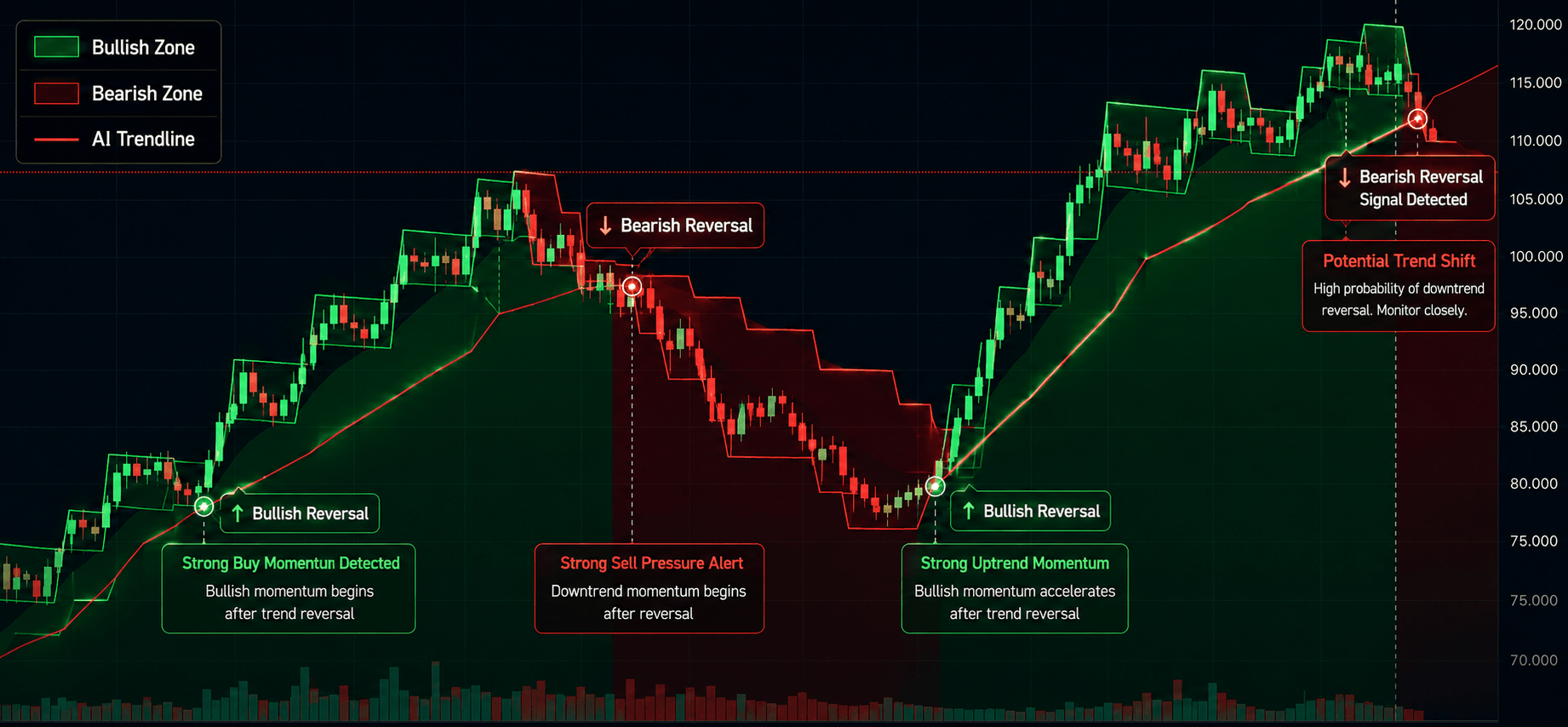
Winning Pattern Detection
Instantly surfaces the high-probability setups that repeat across the charts — a trusted edge for timing your entries and exits.
- Spot momentum building in real time
- Catch trend-reversal points before they break
- Built for active traders who need results, not theory
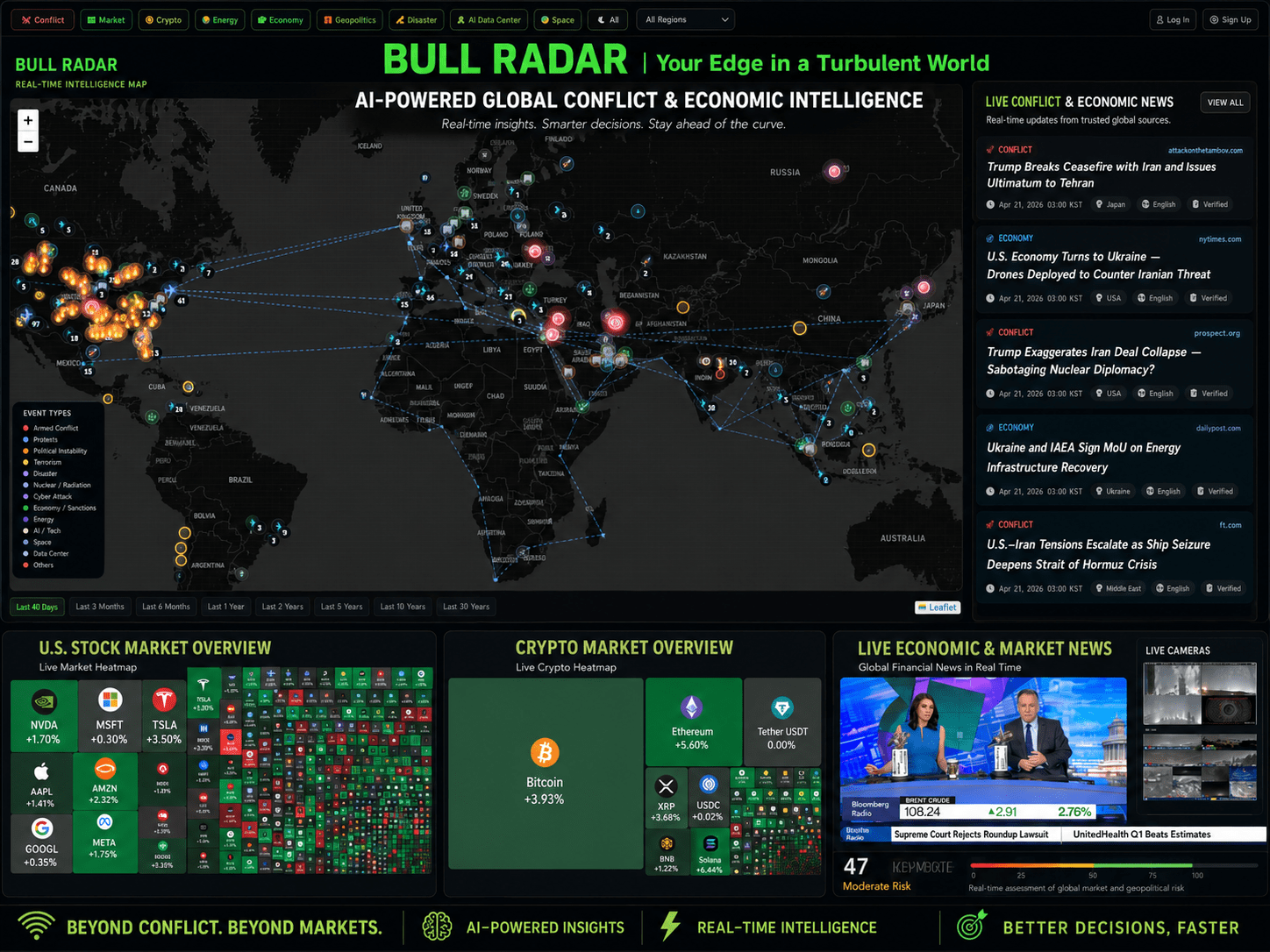
AI Live Economic Dashboard
AI analyzes real-time market data — turning complex, global investment flows into clear insight in seconds.
- Track global stock markets in real time
- See exactly which assets are strong — and which are fading
- Watch how geopolitical events move the markets
About the Author