What Is the Consumer Price Index (CPI)?
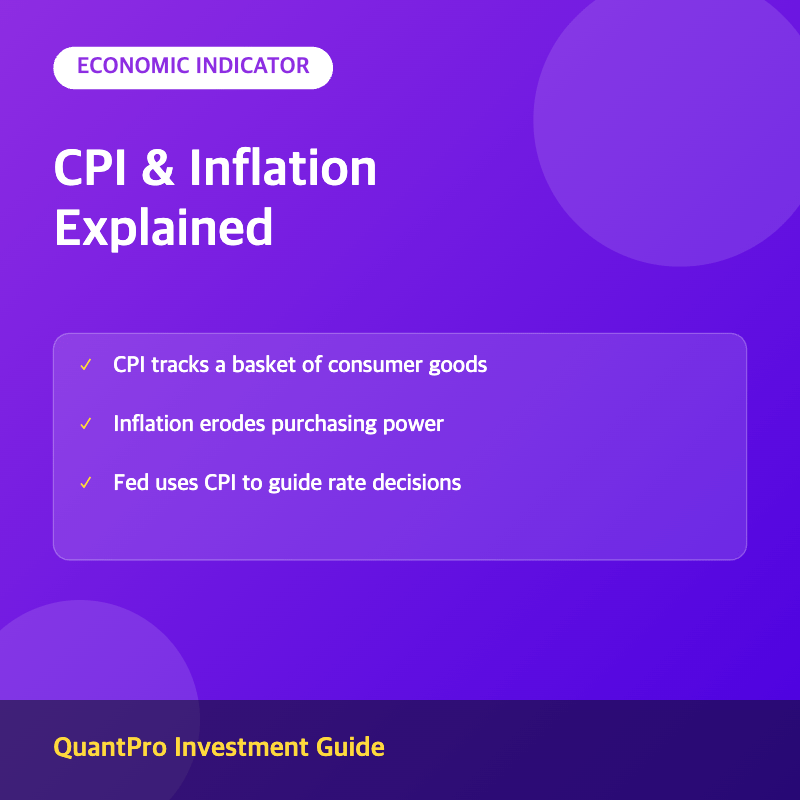
The Consumer Price Index (CPI) is a widely used economic measure that tracks the average change in prices paid by consumers for a representative basket of goods and services over time, including categories like housing, food, transportation, and medical care.
What Is Inflation?
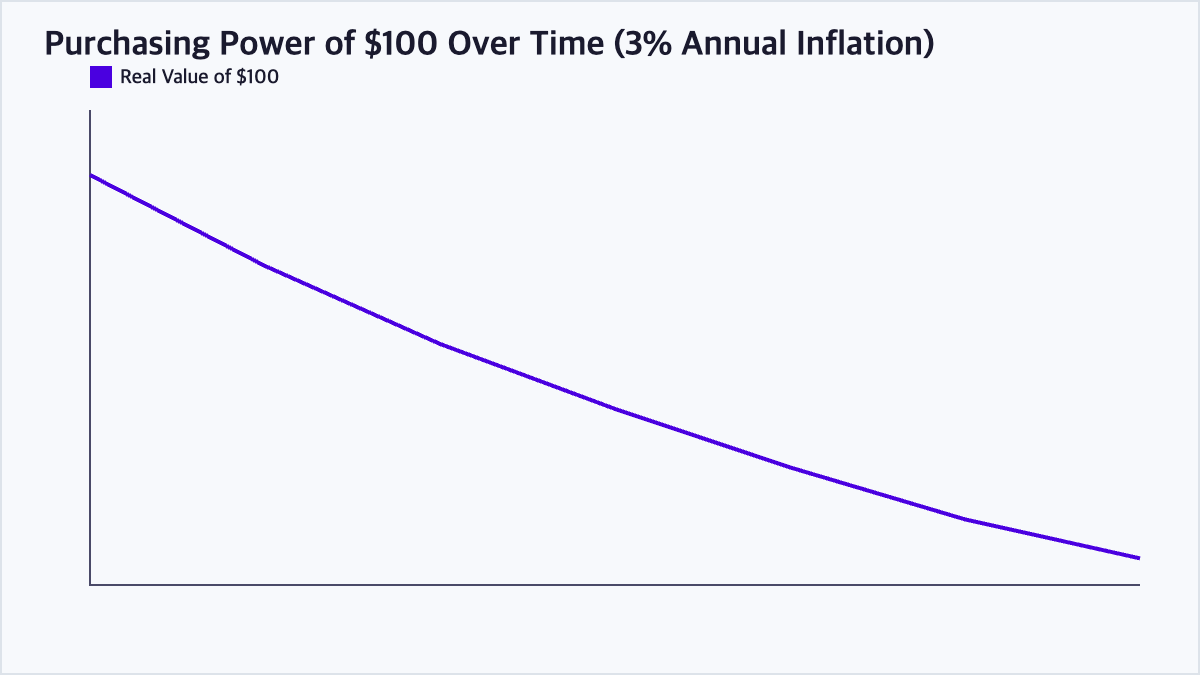
Inflation is the rate at which the general level of prices for goods and services rises over time, causing each unit of currency to buy fewer goods and services than before, effectively eroding purchasing power.
How Inflation Erodes Purchasing Power
How CPI Is Calculated
CPI is calculated by tracking price changes across a fixed basket of goods and services that represent typical consumer spending patterns, then comparing the total cost of that basket over time relative to a base period to produce an index value.
CPI’s Role in the Economy
| Use of CPI | Description |
|---|---|
| Monetary Policy | Central banks use CPI to guide interest rate decisions |
| Cost-of-Living Adjustments | Social Security and many contracts adjust payments based on CPI |
| Real Return Calculation | Investors use CPI to calculate inflation-adjusted (real) investment returns |
| Wage Negotiations | Labor contracts sometimes tie wage increases to CPI changes |
Core CPI vs. Headline CPI
Headline CPI includes all items in the basket, including volatile food and energy prices. Core CPI excludes food and energy to provide a clearer picture of underlying, longer-term inflation trends without short-term price swings distorting the data.
Frequently Asked Questions
How does inflation affect investments?
Inflation reduces the real (inflation-adjusted) return on investments, meaning an investment that grows 5% during a year with 3% inflation only produces a real return of approximately 2%, since the purchasing power gain is smaller than the nominal return suggests.
What is considered a healthy inflation rate?
Many central banks, including the Federal Reserve, target an inflation rate of around 2% annually, viewing it as consistent with healthy economic growth without excessive erosion of purchasing power.
What causes inflation to rise?
Inflation can rise due to increased consumer demand outpacing supply (demand-pull inflation), rising production costs like wages or raw materials (cost-push inflation), or an expansion of the money supply.
How can investors protect against inflation?
Common inflation-hedging strategies include investing in assets like Treasury Inflation-Protected Securities (TIPS), real estate, commodities, and stocks, which have historically shown some ability to outpace inflation over long time horizons.
Key Takeaways
The CPI measures how prices for everyday goods and services change over time, serving as the primary gauge of inflation and a key input for monetary policy, cost-of-living adjustments, and calculating real investment returns. Understanding inflation’s erosive effect on purchasing power is essential for long-term financial planning. This article is for informational purposes only and does not constitute investment advice.

QuantPro: AI Finds the Trade Before You Do
From AI-powered chart analysis to real-time market intelligence — everything a serious investor needs, in one platform.
- Automated AI chart analysis with precision trend timing
- Bull Radar: real-time visualization of geopolitical & economic shifts
- Live market-moving news and insights, curated for you
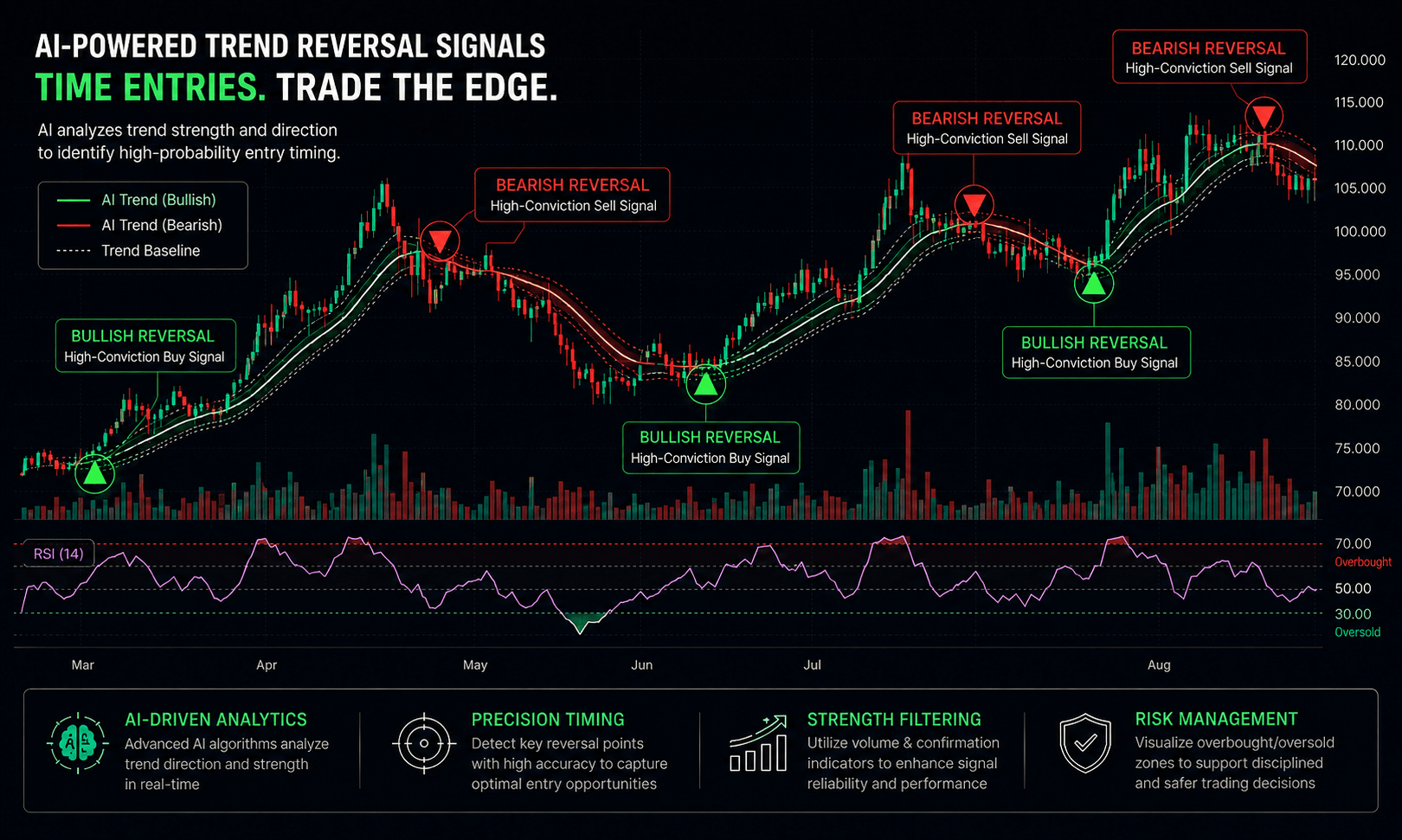
Bull Wave / Bear Wave Forecast Model
Engineered to help you read market direction and momentum faster than the crowd.
- Instantly separate bullish momentum from bearish pressure
- Pinpoint high-probability entry zones with confidence
- Chart signals clear enough for beginners, sharp enough for pros
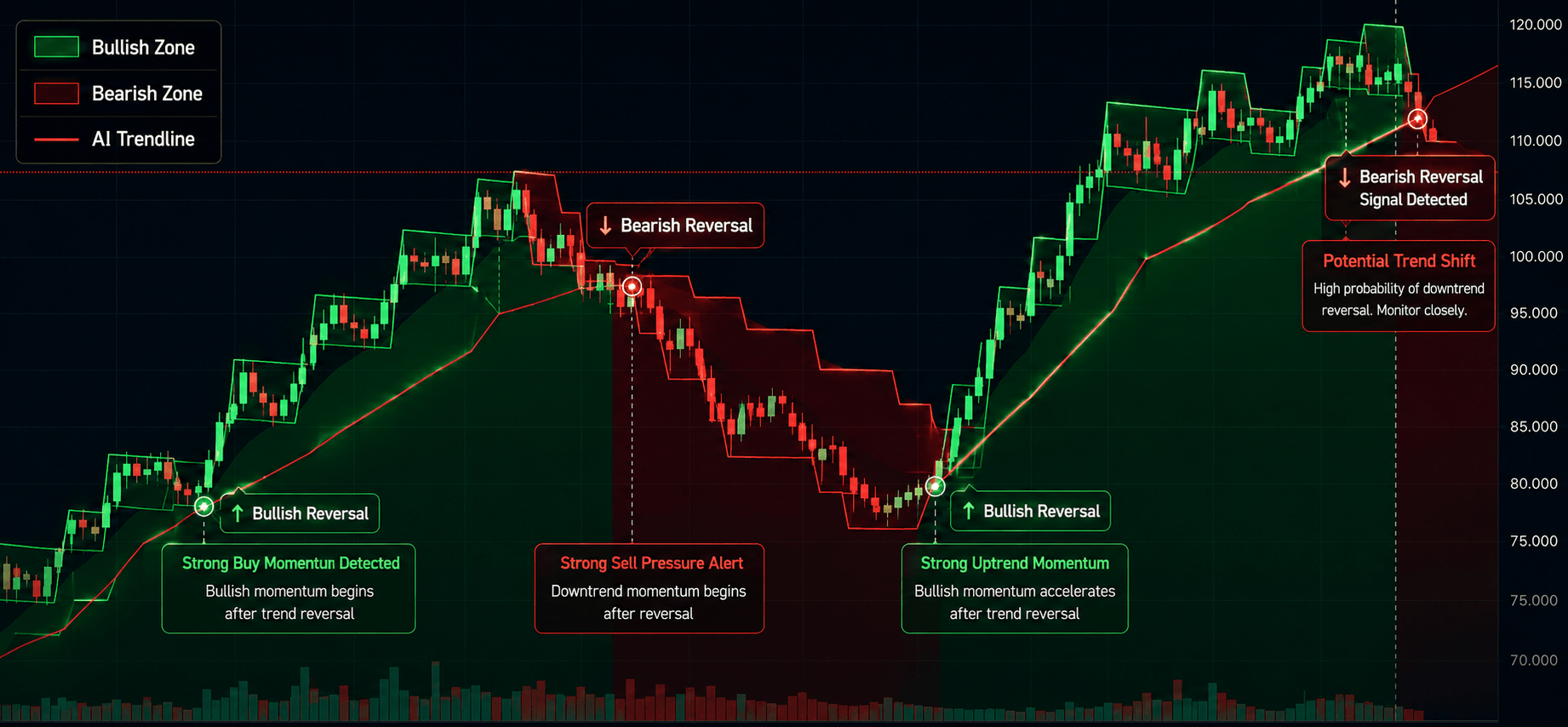
Winning Pattern Detection
Instantly surfaces the high-probability setups that repeat across the charts — a trusted edge for timing your entries and exits.
- Spot momentum building in real time
- Catch trend-reversal points before they break
- Built for active traders who need results, not theory
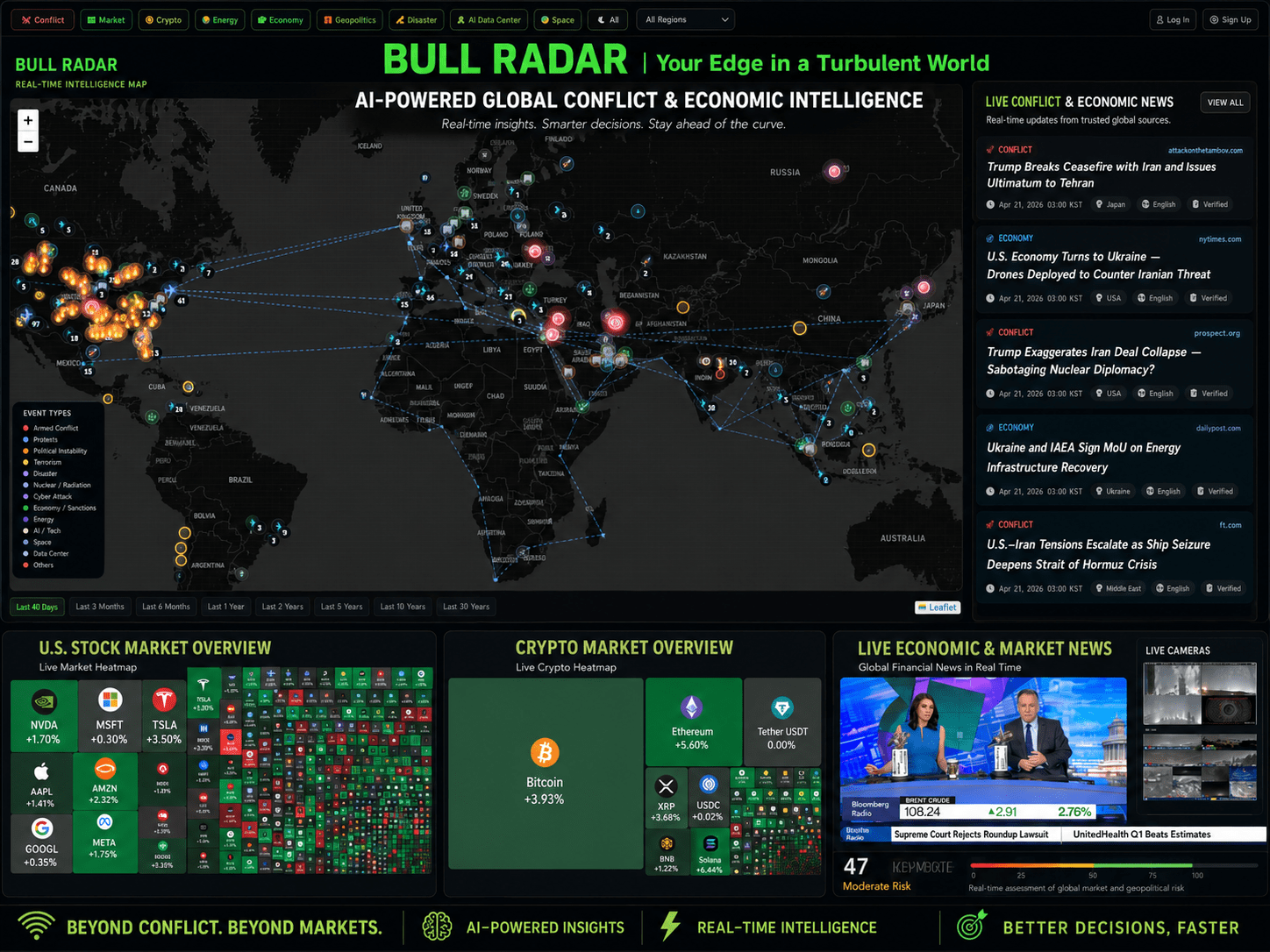
AI Live Economic Dashboard
AI analyzes real-time market data — turning complex, global investment flows into clear insight in seconds.
- Track global stock markets in real time
- See exactly which assets are strong — and which are fading
- Watch how geopolitical events move the markets
About the Author