What Is a Traditional IRA?
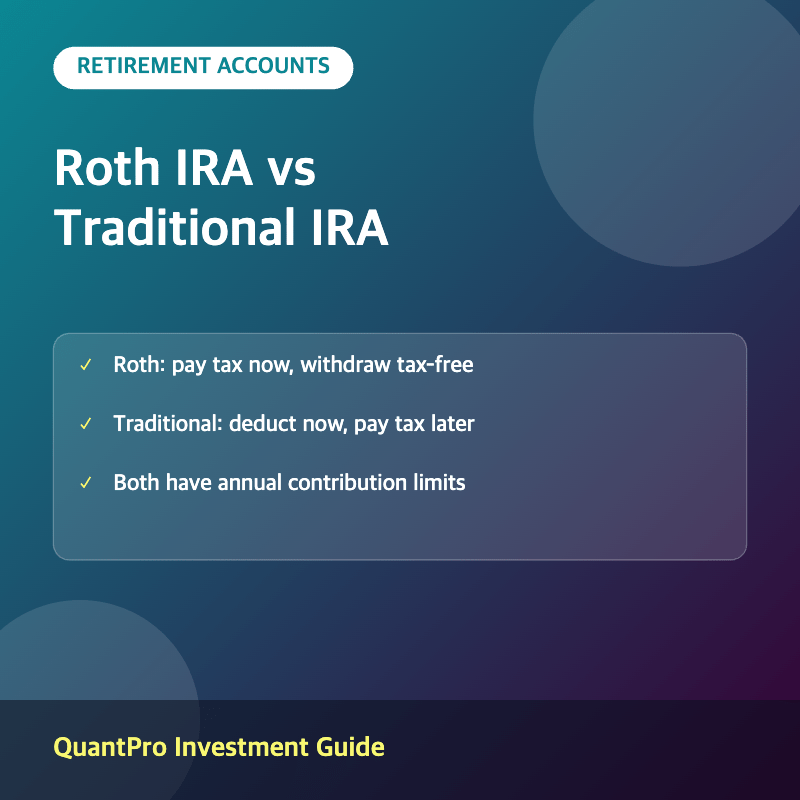
A traditional IRA (individual retirement account) allows investors to contribute pre-tax or tax-deductible dollars, letting the investment grow tax-deferred until withdrawal, at which point distributions are taxed as ordinary income, typically in retirement.
What Is a Roth IRA?
A Roth IRA is funded with after-tax dollars, meaning contributions are not tax-deductible, but qualified withdrawals in retirement, including all investment growth, are completely tax-free, provided certain conditions like account age and holder age are met.
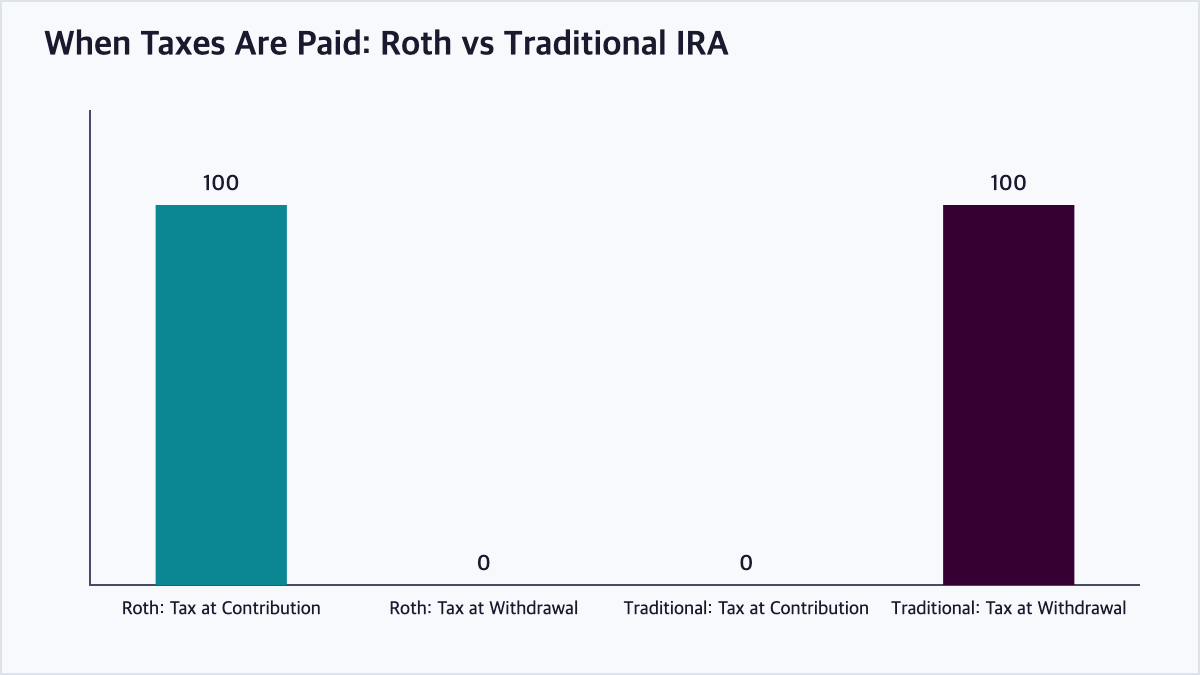
Tax Timing: The Core Difference
Income Limits and Eligibility
Roth IRA contributions are subject to income limits, meaning high earners may be ineligible to contribute directly. Traditional IRA contributions have no income limit, though the tax deductibility of contributions can be limited for those covered by a workplace retirement plan above certain income thresholds.
Roth vs. Traditional IRA: Key Differences
| Feature | Roth IRA | Traditional IRA |
|---|---|---|
| Contribution Tax Treatment | After-tax (not deductible) | Pre-tax or deductible |
| Withdrawal Tax Treatment | Tax-free (if qualified) | Taxed as ordinary income |
| Required Minimum Distributions | None during original owner’s lifetime | Required starting at a certain age |
| Income Limits | Yes, for contribution eligibility | No income limit to contribute |
| Best Suited For | Those expecting higher taxes in retirement | Those expecting lower taxes in retirement |
Which One Should You Choose?
The better choice often depends on whether an investor expects to be in a higher or lower tax bracket in retirement compared to today; a Roth IRA can be advantageous for those expecting higher future tax rates, while a Traditional IRA may benefit those seeking an immediate tax deduction.
Frequently Asked Questions
Can I contribute to both a Roth and a Traditional IRA?
Yes, but the combined contributions across both accounts cannot exceed the annual IRA contribution limit set by the IRS for that tax year.
What happens if I withdraw from a Roth IRA early?
Contributions to a Roth IRA can generally be withdrawn at any time without penalty since they were made with after-tax dollars, but early withdrawal of investment earnings may trigger taxes and a penalty unless an exception applies.
Do Traditional IRAs have required minimum distributions?
Yes, Traditional IRAs require the account holder to begin taking required minimum distributions (RMDs) starting at a certain age set by law, while Roth IRAs have no RMDs during the original owner’s lifetime.
Can high earners still use a Roth IRA?
High earners who exceed Roth IRA income limits may still be able to use a strategy known as a “backdoor Roth IRA,” which involves contributing to a Traditional IRA and then converting it to a Roth IRA.
Key Takeaways
Roth and Traditional IRAs both offer tax-advantaged ways to save for retirement, but differ in when taxes are paid: Roth IRAs tax contributions upfront in exchange for tax-free withdrawals, while Traditional IRAs offer an upfront tax deduction but tax withdrawals in retirement. The right choice depends on your current versus expected future tax situation. This article is for informational purposes only and does not constitute investment advice.

QuantPro: AI Finds the Trade Before You Do
From AI-powered chart analysis to real-time market intelligence — everything a serious investor needs, in one platform.
- Automated AI chart analysis with precision trend timing
- Bull Radar: real-time visualization of geopolitical & economic shifts
- Live market-moving news and insights, curated for you
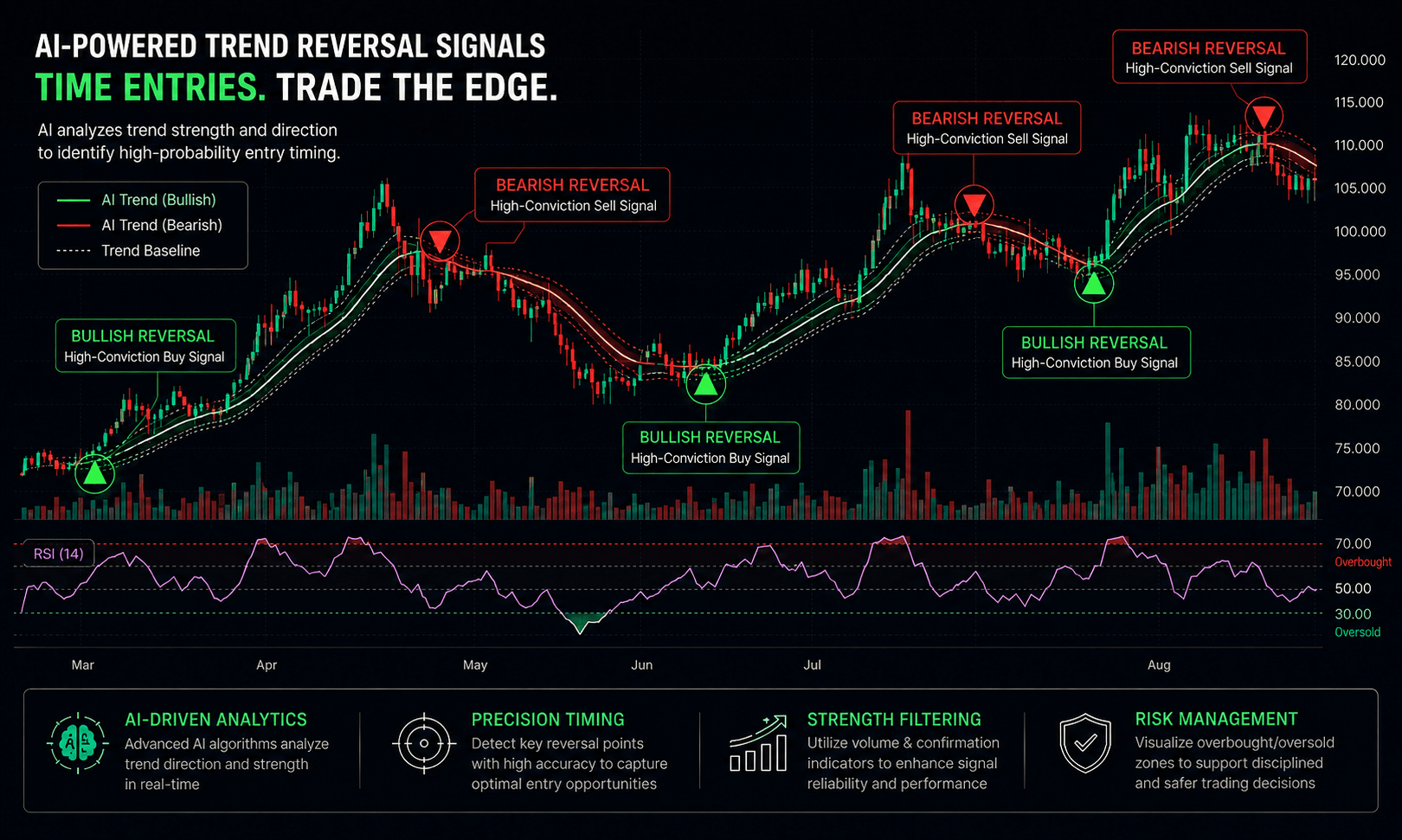
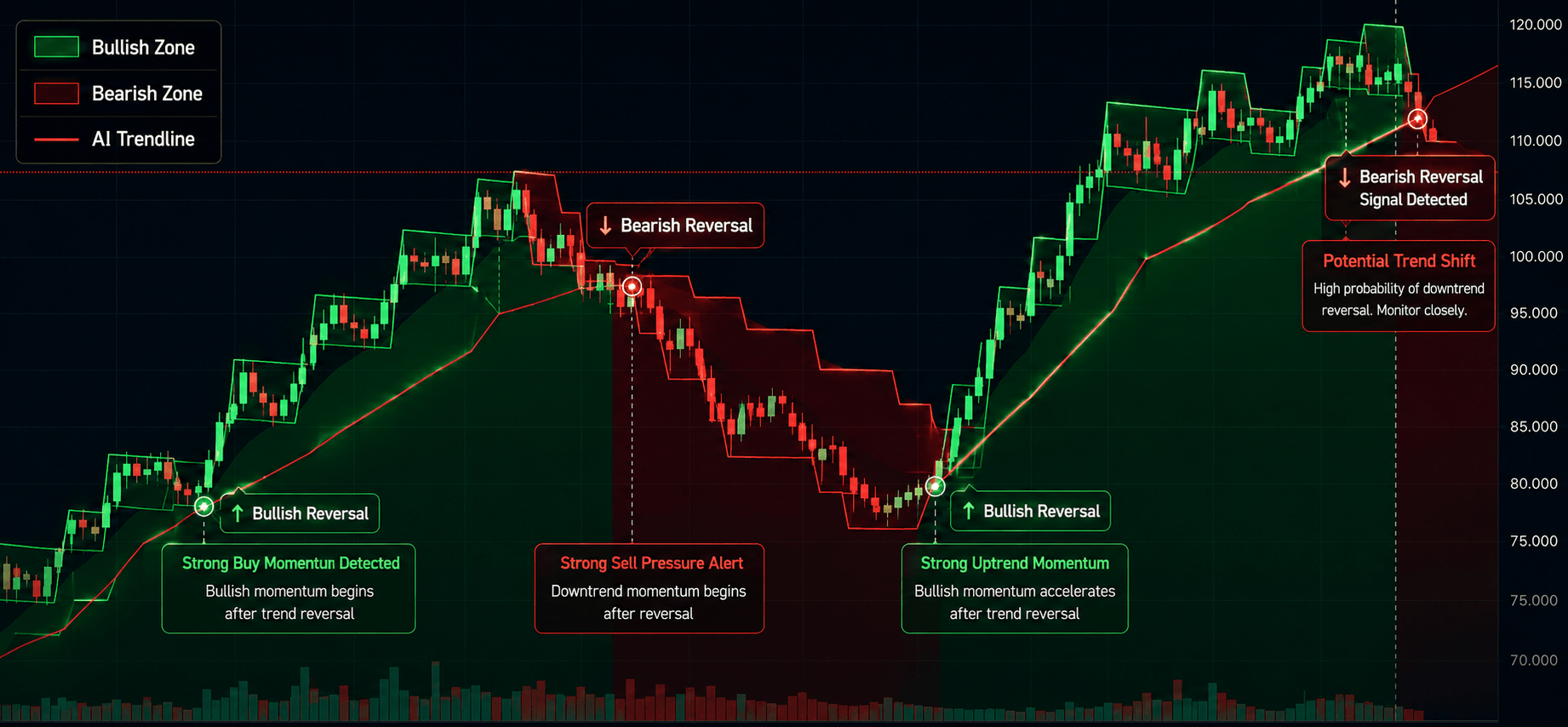
Bull Wave / Bear Wave Forecast Model
Engineered to help you read market direction and momentum faster than the crowd.
- Instantly separate bullish momentum from bearish pressure
- Pinpoint high-probability entry zones with confidence
- Chart signals clear enough for beginners, sharp enough for pros
Winning Pattern Detection
Instantly surfaces the high-probability setups that repeat across the charts — a trusted edge for timing your entries and exits.
- Spot momentum building in real time
- Catch trend-reversal points before they break
- Built for active traders who need results, not theory

AI Live Economic Dashboard
AI analyzes real-time market data — turning complex, global investment flows into clear insight in seconds.
- Track global stock markets in real time
- See exactly which assets are strong — and which are fading
- Watch how geopolitical events move the markets
About the Author