What a Dark Pool Is
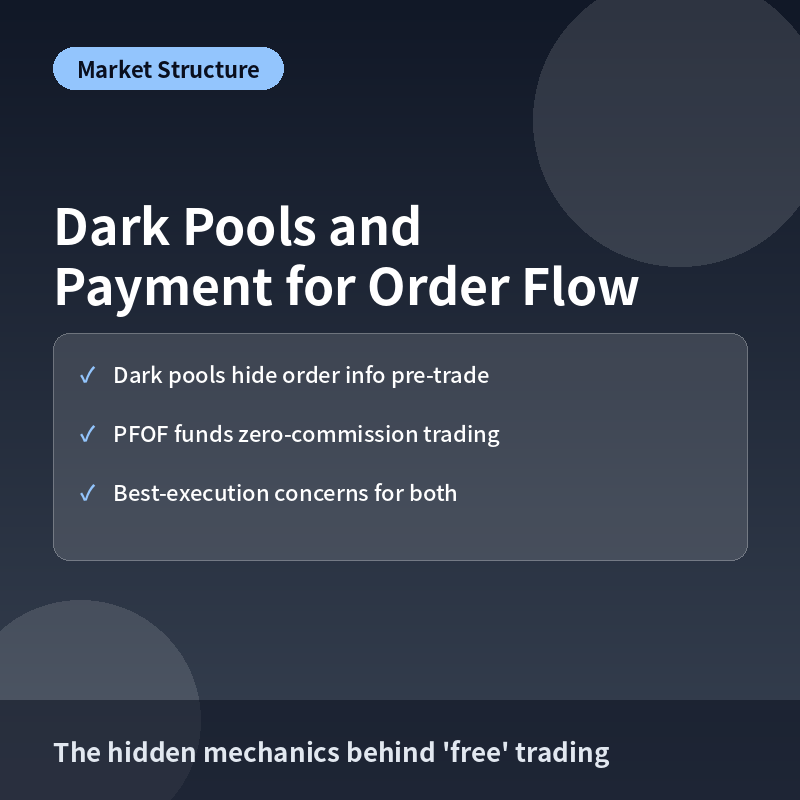
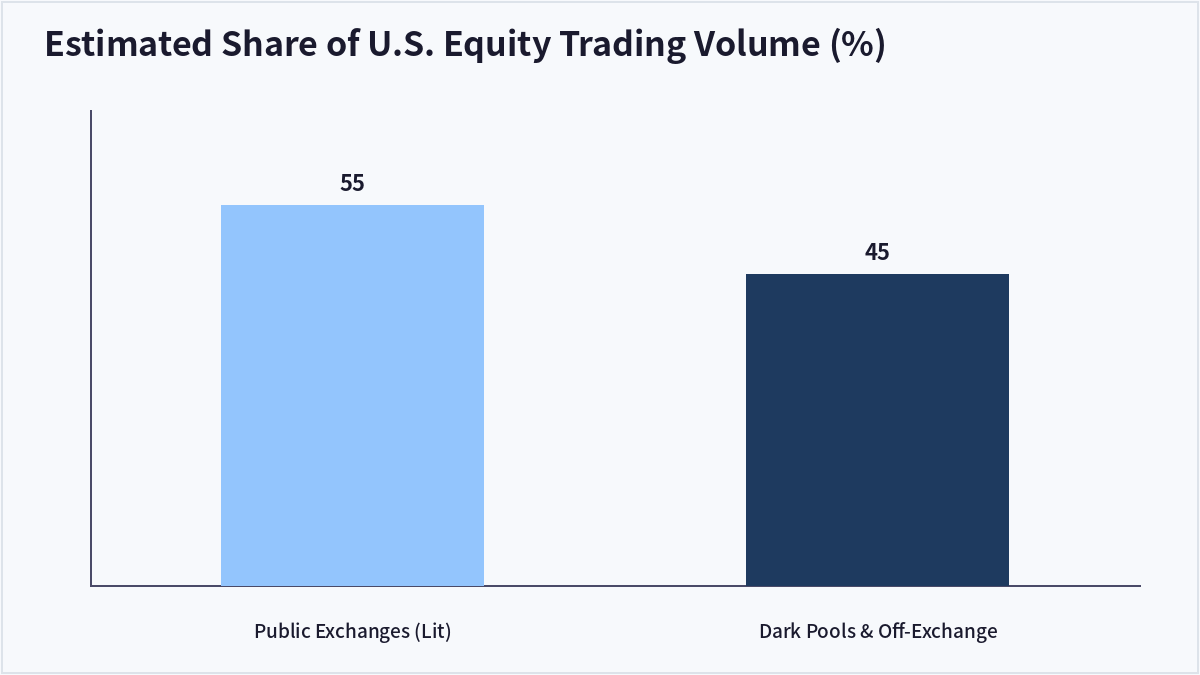
A dark pool is a private trading venue that does not display buy and sell orders before they’re executed — unlike a public exchange (a ‘lit’ venue), where the order book is visible. The lack of pre-trade transparency is what gives dark pools their name.
Why Institutions Use Them
When a pension fund or asset manager places a large sell order on a public exchange, that order becomes visible on the order book, letting other participants front-run it or push the price down before it fully executes — a problem known as market impact. Dark pools let large trades execute without that information leaking to the broader market.
How Dark Pool Prices Are Set
Execution prices in a dark pool are typically pegged to the midpoint of the best bid and offer on public exchanges, rather than being independently discovered — dark pools generally borrow the public market’s price rather than setting their own.
What Is Payment for Order Flow (PFOF)?
Payment for order flow is the practice where a broker routes customer orders to a specific market maker for execution, rather than to a public exchange, in exchange for a payment from that market maker. This revenue is a key reason many U.S. retail brokers can offer commission-free trading — the customer pays nothing, but the broker monetizes the order flow itself.
The Core Debate: Best Execution
Critics argue brokers may have an incentive to route orders to whichever market maker pays the most, rather than to whoever offers the best price for the customer. In response, regulators require brokers to meet a ‘best execution’ obligation and disclose order-routing data, and some jurisdictions — including the UK and parts of the EU — restrict or ban PFOF outright over these conflict-of-interest concerns.
| Venue | Pre-Trade Transparency | Primary Users | Price Discovery |
|---|---|---|---|
| Public exchange (lit) | Visible order book | Retail and institutional | Own order matching |
| Dark pool | Hidden until execution | Mostly institutional | References public market midpoint |
Frequently Asked Questions
Can retail investors trade in dark pools?
Direct access is limited, but a broker’s smart order router can indirectly send a portion of retail orders into dark pools as part of the execution process.
Is PFOF illegal?
No, it’s a legal practice within the regulatory framework in jurisdictions like the U.S., though it’s banned or restricted in others like the UK, and remains a subject of ongoing regulatory debate.
Does PFOF always mean worse prices for me?
It’s a real concern, but the price impact, if any, is typically small — the key question is whether it’s larger or smaller than the commission an investor would otherwise pay, which varies by broker and order type.
How can I check how my broker routes my orders?
In the U.S., brokers are required to publish order execution quality reports (such as Rule 606 disclosures) that show which market makers receive customer order flow.
Key Takeaways
Dark pools reduce the market impact of large institutional trades, while payment for order flow underwrites commission-free retail trading — both raise legitimate best-execution and transparency questions that regulators continue to scrutinize. This article is for informational purposes only and does not constitute investment advice.

QuantPro: AI Finds the Trade Before You Do
From AI-powered chart analysis to real-time market intelligence — everything a serious investor needs, in one platform.
- Automated AI chart analysis with precision trend timing
- Bull Radar: real-time visualization of geopolitical & economic shifts
- Live market-moving news and insights, curated for you
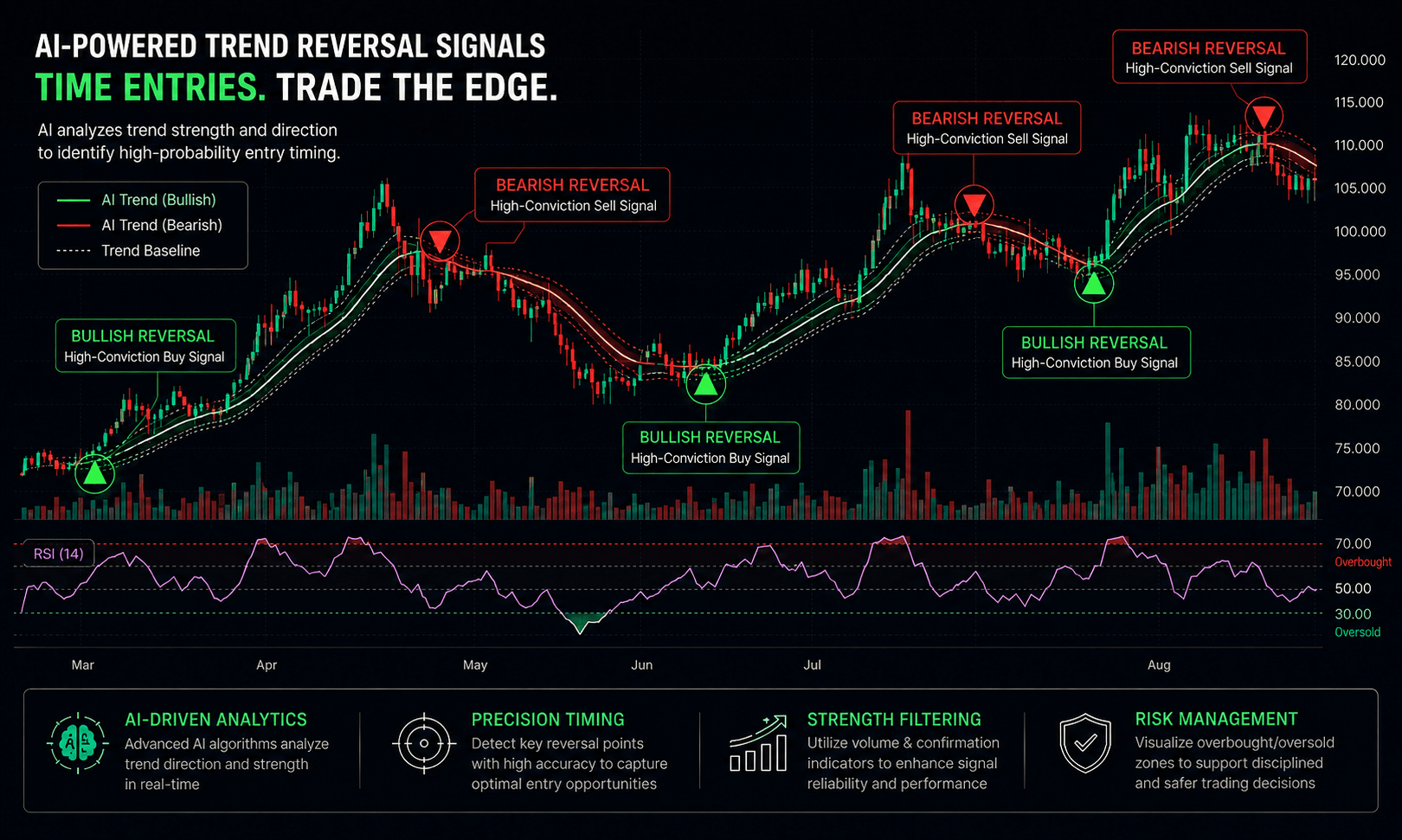
Bull Wave / Bear Wave Forecast Model
Engineered to help you read market direction and momentum faster than the crowd.
- Instantly separate bullish momentum from bearish pressure
- Pinpoint high-probability entry zones with confidence
- Chart signals clear enough for beginners, sharp enough for pros
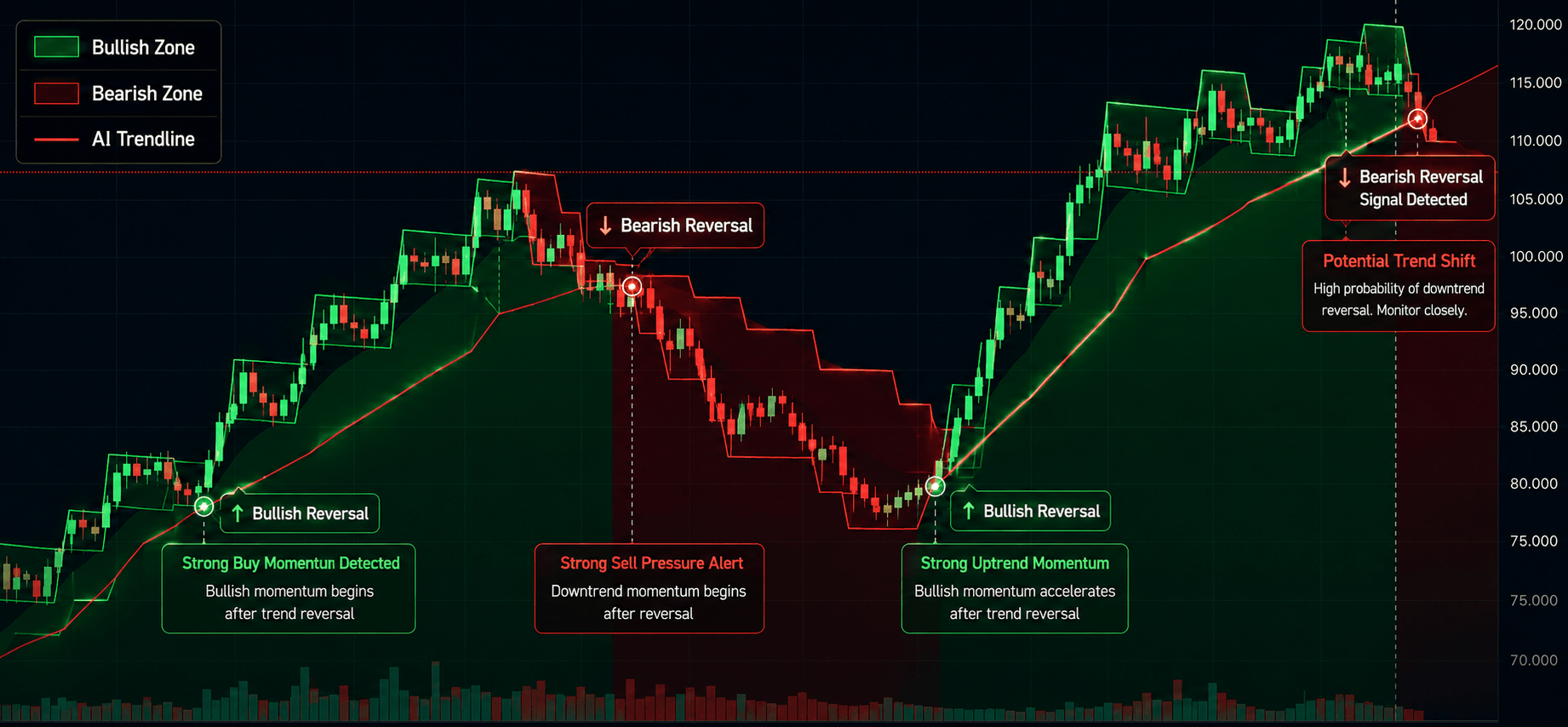
Winning Pattern Detection
Instantly surfaces the high-probability setups that repeat across the charts — a trusted edge for timing your entries and exits.
- Spot momentum building in real time
- Catch trend-reversal points before they break
- Built for active traders who need results, not theory
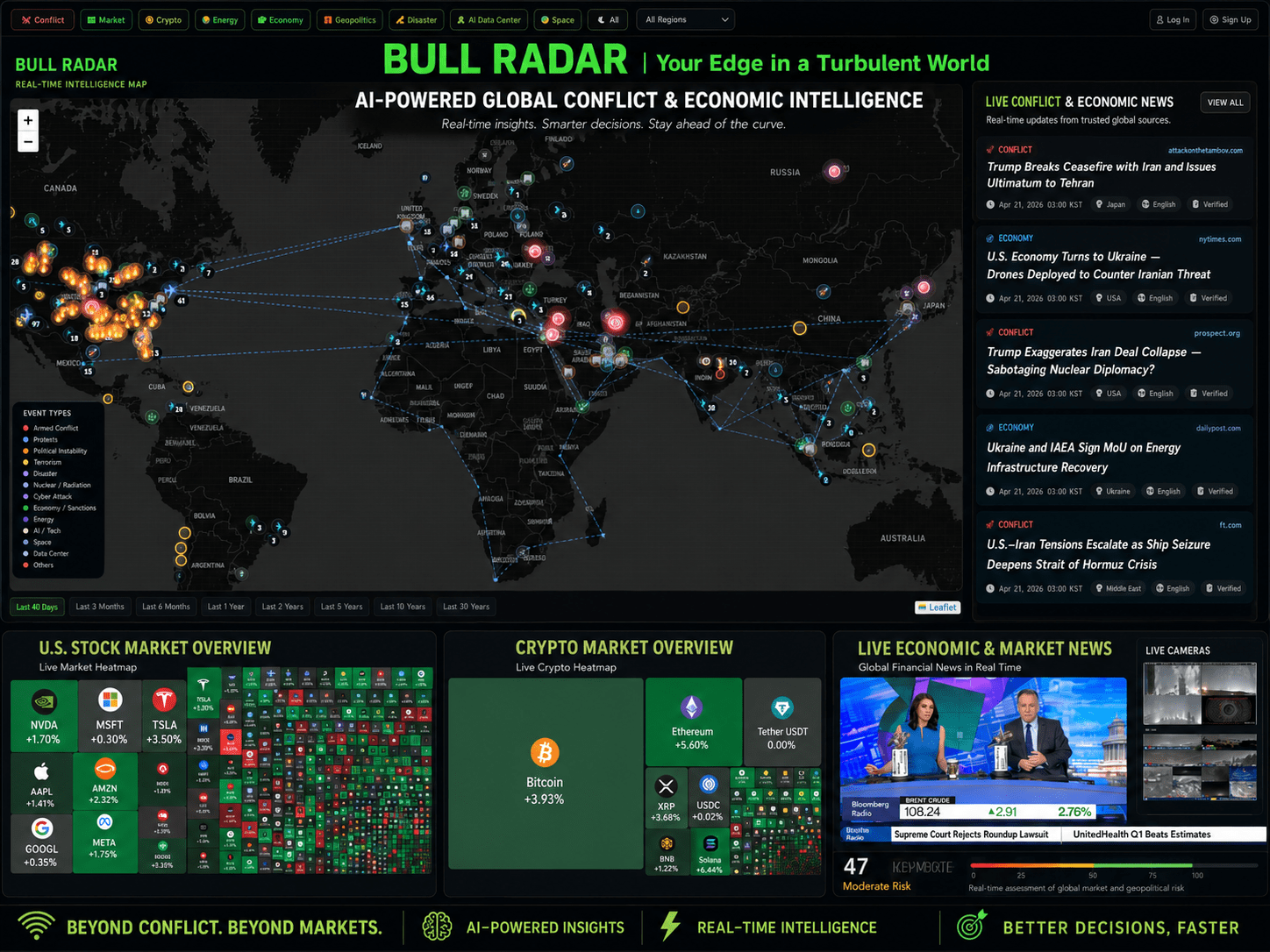
AI Live Economic Dashboard
AI analyzes real-time market data — turning complex, global investment flows into clear insight in seconds.
- Track global stock markets in real time
- See exactly which assets are strong — and which are fading
- Watch how geopolitical events move the markets
About the Author