What Is Distressed Debt Investing?
Distressed debt investing means buying the bonds or loans of a financially troubled or near-bankrupt company at a steep discount to face value, in the hope that the eventual recovery exceeds the purchase price. Forced selling by panicked or regulation-bound holders often pushes these prices below what the debt is realistically worth.
Two Core Strategies
Passive (Trading-Oriented) Approach
A passive investor buys debt they believe the market has mispriced and simply waits for the company’s situation to improve, or for broader sentiment to shift, before selling for a gain without ever engaging in the company’s operations or restructuring.
Active (Control-Oriented) Approach
An active investor accumulates enough debt to gain real influence in creditor negotiations, often steering the bankruptcy or restructuring process and converting debt into equity to capture the upside if the company successfully turns around.
Risks to Understand
If a company ends up being liquidated rather than restructured, recovery rates can be far lower than the purchase price, and legal proceedings can tie up capital for years. This is why the strategy is dominated by specialized hedge funds and private equity firms with deep legal and restructuring expertise.

| Feature | Passive Strategy | Active Strategy |
|---|---|---|
| Involvement in company | None | Direct participation in creditor negotiations |
| Typical holding period | Shorter | Longer (often years) |
| Return source | Market re-pricing | Value created through restructuring |
| Key skill required | Credit analysis, timing | Legal and restructuring expertise, negotiation |
Frequently Asked Questions
Why does distressed debt trade at such a discount?
Fear of default triggers panic selling, and some institutional holders are required to divest debt once it falls below investment grade, pushing prices below what many analysts consider fair value.
Can individual investors buy distressed debt directly?
In practice this is very difficult due to high minimum trade sizes, limited information, and legal complexity, so most individual exposure comes indirectly through specialized hedge funds or special-situations funds.
Is a vulture fund the same thing as a distressed debt investor?
The term ‘vulture fund’ is a somewhat pejorative label often applied to firms pursuing distressed debt strategies, but it describes essentially the same activity of profiting from buying troubled assets cheaply.
What is the single most important judgment call in this strategy?
Accurately comparing a company’s liquidation value to its going-concern value, and understanding exactly where a given piece of debt sits in the repayment priority (seniority), is usually the decisive factor in the outcome.
Key Takeaways
Distressed debt investing means buying troubled companies’ bonds at a steep discount and profiting either from a market re-pricing or from actively steering a restructuring. The potential returns are high, but so is the risk of low recovery and prolonged legal uncertainty, which is why deep expertise is a prerequisite for the strategy. This article is for informational purposes only and does not constitute investment advice.

QuantPro: AI Finds the Trade Before You Do
From AI-powered chart analysis to real-time market intelligence — everything a serious investor needs, in one platform.
- Automated AI chart analysis with precision trend timing
- Bull Radar: real-time visualization of geopolitical & economic shifts
- Live market-moving news and insights, curated for you
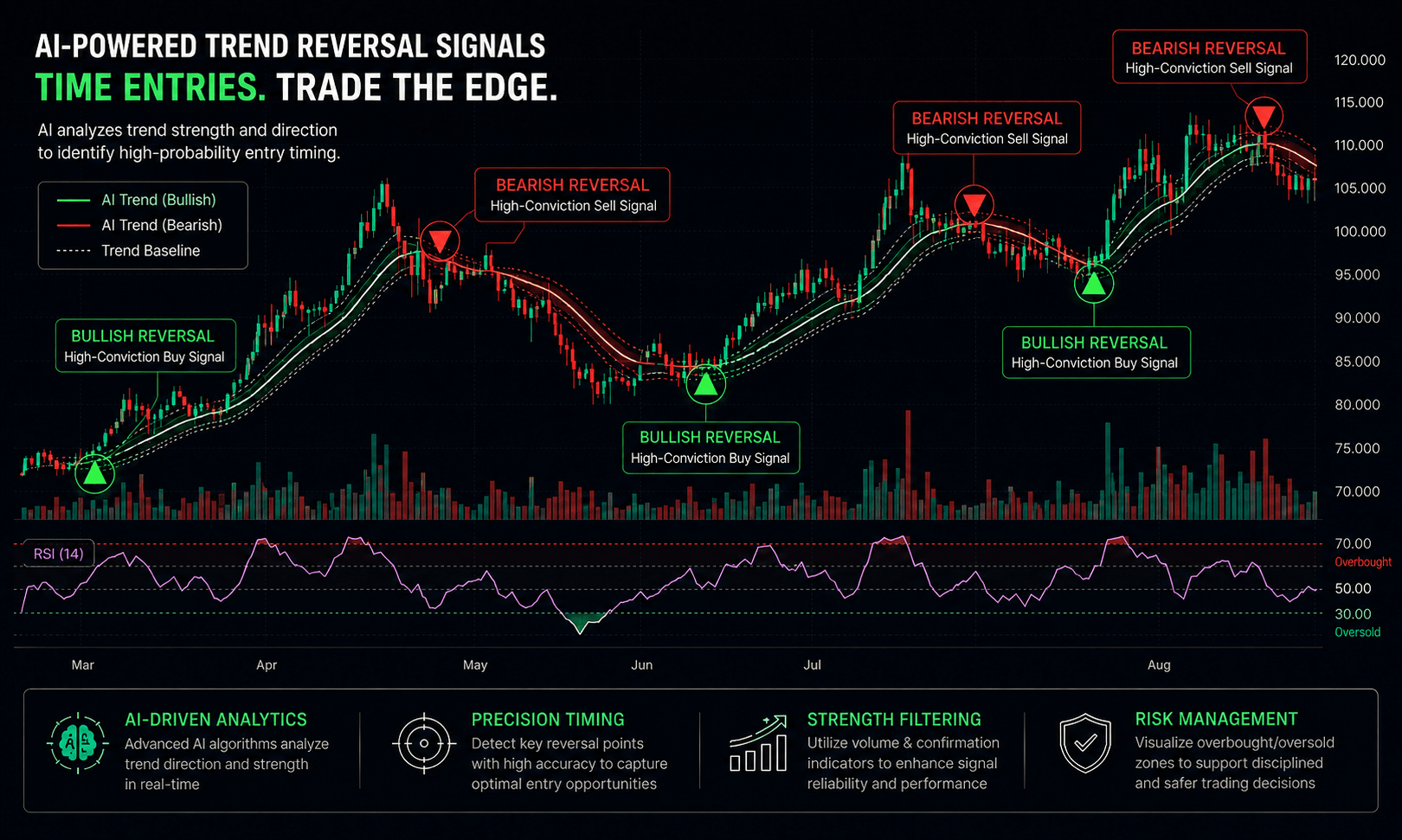
Bull Wave / Bear Wave Forecast Model
Engineered to help you read market direction and momentum faster than the crowd.
- Instantly separate bullish momentum from bearish pressure
- Pinpoint high-probability entry zones with confidence
- Chart signals clear enough for beginners, sharp enough for pros
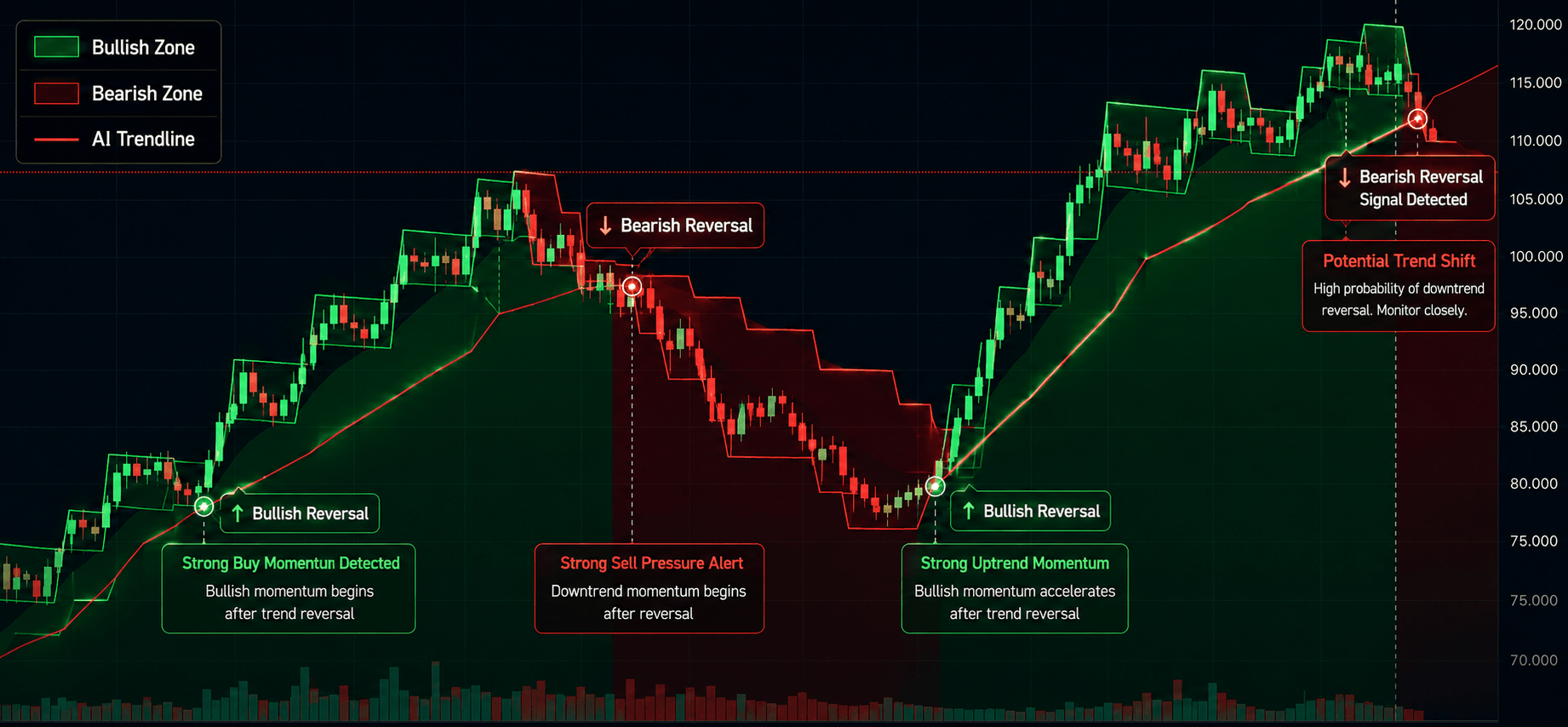
Winning Pattern Detection
Instantly surfaces the high-probability setups that repeat across the charts — a trusted edge for timing your entries and exits.
- Spot momentum building in real time
- Catch trend-reversal points before they break
- Built for active traders who need results, not theory
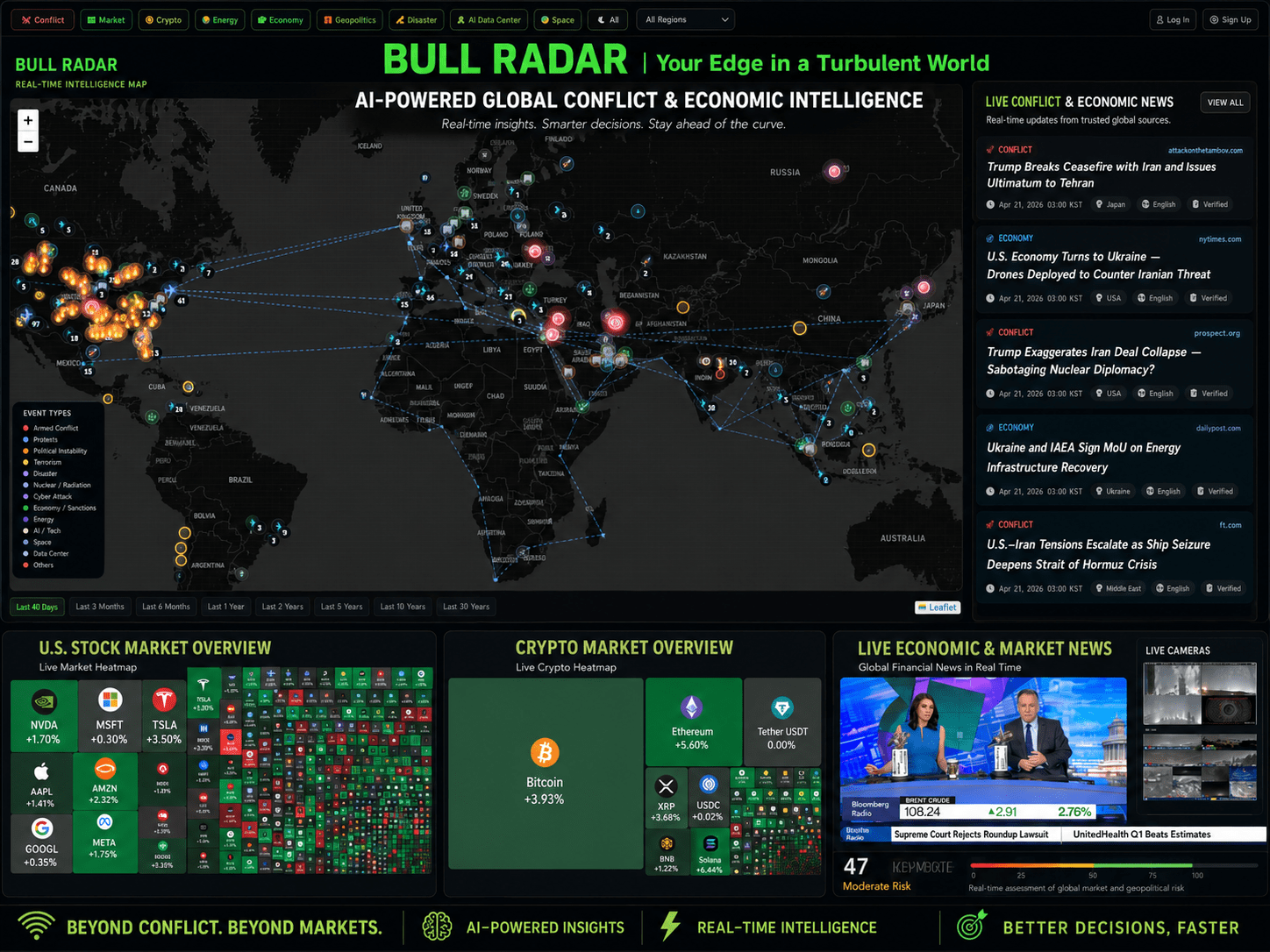
AI Live Economic Dashboard
AI analyzes real-time market data — turning complex, global investment flows into clear insight in seconds.
- Track global stock markets in real time
- See exactly which assets are strong — and which are fading
- Watch how geopolitical events move the markets
About the Author