What Is a Futures Contract?
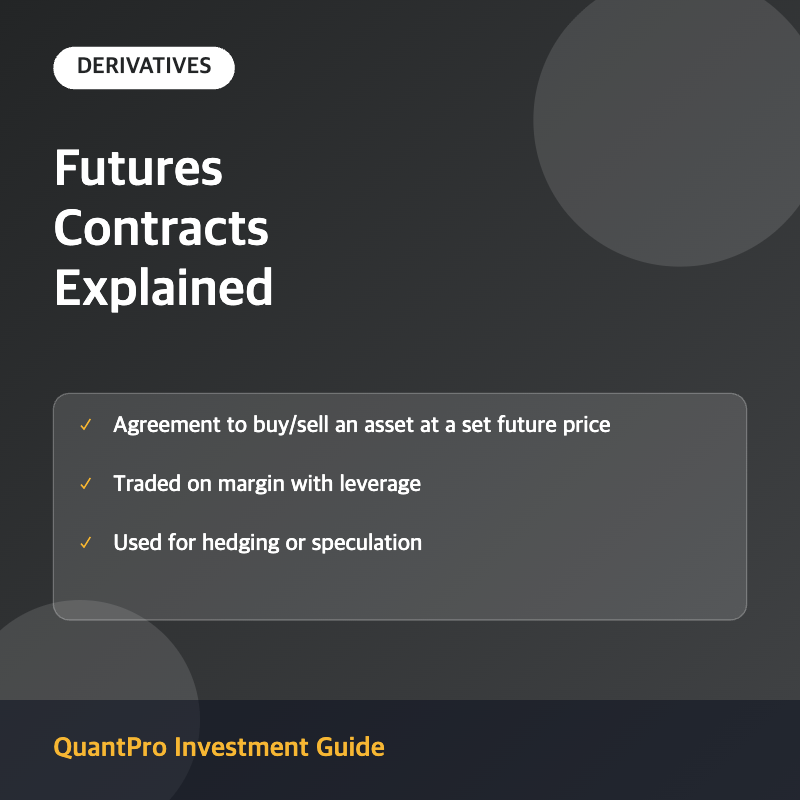
A futures contract is a standardized legal agreement to buy or sell a specific asset, such as a commodity, currency, or index, at a predetermined price on a specified future date. Futures are traded on regulated exchanges and are marked to market daily, meaning gains and losses are settled each trading day.
Unlike options, which give the holder the right but not the obligation to transact, a futures contract creates a binding obligation for both the buyer and the seller to complete the transaction at expiration, unless the position is closed or offset beforehand.
Long and Short Futures Positions
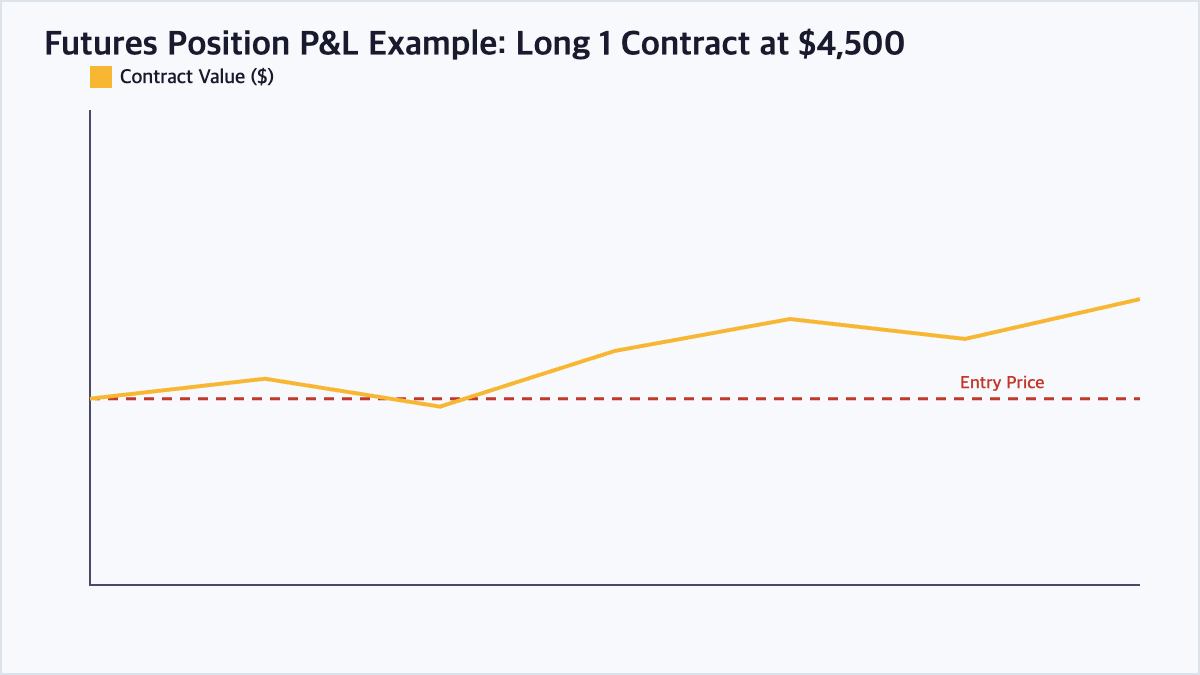
A trader who buys a futures contract holds a “long” position and profits if the asset’s price rises above the entry price. A trader who sells a futures contract holds a “short” position and profits if the price falls, since they can buy back the contract at a lower price.
Margin and Leverage in Futures Trading
Futures trading requires only a fraction of the contract’s total value as margin, known as the initial margin, which creates significant leverage. This leverage magnifies both potential gains and potential losses, meaning a small adverse price movement can result in a margin call requiring additional funds to maintain the position.
Hedging vs Speculation
Producers and businesses use futures to hedge against price volatility in raw materials or currencies, locking in prices in advance to manage risk. Speculators, by contrast, use futures to profit from anticipated price movements without any intention of taking physical delivery of the underlying asset.
Futures Contracts vs Options Contracts
| Feature | Futures Contract | Options Contract |
|---|---|---|
| Obligation | Both parties obligated | Buyer has right, not obligation |
| Upfront Cost | Margin deposit | Premium paid |
| Risk (Buyer) | Potentially unlimited | Limited to premium paid |
| Settlement | Daily mark-to-market | At exercise or expiration |
| Common Use | Hedging, speculation | Hedging, speculation, income |
Frequently Asked Questions
Do futures traders have to take physical delivery of the asset?
No, in most cases. The vast majority of futures contracts are closed out before expiration through an offsetting trade, and cash-settled contracts, such as many stock index futures, never involve physical delivery at all.
What happens if I don’t meet a margin call?
If a trader fails to meet a margin call, the broker can liquidate the position to cover the shortfall, potentially locking in losses at an unfavorable price and ending the trader’s exposure to further price movement.
Are futures contracts riskier than stocks?
Futures generally carry higher risk due to leverage, since a relatively small price move in the underlying asset can produce a proportionally larger gain or loss on the margin deposited, unlike an unleveraged stock purchase.
What assets can be traded via futures contracts?
Futures exist for a wide range of underlying assets, including commodities like oil, gold, and agricultural products, financial instruments like stock indices and Treasury bonds, and currencies, each traded on specific regulated exchanges.
Key Takeaways
Futures contracts are standardized, exchange-traded agreements that obligate both parties to transact at a set price on a future date, offering leveraged exposure used for hedging or speculation. The leverage involved makes futures trading significantly riskier than unleveraged investing. This article is for informational purposes only and does not constitute investment advice.

QuantPro: AI Finds the Trade Before You Do
From AI-powered chart analysis to real-time market intelligence — everything a serious investor needs, in one platform.
- Automated AI chart analysis with precision trend timing
- Bull Radar: real-time visualization of geopolitical & economic shifts
- Live market-moving news and insights, curated for you
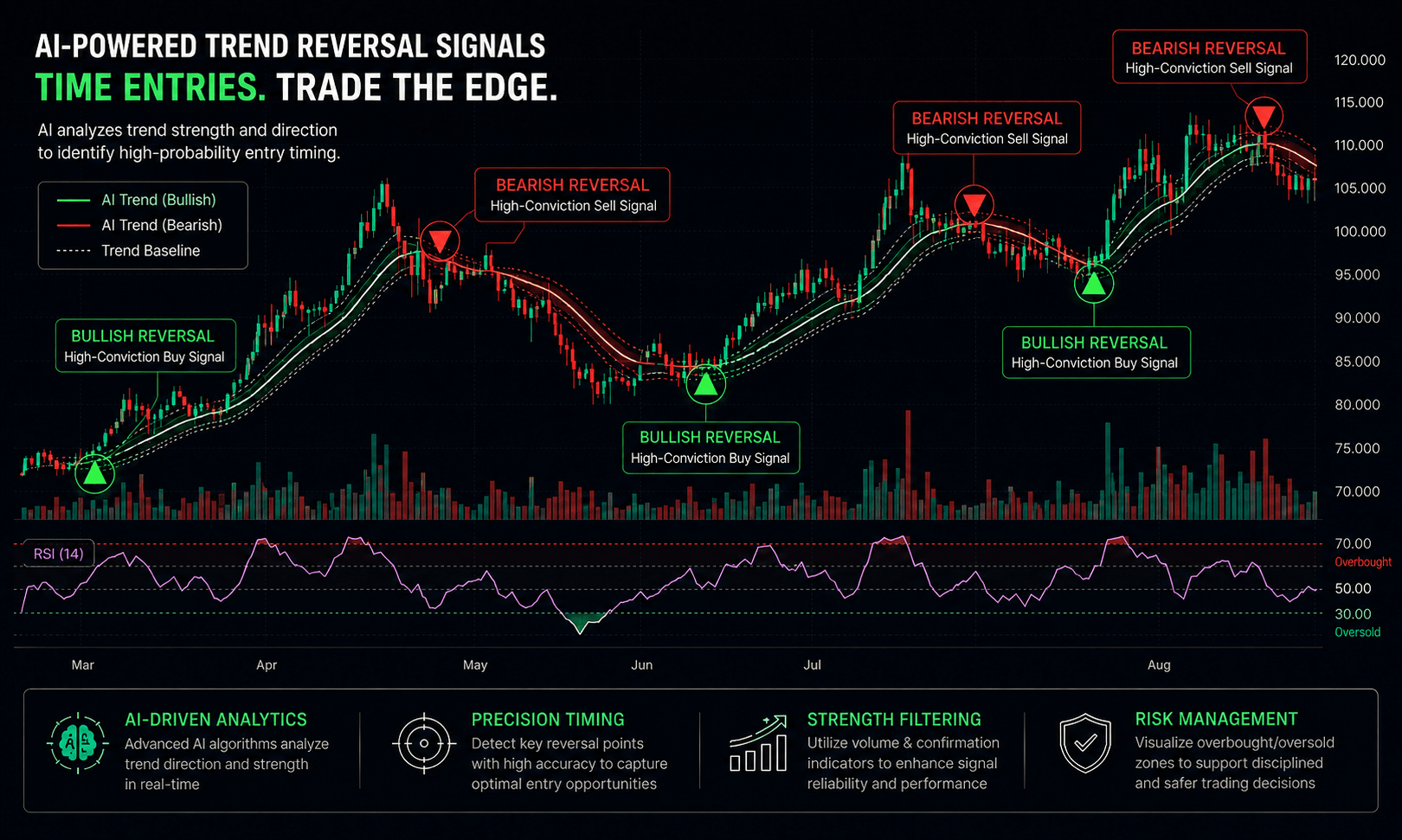
Bull Wave / Bear Wave Forecast Model
Engineered to help you read market direction and momentum faster than the crowd.
- Instantly separate bullish momentum from bearish pressure
- Pinpoint high-probability entry zones with confidence
- Chart signals clear enough for beginners, sharp enough for pros
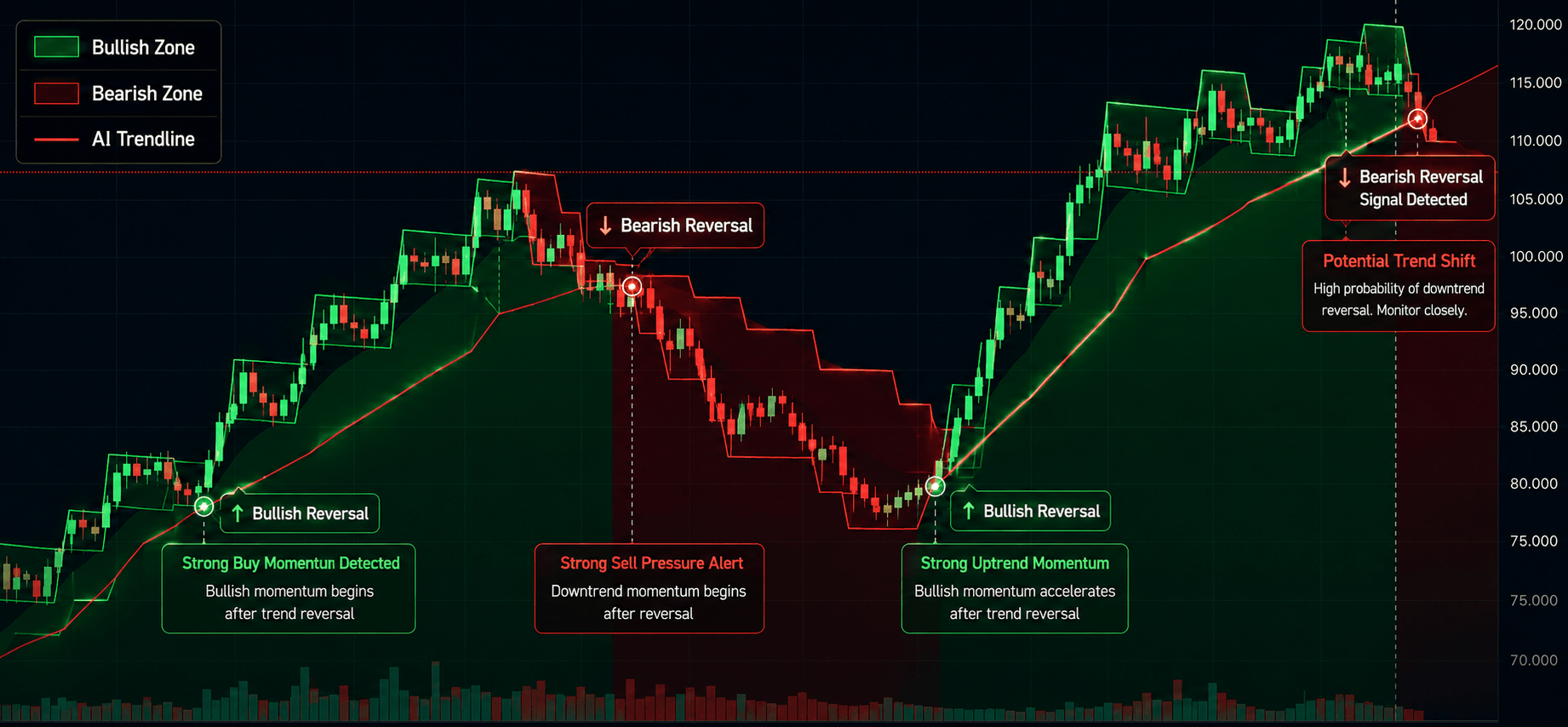
Winning Pattern Detection
Instantly surfaces the high-probability setups that repeat across the charts — a trusted edge for timing your entries and exits.
- Spot momentum building in real time
- Catch trend-reversal points before they break
- Built for active traders who need results, not theory
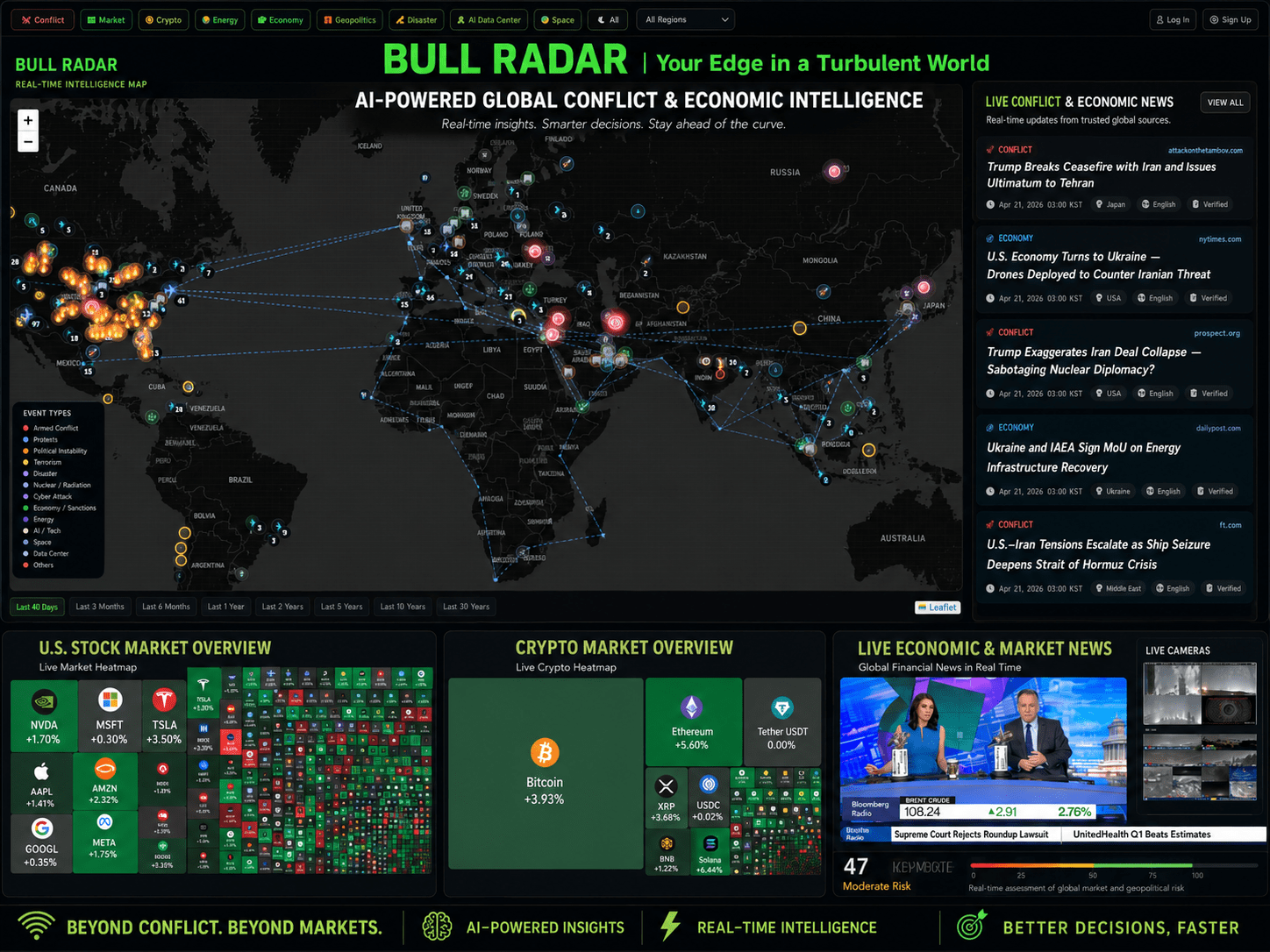
AI Live Economic Dashboard
AI analyzes real-time market data — turning complex, global investment flows into clear insight in seconds.
- Track global stock markets in real time
- See exactly which assets are strong — and which are fading
- Watch how geopolitical events move the markets
About the Author