What Delta Hedging Does
Delta measures how much an option’s price is expected to move for a one-unit move in the underlying asset. Delta hedging involves trading the underlying asset (stock or futures) in the opposite direction and in an amount matching the option position’s total delta, so that small moves in the underlying no longer meaningfully change the overall position’s value — neutralizing directional risk.
Why Gamma Hedging Is Needed on Top of That
The catch is that delta itself isn’t fixed — it changes as the underlying price moves, and that rate of change is measured by gamma. A delta hedge that’s accurate at one price level starts drifting out of balance as soon as the underlying moves, because the option’s delta has shifted. Gamma hedging is the process of rebalancing the position — typically using other options — to bring gamma itself back toward neutral, so the delta hedge doesn’t need constant, costly readjustment every time the underlying ticks.

Why Both Are Used Together
A large options position hedged with delta alone can hold up fine for small moves in the underlying, but a fast, large move causes the delta to shift quickly (high gamma), and the delta hedge can fall out of balance faster than it can practically be rebalanced. That’s why professional options desks typically combine delta hedging for first-order directional neutrality with gamma hedging to also manage how fast that neutrality can be knocked off balance.
Why Gamma Hedging Requires Options, Not Just the Underlying
The underlying asset itself always has a delta of exactly 1 relative to its own price and a gamma of exactly 0 — it can’t curve. That means the underlying alone can never be used to adjust a position’s gamma; only other options, which do have gamma, can be traded to bring the overall book’s gamma back toward neutral.
| Feature | Delta Hedging | Gamma Hedging |
|---|---|---|
| What it manages | Directional risk from the underlying’s price | How fast delta itself changes |
| Instrument used | Underlying asset (stock/futures) | Other options |
| Rebalancing frequency | Needed whenever price moves | Typically less frequent than delta |
| Limitation | Breaks down on large, fast moves | Transaction costs, imperfect neutrality |
Frequently Asked Questions
Does a delta-neutral position have zero risk?
No. Delta-neutral only offsets directional risk — exposure to changes in implied volatility (vega risk), time decay (theta), and gamma risk all remain, so it isn’t a truly risk-free position.
How often does a delta hedge need to be rebalanced?
In theory, continuously, since delta changes with every tick in the underlying. In practice, traders rebalance at set intervals or once delta has drifted past a chosen threshold, balancing hedge accuracy against transaction costs.
What does high gamma actually indicate?
High gamma means the position’s delta is changing quickly for small moves in the underlying — most pronounced in at-the-money options, and especially as expiration approaches.
Do retail traders typically use gamma hedging?
It’s primarily used by institutional traders and market makers managing large options books, given the complexity and transaction costs involved — it’s uncommon in typical retail options trading.
Key Takeaways
Delta hedging offsets an options position’s directional risk by trading the underlying asset, but because delta itself shifts as the underlying moves, gamma hedging — typically using other options — is needed to manage that rate of change and keep the hedge from drifting out of balance during larger moves. The two are most commonly used together by market makers and institutional desks managing sizable options books, where both directional risk and the speed of its change need active management. This article is for informational purposes only and does not constitute investment advice.

QuantPro: AI Finds the Trade Before You Do
From AI-powered chart analysis to real-time market intelligence — everything a serious investor needs, in one platform.
- Automated AI chart analysis with precision trend timing
- Bull Radar: real-time visualization of geopolitical & economic shifts
- Live market-moving news and insights, curated for you
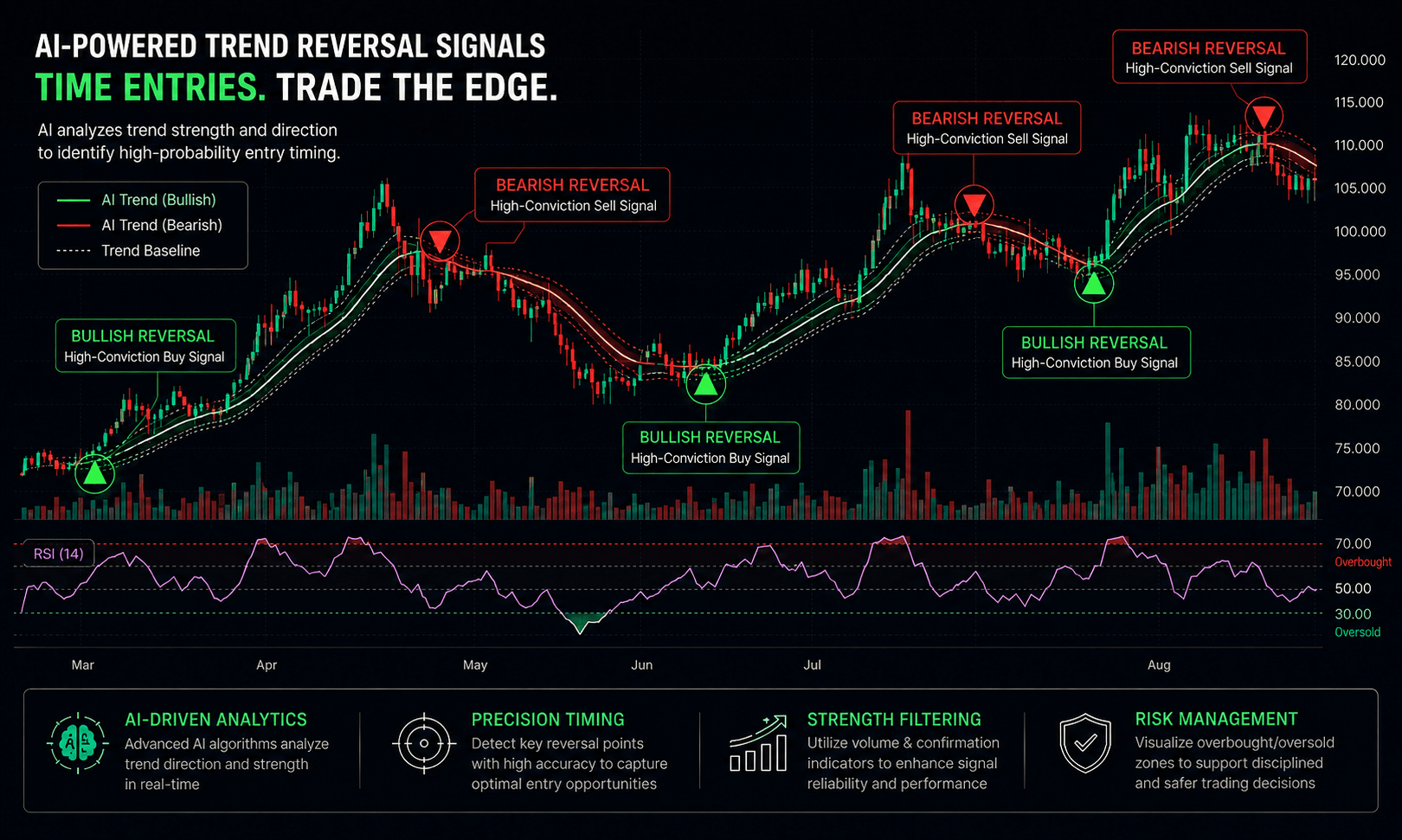
Bull Wave / Bear Wave Forecast Model
Engineered to help you read market direction and momentum faster than the crowd.
- Instantly separate bullish momentum from bearish pressure
- Pinpoint high-probability entry zones with confidence
- Chart signals clear enough for beginners, sharp enough for pros
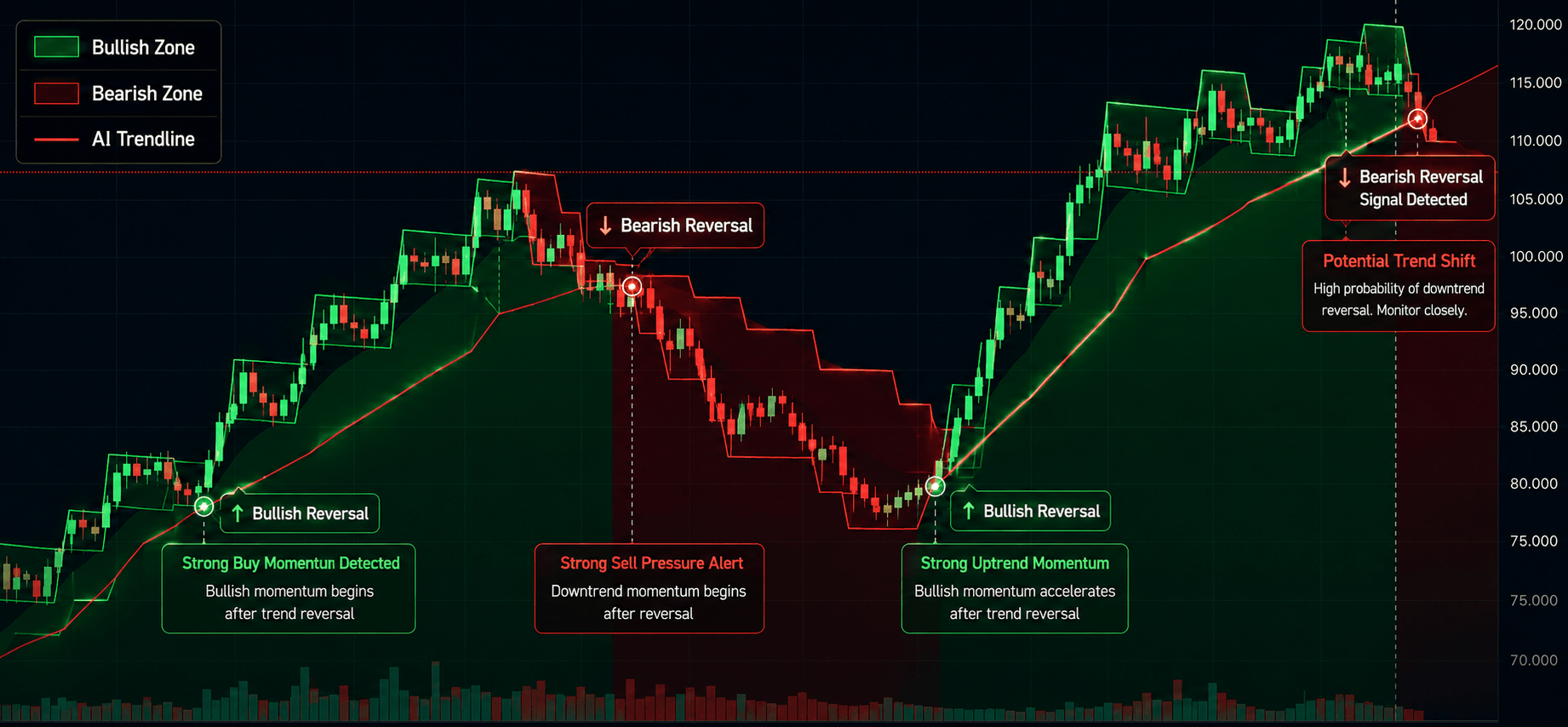
Winning Pattern Detection
Instantly surfaces the high-probability setups that repeat across the charts — a trusted edge for timing your entries and exits.
- Spot momentum building in real time
- Catch trend-reversal points before they break
- Built for active traders who need results, not theory
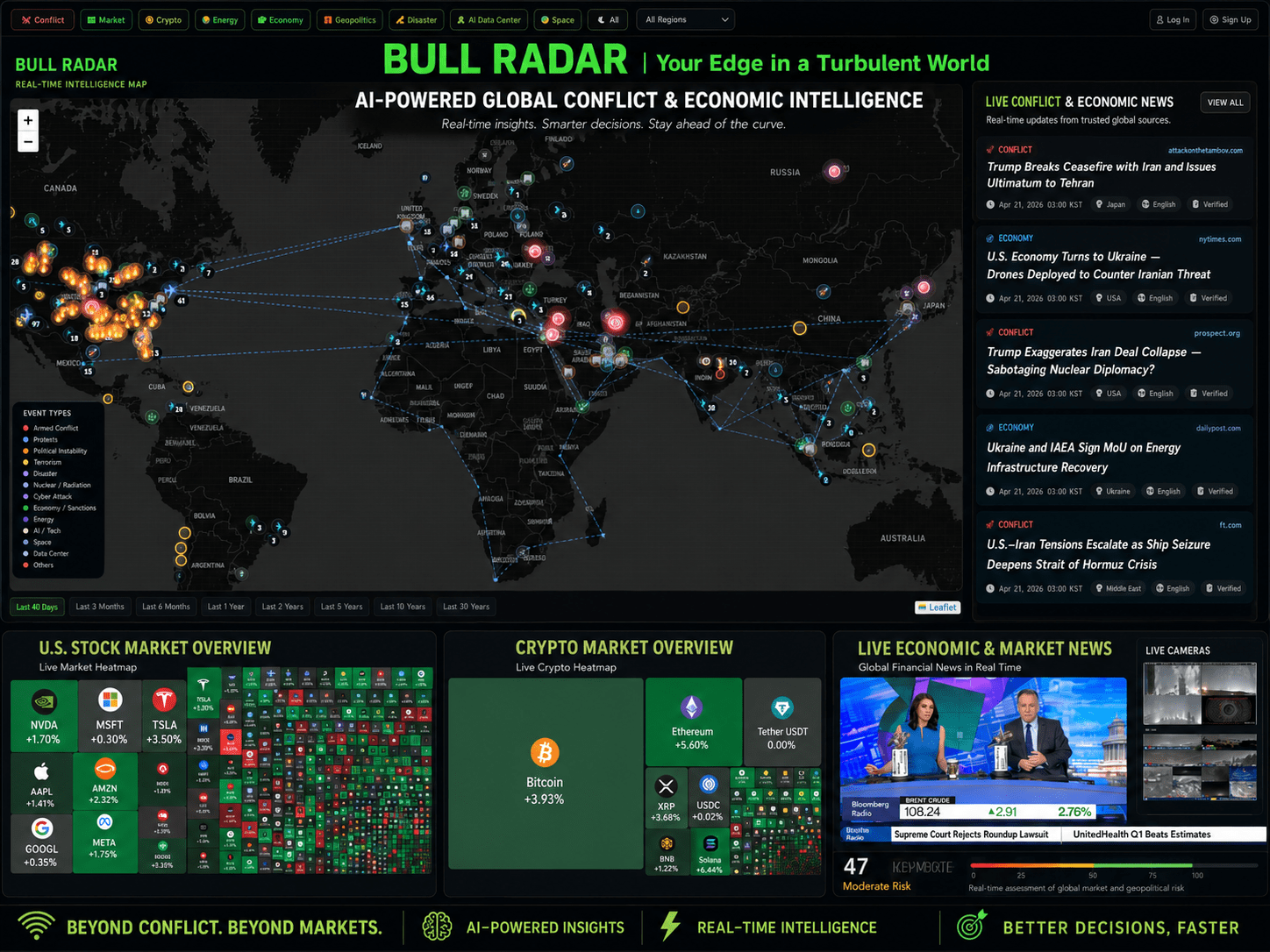
AI Live Economic Dashboard
AI analyzes real-time market data — turning complex, global investment flows into clear insight in seconds.
- Track global stock markets in real time
- See exactly which assets are strong — and which are fading
- Watch how geopolitical events move the markets
About the Author