What the Quality Factor Selects For
The quality factor targets companies with strong fundamentals — high return on equity, low debt levels, and stable earnings — essentially codifying the kind of financially sound, well-run business that traditional fundamental investors have long favored, but applying it through systematic, rules-based screening rather than individual analyst judgment.
What the Low-Volatility Factor Selects For Instead
The low-volatility factor ignores a company’s balance sheet or earnings profile entirely and instead screens purely on statistical price behavior — selecting stocks whose historical price volatility (standard deviation or beta) has been lower than the broader market. It’s a purely price-based signal, in contrast to quality’s fundamentals-based one.

Why Both Tend to Be Defensive in Downturns
Quality stocks tend to hold up better in downturns because financially strong companies typically see smaller earnings declines during economic stress, which supports their share prices. Low-volatility stocks hold up well for a more direct reason — they were selected specifically because their prices historically swing less, so they mechanically tend to fall less when the broader market falls. The two factors overlap meaningfully (financially strong companies often are lower-volatility too) but aren’t identical stock sets.
Both Can Lag in Strong Bull Markets
Because both factors lean defensive by design, they tend to underperform high-growth, high-beta, or smaller-cap stocks during sharp market rallies. Neither factor is designed to ‘always win’ — both are more commonly used as a defensive allocation within a broader portfolio rather than a stand-alone, all-weather strategy.
| Feature | Quality Factor | Low-Volatility Factor |
|---|---|---|
| Selection basis | ROE, leverage, earnings stability | Historical price volatility, beta |
| Conceptual origin | Systematizing fundamental analysis | The low-volatility anomaly |
| Downturn behavior | Defends via earnings resilience | Defends via lower price swings |
| Bull market behavior | Can lag high-growth names | Can lag high-beta names |
Frequently Asked Questions
Are there strategies that combine both factors?
Yes. Many multifactor ETFs and funds explicitly screen for stocks that are both financially high-quality and exhibit lower historical volatility, aiming to capture the defensive characteristics of both approaches at once.
What is the ‘low-volatility anomaly’?
It refers to the empirical, somewhat counterintuitive finding that lower-volatility stocks have historically delivered better risk-adjusted returns than the Capital Asset Pricing Model (CAPM) would predict, since CAPM implies higher risk should be compensated with higher expected return — this anomaly is the theoretical basis for low-volatility investing.
What metrics do quality ETFs typically use?
Common inputs include return on equity, gross profit margins, debt-to-equity ratios, and the stability (low variability) of reported earnings over time, often combined into a composite quality score, though exact methodologies vary by provider.
How does factor investing differ from traditional active management?
Factor investing applies clearly defined, rules-based criteria to systematically select and weight stocks, while traditional active management relies significantly on a portfolio manager’s discretionary, qualitative judgment — a meaningful difference in how each approach is actually run day to day.
Key Takeaways
The quality factor selects stocks based on financial fundamentals like profitability and low leverage, while the low-volatility factor selects purely on historical price behavior — yet both have tended to hold up better than the broad market during downturns. Both factors can lag during strong bull markets favoring high-growth or high-beta names, which is why they’re most commonly used as a defensive building block within a broader portfolio rather than a standalone strategy. This article is for informational purposes only and does not constitute investment advice.

QuantPro: AI Finds the Trade Before You Do
From AI-powered chart analysis to real-time market intelligence — everything a serious investor needs, in one platform.
- Automated AI chart analysis with precision trend timing
- Bull Radar: real-time visualization of geopolitical & economic shifts
- Live market-moving news and insights, curated for you
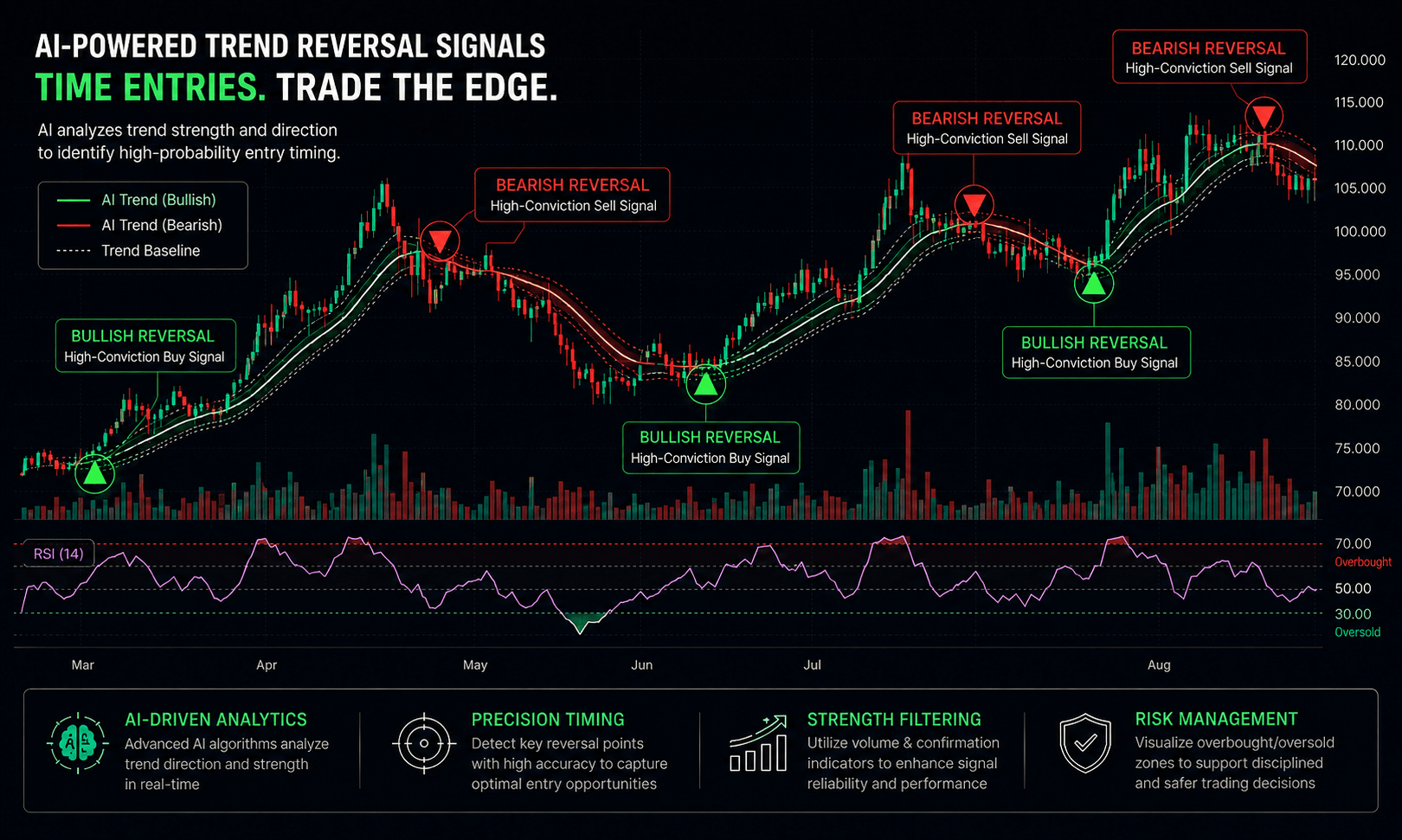
Bull Wave / Bear Wave Forecast Model
Engineered to help you read market direction and momentum faster than the crowd.
- Instantly separate bullish momentum from bearish pressure
- Pinpoint high-probability entry zones with confidence
- Chart signals clear enough for beginners, sharp enough for pros
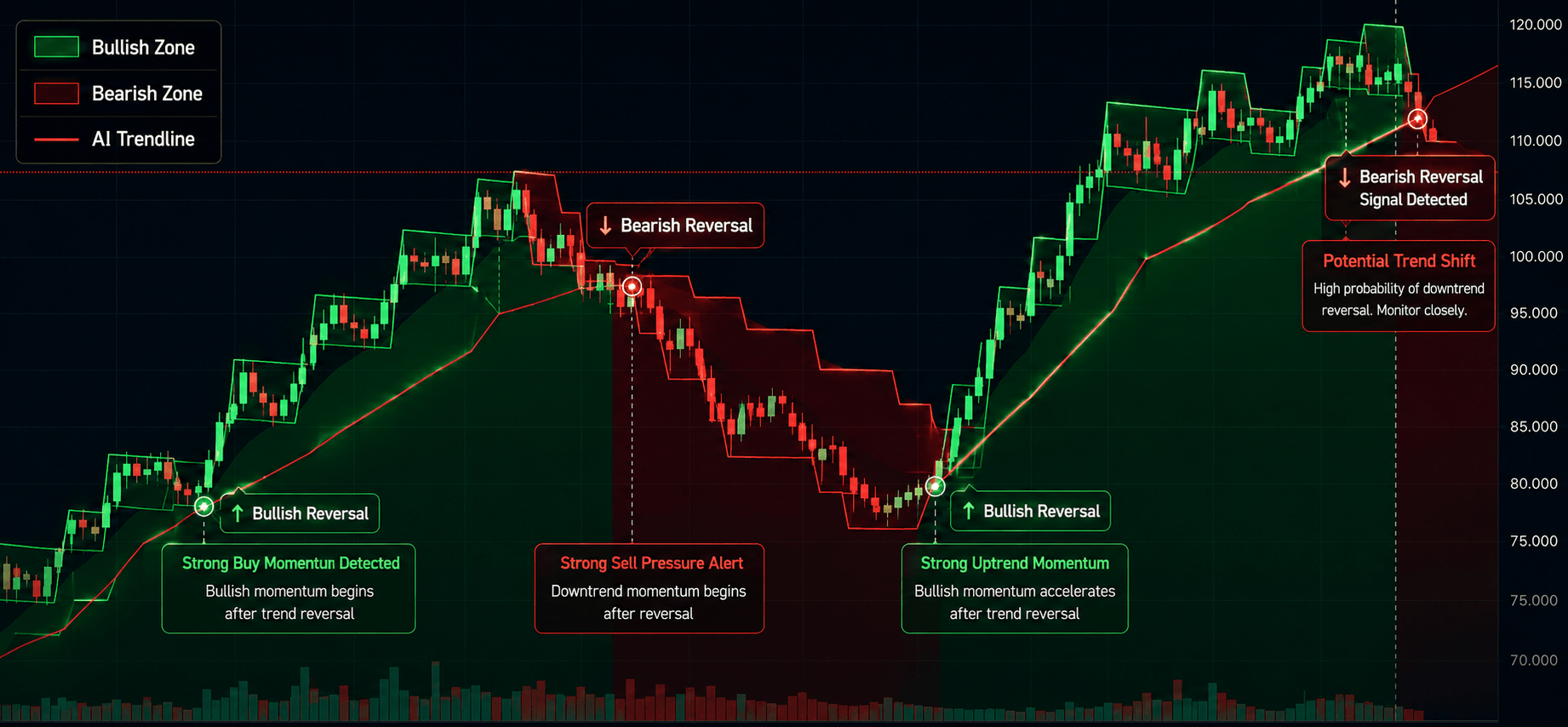
Winning Pattern Detection
Instantly surfaces the high-probability setups that repeat across the charts — a trusted edge for timing your entries and exits.
- Spot momentum building in real time
- Catch trend-reversal points before they break
- Built for active traders who need results, not theory

AI Live Economic Dashboard
AI analyzes real-time market data — turning complex, global investment flows into clear insight in seconds.
- Track global stock markets in real time
- See exactly which assets are strong — and which are fading
- Watch how geopolitical events move the markets
About the Author