What Is the Graham Number
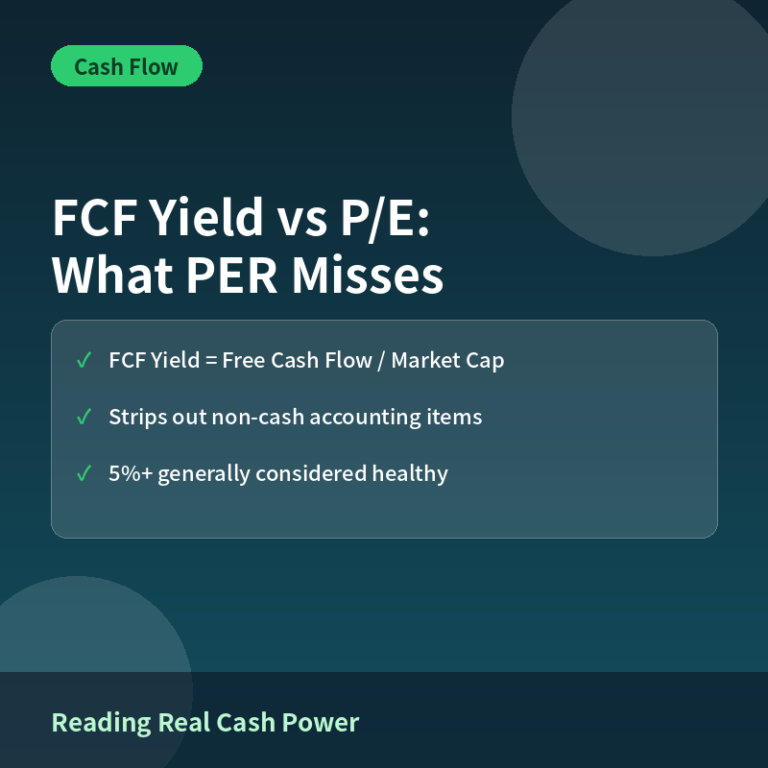
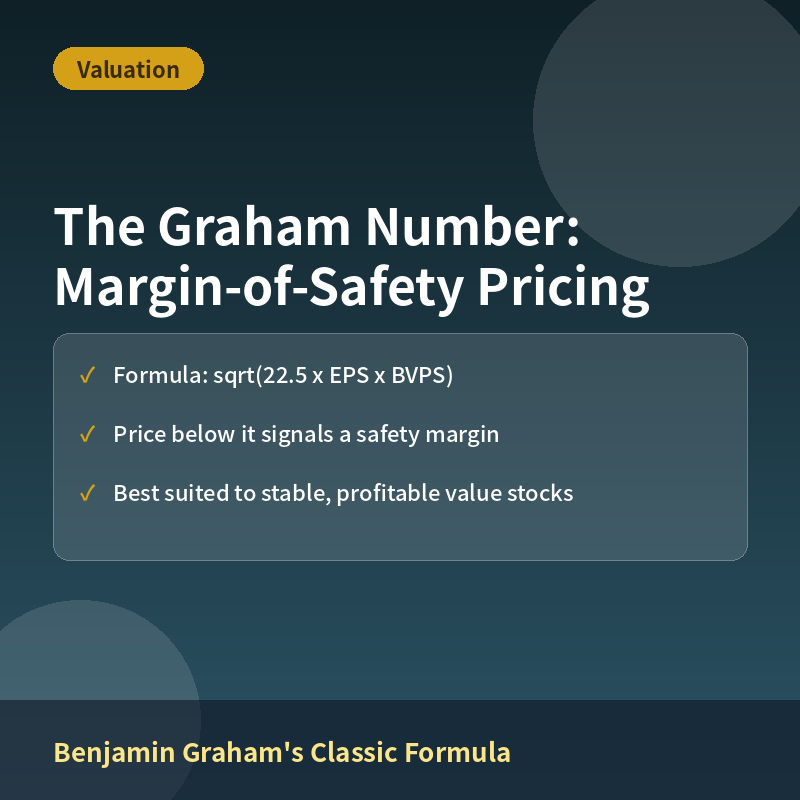
The Graham Number is a fair-value estimate developed by Benjamin Graham, the father of value investing. It is calculated as the square root of 22.5 multiplied by earnings per share (EPS) and book value per share (BVPS). The constant 22.5 comes from multiplying Graham’s conservative caps of a 15x P/E ratio and a 1.5x P/B ratio.
Worked Calculation Example
Consider a company with EPS of $2.00 and BVPS of $18.00. The Graham Number equals sqrt(22.5 x 2.00 x 18.00) = sqrt(810) ≈ $28.46. If the stock currently trades at $20, it sits roughly 30% below the Graham Number, which Graham would interpret as a meaningful margin of safety.
Which Companies It Works Best For
The formula assumes stable, positive earnings and a solid book value, making it most useful for mature, asset-backed businesses such as banks, industrials, and utilities. It breaks down for unprofitable companies or asset-light, high-growth technology names, where either EPS or BVPS may be negative or economically meaningless.

Limitations to Keep in Mind
Because the formula was built around a low-growth, mid-20th-century market, its implicit caps of 15x earnings and 1.5x book value can be overly conservative for many of today’s growth sectors. It works best as a screening filter for margin of safety rather than an absolute price target.
| Metric | Graham Number | P/E or P/B alone |
|---|---|---|
| What it captures | Earnings AND book value together | Only one dimension |
| Best fit | Stable-earnings value stocks | Broadly applied, less precise |
| Weakness | Fails for unprofitable/asset-light firms | Harder to compare across sectors |
Frequently Asked Questions
Can the Graham Number be negative?
Yes, if a company has negative EPS or negative book value, the calculation under the square root becomes invalid, so the formula cannot be applied to unprofitable or capital-impaired firms.
Does it work for growth stocks?
Rarely. High-growth technology or biotech companies often trade well above the conservative 15x P/E and 1.5x P/B caps embedded in the formula, so they will almost always screen as ‘overvalued’ by this measure regardless of actual quality.
What margin of safety did Graham recommend?
Graham generally suggested seeking at least a 33% discount to intrinsic value estimates like the Graham Number, to build in a buffer against forecasting errors.
Should it be the only valuation tool used?
No. Most practitioners pair the Graham Number with checks on debt levels, free cash flow, and industry outlook rather than relying on a single formula for a buy decision.
Key Takeaways
The Graham Number blends earnings and book value into a single conservative fair-value estimate, making it a useful screen for stocks trading with a margin of safety. It works best on stable, profitable businesses and should be paired with balance-sheet and cash-flow checks rather than used in isolation. This article is for informational purposes only and does not constitute investment advice.

QuantPro: AI Finds the Trade Before You Do
From AI-powered chart analysis to real-time market intelligence — everything a serious investor needs, in one platform.
- Automated AI chart analysis with precision trend timing
- Bull Radar: real-time visualization of geopolitical & economic shifts
- Live market-moving news and insights, curated for you
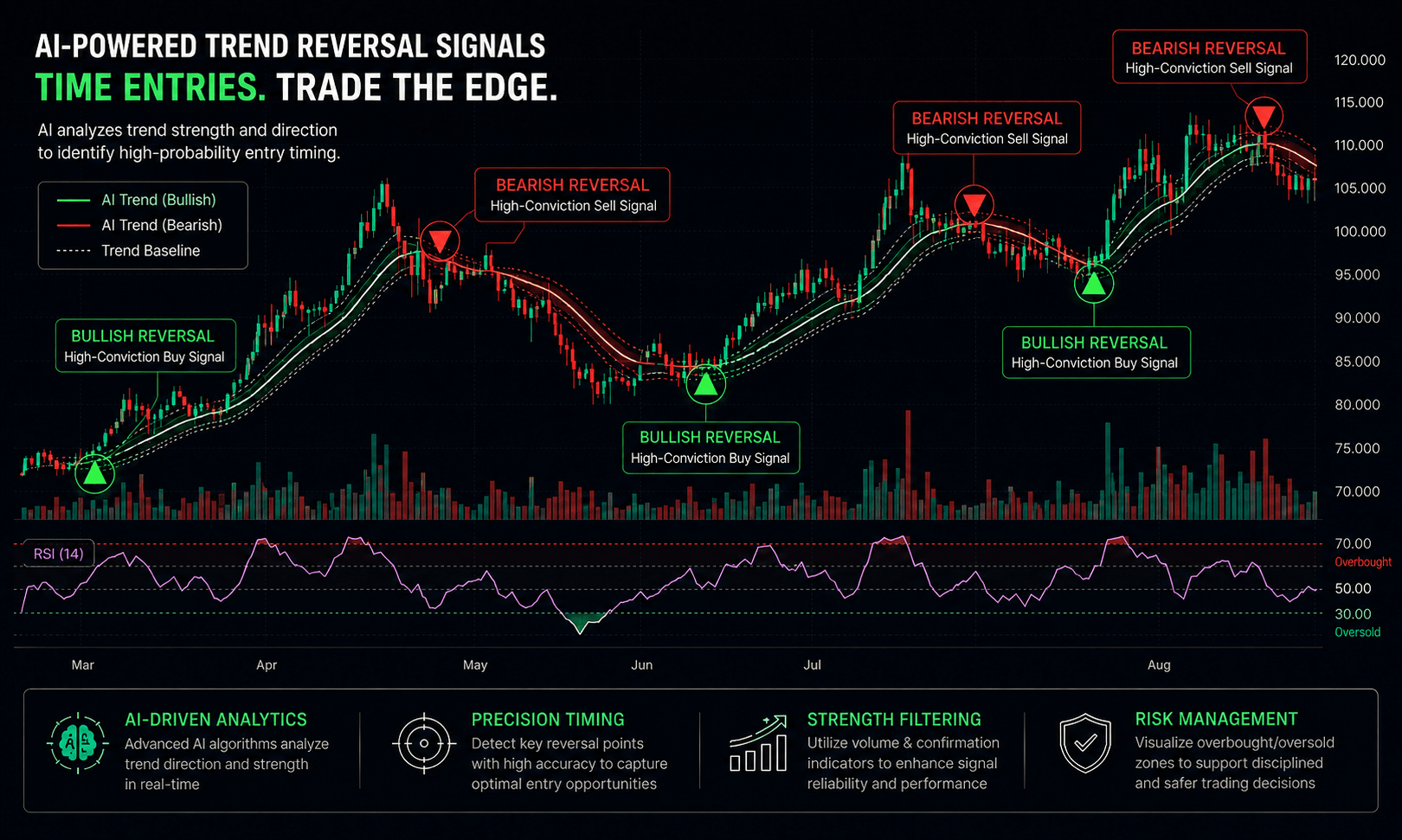
Bull Wave / Bear Wave Forecast Model
Engineered to help you read market direction and momentum faster than the crowd.
- Instantly separate bullish momentum from bearish pressure
- Pinpoint high-probability entry zones with confidence
- Chart signals clear enough for beginners, sharp enough for pros
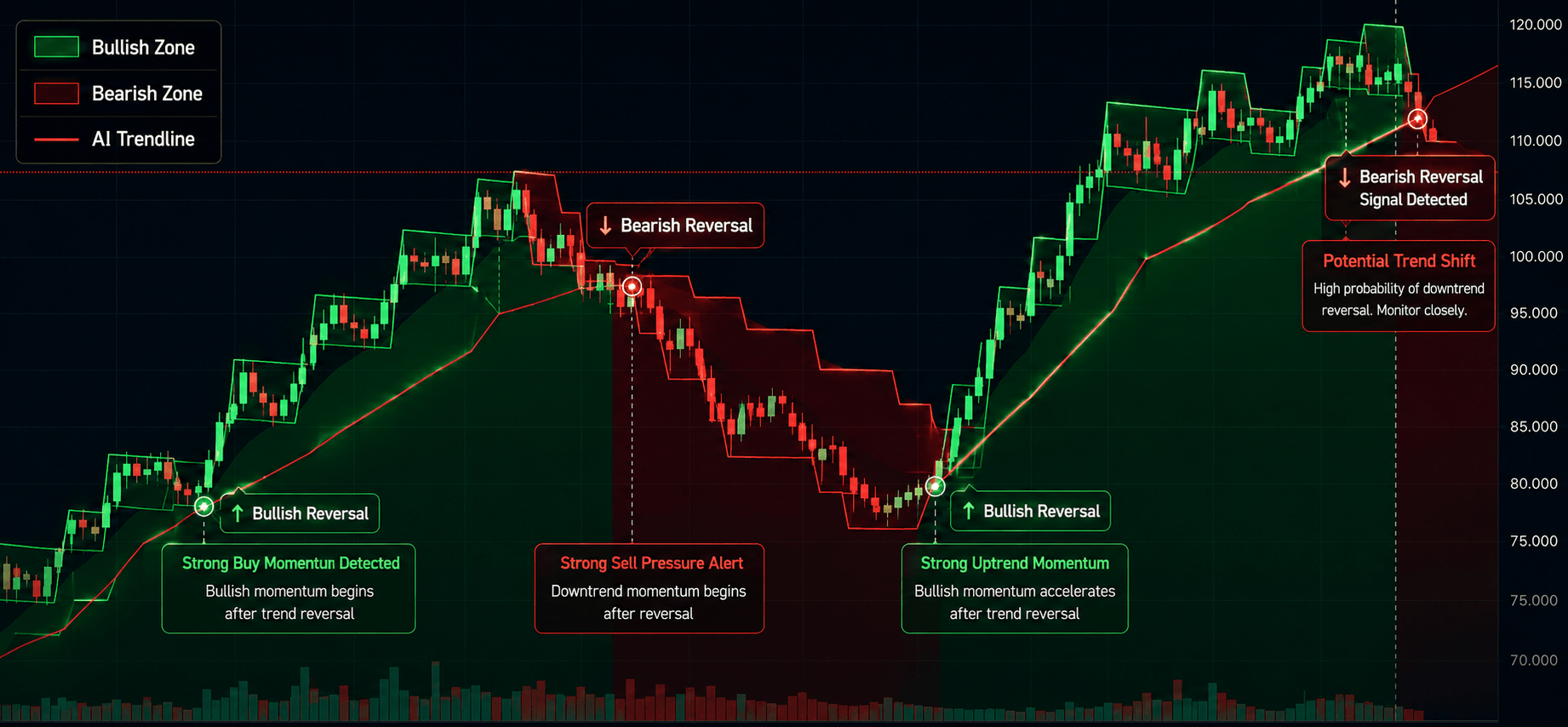
Winning Pattern Detection
Instantly surfaces the high-probability setups that repeat across the charts — a trusted edge for timing your entries and exits.
- Spot momentum building in real time
- Catch trend-reversal points before they break
- Built for active traders who need results, not theory
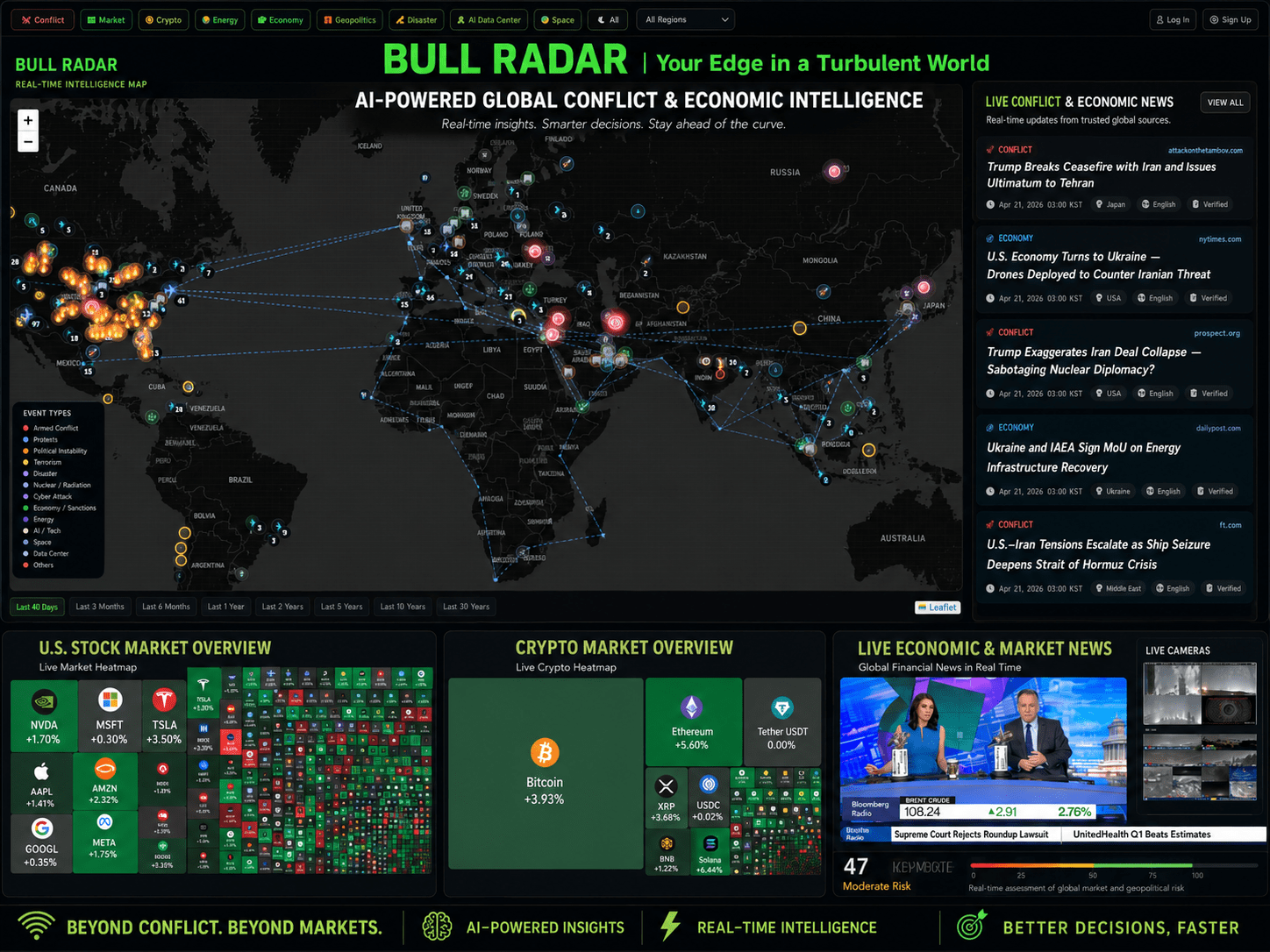
AI Live Economic Dashboard
AI analyzes real-time market data — turning complex, global investment flows into clear insight in seconds.
- Track global stock markets in real time
- See exactly which assets are strong — and which are fading
- Watch how geopolitical events move the markets
About the Author