What High-Frequency Trading Is
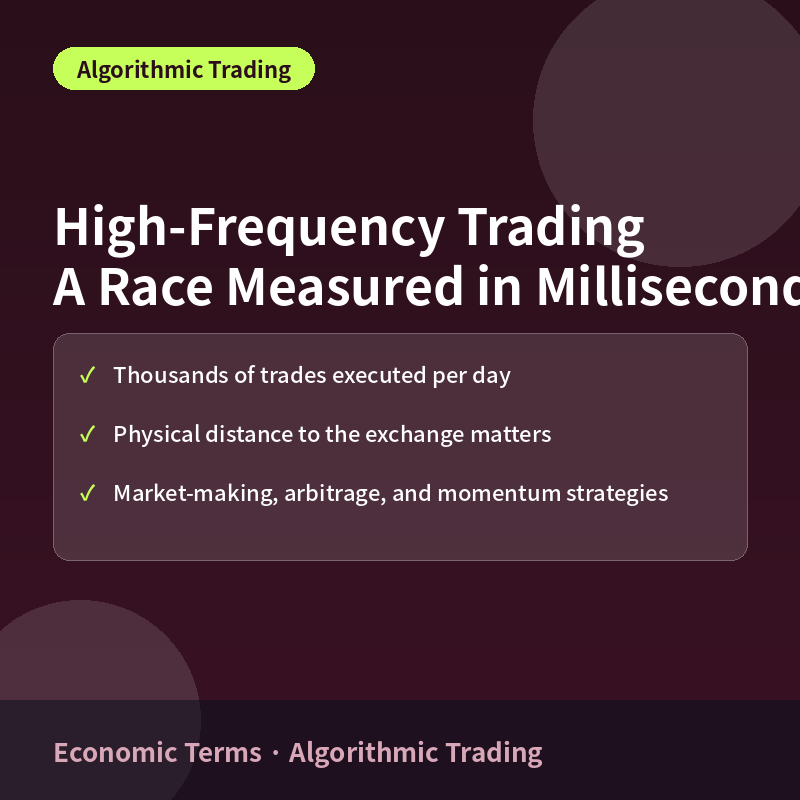
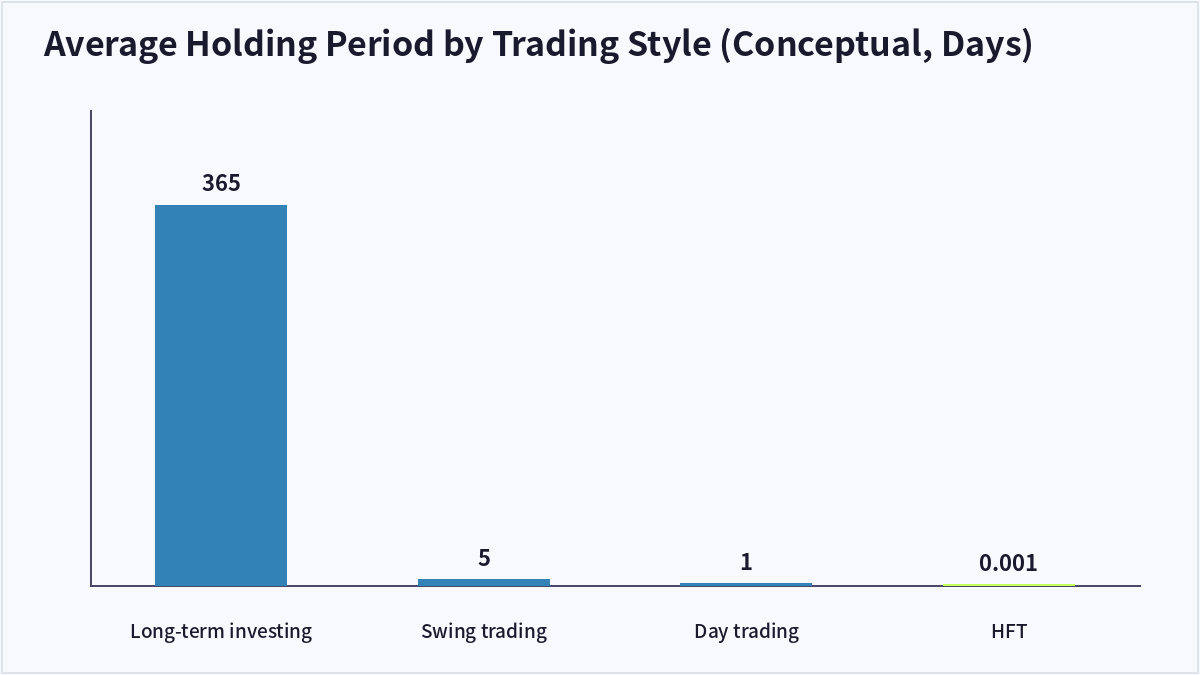
High-frequency trading (HFT) refers to algorithms that submit and cancel large volumes of orders on second, millisecond, or even microsecond timescales. Each individual trade captures only a tiny profit margin, but the strategy accumulates that edge across thousands to tens of thousands of trades per day.
Why Speed Is Decisive
HFT firms pay substantial fees for co-location — placing their own servers physically close to an exchange’s matching engine — because reacting even a few microseconds faster than competitors to newly available information can be the entire source of edge in that brief window.
Major HFT Strategy Types
| Strategy | Method | Profit Source |
|---|---|---|
| Market making | Posting both bid and ask quotes simultaneously | Capturing the spread |
| Arbitrage | Exploiting price differences for the same asset across venues | Profit as prices converge |
| Momentum ignition | Detecting the early stages of a large order’s market impact | Fast entry and exit following the move |
Effects on Retail Investors
HFT tends to narrow spreads and add liquidity, which can lower execution costs for ordinary investors — but concerns persist that during extreme volatility, algorithms can withdraw liquidity almost instantly, potentially amplifying sudden crashes such as flash crashes.
Frequently Asked Questions
Can retail investors replicate HFT strategies?
Since speed is the core edge, competing without co-location and ultra-low-latency infrastructure is effectively impossible for individuals. Understanding the mechanics, however, helps explain sudden order book changes.
Is HFT purely beneficial for markets?
In normal conditions it tends to narrow spreads and supply liquidity, but during sharp volatility spikes, simultaneous liquidity withdrawal by algorithms is cited as a risk that can accelerate a crash.
Is HFT common in every market?
Its scale varies significantly by market and asset class; it tends to be concentrated in the most liquid, electronically-traded instruments where the infrastructure investment pays off.
Are HFT and algorithmic trading the same thing?
HFT is a subset of algorithmic trading. Algorithmic trading broadly means rules-based automated execution, while HFT specifically refers to extremely short holding periods combined with ultra-fast execution.
Key Takeaways
High-frequency trading accumulates small per-trade profits into meaningful returns through a speed-driven race measured in milliseconds, adding liquidity in normal conditions while raising concerns about amplifying volatility during extreme market stress. This article is for informational purposes only and does not constitute investment advice.

QuantPro: AI Finds the Trade Before You Do
From AI-powered chart analysis to real-time market intelligence — everything a serious investor needs, in one platform.
- Automated AI chart analysis with precision trend timing
- Bull Radar: real-time visualization of geopolitical & economic shifts
- Live market-moving news and insights, curated for you
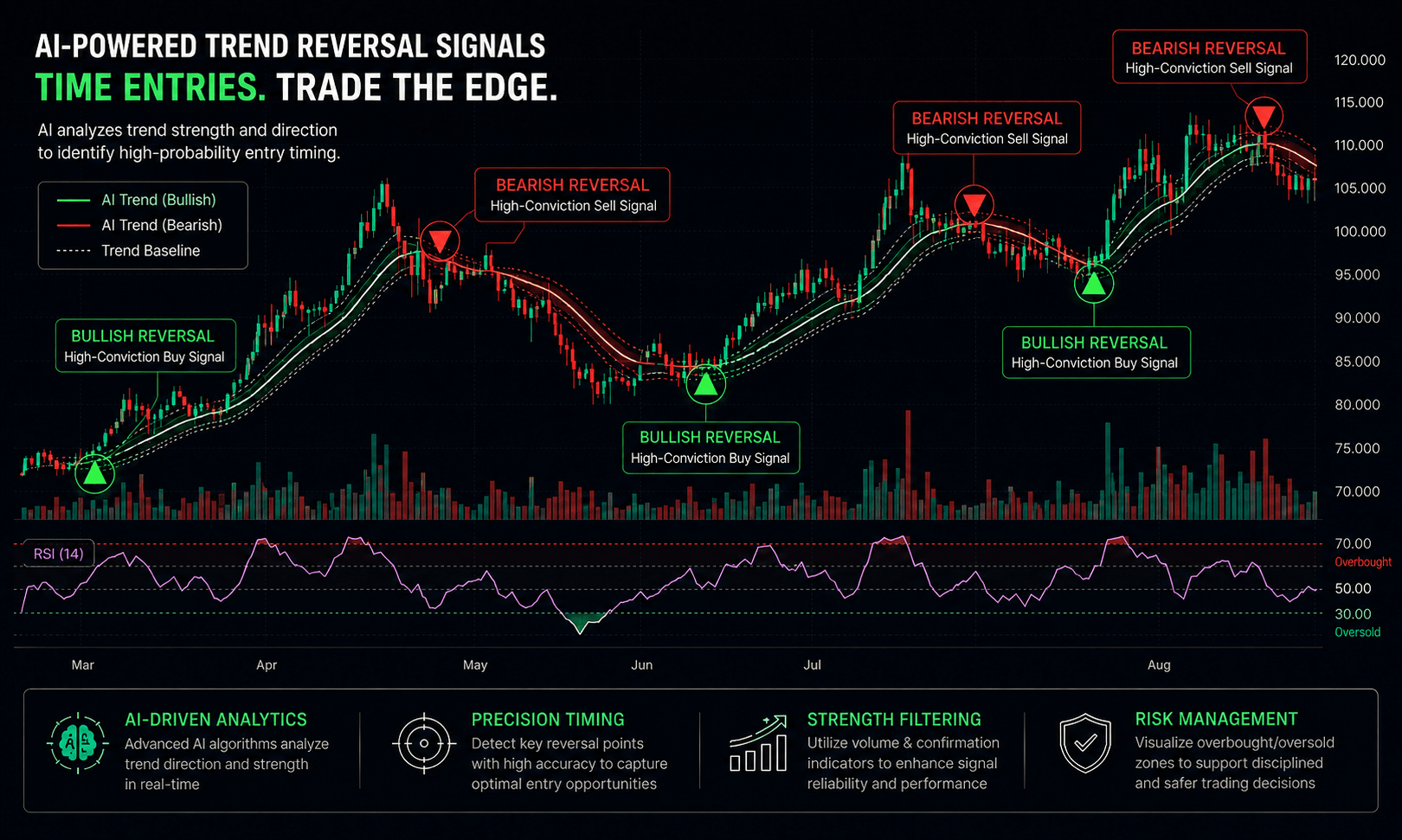
Bull Wave / Bear Wave Forecast Model
Engineered to help you read market direction and momentum faster than the crowd.
- Instantly separate bullish momentum from bearish pressure
- Pinpoint high-probability entry zones with confidence
- Chart signals clear enough for beginners, sharp enough for pros
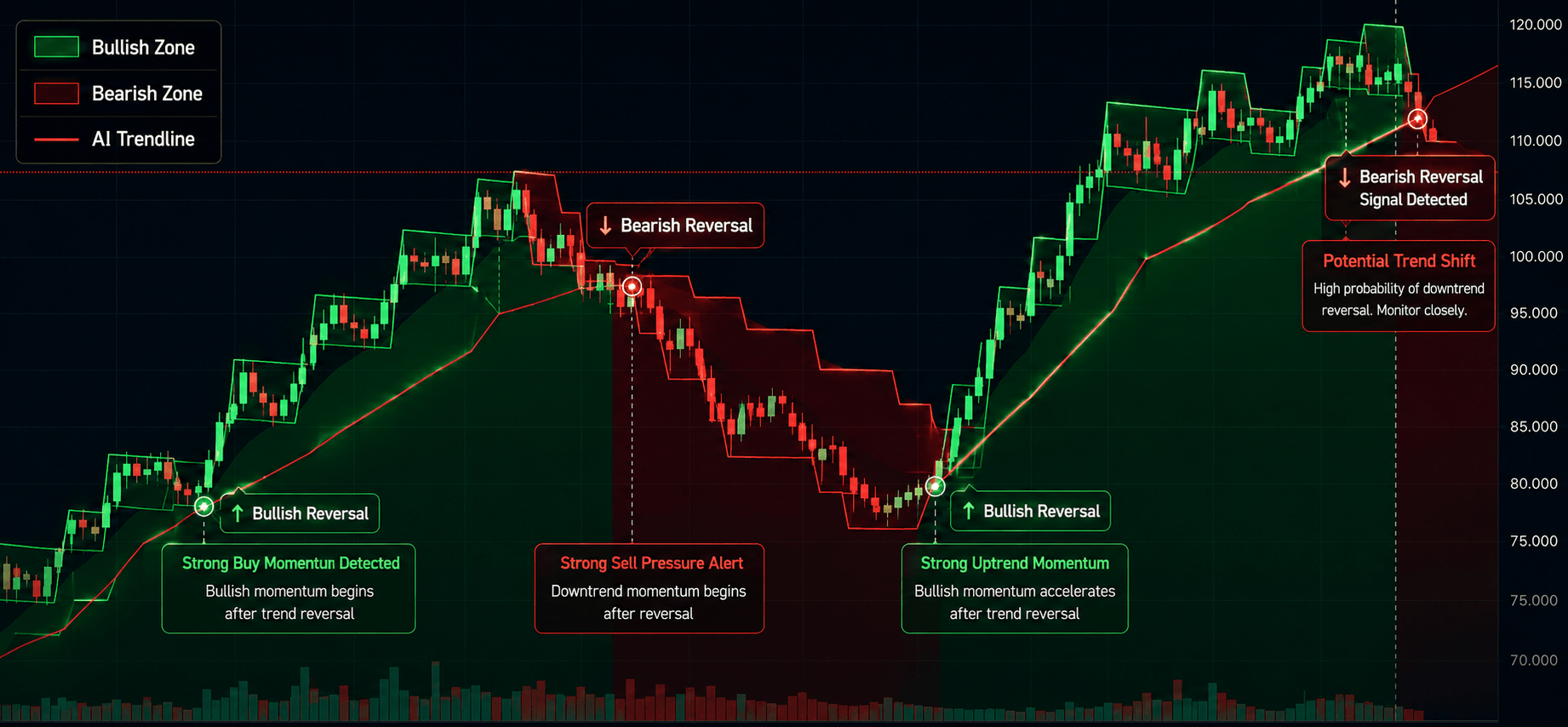
Winning Pattern Detection
Instantly surfaces the high-probability setups that repeat across the charts — a trusted edge for timing your entries and exits.
- Spot momentum building in real time
- Catch trend-reversal points before they break
- Built for active traders who need results, not theory
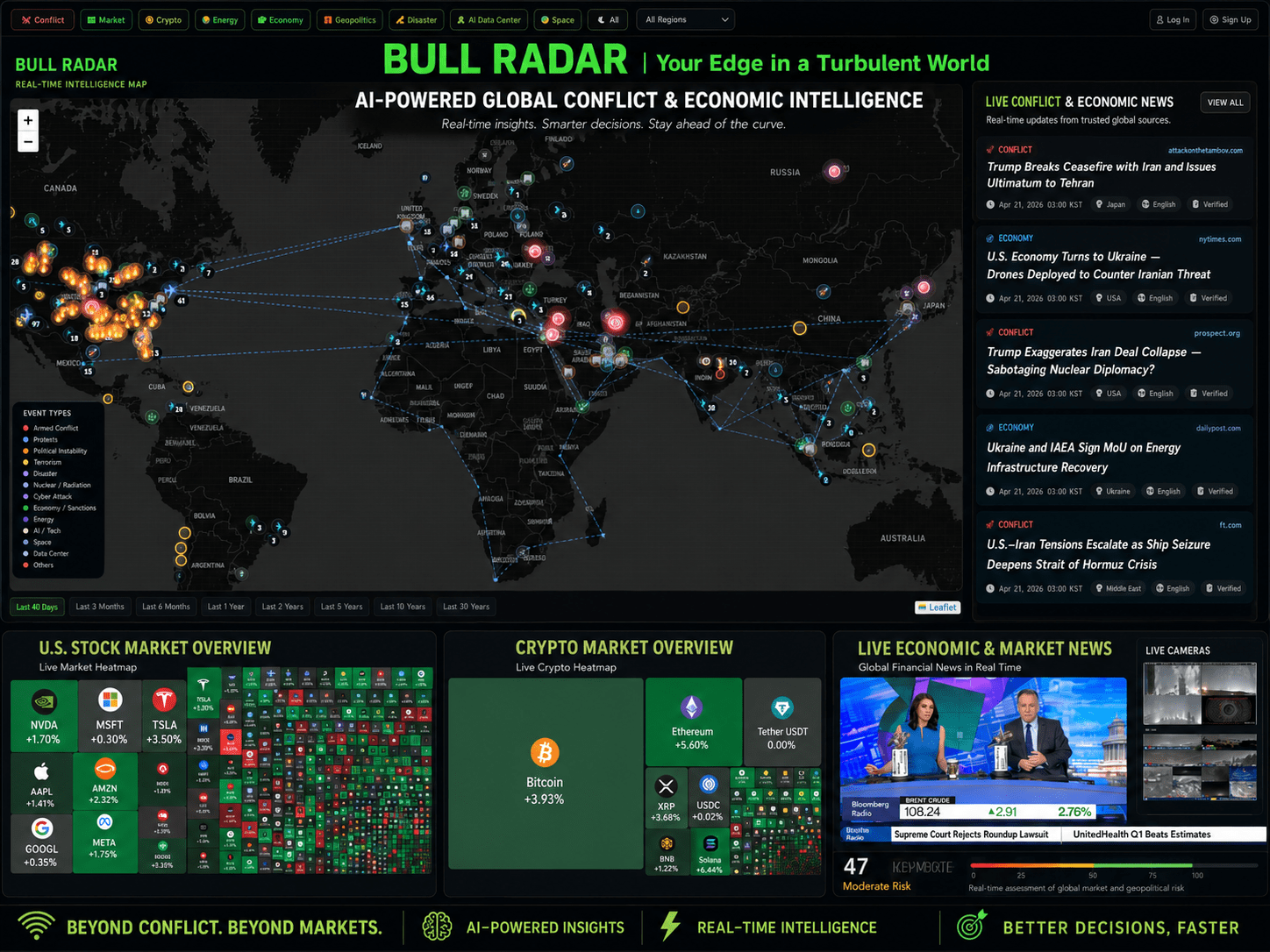
AI Live Economic Dashboard
AI analyzes real-time market data — turning complex, global investment flows into clear insight in seconds.
- Track global stock markets in real time
- See exactly which assets are strong — and which are fading
- Watch how geopolitical events move the markets
About the Author