What Market Microstructure Studies
Market microstructure examines how orders are submitted, matched, and turned into actual trades — not the big-picture direction of prices, but the mechanics happening inside the order book itself: order types, execution priority, and how liquidity gets supplied.
The Basics of a Matching Engine: Price-Time Priority
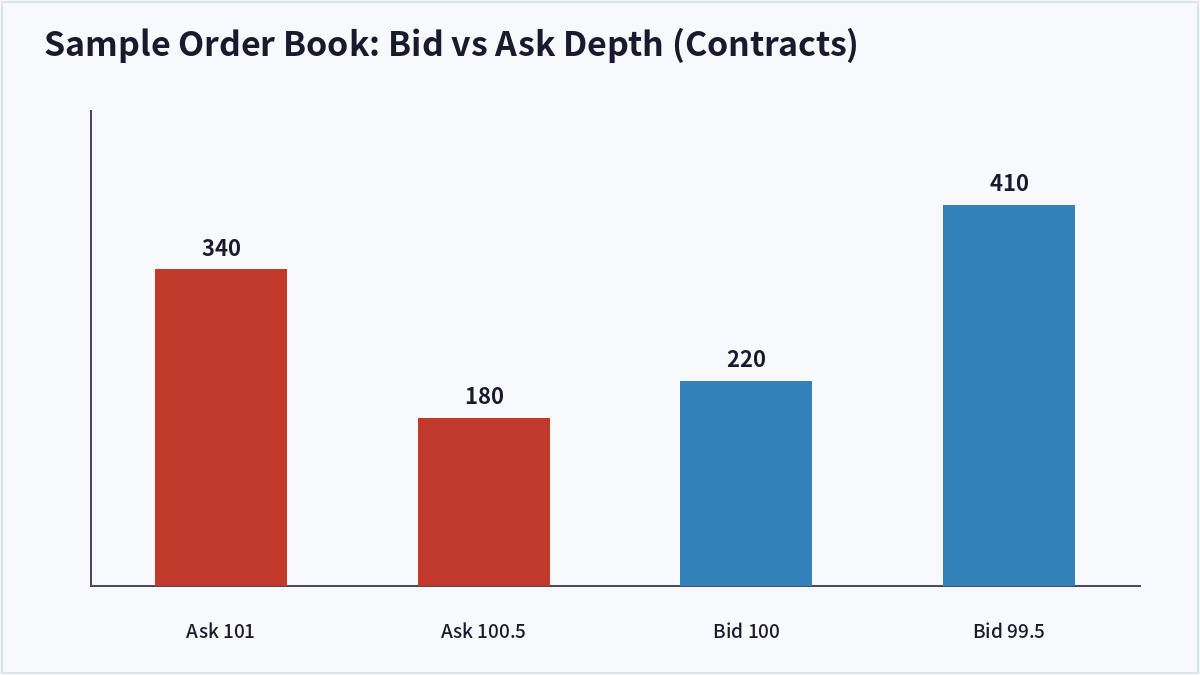
Most exchanges use price-time priority: orders at a better price execute first, and among orders at the same price, the one submitted earliest executes first. A trade occurs when the lowest ask and the highest bid meet, and the gap between those two prices is the spread.
Order Types and Their Market Impact
| Order Type | Characteristic | Market Impact |
|---|---|---|
| Market order | Executes immediately, no price specified | Crosses the spread, consumes liquidity |
| Limit order | Specifies a price and waits | Adds liquidity to the order book |
| Iceberg order | Only a portion of the total size is displayed | Reduces market impact of large orders |
Why Spreads Widen
Liquidity providers earn the spread as compensation for taking on inventory risk and adverse-selection risk. When volatility rises or trading volume falls, that risk grows, which is why spreads tend to widen — directly affecting the execution price ordinary investors receive.
Frequently Asked Questions
Why should retail investors understand market microstructure?
It explains why market orders sometimes fill at worse prices than expected and why slippage occurs on larger trades, which matters most when trading less liquid names.
Should stocks with wide spreads always be avoided?
Not necessarily, but a wide spread does mean a less favorable execution price on both buys and sells, so using limit orders becomes more important.
Why do traders use iceberg orders?
Revealing a very large order all at once can let other participants move the price unfavorably, so only a portion is shown at a time, with more released as each piece fills, to reduce market impact.
Is price-time priority used identically across all exchanges?
It’s the dominant model, but some venues use pro-rata or other priority schemes instead. Rules can vary by asset class and exchange.
Key Takeaways
Market microstructure studies how orders are matched and filled inside the order book, and understanding price-time priority, order types, and spread formation helps explain why actual execution prices can differ from what traders expect. This article is for informational purposes only and does not constitute investment advice.

QuantPro: AI Finds the Trade Before You Do
From AI-powered chart analysis to real-time market intelligence — everything a serious investor needs, in one platform.
- Automated AI chart analysis with precision trend timing
- Bull Radar: real-time visualization of geopolitical & economic shifts
- Live market-moving news and insights, curated for you
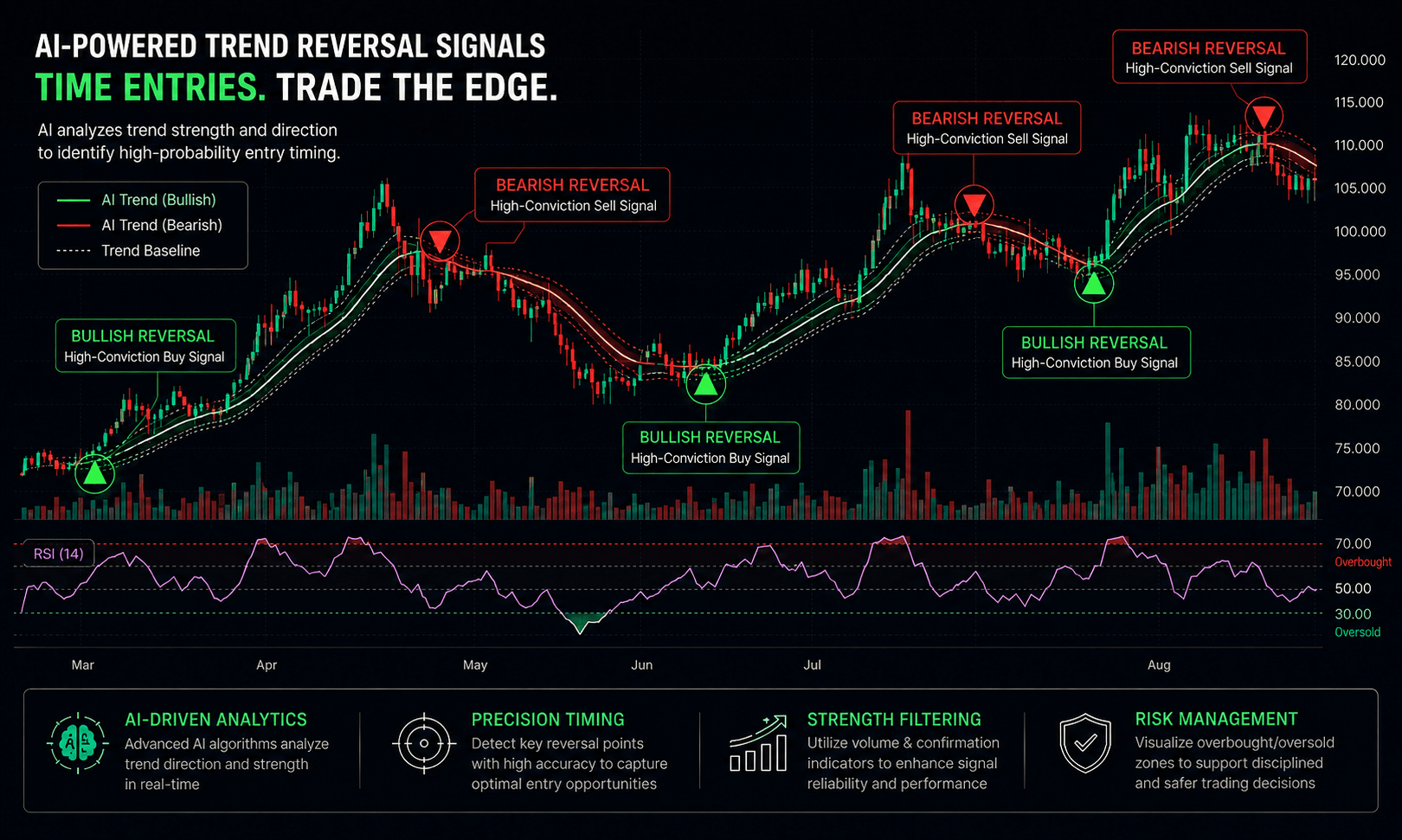
Bull Wave / Bear Wave Forecast Model
Engineered to help you read market direction and momentum faster than the crowd.
- Instantly separate bullish momentum from bearish pressure
- Pinpoint high-probability entry zones with confidence
- Chart signals clear enough for beginners, sharp enough for pros
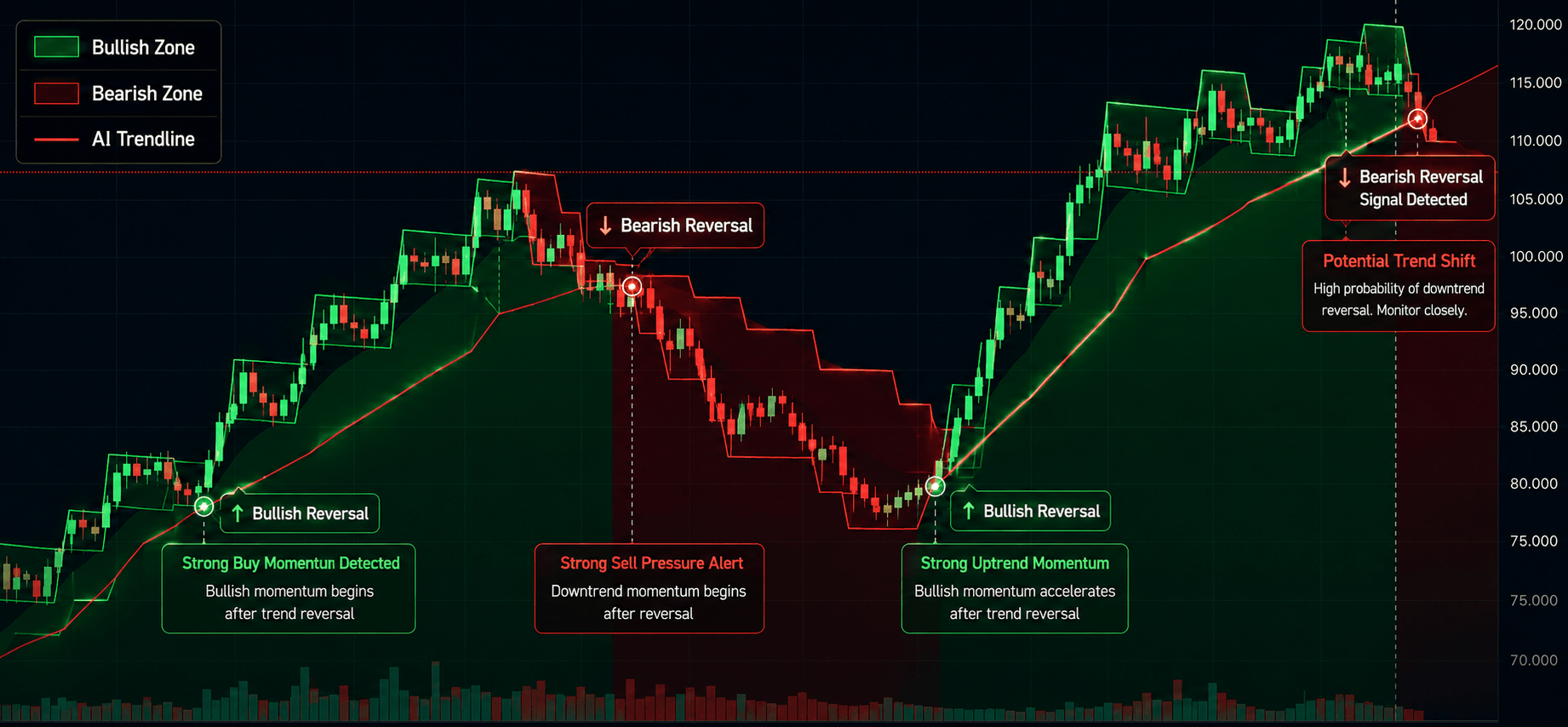
Winning Pattern Detection
Instantly surfaces the high-probability setups that repeat across the charts — a trusted edge for timing your entries and exits.
- Spot momentum building in real time
- Catch trend-reversal points before they break
- Built for active traders who need results, not theory

AI Live Economic Dashboard
AI analyzes real-time market data — turning complex, global investment flows into clear insight in seconds.
- Track global stock markets in real time
- See exactly which assets are strong — and which are fading
- Watch how geopolitical events move the markets
About the Author