What Is an Iceberg Order?
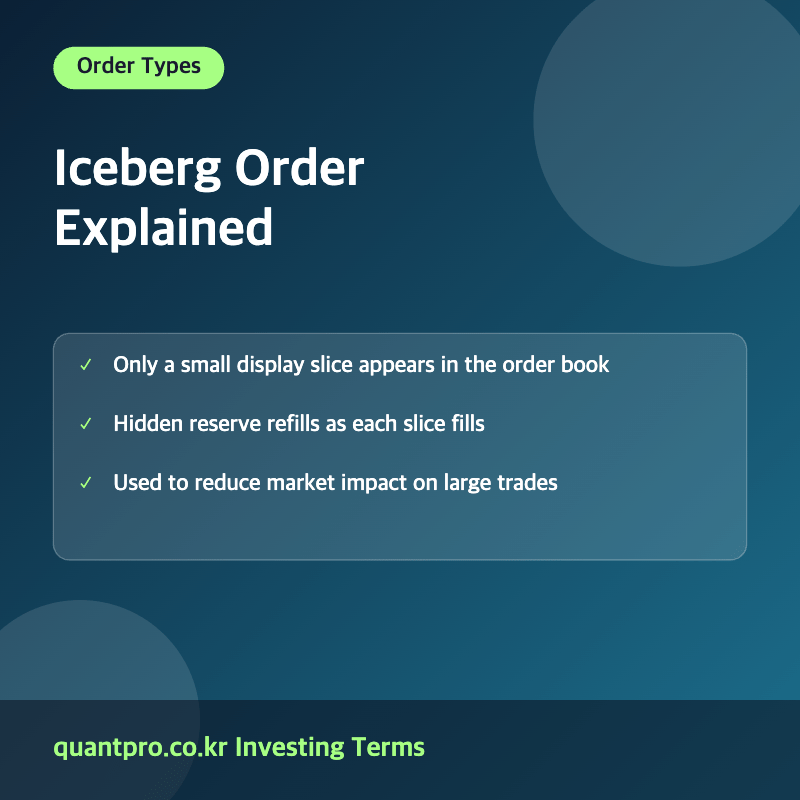
An iceberg order, also known as a reserve order, is a large order that has been split into smaller pieces so that only a portion of the total order size is visible in the public order book at any given time. The name comes from the idea that, like an iceberg, only a small part is visible above the surface while the much larger portion remains hidden beneath it.
How Iceberg Orders Work
Display Quantity and Reserve Quantity
When placing an iceberg order, a trader specifies both the total order size and a smaller “display quantity” that will be shown in the order book. As the visible portion is filled by matching trades, a new slice of the same display size is automatically released from the hidden reserve until the entire order is executed.
A Worked Example
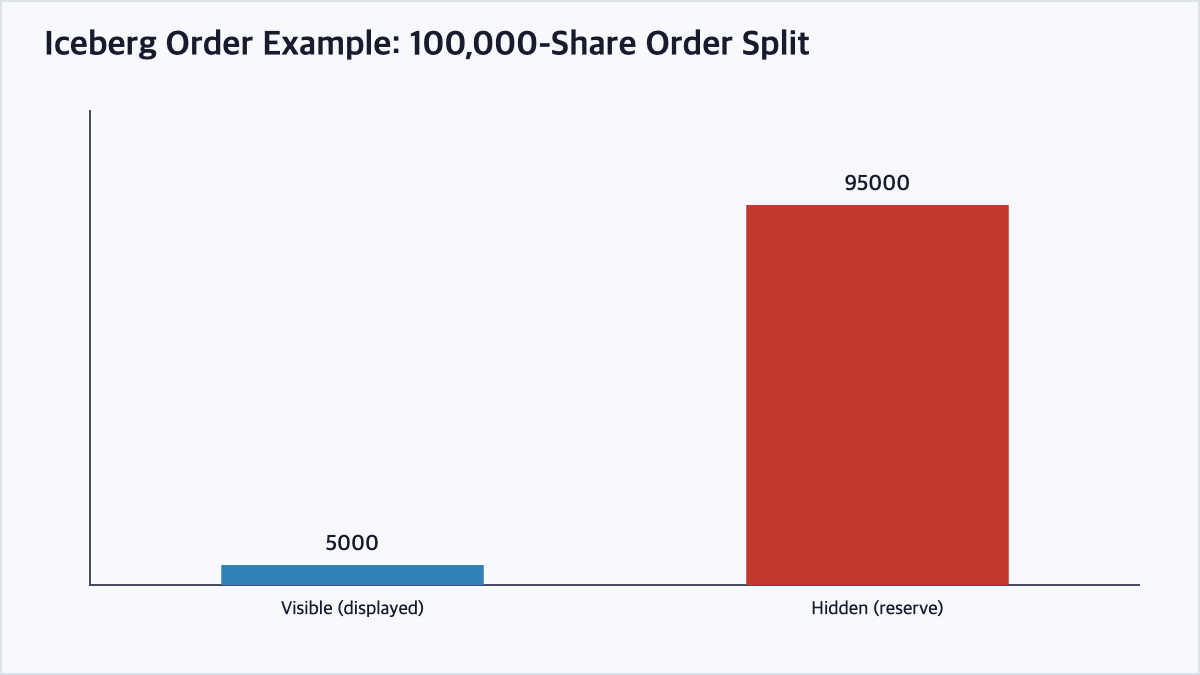
Suppose an institutional investor wants to buy 100,000 shares of a stock but doesn’t want the market to see a single large 100,000-share order, which could push the price up before the order is filled. By placing an iceberg order with a display quantity of 5,000 shares, only 5,000 shares appear in the order book at a time. As that slice executes, another 5,000-share slice appears, and this continues until the full 100,000 shares have been bought.
Why Institutional Investors Use Iceberg Orders
Large, visible orders can signal strong buying or selling intent to the rest of the market, sometimes causing other participants to trade ahead of the order and push the price in an unfavorable direction. By concealing the true size of the order, iceberg orders help institutional investors manage large positions with less market impact.
Iceberg Order vs Regular Limit Order
| Feature | Iceberg Order | Regular Limit Order |
|---|---|---|
| Visible size | Only a small display quantity | Full order size |
| Market impact | Reduced, since size is concealed | Can be higher for large orders |
| Typical user | Institutional investors, large traders | Retail and institutional investors |
| Execution priority | Displayed slice keeps time priority; each new slice re-queues | Full order keeps original time priority |
Things to Keep in Mind
While iceberg orders hide the full order size, they don’t guarantee complete anonymity — sophisticated market participants can sometimes detect repeated refills at the same price level and infer that a larger hidden order is present. Additionally, each new displayed slice typically loses its original time priority in the order queue, which can affect how quickly it gets filled compared to a fully visible order placed earlier.
Frequently Asked Questions
Why do traders use iceberg orders?
Traders use iceberg orders to execute large positions without revealing the full size of their order to the market, which helps minimize the price impact that a visibly large order could cause and reduces the risk of other traders front-running the position.
How is the display quantity determined?
The trader placing the iceberg order chooses the display quantity — the portion visible in the order book at any time — based on factors like the stock’s typical trading volume, so the visible slice looks similar in size to normal market orders.
Can other traders detect an iceberg order?
While the hidden portion isn’t directly visible, sophisticated traders and algorithms can sometimes infer the presence of an iceberg order by observing that the same price level keeps refilling with a similar-sized order after each execution.
Are iceberg orders available to individual retail investors?
Some brokers do offer iceberg or reserve order types to retail clients, though they are used far more commonly by institutional investors executing large block trades.
Key Takeaways
An iceberg order lets a trader execute a large position by displaying only a small visible slice of the total order in the market, with the rest hidden and released incrementally as each slice fills. This approach helps reduce market impact and conceal trading intentions, and is a common tool among institutional investors managing large block trades. This article is for informational purposes only and does not constitute investment advice.

QuantPro: AI Finds the Trade Before You Do
From AI-powered chart analysis to real-time market intelligence — everything a serious investor needs, in one platform.
- Automated AI chart analysis with precision trend timing
- Bull Radar: real-time visualization of geopolitical & economic shifts
- Live market-moving news and insights, curated for you
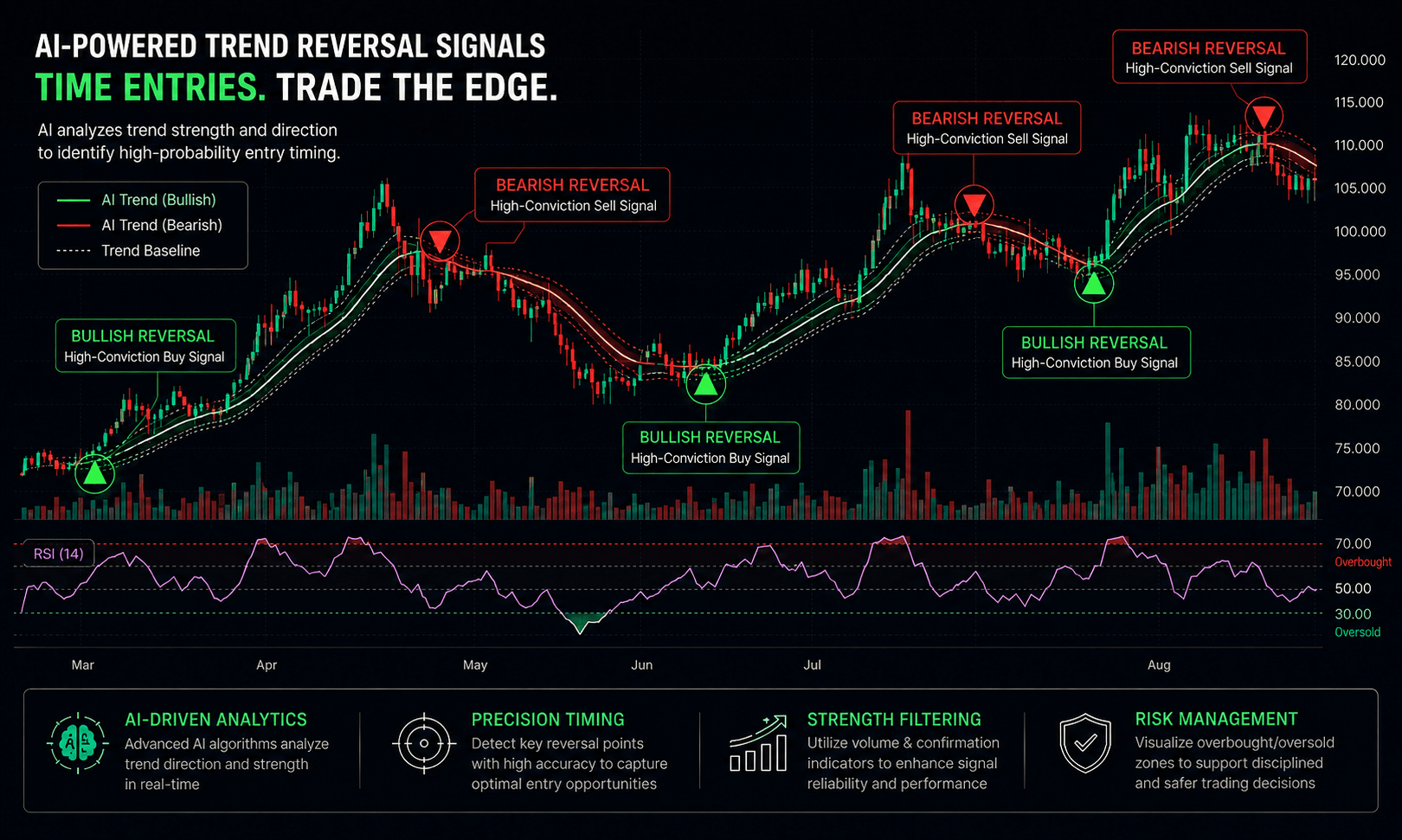
Bull Wave / Bear Wave Forecast Model
Engineered to help you read market direction and momentum faster than the crowd.
- Instantly separate bullish momentum from bearish pressure
- Pinpoint high-probability entry zones with confidence
- Chart signals clear enough for beginners, sharp enough for pros
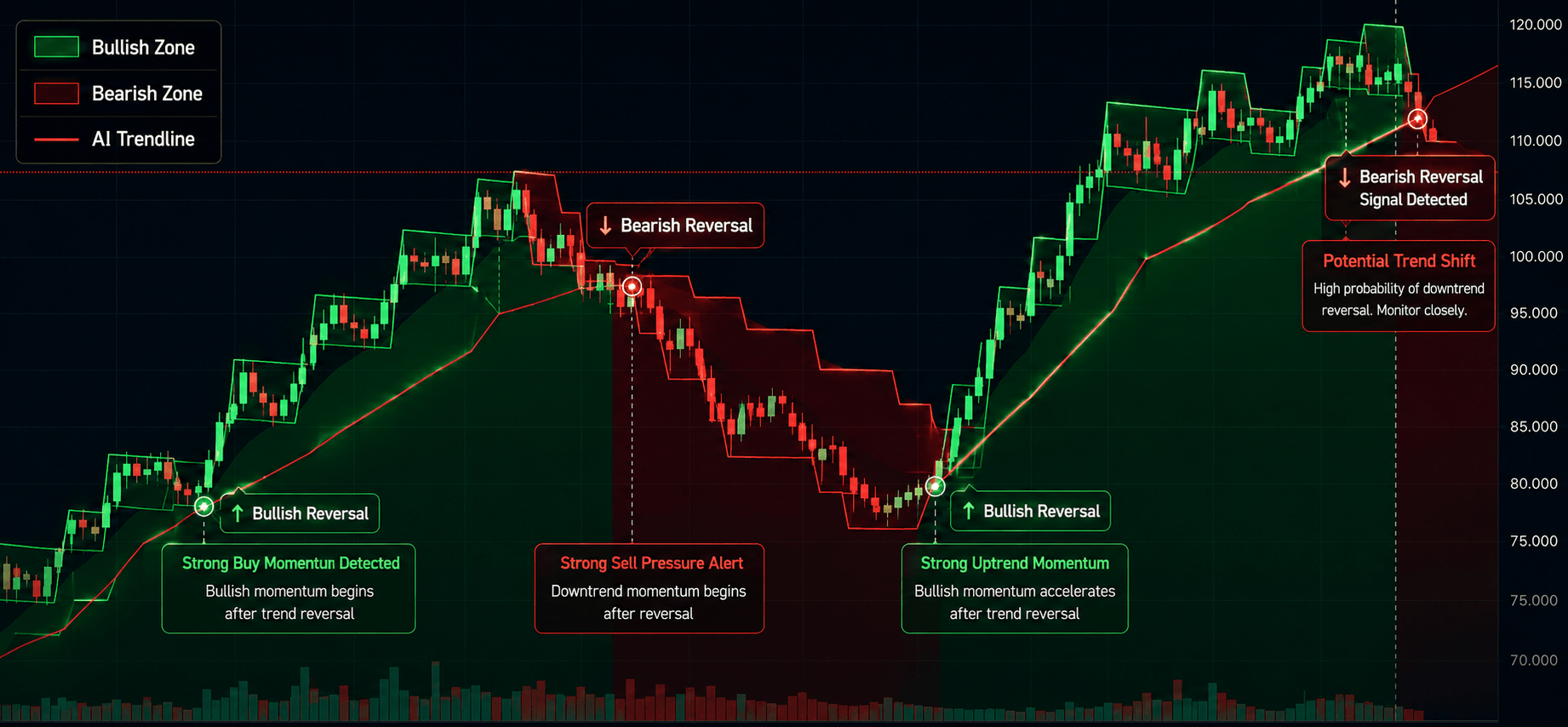
Winning Pattern Detection
Instantly surfaces the high-probability setups that repeat across the charts — a trusted edge for timing your entries and exits.
- Spot momentum building in real time
- Catch trend-reversal points before they break
- Built for active traders who need results, not theory
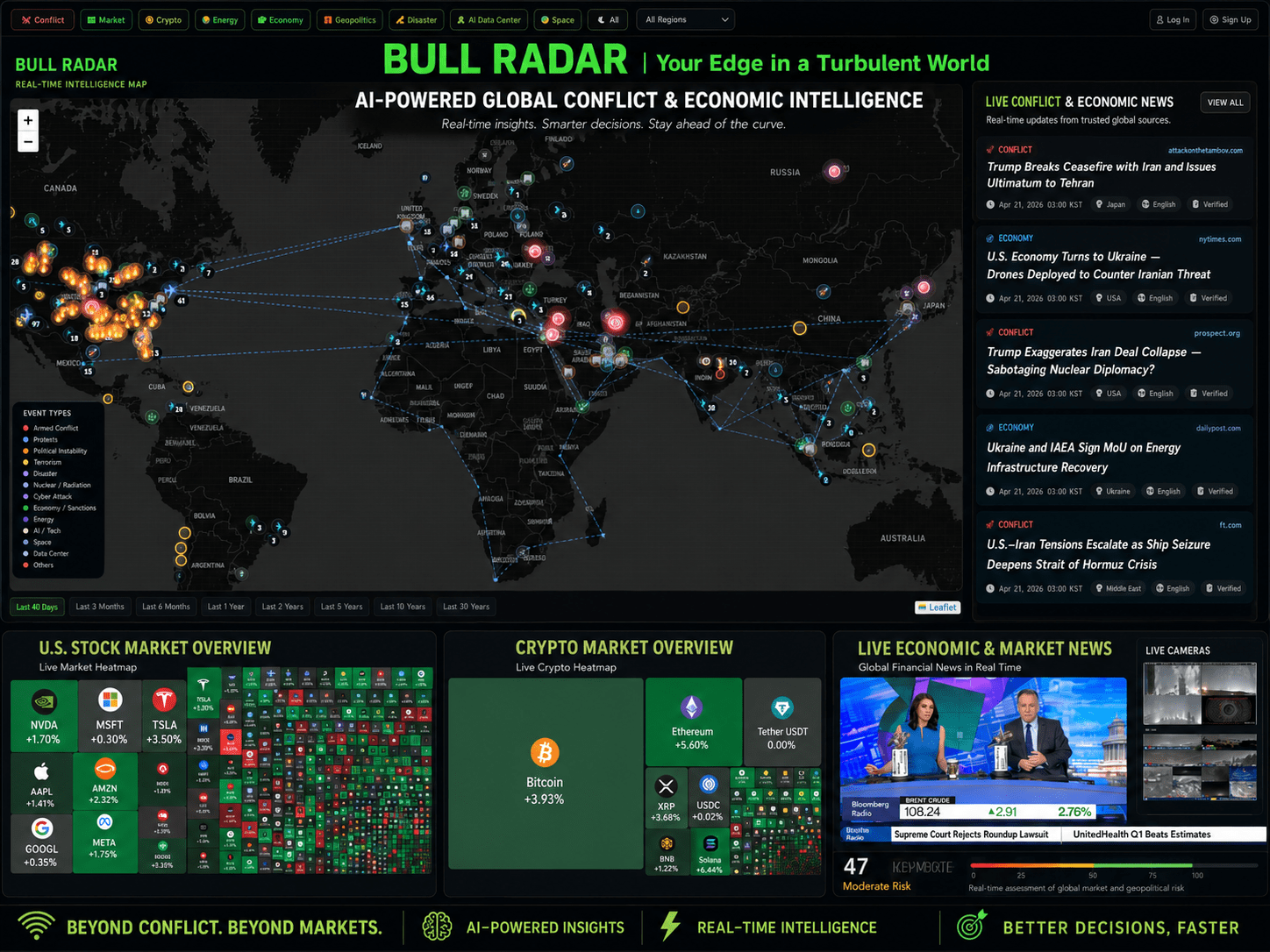
AI Live Economic Dashboard
AI analyzes real-time market data — turning complex, global investment flows into clear insight in seconds.
- Track global stock markets in real time
- See exactly which assets are strong — and which are fading
- Watch how geopolitical events move the markets
About the Author