What Is Inflation and Purchasing Power?
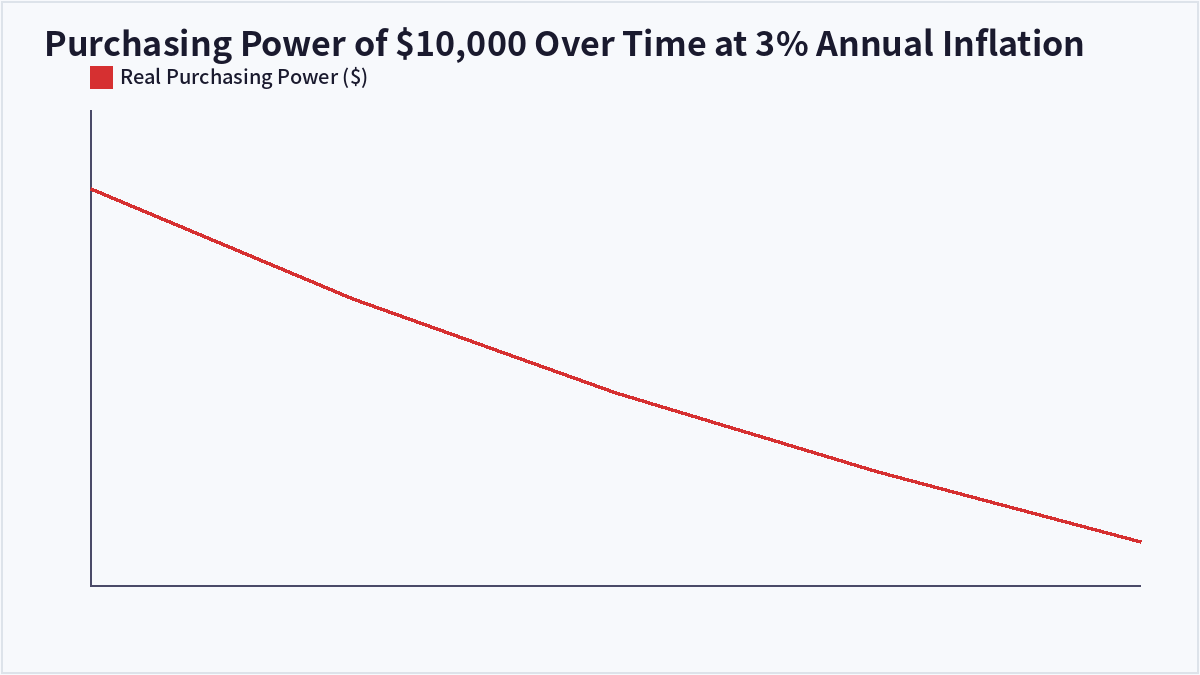
Inflation refers to the general, sustained increase in prices for goods and services across an economy over time. As inflation rises, each unit of currency buys fewer goods and services than it did before — a decline known as a loss of purchasing power. This means that a fixed sum of money set aside today will, in real terms, be able to purchase progressively less in the future, even if the nominal dollar amount never changes.
How Inflation Is Measured
Most countries track inflation using a Consumer Price Index (CPI), which measures the average price change over time for a representative ‘basket’ of goods and services commonly purchased by households — including food, housing, transportation, and healthcare. The percentage change in this index from one period to another is the headline inflation rate most commonly reported and discussed in financial news.
Protecting Purchasing Power
Cash Savings Are Particularly Vulnerable
Money held in low-yielding savings accounts or as physical cash typically fails to keep pace with inflation, meaning its real value steadily erodes the longer it sits idle without earning a return that at least matches the inflation rate.
Assets That Have Historically Outpaced Inflation
Over long time horizons, assets like equities, real estate, and inflation-protected securities (such as TIPS in the U.S.) have historically shown a tendency to grow at rates that outpace inflation, though none of these come without their own distinct risks.
| Asset Type | Historical Inflation Sensitivity | Consideration |
|---|---|---|
| Cash / Savings | Highly vulnerable to erosion | Low or no yield to offset inflation |
| Stocks | Historically outpaces inflation long-term | Higher short-term volatility |
| Inflation-Protected Bonds | Directly indexed to inflation | Lower yield potential than stocks |
Frequently Asked Questions
What’s considered a healthy inflation rate?
Most major central banks, including the U.S. Federal Reserve, target an inflation rate of around 2% annually, viewed as consistent with healthy economic growth without excessive erosion of purchasing power.
Can inflation ever be negative?
Yes, this is called deflation, where prices generally fall over time — while it might sound beneficial for consumers, deflation is often associated with weak economic demand and can create its own significant economic challenges.
How does inflation affect interest rates?
Central banks typically raise interest rates in response to rising inflation to cool economic activity and demand, while they may lower rates when inflation is low to stimulate borrowing and spending.
Does everyone experience the same inflation rate?
Not exactly — the official CPI reflects an average basket of goods, but individual households experience inflation differently depending on their specific spending patterns, such as how much they spend on housing, healthcare, or transportation.
Key Takeaways
Inflation steadily erodes the purchasing power of money over time, meaning the same dollar amount buys less in the future. Protecting long-term savings from this erosion often requires holding assets that have historically grown at rates faster than inflation, rather than relying solely on cash. This article is for informational purposes only and does not constitute investment advice.

QuantPro: AI Finds the Trade Before You Do
From AI-powered chart analysis to real-time market intelligence — everything a serious investor needs, in one platform.
- Automated AI chart analysis with precision trend timing
- Bull Radar: real-time visualization of geopolitical & economic shifts
- Live market-moving news and insights, curated for you
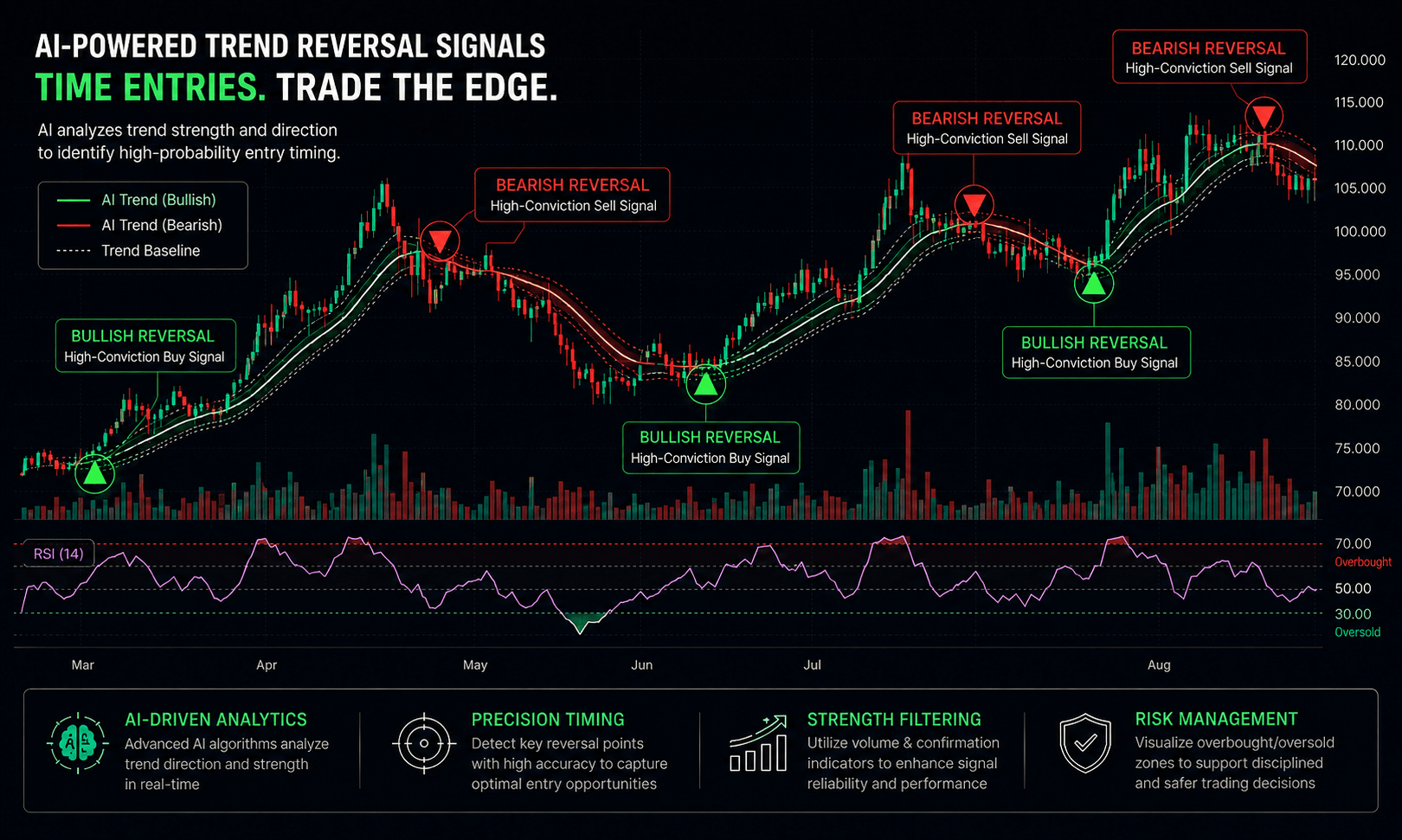
Bull Wave / Bear Wave Forecast Model
Engineered to help you read market direction and momentum faster than the crowd.
- Instantly separate bullish momentum from bearish pressure
- Pinpoint high-probability entry zones with confidence
- Chart signals clear enough for beginners, sharp enough for pros
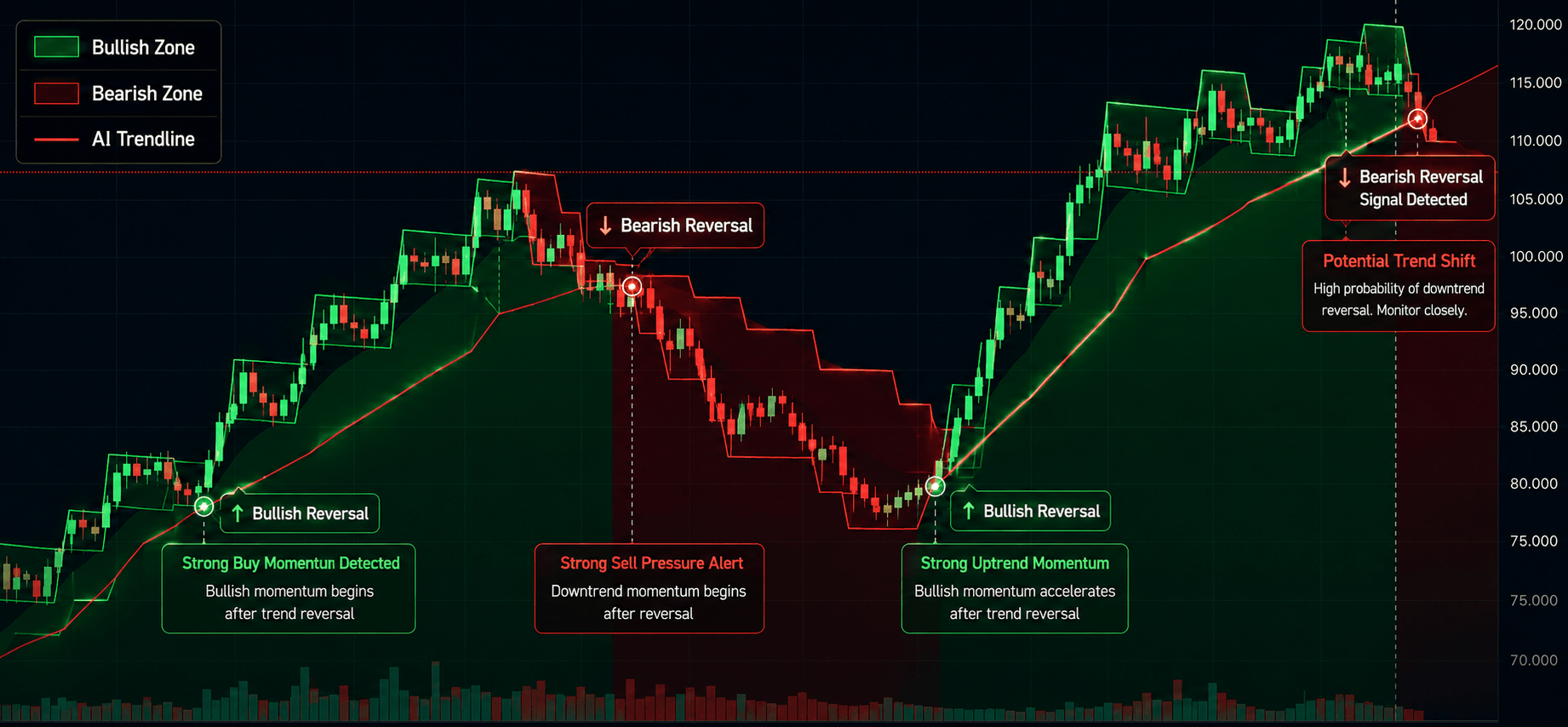
Winning Pattern Detection
Instantly surfaces the high-probability setups that repeat across the charts — a trusted edge for timing your entries and exits.
- Spot momentum building in real time
- Catch trend-reversal points before they break
- Built for active traders who need results, not theory
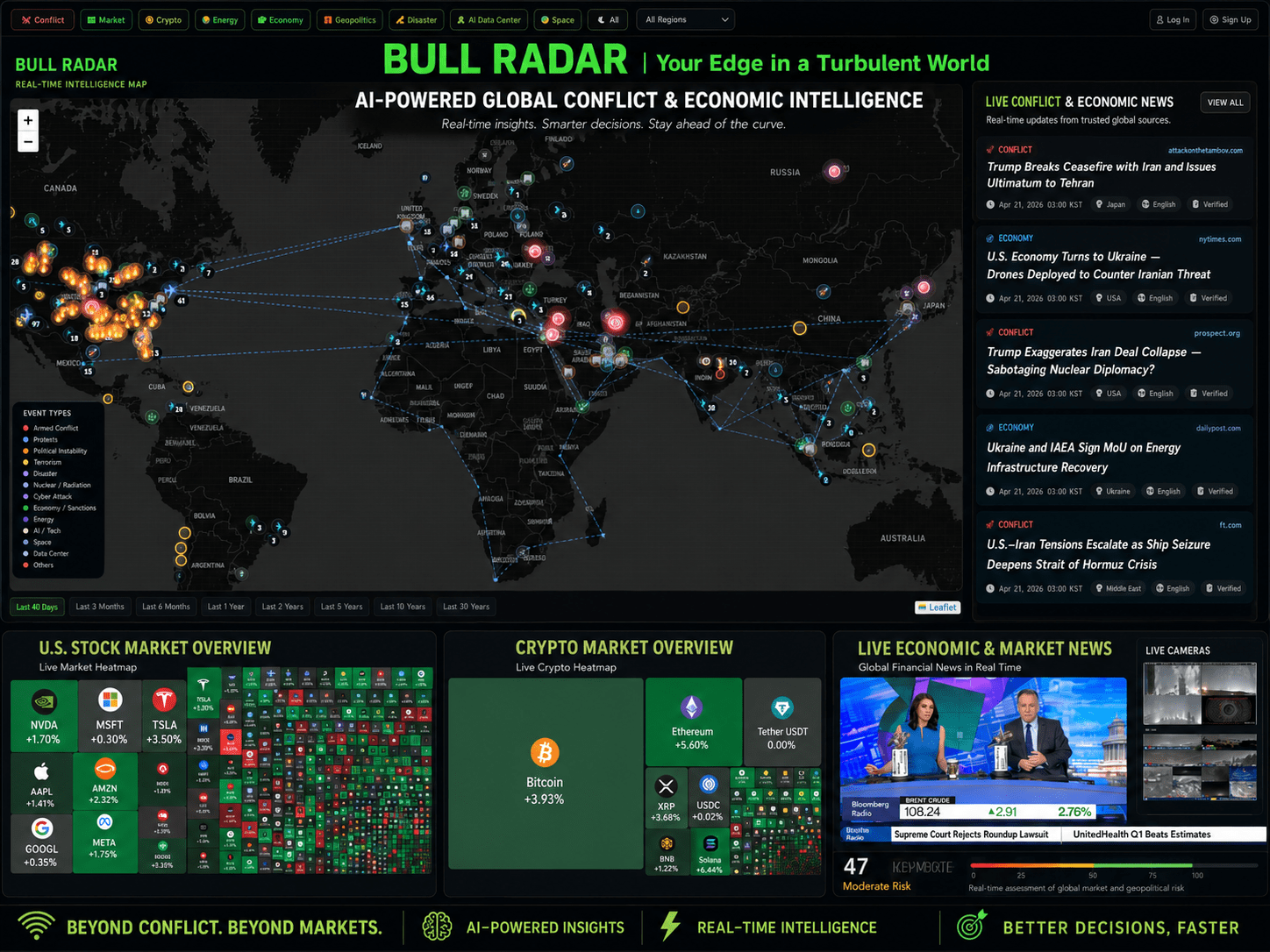
AI Live Economic Dashboard
AI analyzes real-time market data — turning complex, global investment flows into clear insight in seconds.
- Track global stock markets in real time
- See exactly which assets are strong — and which are fading
- Watch how geopolitical events move the markets
About the Author