What Is an IPO?
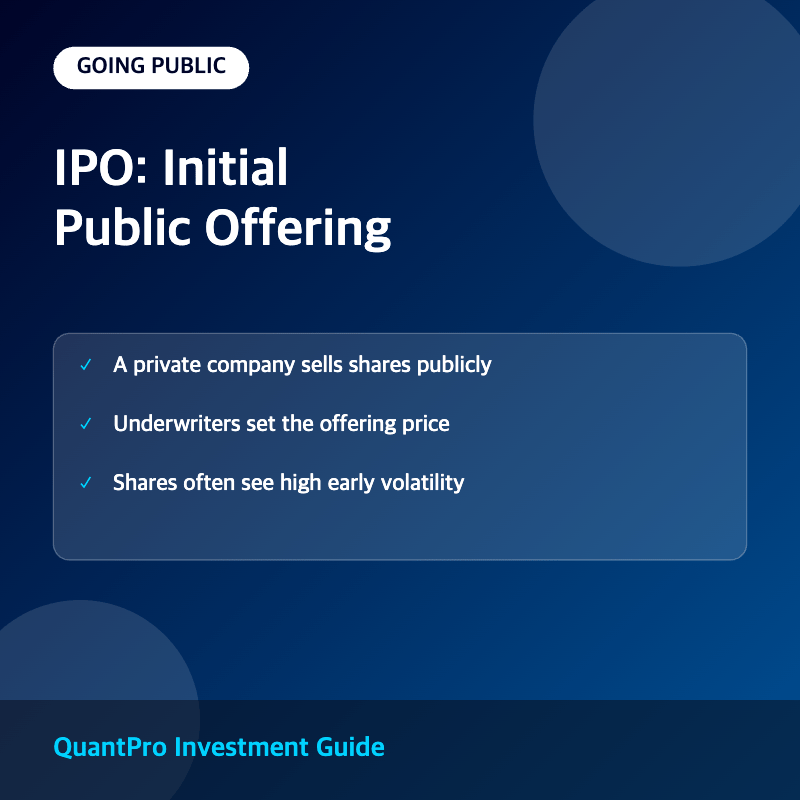
An initial public offering (IPO) is the process by which a privately held company offers shares to the public for the first time, converting from private to public ownership and allowing shares to be traded on a stock exchange.
Why Companies Go Public
Companies pursue an IPO primarily to raise capital for growth, pay down debt, or provide liquidity for early investors and employees. Going public also raises a company’s public profile and can make it easier to complete future acquisitions using stock.
The IPO Process, Step by Step
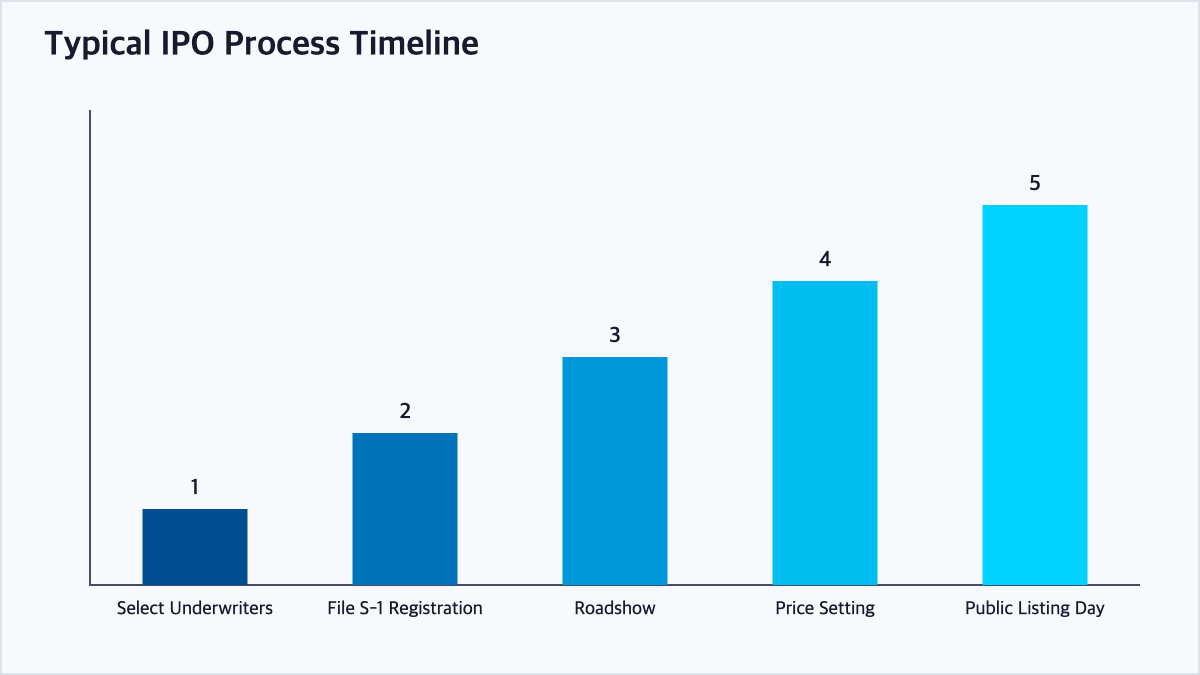
The Role of Underwriters
Investment banks act as underwriters, helping the company determine an appropriate offering price, drafting the prospectus (S-1 registration statement), marketing the offering to institutional investors during a roadshow, and often guaranteeing the sale of shares.
IPO Risks and Considerations
| Consideration | Description |
|---|---|
| Price Volatility | IPO stocks often experience large price swings in early trading |
| Limited Track Record | Newly public companies have less historical financial data |
| Lock-Up Periods | Insiders are typically restricted from selling shares for 90-180 days |
| Overvaluation Risk | Hype can push initial prices above sustainable long-term value |
| Information Asymmetry | Institutional investors often have better access to company details |
What Is a Lock-Up Period?
A lock-up period is a contractual restriction, typically lasting 90 to 180 days after the IPO, that prevents company insiders and early investors from selling their shares, designed to prevent an immediate flood of selling pressure on the stock.
Frequently Asked Questions
How is the IPO price determined?
The IPO price is set by the company and its underwriters based on factors including the company’s financials, growth prospects, comparable public companies, and investor demand gauged during the roadshow.
Is it risky to buy shares right after an IPO?
Yes, newly public stocks often experience significant price volatility in the days and weeks following listing, driven by limited trading history, hype, and the eventual expiration of the lock-up period.
What happens when the lock-up period ends?
When the lock-up period expires, insiders and early investors become free to sell their shares, which can increase the supply of available stock and sometimes puts downward pressure on the price.
Can retail investors buy shares at the IPO price?
Access to shares at the official IPO price is typically limited to institutional investors and select brokerage clients; most retail investors buy shares once trading begins on the open market, often at a different price.
Key Takeaways
An IPO marks a company’s transition from private to public ownership, allowing it to raise capital by selling shares to public investors through a structured process involving underwriters, regulatory filings, and a roadshow. IPO stocks often carry higher volatility and risk in their early trading period, making careful research important before investing. This article is for informational purposes only and does not constitute investment advice.
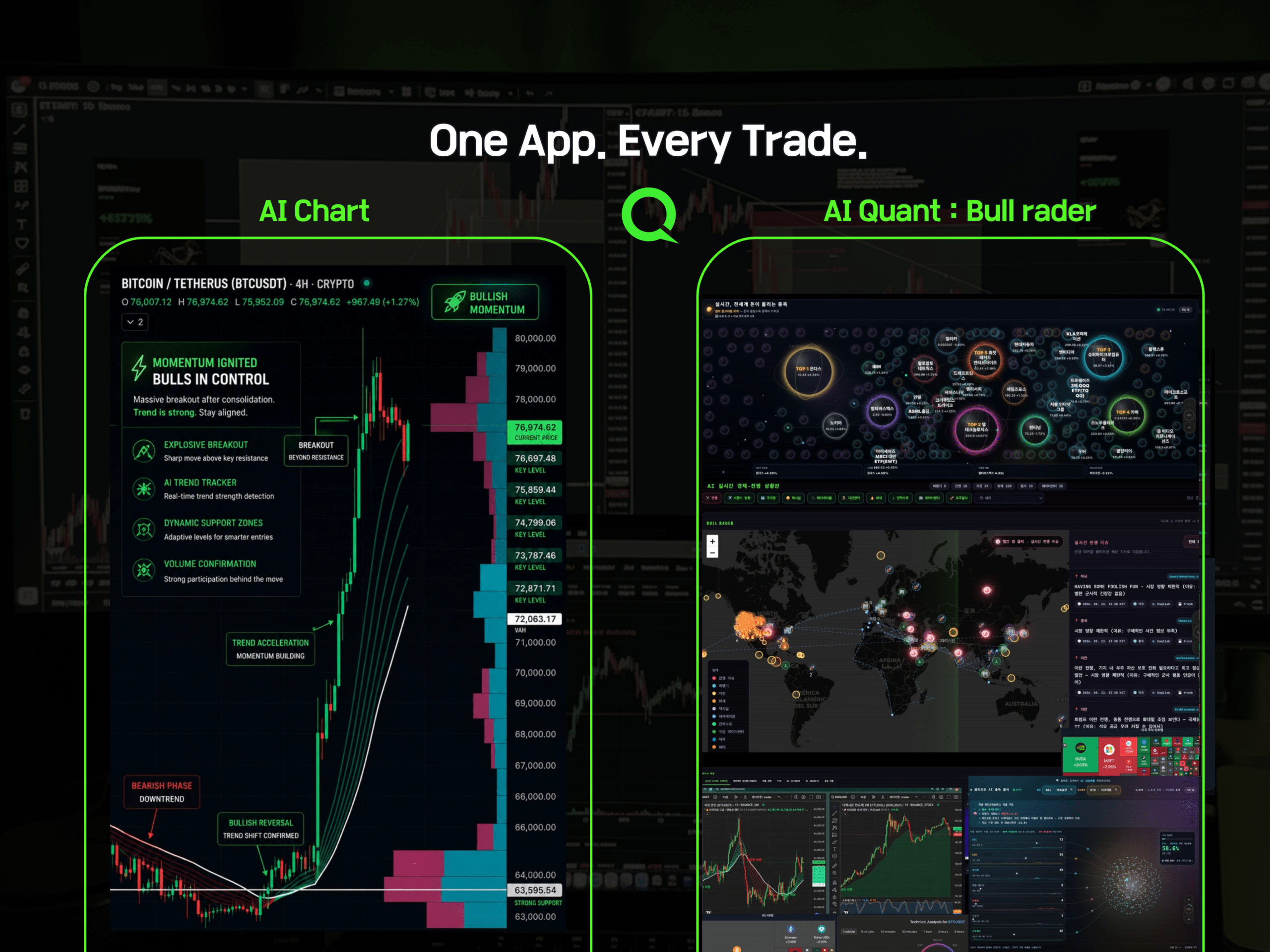
QuantPro: AI Finds the Trade Before You Do
From AI-powered chart analysis to real-time market intelligence — everything a serious investor needs, in one platform.
- Automated AI chart analysis with precision trend timing
- Bull Radar: real-time visualization of geopolitical & economic shifts
- Live market-moving news and insights, curated for you
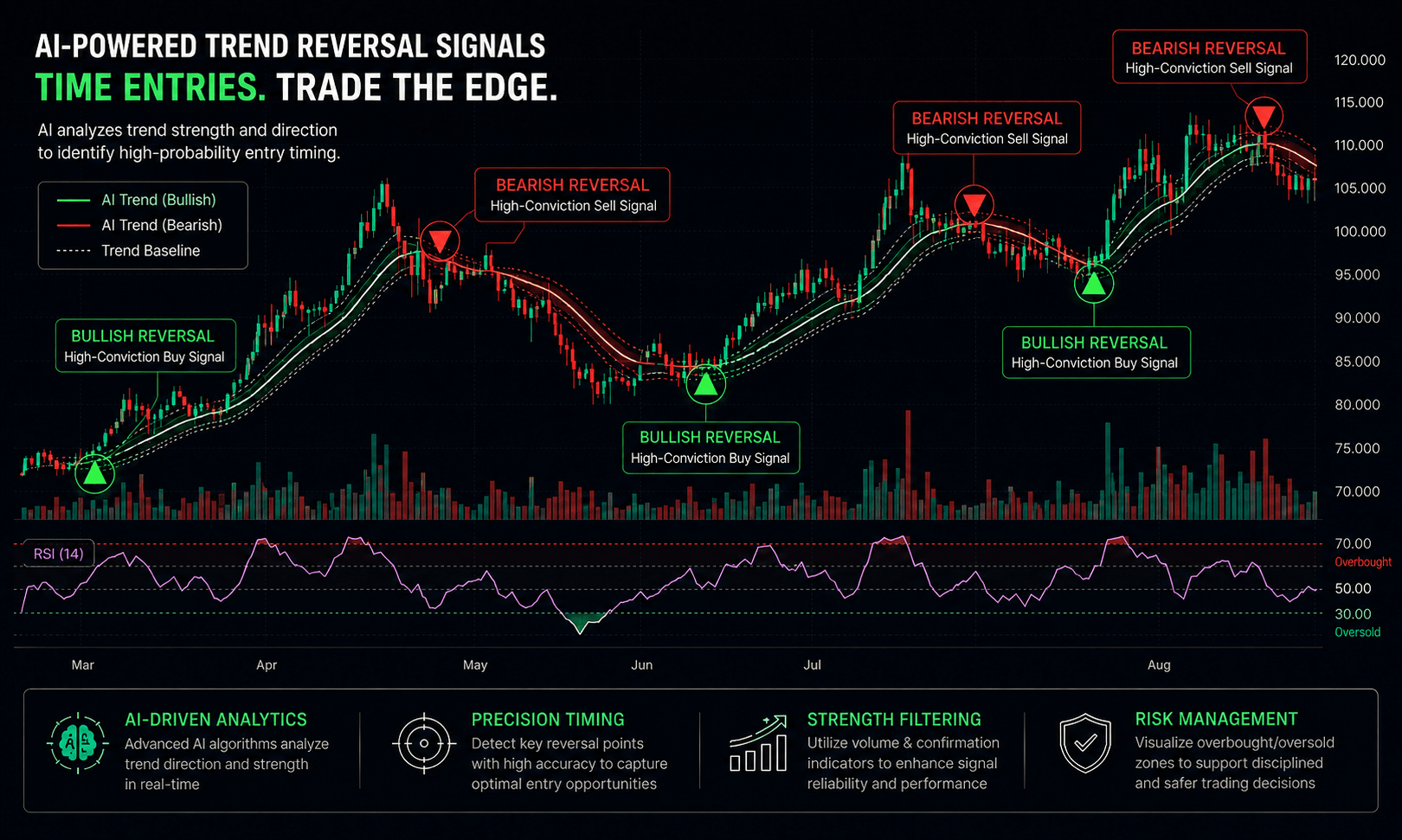
Bull Wave / Bear Wave Forecast Model
Engineered to help you read market direction and momentum faster than the crowd.
- Instantly separate bullish momentum from bearish pressure
- Pinpoint high-probability entry zones with confidence
- Chart signals clear enough for beginners, sharp enough for pros
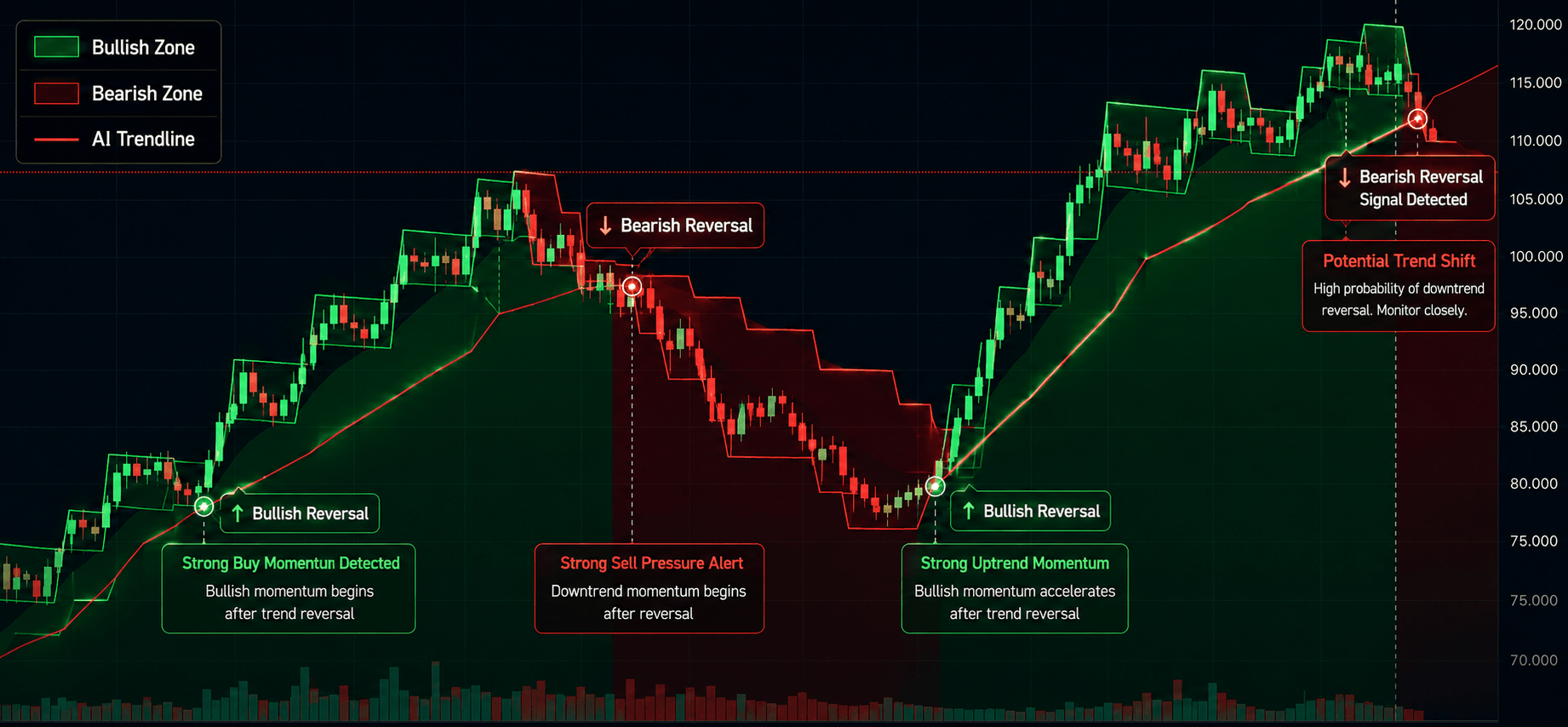
Winning Pattern Detection
Instantly surfaces the high-probability setups that repeat across the charts — a trusted edge for timing your entries and exits.
- Spot momentum building in real time
- Catch trend-reversal points before they break
- Built for active traders who need results, not theory

AI Live Economic Dashboard
AI analyzes real-time market data — turning complex, global investment flows into clear insight in seconds.
- Track global stock markets in real time
- See exactly which assets are strong — and which are fading
- Watch how geopolitical events move the markets
About the Author