What Is a Stop-Loss Order?
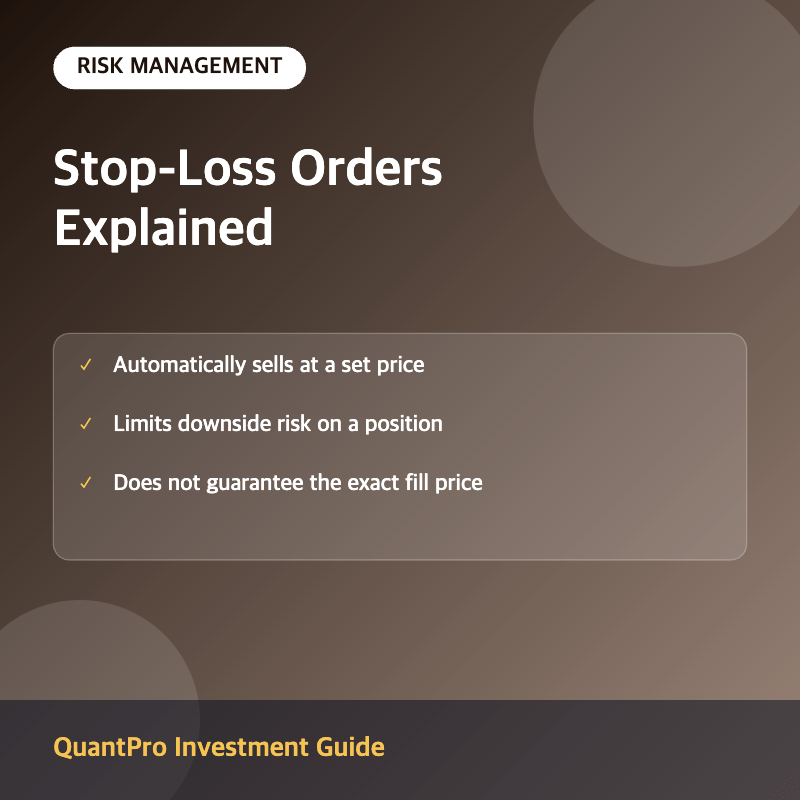
A stop-loss order is an instruction placed with a broker to automatically sell a security once its price falls to a specified level, designed to limit an investor’s potential loss on a position without requiring constant manual monitoring.
How a Stop-Loss Order Works
When an investor sets a stop-loss order, they choose a trigger price below the current market price. If the stock falls to that level, the stop-loss order becomes a market order (or in some cases a limit order) and executes the sale, helping cap further losses.
Stop-Loss in Action
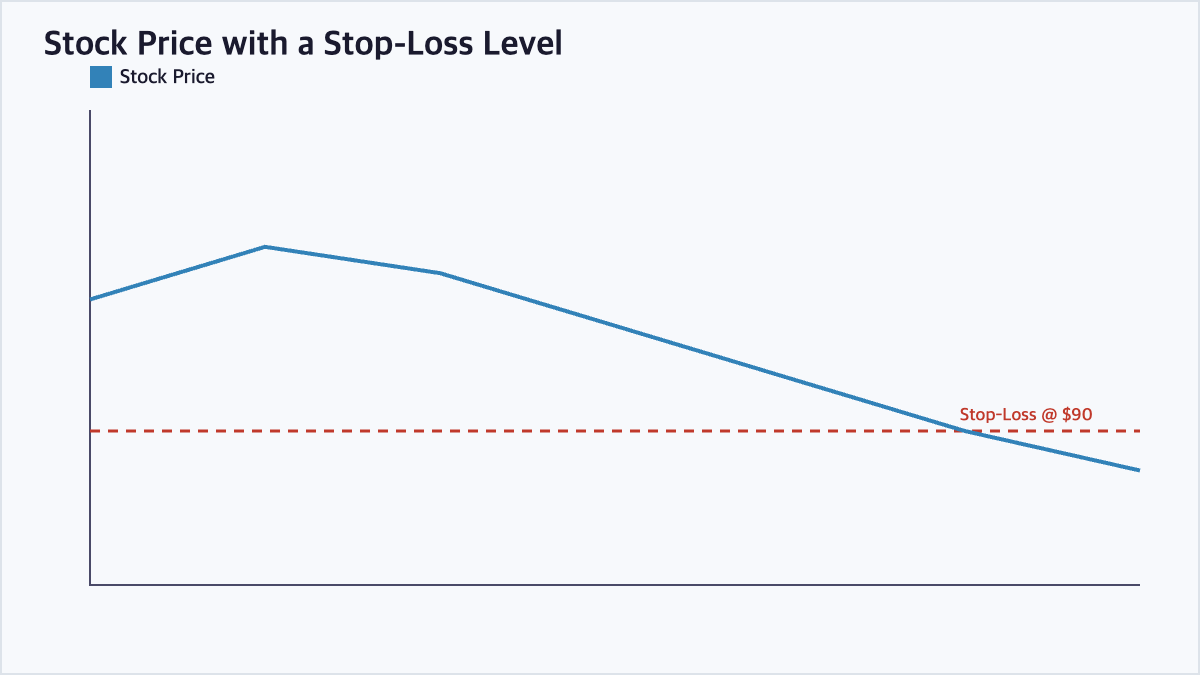
Stop-Loss vs. Stop-Limit Orders
A standard stop-loss order becomes a market order once triggered, guaranteeing execution but not a specific price. A stop-limit order becomes a limit order once triggered, guaranteeing a minimum price but risking non-execution if the price moves too quickly past the limit.
Stop-Loss Order Types Compared
| Order Type | Execution Guarantee | Price Guarantee |
|---|---|---|
| Standard Stop-Loss | Guaranteed to execute | No price guarantee |
| Stop-Limit Order | Not guaranteed to execute | Guaranteed minimum price |
| Trailing Stop-Loss | Guaranteed to execute | Adjusts with price, no fixed guarantee |
What Is a Trailing Stop-Loss?
A trailing stop-loss automatically adjusts upward as the stock price rises, maintaining a set percentage or dollar distance below the current price, which allows investors to lock in gains while still protecting against downside reversals.
Frequently Asked Questions
Does a stop-loss order guarantee I will sell at the exact price I set?
No. A standard stop-loss becomes a market order once triggered, meaning it will execute at the next available price, which can be lower than the stop price during periods of high volatility or a rapid price drop, a phenomenon known as slippage.
What percentage should I set for a stop-loss?
There is no universal rule, but many investors commonly use a range of 5% to 15% below the purchase price, depending on the stock’s volatility and their individual risk tolerance.
Can a stop-loss order fail during extreme market volatility?
Yes, during extreme volatility or a market gap, the execution price can be significantly worse than the stop price since the order fills at the next available market price rather than guaranteeing the exact trigger price.
Is a trailing stop-loss better than a fixed stop-loss?
A trailing stop-loss can help lock in profits as a stock rises, while a fixed stop-loss sets a static exit point; the better choice depends on an investor’s strategy and whether they want to protect gains or simply limit initial risk.
Key Takeaways
A stop-loss order automatically sells a position once it hits a predetermined price, helping investors manage risk without constant monitoring. While useful for limiting losses, standard stop-loss orders do not guarantee an exact execution price, making it important to understand the differences between stop-loss, stop-limit, and trailing stop orders. This article is for informational purposes only and does not constitute investment advice.
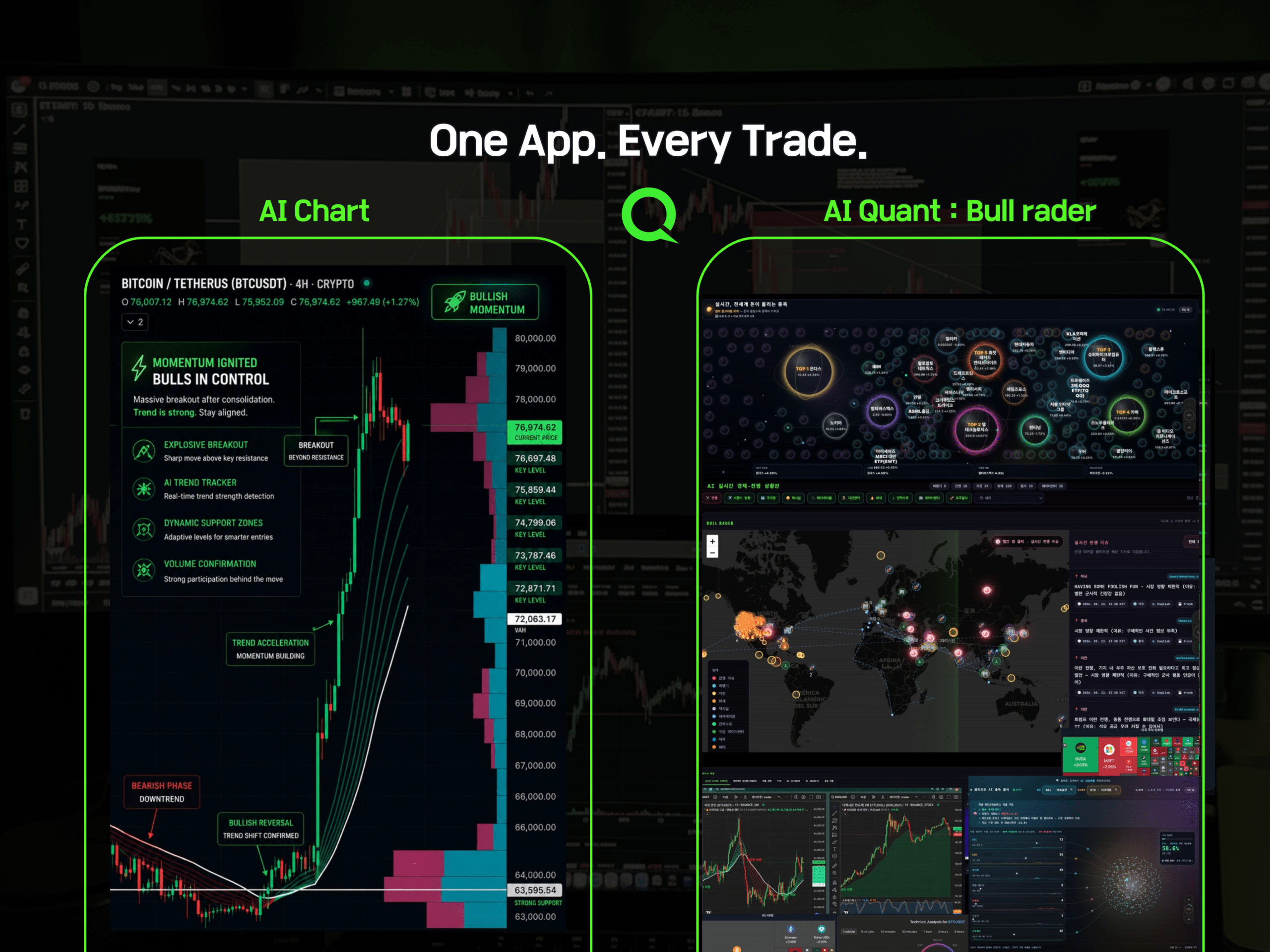
QuantPro: AI Finds the Trade Before You Do
From AI-powered chart analysis to real-time market intelligence — everything a serious investor needs, in one platform.
- Automated AI chart analysis with precision trend timing
- Bull Radar: real-time visualization of geopolitical & economic shifts
- Live market-moving news and insights, curated for you
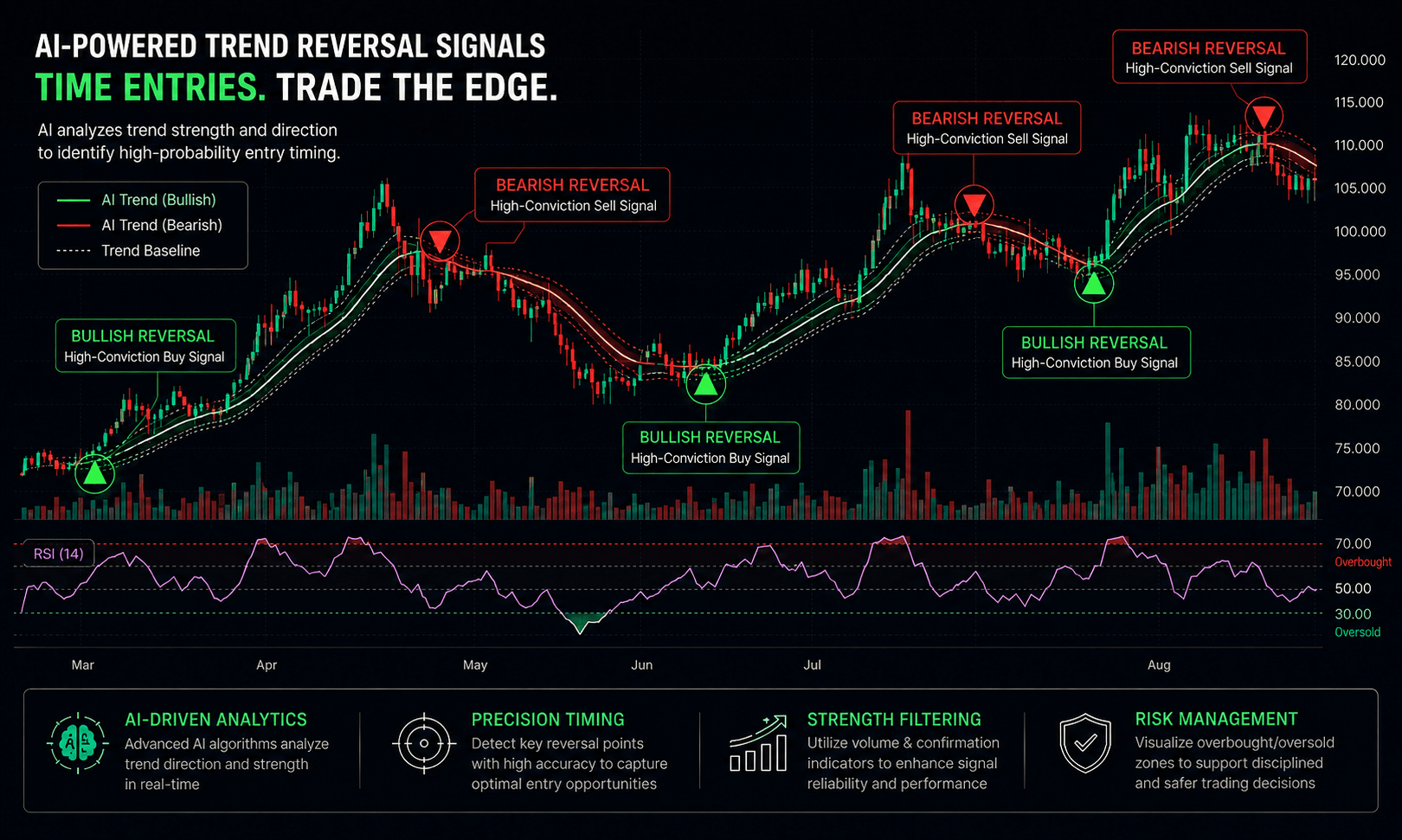
Bull Wave / Bear Wave Forecast Model
Engineered to help you read market direction and momentum faster than the crowd.
- Instantly separate bullish momentum from bearish pressure
- Pinpoint high-probability entry zones with confidence
- Chart signals clear enough for beginners, sharp enough for pros
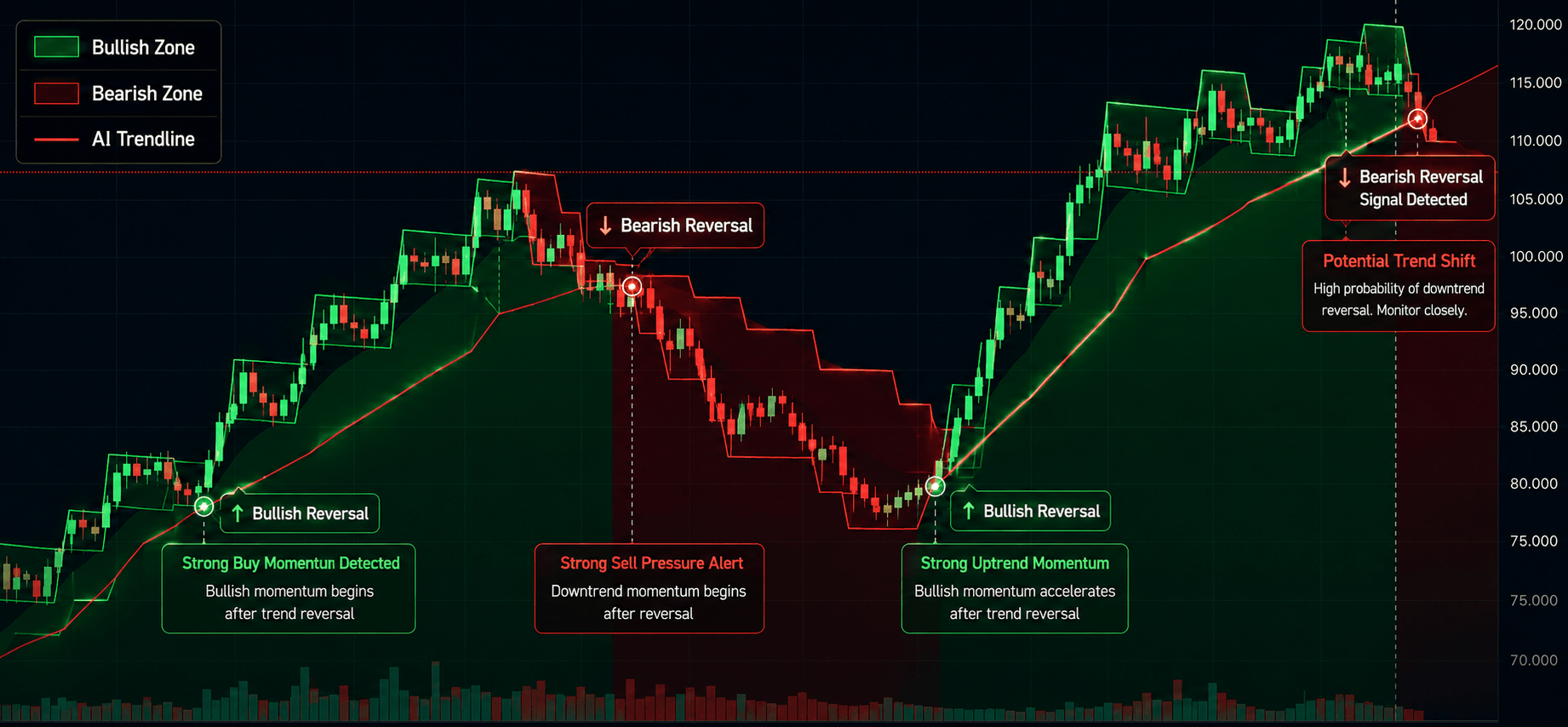
Winning Pattern Detection
Instantly surfaces the high-probability setups that repeat across the charts — a trusted edge for timing your entries and exits.
- Spot momentum building in real time
- Catch trend-reversal points before they break
- Built for active traders who need results, not theory
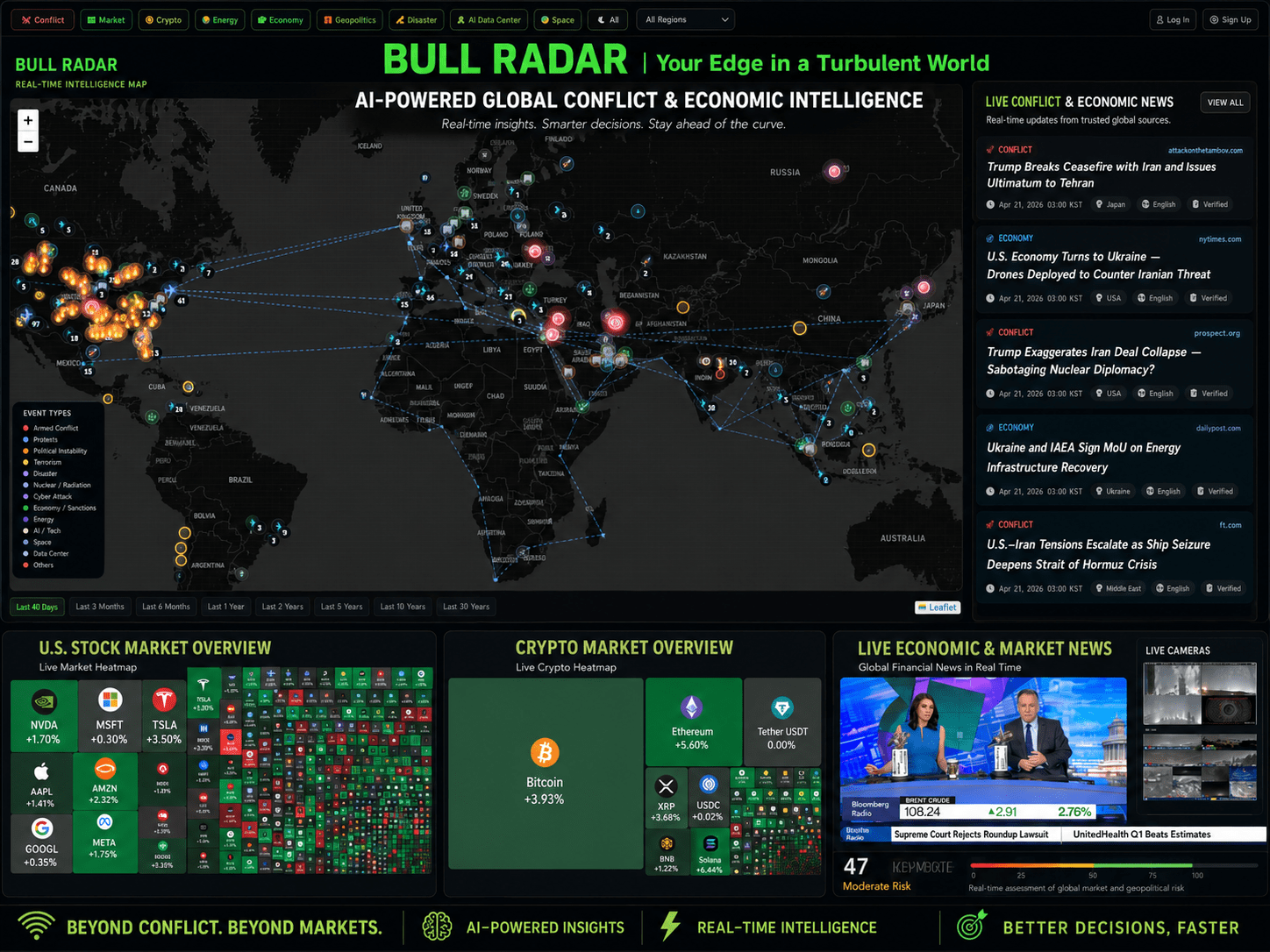
AI Live Economic Dashboard
AI analyzes real-time market data — turning complex, global investment flows into clear insight in seconds.
- Track global stock markets in real time
- See exactly which assets are strong — and which are fading
- Watch how geopolitical events move the markets
About the Author