What Counts as Insider Trading?
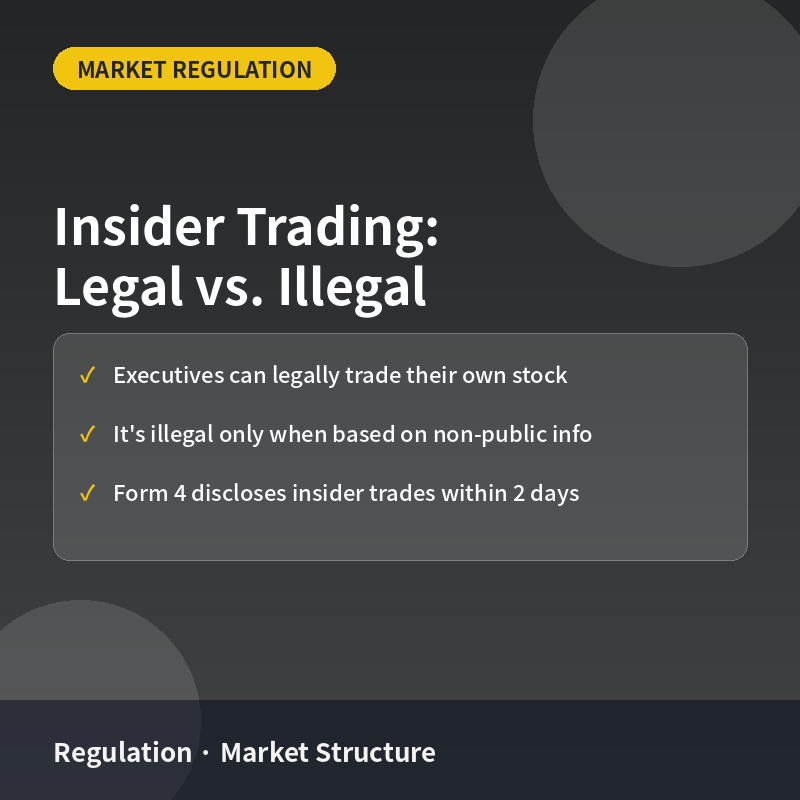
Insider trading refers to buying or selling a company’s securities by someone with access to information about that company. On its own, this is not illegal — corporate officers, directors, and large shareholders buy and sell their own company’s stock all the time, and are required to disclose it. What makes insider trading illegal is trading while in possession of material, non-public information (MNPI): information that would likely affect a reasonable investor’s decision and that has not yet been made available to the public.
The distinction matters because the legal framework does not ban insiders from trading their own company’s stock — it bans trading on an unfair informational advantage that ordinary investors do not have access to.
How Legal Insider Trading Is Disclosed
Form 4 and the Two-Day Rule
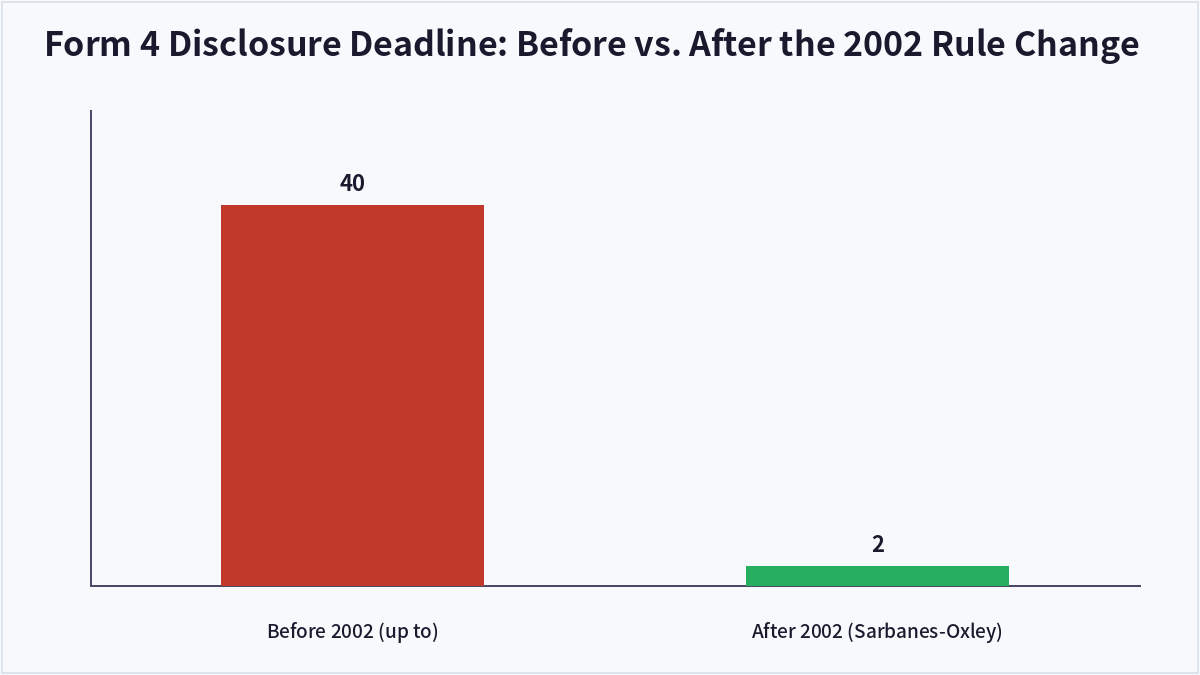
In the United States, corporate insiders — officers, directors, and shareholders owning more than 10% of a company — must file a Form 4 with the SEC within two business days of any transaction in the company’s stock. This requirement was tightened by the Sarbanes-Oxley Act of 2002; before that, insiders could in some cases wait until 10 days after the close of the calendar month in which the trade occurred, a lag that could stretch to roughly 40 days for a trade made early in a month.
Rule 10b5-1 Trading Plans
Because executives often possess material non-public information simply by virtue of their jobs, many pre-schedule their trades through a Rule 10b5-1 plan: a written agreement, adopted while not in possession of MNPI, that specifies in advance the amount, price, and timing of future trades (or a formula for determining them). Trades executed automatically under a properly adopted plan are protected from insider-trading liability even if the executive later comes into possession of non-public information, since the trade was locked in before that information existed for them.
What Makes Trading Illegal
Illegal insider trading requires two elements: possession of material non-public information, and a breach of a duty of trust or confidence in trading on it (or in passing it, or ‘tipping,’ to someone else who trades on it). This applies not only to executives but to anyone who receives MNPI improperly — a lawyer working on a merger, a family member who overhears a phone call, or a hacker who accesses earnings data early.
Penalty Structure
| Enforcement Type | Who Brings It | Typical Penalty |
|---|---|---|
| Civil (SEC) | Securities and Exchange Commission | Disgorgement of profits plus a civil penalty up to 3x the profit gained or loss avoided |
| Criminal (DOJ) | Department of Justice | Fines up to $5 million (individuals) or $25 million (entities), and up to 20 years in prison |
Frequently Asked Questions
Is it illegal for a CEO to sell their own company’s stock?
No, provided they are not trading on material non-public information and they properly disclose the trade via Form 4 within the required window. Many executives use scheduled Rule 10b5-1 plans specifically to demonstrate their trades were not based on inside knowledge.
Can I get in trouble for trading on a tip from a friend?
Yes. ‘Tippee’ liability applies to anyone who trades on material non-public information they received improperly, even if they did not work at the company, provided the tipper breached a duty and the tippee knew or should have known that.
Why do Form 4 filings matter to ordinary investors?
Because they are public and filed quickly, Form 4 data lets outside investors observe legal insider buying and selling patterns — some research treats clusters of insider buying as a mildly bullish signal, though it is far from a reliable standalone trading strategy.
Does a 10b5-1 plan guarantee legal protection?
Only if the plan was adopted in good faith while the individual was not aware of material non-public information, and the individual does not exercise discretion over the trades once the plan is active. Plans adopted or modified suspiciously close to major news events have drawn increased SEC scrutiny in recent years.
Key Takeaways
Insiders are free to trade their own company’s stock as long as they disclose it and are not acting on material non-public information; the line between legal and illegal insider trading is drawn by what the trader knew, not by their job title. This article is for informational purposes only and does not constitute investment advice.

QuantPro: AI Finds the Trade Before You Do
From AI-powered chart analysis to real-time market intelligence — everything a serious investor needs, in one platform.
- Automated AI chart analysis with precision trend timing
- Bull Radar: real-time visualization of geopolitical & economic shifts
- Live market-moving news and insights, curated for you
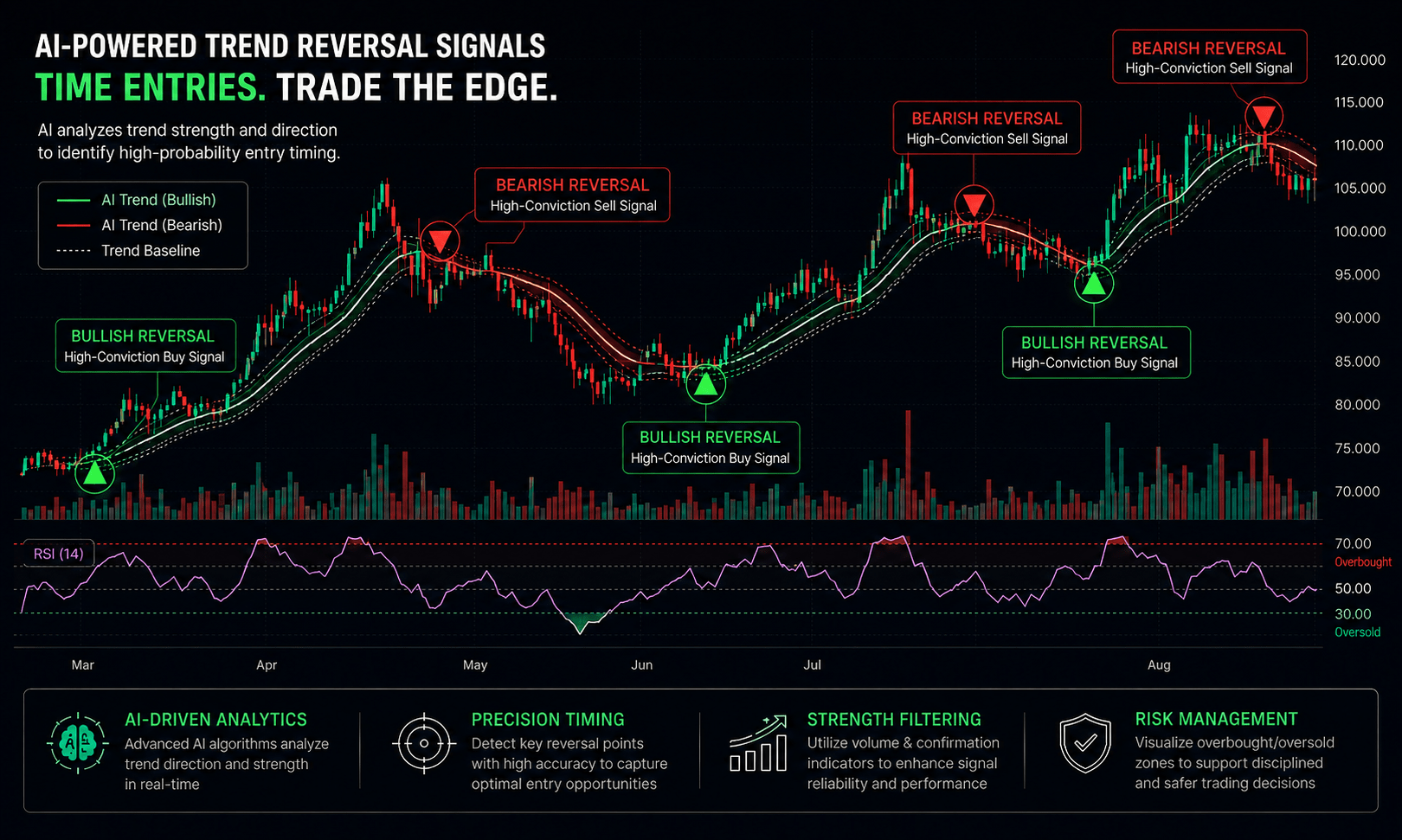
Bull Wave / Bear Wave Forecast Model
Engineered to help you read market direction and momentum faster than the crowd.
- Instantly separate bullish momentum from bearish pressure
- Pinpoint high-probability entry zones with confidence
- Chart signals clear enough for beginners, sharp enough for pros
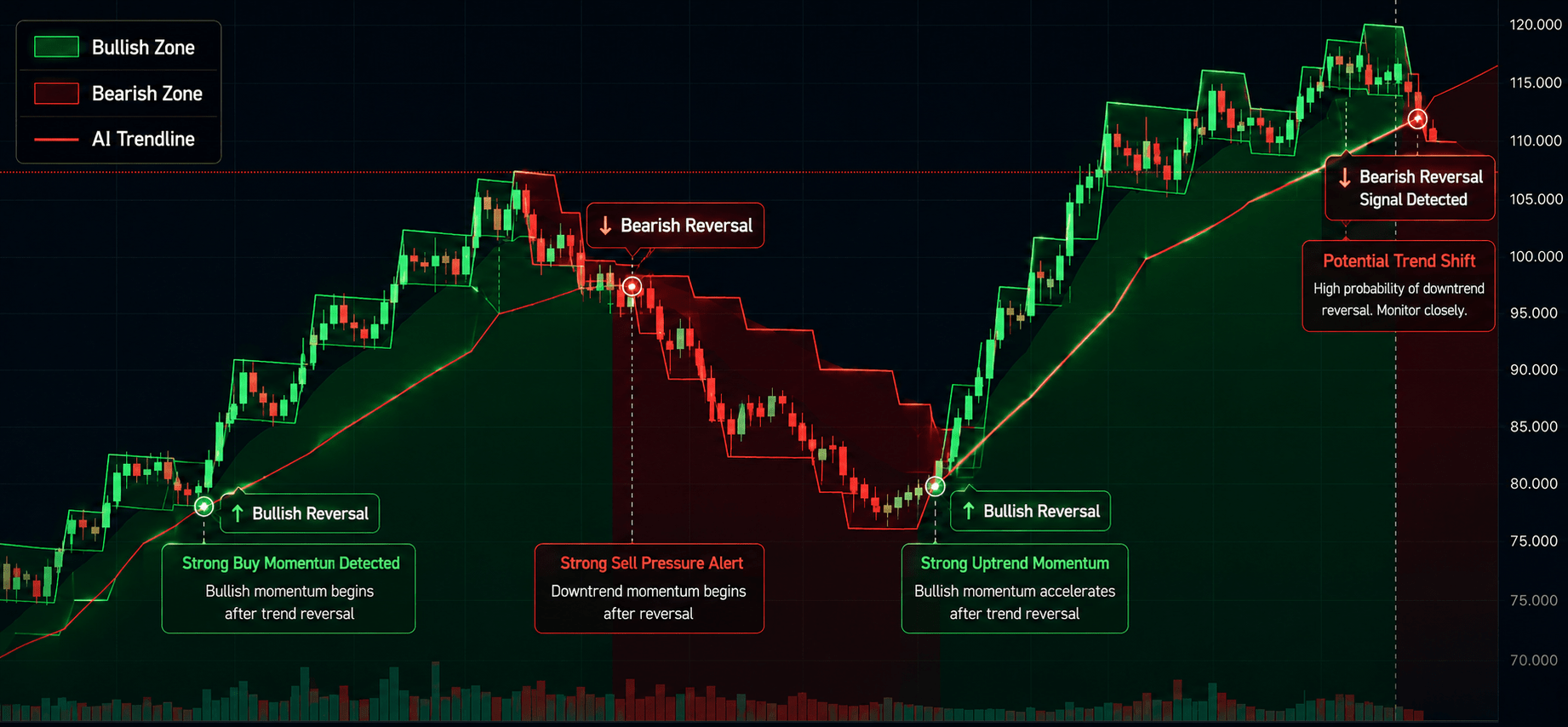
Winning Pattern Detection
Instantly surfaces the high-probability setups that repeat across the charts — a trusted edge for timing your entries and exits.
- Spot momentum building in real time
- Catch trend-reversal points before they break
- Built for active traders who need results, not theory
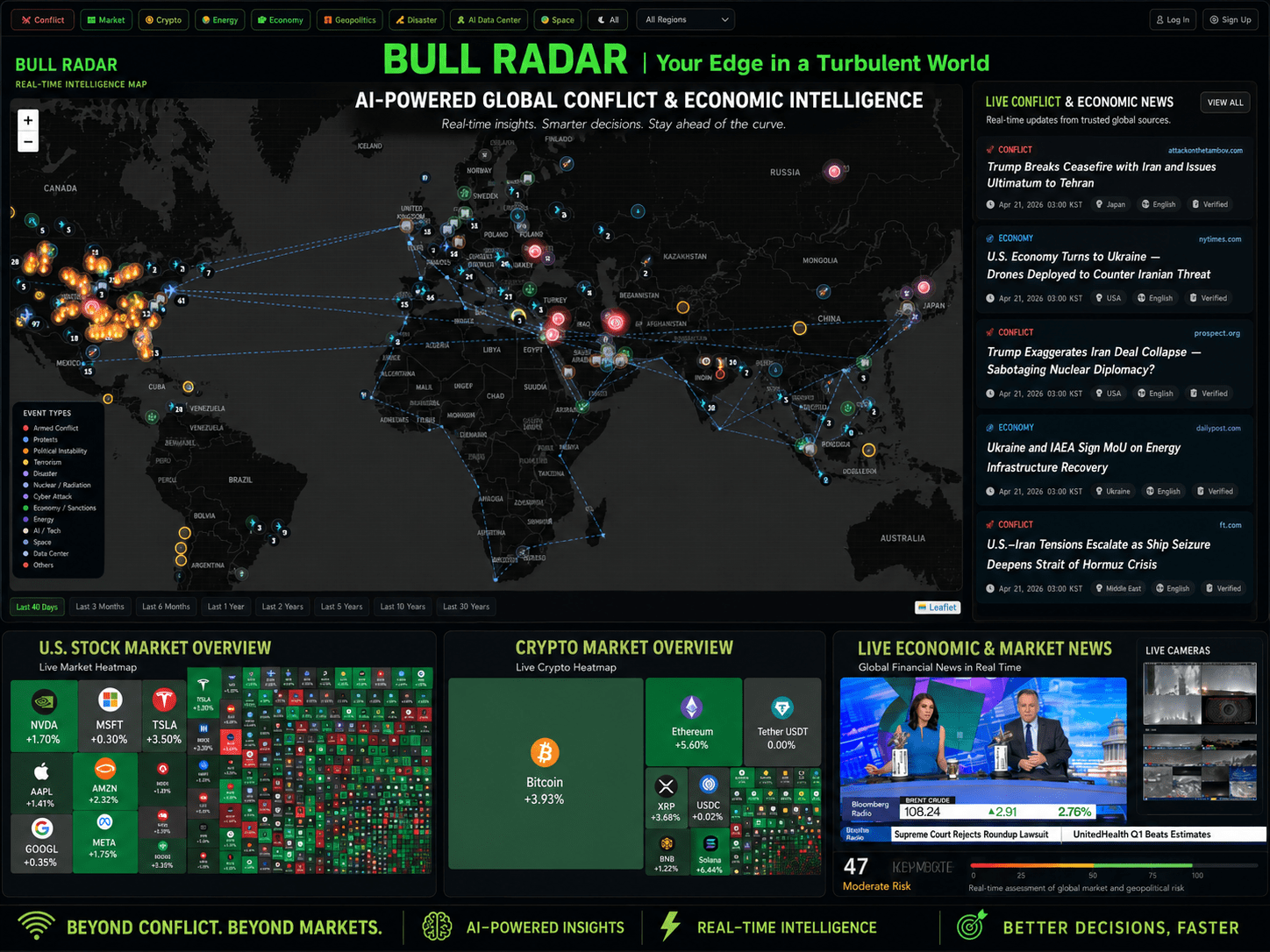
AI Live Economic Dashboard
AI analyzes real-time market data — turning complex, global investment flows into clear insight in seconds.
- Track global stock markets in real time
- See exactly which assets are strong — and which are fading
- Watch how geopolitical events move the markets
About the Author