What Is a Tender Offer?
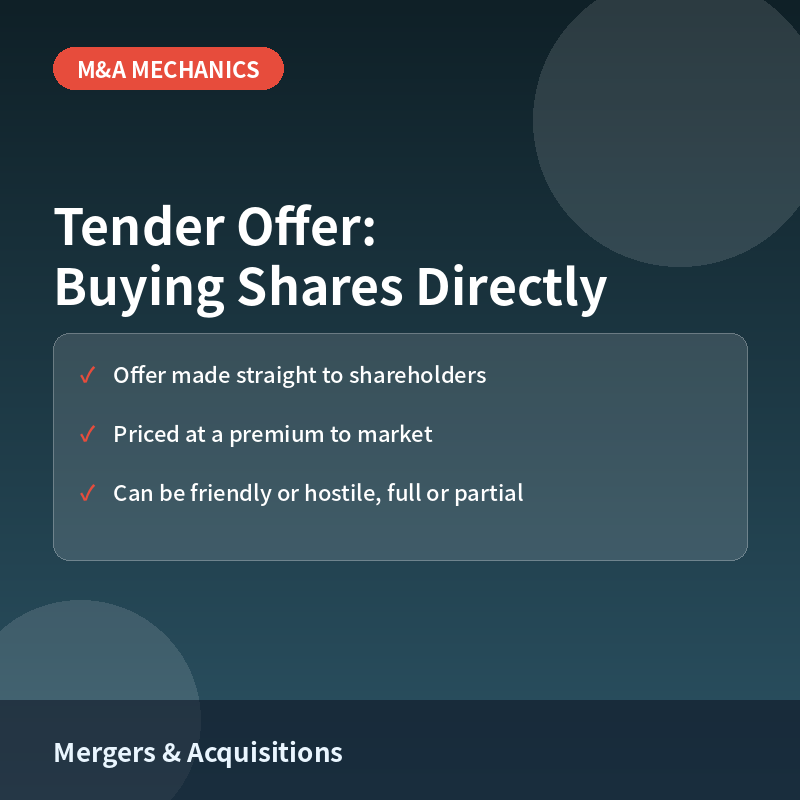
A tender offer is a public proposal in which an acquirer — another company, an investor group, or the issuing company itself — offers to purchase shares directly from existing shareholders, usually at a price above the current market value. Shareholders who accept ‘tender’ their shares by the offer’s deadline; there is no requirement that every shareholder participate, and no board vote is needed to make the offer itself (though target-company recommendations still matter).
Tender offers are used both in third-party acquisitions of a company and in company-led buybacks, where a firm offers to repurchase its own shares directly from investors rather than buying them gradually on the open market.
How a Tender Offer Works
Pricing at a Premium
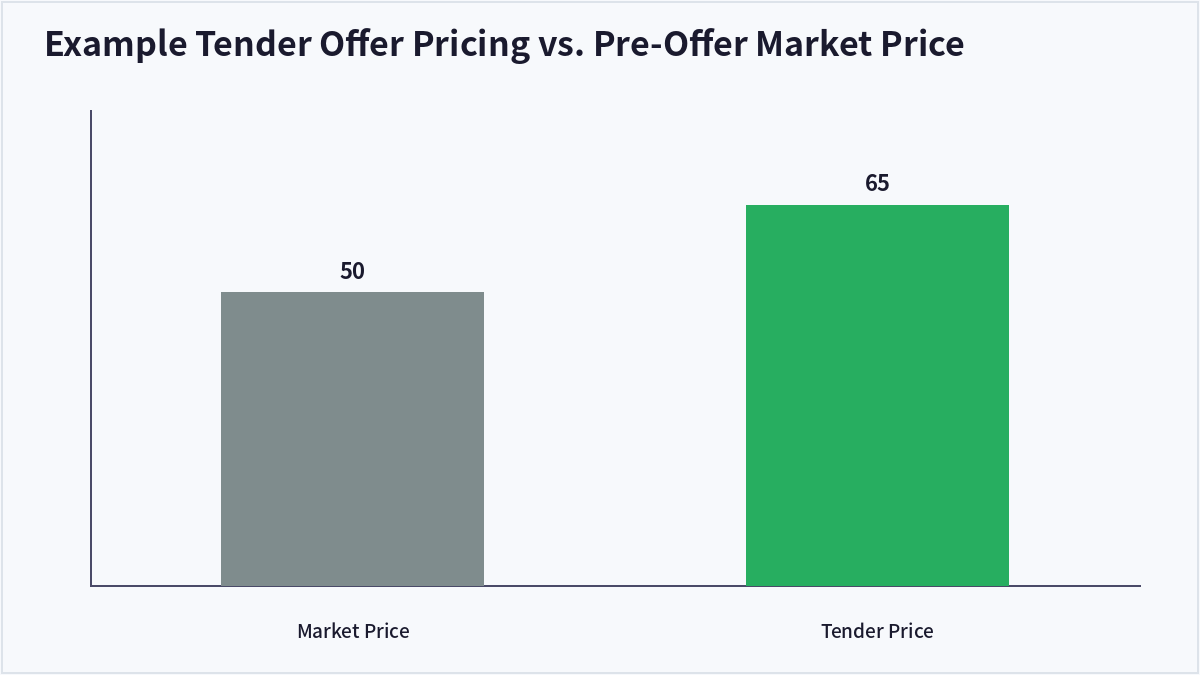
To induce shareholders to sell, the tender price is set above the prevailing market price. If a stock trades at $50 and the acquirer offers $65 per share, that is a 30% premium — broadly consistent with the roughly 20-40% premiums typical of publicly announced U.S. tender offers, though the exact figure varies by deal and industry.
Proration in Oversubscribed Offers
When an offer is for less than 100% of outstanding shares (a partial tender offer) and more shares are tendered than the acquirer wants to buy, the purchase is typically prorated: each tendering shareholder sells only a percentage of what they offered, proportional to the total oversubscription.
Friendly vs. Hostile
A friendly tender offer is made with the target company’s board support, often following negotiation. A hostile tender offer bypasses the board entirely, appealing straight to shareholders — typically used when management has rejected a takeover approach. Target boards can respond with defenses such as a poison pill to make a hostile tender offer prohibitively expensive.
Tender Offer vs. Other Ways to Acquire Shares
| Method | Speed | Board Approval Needed? | Typical Premium |
|---|---|---|---|
| Tender Offer | Weeks (SEC-regulated timeline) | No, but recommendation matters | 20-40% over market |
| Open Market Purchase | Gradual, ongoing | Not applicable | None (pays market price) |
| Statutory Merger | Months (shareholder vote required) | Yes | Negotiated, often similar range |
Frequently Asked Questions
Am I required to sell if a tender offer is made for my stock?
No. Tendering shares is voluntary. You can decline the offer and continue holding the stock, though in a successful acquisition the company may later be taken private through a follow-up merger that compels remaining holders to sell.
What is a Dutch auction tender offer?
In a Dutch auction, the issuer specifies a price range rather than a fixed price. Shareholders indicate the minimum price at which they are willing to sell, and the company sets a single clearing price that lets it acquire the desired number of shares, paying that price to everyone whose shares are accepted.
Can I withdraw shares I’ve already tendered?
Under SEC rules, shareholders generally have the right to withdraw tendered shares at any time before the offer’s expiration date, and in certain circumstances even after, until the shares are actually accepted for payment.
Why would a company make a tender offer for its own stock instead of buying on the open market?
A self-tender offer lets a company repurchase a large, defined block of shares quickly and at a known price, rather than gradually moving the market price upward through repeated open-market purchases over time.
Key Takeaways
A tender offer lets an acquirer buy shares directly from willing shareholders at a set premium, offering speed and certainty compared to a negotiated merger, but shareholders always retain the choice of whether to participate. This article is for informational purposes only and does not constitute investment advice.

QuantPro: AI Finds the Trade Before You Do
From AI-powered chart analysis to real-time market intelligence — everything a serious investor needs, in one platform.
- Automated AI chart analysis with precision trend timing
- Bull Radar: real-time visualization of geopolitical & economic shifts
- Live market-moving news and insights, curated for you
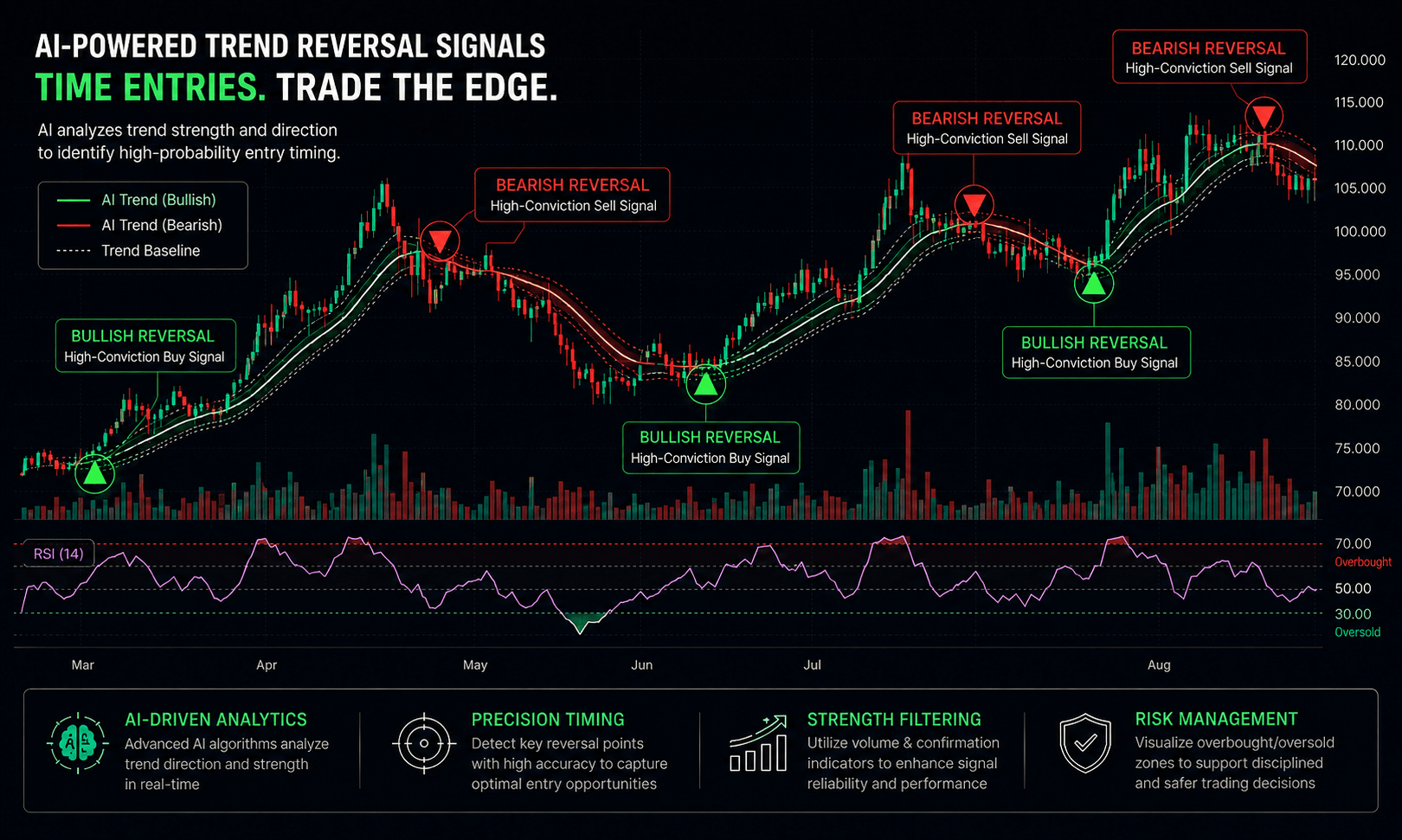
Bull Wave / Bear Wave Forecast Model
Engineered to help you read market direction and momentum faster than the crowd.
- Instantly separate bullish momentum from bearish pressure
- Pinpoint high-probability entry zones with confidence
- Chart signals clear enough for beginners, sharp enough for pros
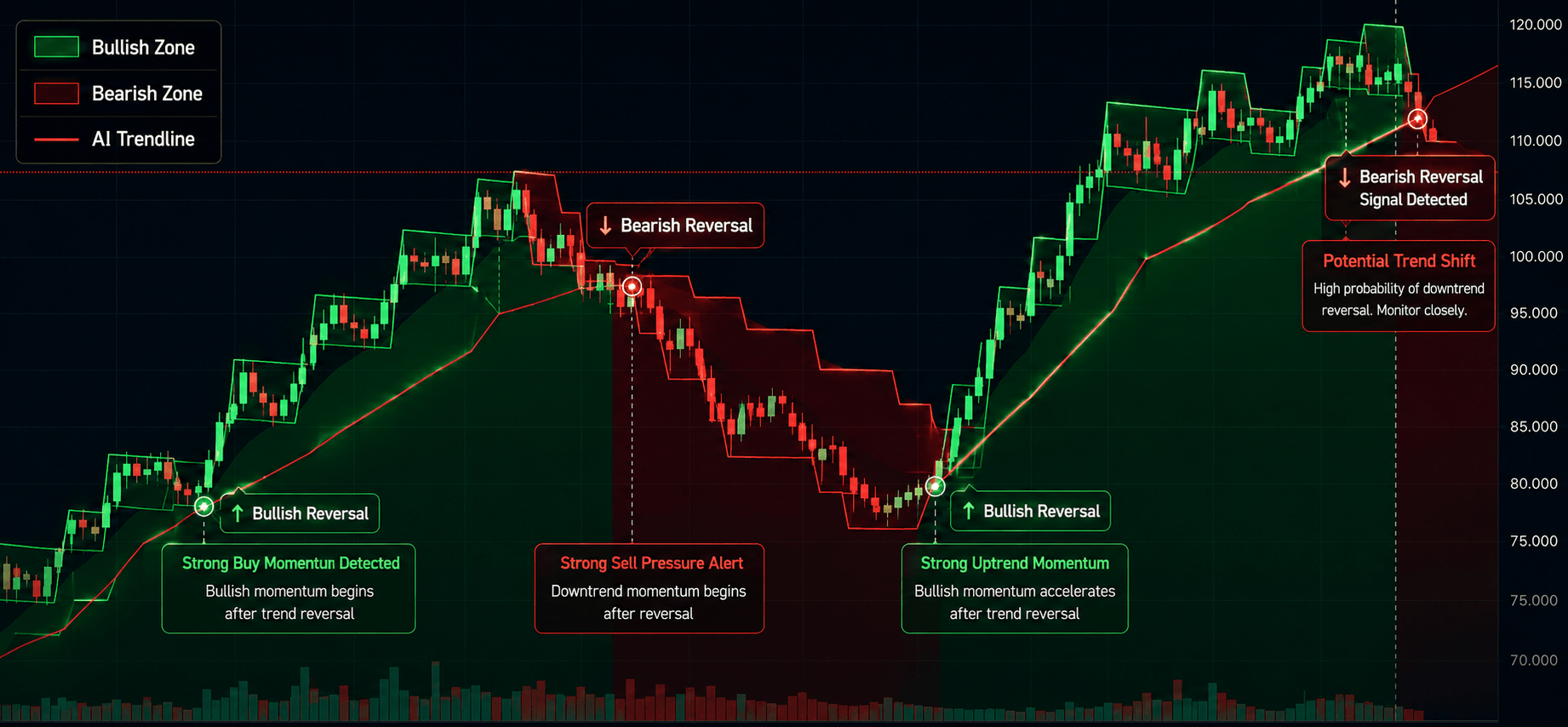
Winning Pattern Detection
Instantly surfaces the high-probability setups that repeat across the charts — a trusted edge for timing your entries and exits.
- Spot momentum building in real time
- Catch trend-reversal points before they break
- Built for active traders who need results, not theory
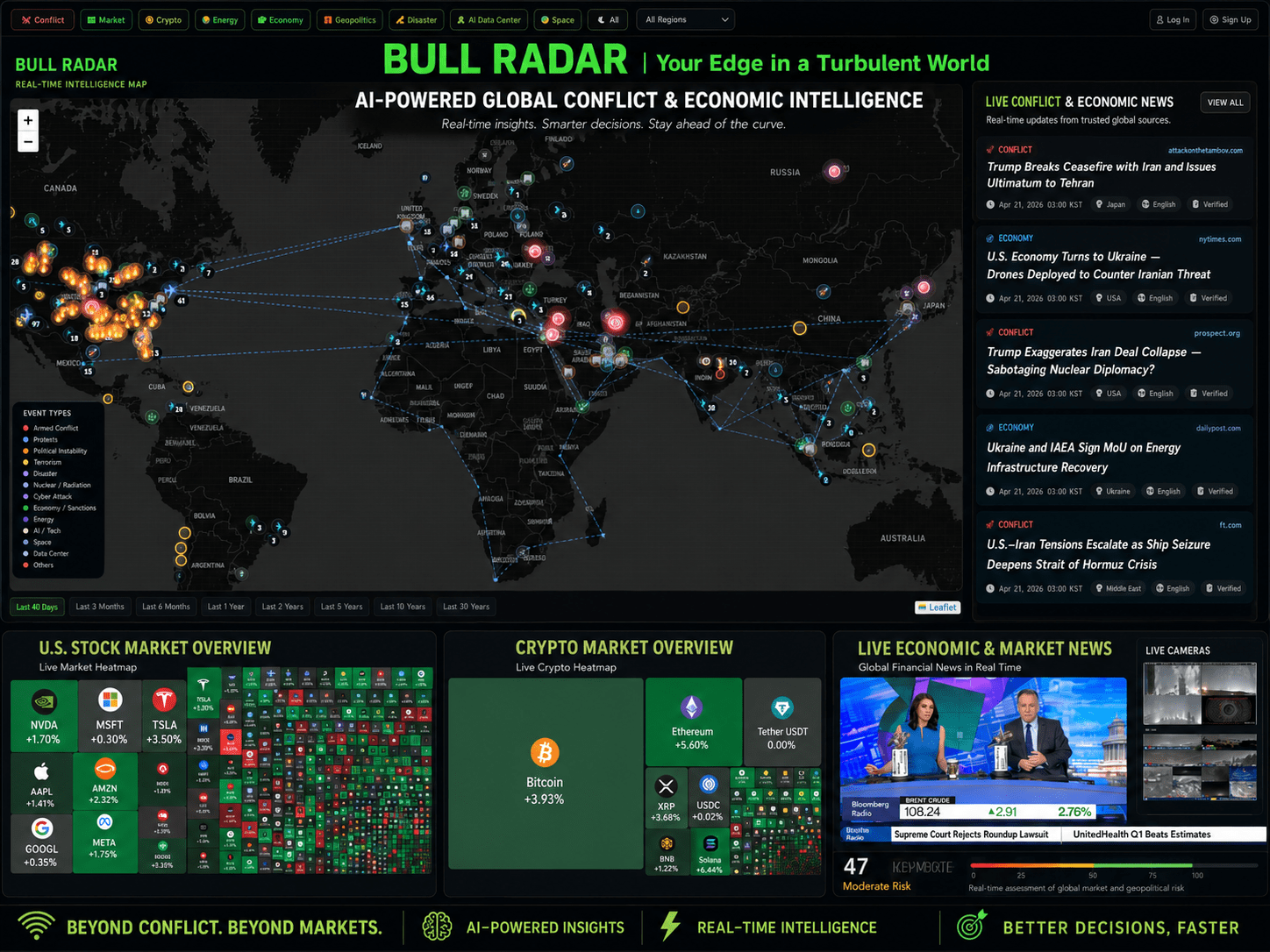
AI Live Economic Dashboard
AI analyzes real-time market data — turning complex, global investment flows into clear insight in seconds.
- Track global stock markets in real time
- See exactly which assets are strong — and which are fading
- Watch how geopolitical events move the markets
About the Author