What Liquidity Mining Is
Liquidity mining involves depositing two tokens, typically in a fixed ratio such as 50:50, into a decentralized exchange’s liquidity pool. That deposited capital is then used to facilitate other traders’ swaps, and in exchange the liquidity provider earns a share of trading fees plus, often, additional reward tokens distributed by the protocol.
How Staking Differs Structurally
Staking involves locking up a single token to help secure a proof-of-stake blockchain network — validating transactions and producing blocks — in exchange for newly issued tokens or a share of network fees as a reward. Unlike liquidity mining, there’s no second asset and no shifting price ratio between two holdings to worry about.

Impermanent Loss Is Liquidity Mining’s Signature Risk
When the price ratio between the two pooled tokens moves significantly away from where it stood at deposit, the pool’s automated pricing mechanism leaves the liquidity provider with a mix of assets worth less than if they’d simply held the two tokens separately in a wallet — a gap known as impermanent loss. The more volatile the pair, the larger this potential gap, which is why the highest advertised APRs often come with the largest hidden risk.
Staking’s Signature Risk Is Slashing
Staking avoids impermanent loss entirely, but carries its own risks: a validator that misbehaves or experiences downtime can have a portion of the staked tokens forcibly destroyed, a penalty known as slashing. Staked assets are also frequently locked for a fixed period, during which they can’t be withdrawn even if market conditions change.
| Feature | Liquidity Mining | Staking |
|---|---|---|
| Assets deposited | Two-token pair | Single token |
| Signature risk | Impermanent loss | Slashing, lock-up periods |
| Yield source | Trading fees + reward tokens | Block validation rewards |
| Structural complexity | Relatively higher | Relatively simpler |
Frequently Asked Questions
Is impermanent loss always a permanent, locked-in loss?
No — as the name suggests, if the price ratio between the two pooled assets returns to where it was at deposit, the loss disappears. It only becomes permanent if liquidity is withdrawn while the price ratio is still skewed.
Are liquidity mining reward tokens reliable in value?
Often not entirely. Many protocols pay rewards in their own governance token, which can be highly volatile and subject to significant sell pressure from other liquidity providers, meaning the realized dollar value of rewards can differ substantially from the advertised APR.
Is staking inherently safer than liquidity mining?
It avoids impermanent loss and is structurally simpler, which many consider safer, but staking still carries the underlying token’s price volatility, plus lock-up and slashing risk — it isn’t risk-free.
Which is more suitable for beginners?
Single-asset staking is generally considered a simpler entry point since it avoids impermanent loss entirely. Liquidity mining is often approached first through highly correlated pairs, such as stablecoin-to-stablecoin pools, where price-ratio risk is minimal.
Key Takeaways
Liquidity mining pools two assets to earn trading fees and reward tokens but exposes providers to impermanent loss, while staking locks up a single asset to earn network rewards but carries slashing and lock-up risk instead. Comparing headline APRs alone can be misleading — the underlying structural risk of each approach matters just as much as the advertised yield. This article is for informational purposes only and does not constitute investment advice.

QuantPro: AI Finds the Trade Before You Do
From AI-powered chart analysis to real-time market intelligence — everything a serious investor needs, in one platform.
- Automated AI chart analysis with precision trend timing
- Bull Radar: real-time visualization of geopolitical & economic shifts
- Live market-moving news and insights, curated for you
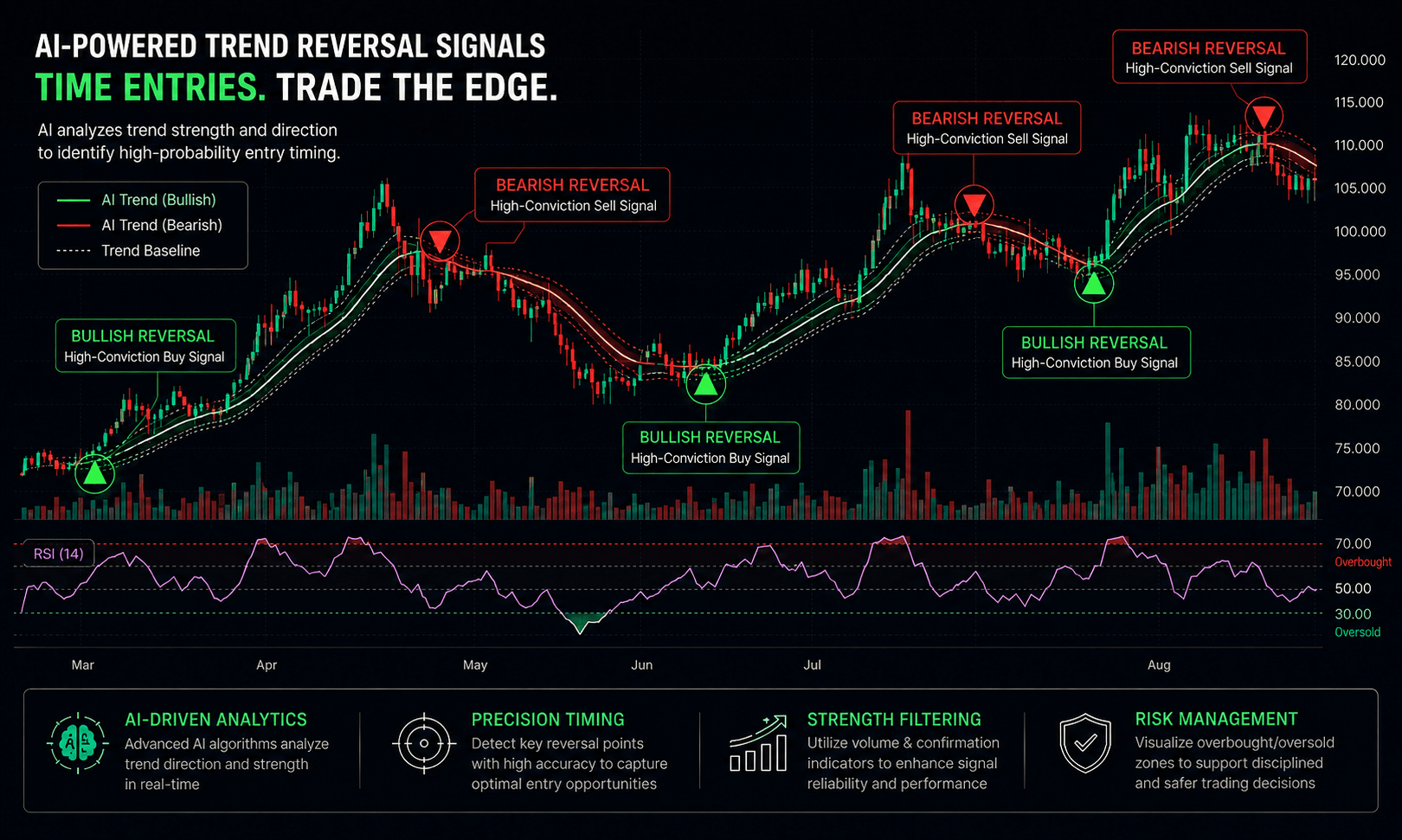
Bull Wave / Bear Wave Forecast Model
Engineered to help you read market direction and momentum faster than the crowd.
- Instantly separate bullish momentum from bearish pressure
- Pinpoint high-probability entry zones with confidence
- Chart signals clear enough for beginners, sharp enough for pros
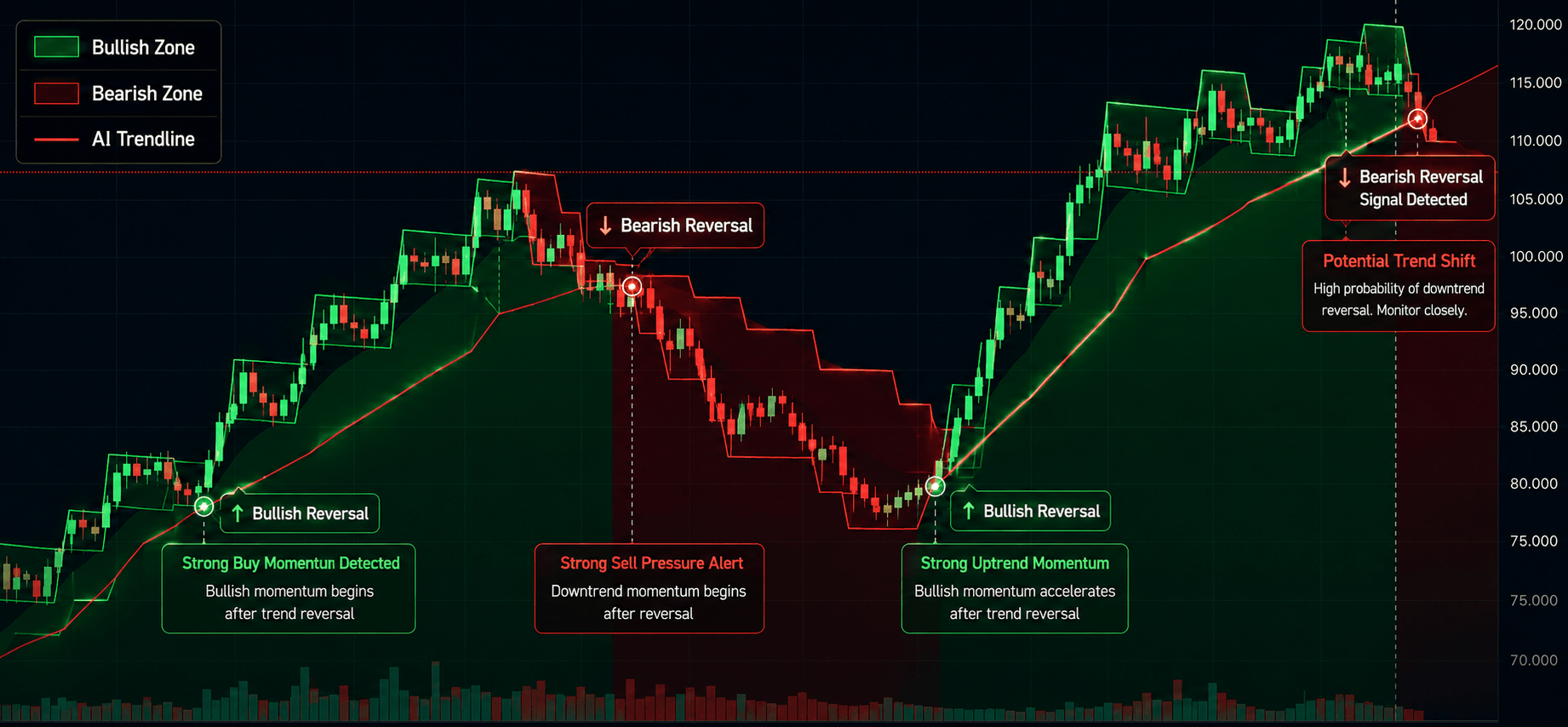
Winning Pattern Detection
Instantly surfaces the high-probability setups that repeat across the charts — a trusted edge for timing your entries and exits.
- Spot momentum building in real time
- Catch trend-reversal points before they break
- Built for active traders who need results, not theory
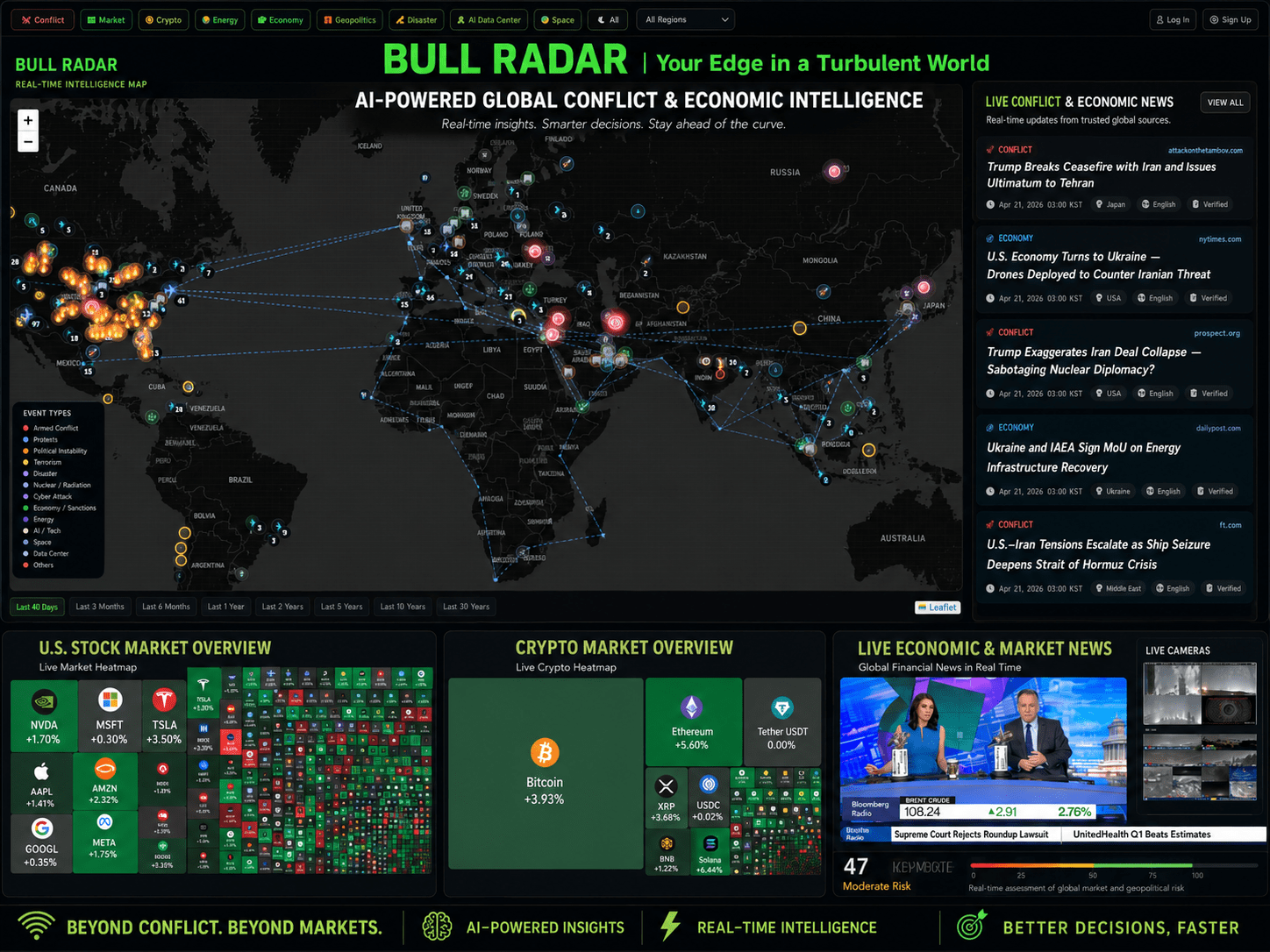
AI Live Economic Dashboard
AI analyzes real-time market data — turning complex, global investment flows into clear insight in seconds.
- Track global stock markets in real time
- See exactly which assets are strong — and which are fading
- Watch how geopolitical events move the markets
About the Author